





The history of the umbilical cord and its amazing capacity to bring the fetal unit together with the placenta during gestation makes the umbilical cord a special cord of interest in the history of life before birth. The cord is a vital route for the delivery of food, oxygen, and waste, which is the gateway for the unassuming possibilities of survival and growth.
Not only is the umbilical cord biologically important, but the umbilical cord (UM) has unique characteristics and medical utilities that are related to, and profit from, the scientific description of the umbilical cord (i.e., that the scientific description of the umbilical cord (UM) necessitates ongoing study and discovery). This article explores the complex organisation, functions, possible medical uses, and occasional complications of the umbilical cord and clarifies why it has to be considered one of the wonders of nature.
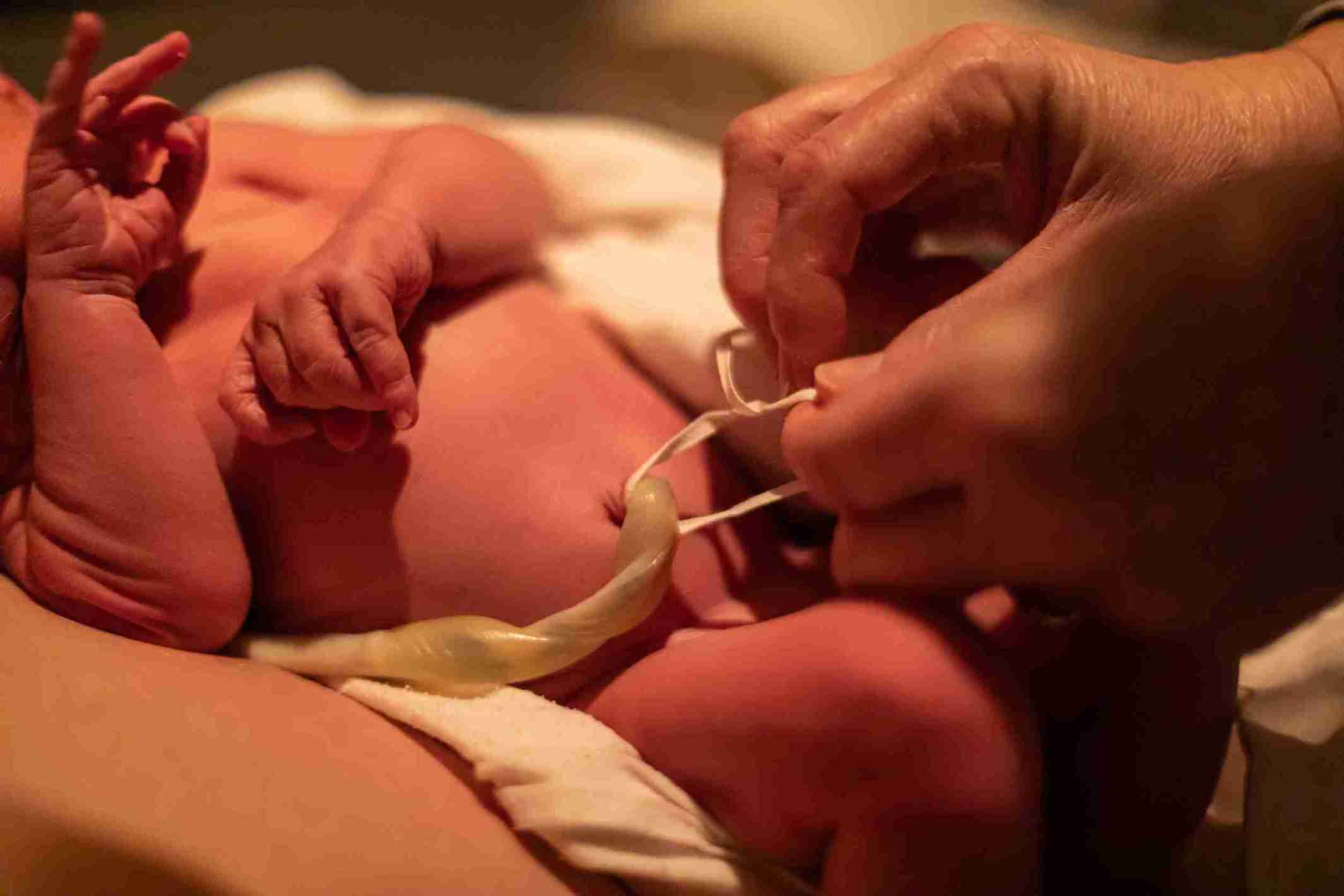
The umbilical cord is typically 50–60 cm long and 1.5 cm in diameter in range, but range exists too. It consists of three types of blood vessels (two arteries and one vein), entombed in protein capsule material (Wharton's jelly). In this setup, gas perfusion to the fetus and metabolic waste removal happen simultaneously.
● Umbilical Vein: Using this one vessel, the oxygenated blood and nutrients from the placenta get to the embryo, where they are used for growth as well as development.
● Umbilical Arteries: One or the other of these vessels carries the metabolised waste carried by a fetus for removal via the placenta.
● Wharton’s Jelly: This shock-absorbing material offers rigidity to the tissue and protects the blood vessels from compression or kinking, both of which could lead to inadequate blood circulation. Also, its elasticity allows the cord to accommodate fetal oscillation.
The spiral configuration of the cord (typically 10–12 coils) also adds the benefit of prevention of pull or compression forces. It is proposed that these twists are caused by fetal movements and serve to increase the cord's plasticity.
The Umbilical cord function is the primary pathway from the fetus to the placenta and supports several critical functions concerning fetal survival and development.
● Nutrient and Oxygen Transport: The umbilical vein ensures prompt and continuous delivery of all the critical substrates for FGT (glucose, amino acids, and FFAs) and oxygen, which are required for FGT activity.
● Waste Removal: Umbilical arteries deliver fetal CO(2) and waste to the placenta, which is returned and metabolised in the mother and subsequently excreted.
● Hormonal and Chemical Exchange: The cable carries hormone(s) or other messengers that participate in what modulates fetal growth and maternal homeostasis.
● Immune Protection: Maternal antibodies may cross the placenta and umbilical cord to perfuse through the placenta and umbilical cord to the developing fetus and will also gain passive immunity to some infections in pregnancy.
Umbilical cord blood contains a high concentration of highly proliferative haematopoietic stem cells that are multipotent to give rise to a wide array of blood and immune lineages. These cells have a good therapeutic prospect for a variety of applications.

● Stem Cell Therapy: Cord blood stem cells are used in the therapy of haematologic diseases, such as leukaemia, lymphoma, and some opathies. It can also be used for the reconstitution of the immune system treated with cytotoxic drugs.
● Cord Blood Banking: Families may store their baby's cord blood in specialised banks and open the treasure trove for future therapeutic applications (e.g., disease states to be treated).
● Regenerative Medicine: Research into the use of umbilical cord-derived stem cells in regenerative medicine therapies for three conditions, namely diabetes, spinal cord injury, and cardiovascular disease, is currently in progress.
The therapeutic potential of the umbilical cord and the umbilical cord blood itself extends beyond the umbilical cord blood. Wharton's jelly, rich in mesenchymal stem cells, is promising in regenerative medicine. Due to their capacity to repair and regenerate injured tissues, these cells are under investigation in treating patients affected by several pathologies.
● Neurological Disorders: Research into the treatment of disorders like Parkinson's disease and cerebral palsy.
● Cardiovascular Repair: The use of stem cells for healing the heart muscle after myocardial infarction.
● Diabetes: Research into the ability of these cells to repair pancreatic tissue and control blood sugar.
These developments show that the umbilical cord still plays a role in human health after it no longer has to fulfil its primary function.
The umbilical cord, although only a short-lived marker, is a highly symbolic instrument of life and relationship. It is a metaphor for the complex mechanisms that keep us alive before birth and describes the magic of biological design. Cord blood banking and delayed clamping practices illustrate the continuing role of the cord in facilitating lasting health.
Although its practical utility has been exhausted, decades of medical and clinical experience tell us that the umbilical cord has been a vehicle for medical innovation, which has established its position as a cradle of life and healing.
Although finally transient, the umbilical cord is a potent symbol of living and unity. It is the complex systems that sustain us from life before birth and demonstrate the effectiveness with which living systems can be engineered. Cord blood banking and delayed clamping are only the tip of the iceberg of procedures that highlight the continuous clinical relevance of the cord in contributing to a lifelong, healthy life.
Despite its biological work being terminated, the umbilical cord continued to yield a promise for medical innovation; thus, the umbilical cord continues to stand as a foundation of life and healing.

The umbilical cord is more than simply a gestational link between the fetus and the placenta. The Umbilical cord structure, special functions, and potential in medicine all make them very interesting. As a container for life during gestation and as a potential source of hope for regenerative medicine, the umbilical cord is, in miniature, a picture of both the marvels of biology and the bounds of scientific discovery.
While research reveals more and more about its secrets, the umbilical cord once again proves to be an amazing lifeline. Not only does it keep us alive, but it also provides the impetus for development and treatment.

● Umbilical cord: Contains two arteries and one vein. Arteries deliver deoxygenated blood and fetal metabolic waste to the placenta. The vein is the conduit of oxygenated blood and nutrients delivered to the fetus from the placental circuit. ● Wharton's jelly: An elastic enclosing material of the blood vessels with cushioning and protective roles. ● Outer layer (amnion): A protective membrane that encases the cord.
The umbilical cord's strength and flexibility are due to Wharton's jelly, which is inextensible and maintains structural integrity for the cord. Collagen and other structural proteins with elasticity and tensile strength allow bending and stretching without rupture. Its helical structure (natural winding), prevents the kinking and ensures continuous flow of blood.
Cord prolapse is the possibility of extruding the umbilical cord into the birth canal at or near the delivery of a fetus. The cord can project backwards and so may obliterate or sever the newborn from its blood and air supply. Early medical management, with emergency Caesarean section, is essential for the prevention of complications.
The average length of the umbilical cord is 50–60 cm (20–24 in). But it might also vary as a function of the presence or absence of the cord length of the short cord (e.g., 30 cm or 12 in/100 cm or 39 in) in length.


 Best Gynecologists in Bellandur Best Gynecologists in Electronic City Best Gynecologists in HRBR LayoutBest Gynecologists in Jayanagar Best Gynecologists in Kanakapura RoadBest Gynecologists in Malleswaram Best Gynecologists in Nagarbhavi Best Gynecologists in Old Airport RoadBest Gynecologists in Sahakarnagar Best Gynecologists in Sarjapur RoadBest Gynecologists in ThanisandraBest Gynecologists in Varthur RoadBest Gynecologists in Whitefield Best Gynecologists in Industrial Area Phase IIBest Gynecologists in OMRBest Gynecologists in T NagarBest Gynecologists in New Industrial TownBest Gynecologists in IndirapuramBest Gynecologists in Golf Course RoadBest Gynecologists in Sector 14Best Gynecologists in Sector 47Best Gynecologists in Banjara HillsBest Gynecologists in GachibowliBest Gynecologists in Hitech CityBest Gynecologists in KompallyBest Gynecologists in Gomti NagarBest Gynecologists in MaladBest Gynecologists in NerulBest Gynecologists in VashiBest Gynecologists in Kailash ColonyBest Gynecologists in PatparganjBest Gynecologists in Punjabi BaghBest Gynecologists in VikaspuriBest Gynecologists in Gaur CityBest Gynecologists in Pari ChowkBest Gynecologists in Sector 51Best Gynecologists in Sector 5 Swastik ViharBest Gynecologists in Kalyani NagarBest Gynecologists in SB RoadBest Gynecologists in Pimple SaudagarBest Pediatricians in BellandurBest Pediatricians in Electronic CityBest Pediatricians in HRBR LayoutBest Pediatricians in JayanagarBest Pediatricians in Kanakapura RoadBest Pediatricians in MalleswaramBest Pediatricians in NagarbhaviBest Pediatricians in Old Airport RoadBest Pediatricians in SahakarnagarBest Pediatricians in Sarjapur RoadBest Pediatricians in ThanisandraBest Pediatricians in Varthur RoadBest Pediatricians in WhitefieldBest Pediatricians in Industrial Area Phase IIBest Pediatricians in OMRBest Pediatricians in T NagarBest Pediatricians in New Industrial TownshipBest Pediatricians in IndirapuramBest Pediatricians in Golf Course RoadBest Pediatricians in Sector 14Best Pediatricians in Sector 47Best Pediatricians in Hitech CityBest Pediatricians in Banjara HillsBest Pediatricians in GachibowliBest Pediatricians in KompallyBest Pediatricians in Gomti NagarBest Pediatricians in MaladBest Pediatricians in NerulBest Pediatricians in VashiBest Pediatricians in Kailash ColonyBest Pediatricians in PatparganjBest Pediatricians in Punjabi BaghBest Pediatricians in VikaspuriBest Pediatricians in Gaur CityBest Pediatricians in Pari ChowkBest Pediatricians in Sector 51Best Pediatricians in Sector 5 Swastik ViharBest Pediatricians in Kalyani NagarBest Pediatricians in SB RoadBest Pediatricians in Pimple Saudagar


