
Prenatal scanning serves a critical purpose in checking the health of the growing baby as well as the health of the mother. Most expecting parents are not aware of the list of scans during pregnancy that are needed, and their timing.
In India, a sequence of precisely planned scans identifies possible complications early on, follows fetal growth, and gives parents reassurance. This article gives a complete list of scans during pregnancy in India, a week-by-week scan plan, and discusses why each scan is necessary.

Scans during pregnancy are normally performed in three trimesters. Every scan serves a purpose, ranging from pregnancy confirmation to fetal development monitoring and detection of abnormalities.
2. NT Scan (Nuchal Translucency Scan): 11 weeks to 13 weeks + 6 days

Following is a list of scans during pregnancy week-by-week breakdown, providing a clear idea of what to expect:
First Trimester (6–12 Weeks)
Second Trimester (13–27 Weeks)
Third Trimester (28–40 Weeks)
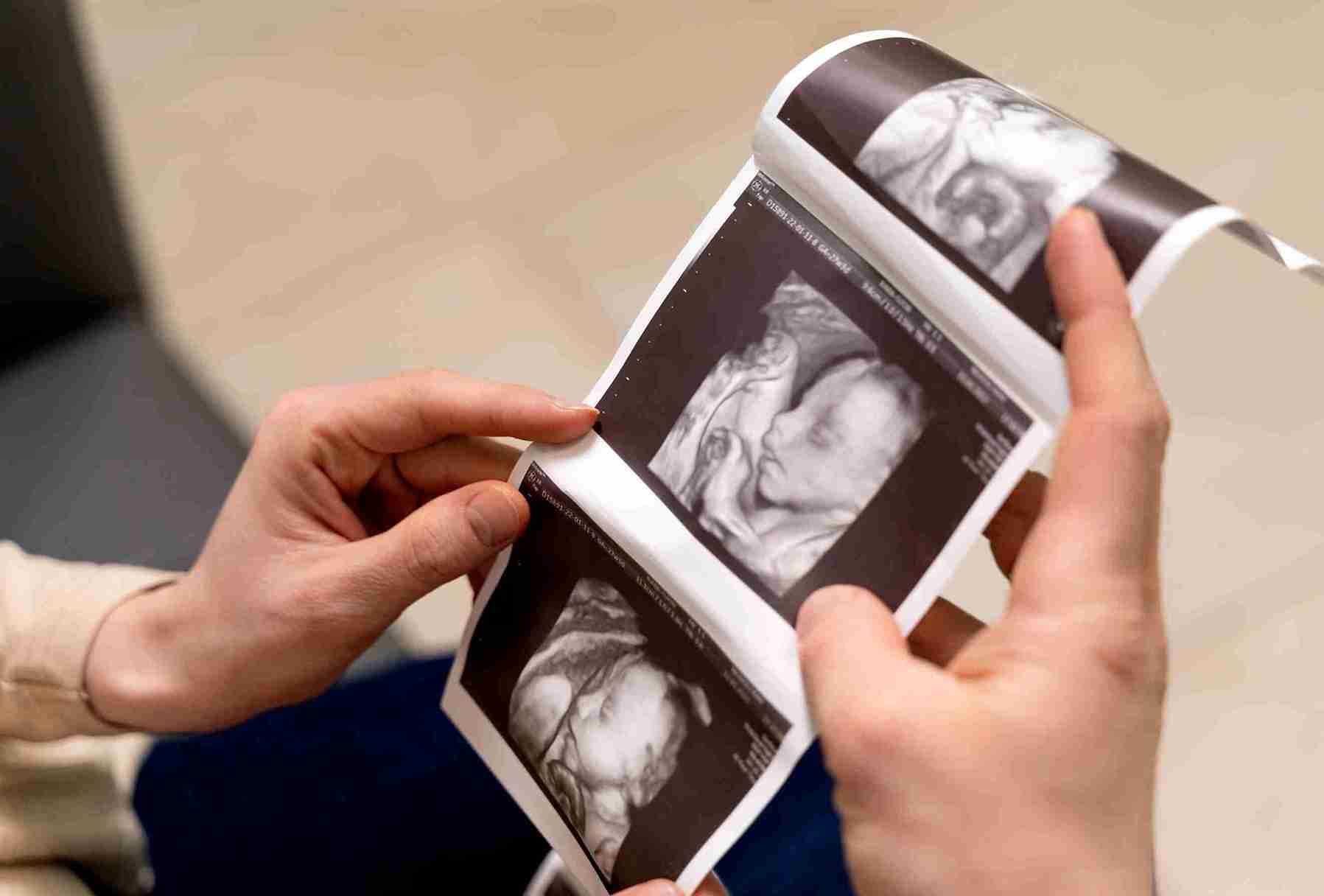
Understanding the purpose of each scan can help expectant parents feel more relaxed and informed:
Not every woman needs every pregnancy scan. Some scans are part of routine checkups and need to be done. Some are done for a specific reason. Your gynaecologist will plan your scan schedule based on how your pregnancy is progressing and how your body is handling it. Here are a few things that will be part of your doctor’s decision when deciding on your scans:
Mom-to-be’s health - if you have any conditions like diabetes, high blood pressure, thyroid or low BMI, you may need close monitoring and a few additional scans to do so.
Pregnancy history - if you had a miscarriage, a preterm delivery ot any complications in an earlier pregnancy, additional scans may be needed.
Other pregnancy risks - if you are having 2 or more babies, are at an older maternal age or any genetic conditions running in the family, the scan plan may be different.
Any foetal growth parameters or ultrasound findings - if the scan shows that the amniotic fluid, baby’s growth, or the placenta is abnormal, the doctor may request repeat scans at certain intervals.
So if a friend had six scans and you have been advised three, it does not mean anything is wrong. Fewer scans usually means your pregnancy is progressing as expected.
A pregnancy ultrasound is simple and painless. Here is what you need to know before you go for it:
No, fasting is not required. You can eat and drink as you normally would on the day of your appointment. Fasting is usually only required for scans of the upper abdomen, such as the liver or gallbladder, which is different from a routine pregnancy scan. Preparation can still vary depending on the type of scan and the centre you visit, so always follow the instructions given to you when you book your appointment.

Sometimes, yes. For certain early pregnancy scans done through the abdomen, usually in the first trimester, you may be asked to come with a full bladder. A full bladder gently pushes the intestines out of the way and gives a clearer view of the uterus. In such cases, you will be told how much water to drink and when.
For scans done later in pregnancy, a full bladder is generally not needed, as the growing uterus is already easy to see. A full bladder is also not required for a transvaginal scan. If holding your bladder becomes uncomfortable at any point, do tell the sonographer.
Always wear something comfortable and loose for easy access to your abdomen. A loose kurta, a two-piece salwar kameez, or a top and pants that can be lifted or lowered easily work well. A one-piece dress or a tightly draped saree may need to be changed before the scan. Avoid heavy jewellery around your waist, and carry a stole or dupatta if you would like extra cover.
Most pregnancy ultrasounds take between 15-45 minutes. A quick dating scan or a growth scan may be over in 15-20 minutes, while a detailed anomaly scan takes longer because every organ and body part of the baby has to be checked carefully.
The scan can also take more time if your baby is lying in an awkward position. You may be asked to walk around for a few minutes or shift on your side so the baby moves. This is completely normal and is not a sign of any problem.
Carrying the right papers saves time and helps your doctor read the new scan in context. Your previous scan reports, any relevant medical records, your doctor's prescription, a list of medicines you are currently taking along with your ID and insurance details.
At Cloudnine, the emphasis is not just on carrying out scans. Our latest technology and skilled team of obstetricians mean that every scan is accurate and insightful. We offer clear explanations, individual counselling, and follow-up plans specific to each pregnancy.
From the dating scan in the beginning to high-tech 3D/4D imaging, Cloudnine emphasises medical accuracy so that parents feel well supported and reassured through their pregnancy journey.
Accessing a comprehensive scanning schedule while pregnant is valuable for a smoother journey to track fetal growth and catch abnormalities early for a better pregnancy outcome.
Adopting a structured week-by-week scan plan, Indian expectant parents can remain updated, reassured, and proactive about their baby's health.
Having regular antenatal visits and timely scans in a safe healthcare setting, such as Cloudnine, provides comfort and helps with planning in the event of any needed intervention.


Generally, 6–8 scans are suggested, but this can depend on individual medical requirements.
The anomaly scan is vital as it assesses fetal anatomy and identifies structural abnormalities.
No, while scans detect many, they do not detect all birth defects; furthermore, some conditions may require additional testing or genetic screening.
Yes, having a growth or Doppler scan in the third trimester is essential to monitor fetal growth and placental activity.


 Best Gynecologists in Bellandur Best Gynecologists in Electronic City Best Gynecologists in HRBR LayoutBest Gynecologists in Jayanagar Best Gynecologists in Kanakapura RoadBest Gynecologists in Malleswaram Best Gynecologists in Nagarbhavi Best Gynecologists in Old Airport RoadBest Gynecologists in Sahakarnagar Best Gynecologists in Sarjapur RoadBest Gynecologists in ThanisandraBest Gynecologists in Varthur RoadBest Gynecologists in Whitefield Best Gynecologists in Industrial Area Phase IIBest Gynecologists in OMRBest Gynecologists in T NagarBest Gynecologists in New Industrial TownBest Gynecologists in IndirapuramBest Gynecologists in Golf Course RoadBest Gynecologists in Sector 14Best Gynecologists in Sector 47Best Gynecologists in Banjara HillsBest Gynecologists in GachibowliBest Gynecologists in Hitech CityBest Gynecologists in KompallyBest Gynecologists in Jawahar NagarBest Gynecologists in Gomti NagarBest Gynecologists in Phase 3, Sector 58Best Gynecologists in MaladBest Gynecologists in NerulBest Gynecologists in VashiBest Gynecologists in Kailash ColonyBest Gynecologists in PatparganjBest Gynecologists in Punjabi BaghBest Gynecologists in RohiniBest Gynecologists in VikaspuriBest Gynecologists in Gaur CityBest Gynecologists in Pari ChowkBest Gynecologists in Sector 51Best Gynecologists in Sector 5 Swastik ViharBest Gynecologists in Kalyani NagarBest Gynecologists in SB RoadBest Gynecologists in Pimple SaudagarBest Pediatricians in BellandurBest Pediatricians in Electronic CityBest Pediatricians in HRBR LayoutBest Pediatricians in JayanagarBest Pediatricians in Kanakapura RoadBest Pediatricians in MalleswaramBest Pediatricians in NagarbhaviBest Pediatricians in Old Airport RoadBest Pediatricians in SahakarnagarBest Pediatricians in Sarjapur RoadBest Pediatricians in ThanisandraBest Pediatricians in Varthur RoadBest Pediatricians in WhitefieldBest Pediatricians in Industrial Area Phase IIBest Pediatricians in OMRBest Pediatricians in T NagarBest Pediatricians in New Industrial TownshipBest Pediatricians in IndirapuramBest Pediatricians in Golf Course RoadBest Pediatricians in Sector 14Best Pediatricians in Sector 47Best Pediatricians in Hitech CityBest Pediatricians in Banjara HillsBest Pediatricians in GachibowliBest Pediatricians in KompallyBest Pediatricians in Jawahar NagarBest Pediatricians in Gomti NagarBest Pediatricians in Phase 3, Sector 58Best Pediatricians in MaladBest Pediatricians in NerulBest Pediatricians in VashiBest Pediatricians in Kailash ColonyBest Pediatricians in PatparganjBest Pediatricians in Punjabi BaghBest Pediatricians in RohiniBest Pediatricians in VikaspuriBest Pediatricians in Gaur CityBest Pediatricians in Pari ChowkBest Pediatricians in Sector 51Best Pediatricians in Sector 5 Swastik ViharBest Pediatricians in Kalyani NagarBest Pediatricians in SB RoadBest Pediatricians in Pimple Saudagar


