





The double marker test is a prenatal blood test that helps detect chromosomal abnormalities such as Down syndrome and trisomy 18 in the developing baby. The double marker test during pregnancy is very important to get authentic and reliable results. It is usually done between the 10th and 13th weeks of pregnancy; this coincides with the first-trimester screening.
It is considered an ideal window because the measurements of β-hCG and PAPP-A are highest and most informative during that time. If the test is done too early, below the 10th week, results can be inconclusive due to the fact that the fetus and placenta are still developing. Taking it after the 13th week already decreases accuracy, as the hormone levels start fluctuating due to the progression of pregnancy.
It is, therefore, very important to listen to your doctor's advice on the right timing so that the outcome of the screening is as clear and accurate as possible.

The best time for a double marker test is usually between 11 and 13 weeks of pregnancy. This period gives the most accurate details when combined with an NT, or Nuchal Translucency, scan, an ultrasound used to measure the thickness of the fluid at the back of a baby's neck. These two combined tests give a more complete assessment of chromosomal risks.
The exact date of this test depends on the doctor's decision in accordance with your pregnancy week, health condition, and the results of an early ultrasound. Carrying out both the blood test and the NT scan within the given timeframe helps give a clearer understanding of the baby's genetic health.
Hence, this period of the early second trimester should be your target as you estimate time for your double marker test for the most accurate and meaningful results.
The Double Marker Test is relatively simple and non-invasive. Here's what typically occurs:
Your doctor will review the report in conjunction with your NT scan and other parameters like age, weight, and gestational age to calculate your baby's risk level for chromosomal abnormalities.
The results of the Double Marker Test are reported as both numerical values (levels of β-hCG and PAPP-A) and a risk ratio: for example, 1:10,000 (low risk) or 1:100 (high risk).
Here's how to interpret them in simple terms:
This ratio is very small, reflecting that chromosomal abnormalities are very unlikely, and therefore, indicating healthy fetal development.
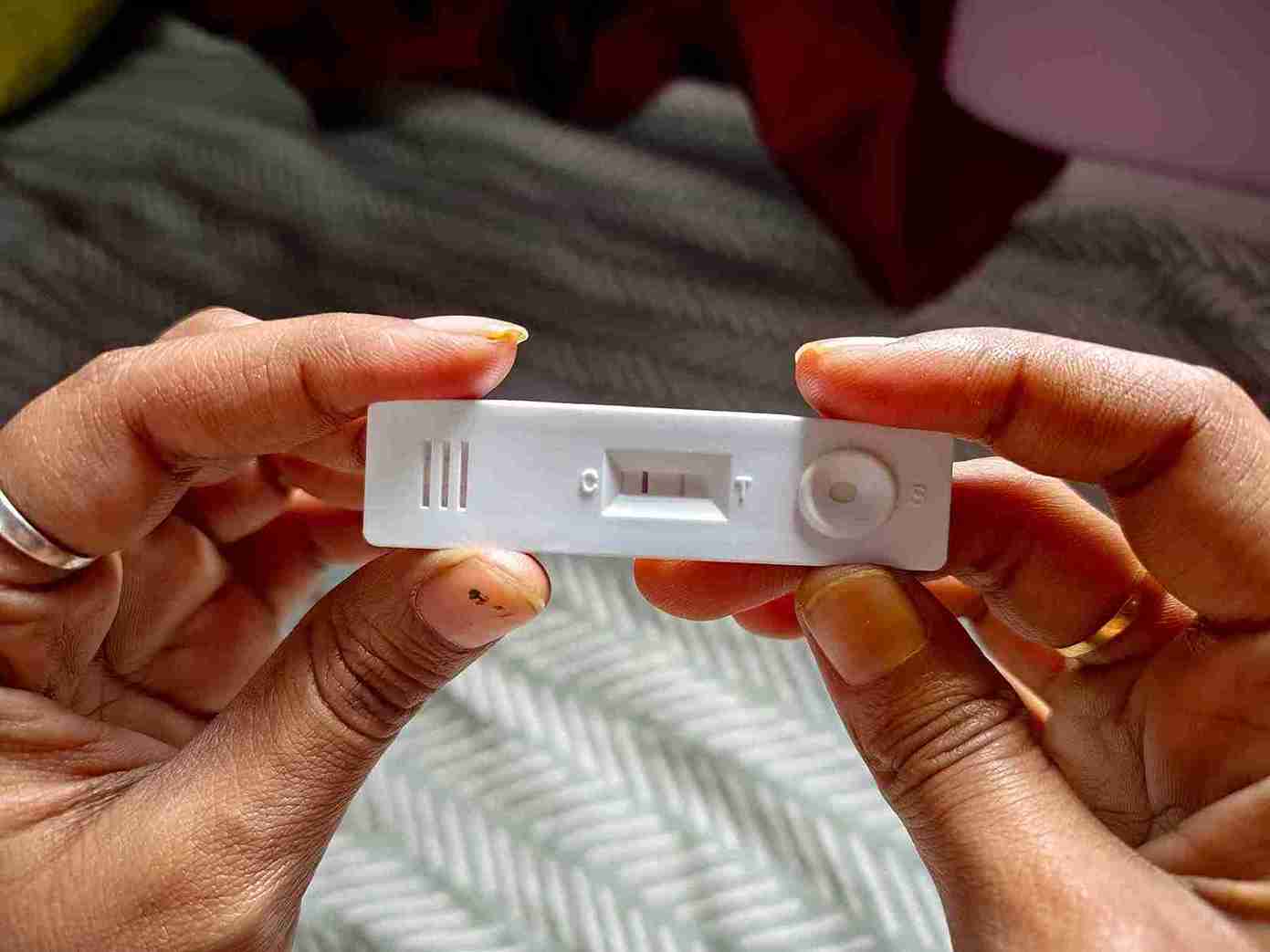
This means there is a higher chance of a genetic problem, such as Down syndrome or Edwards syndrome.
Remember, this is a screening test. A "high-risk" result does not diagnose an abnormality, but it does suggest that additional testing is recommended. Your doctor may recommend NIPT, amniocentesis, or chorionic villus sampling (CVS) to confirm the findings.
In most instances, a low-risk result is reassuring, whereas a high-risk result enables doctors to closely monitor the further course of pregnancy and plan the next steps with precision.
Benefits:
Limitations:
If your results appear to indicate an increased risk, your doctor can recommend follow-up options, including Non-Invasive Prenatal Testing (NIPT), amniocentesis, or genetic counselling to better understand your baby's health.
What makes Cloudnine stand out is the way it melds medical excellence with personalised care. With a team that includes leading obstetricians, genetic counsellors, and fetal medicine specialists, Cloudnine ensures every stage of your pregnancy is supported with the highest level of expertise. The centre offers advanced prenatal screenings, including the Double Marker Test, NT scans, and genetic counselling, under one roof. Beyond technology, Cloudnine promises empathy, safety, and comfort to make every parent confident and cared for from the first trimester until delivery.

The double marker test time in pregnancy is an essential part of early pregnancy screening, which safely and efficiently assesses the chromosomal health of your baby. Being informed about the time for the double marker test, ideally between 11 and 13 weeks-ensures accurate and informative results. It may not provide a sure diagnosis, but it gives peace of mind and allows doctors to take timely action when required. Guided by experts at Cloudnine, every expecting parent can face this aspect with confidence, knowing they are in the best hands, both for care and clarity.

The double marker test screens for chromosomal abnormalities such as Down syndrome and Edwards syndrome by measuring the levels of β-hCG and PAPP-A in the mother's blood.
A "positive" or "high-risk" result does not diagnose a problem but indicates the need for further diagnostic testing, such as NIPT, amniocentesis, or CVS.
It is not compulsory, but it is highly recommended for all pregnant women, especially those above 35 years and those with a family history of genetic problems. It provides information about the health of the baby in early pregnancy.
No, it's not 100% accurate, as this is only a screening test. However, when combined with the NT scan, it does give a pretty good indication of chromosomal risks. Other diagnostic testing may be needed for confirmation.


 Best Gynecologists in Bellandur Best Gynecologists in Electronic City Best Gynecologists in HRBR LayoutBest Gynecologists in Jayanagar Best Gynecologists in Kanakapura RoadBest Gynecologists in Malleswaram Best Gynecologists in Nagarbhavi Best Gynecologists in Old Airport RoadBest Gynecologists in Sahakarnagar Best Gynecologists in Sarjapur RoadBest Gynecologists in ThanisandraBest Gynecologists in Varthur RoadBest Gynecologists in Whitefield Best Gynecologists in Industrial Area Phase IIBest Gynecologists in OMRBest Gynecologists in T NagarBest Gynecologists in New Industrial TownBest Gynecologists in IndirapuramBest Gynecologists in Golf Course RoadBest Gynecologists in Sector 14Best Gynecologists in Sector 47Best Gynecologists in Banjara HillsBest Gynecologists in GachibowliBest Gynecologists in Hitech CityBest Gynecologists in KompallyBest Gynecologists in Gomti NagarBest Gynecologists in MaladBest Gynecologists in NerulBest Gynecologists in VashiBest Gynecologists in Kailash ColonyBest Gynecologists in PatparganjBest Gynecologists in Punjabi BaghBest Gynecologists in VikaspuriBest Gynecologists in Gaur CityBest Gynecologists in Pari ChowkBest Gynecologists in Sector 51Best Gynecologists in Sector 5 Swastik ViharBest Gynecologists in Kalyani NagarBest Gynecologists in SB RoadBest Gynecologists in Pimple SaudagarBest Pediatricians in BellandurBest Pediatricians in Electronic CityBest Pediatricians in HRBR LayoutBest Pediatricians in JayanagarBest Pediatricians in Kanakapura RoadBest Pediatricians in MalleswaramBest Pediatricians in NagarbhaviBest Pediatricians in Old Airport RoadBest Pediatricians in SahakarnagarBest Pediatricians in Sarjapur RoadBest Pediatricians in ThanisandraBest Pediatricians in Varthur RoadBest Pediatricians in WhitefieldBest Pediatricians in Industrial Area Phase IIBest Pediatricians in OMRBest Pediatricians in T NagarBest Pediatricians in New Industrial TownshipBest Pediatricians in IndirapuramBest Pediatricians in Golf Course RoadBest Pediatricians in Sector 14Best Pediatricians in Sector 47Best Pediatricians in Hitech CityBest Pediatricians in Banjara HillsBest Pediatricians in GachibowliBest Pediatricians in KompallyBest Pediatricians in Gomti NagarBest Pediatricians in MaladBest Pediatricians in NerulBest Pediatricians in VashiBest Pediatricians in Kailash ColonyBest Pediatricians in PatparganjBest Pediatricians in Punjabi BaghBest Pediatricians in VikaspuriBest Pediatricians in Gaur CityBest Pediatricians in Pari ChowkBest Pediatricians in Sector 51Best Pediatricians in Sector 5 Swastik ViharBest Pediatricians in Kalyani NagarBest Pediatricians in SB RoadBest Pediatricians in Pimple Saudagar


