
Children tend to get sick very often when they attend day care. A child who hardly caught a cold while they were at home suddenly seems to have a cold almost all the time after starting day care. Why does this happen, and how can you protect your child from such frequent infections?

Kids at day care are very young. Their immune systems are still immature and have had very little exposure to various germs. These kids are also new to having friends of the same age, sharing things with other children, and being away from home.
When such young children get together and have new toys to share, they tend to be in very close quarters, touch everything with unwashed hands, and not follow basic hygiene practices. With a weak immune system that does not know how to fight most of the germs it encounters, along with poor hygiene practices, children tend to fall sick frequently once they start going to day care.
Children have smaller bodies that are more easily impacted by infections than adults. The small noses get stuffy more quickly and take time to recover. Similarly, their lungs struggle more when they have a cough or the flu.
Have you noticed how even one sick child in day care can lead to many children falling sick the very next day? One day, they are all healthy, and the next day, many of them need medication. Here are some common reasons why germs spread very easily in a day care –
1. Shared toys – Children tend to touch toys with their hands after wiping their noses or mouths. Small children cough and sneeze on toys and other surfaces, and when other children touch these droplets, the germs spread easily.
2. Close quarters – Children interact constantly in day care. They don’t have any specific groups and are not aware of maintaining distance. When they stand or sit very close to one another while playing, the airborne germs spread very easily.
3. Touching hands & mouth – Young children constantly put their hands into their mouths after touching. In this process, they transfer the germs from the surface to their bodies. They also transfer viruses and other germs from their bodies to various surfaces, where other children can be exposed to them.
4. No hygiene – Small children cannot consistently follow effective hygiene practices yet. While some children understand the need to wash their hands with soap, cover their mouths, or refrain from sharing cutlery, not all kids do. So even if one child with a mild infection fails to follow hygiene practices, they can spread the infection to others. With young children, maintaining proper hygiene is a tough challenge for teachers and caretakers in day care.
5. Share beds – In most day care centres, children nap. Some may have beds, while others have just mats. These mats or beds are not dedicated to a single child, so a different child sleeps on them each day. This makes it easier for infections spread between children.
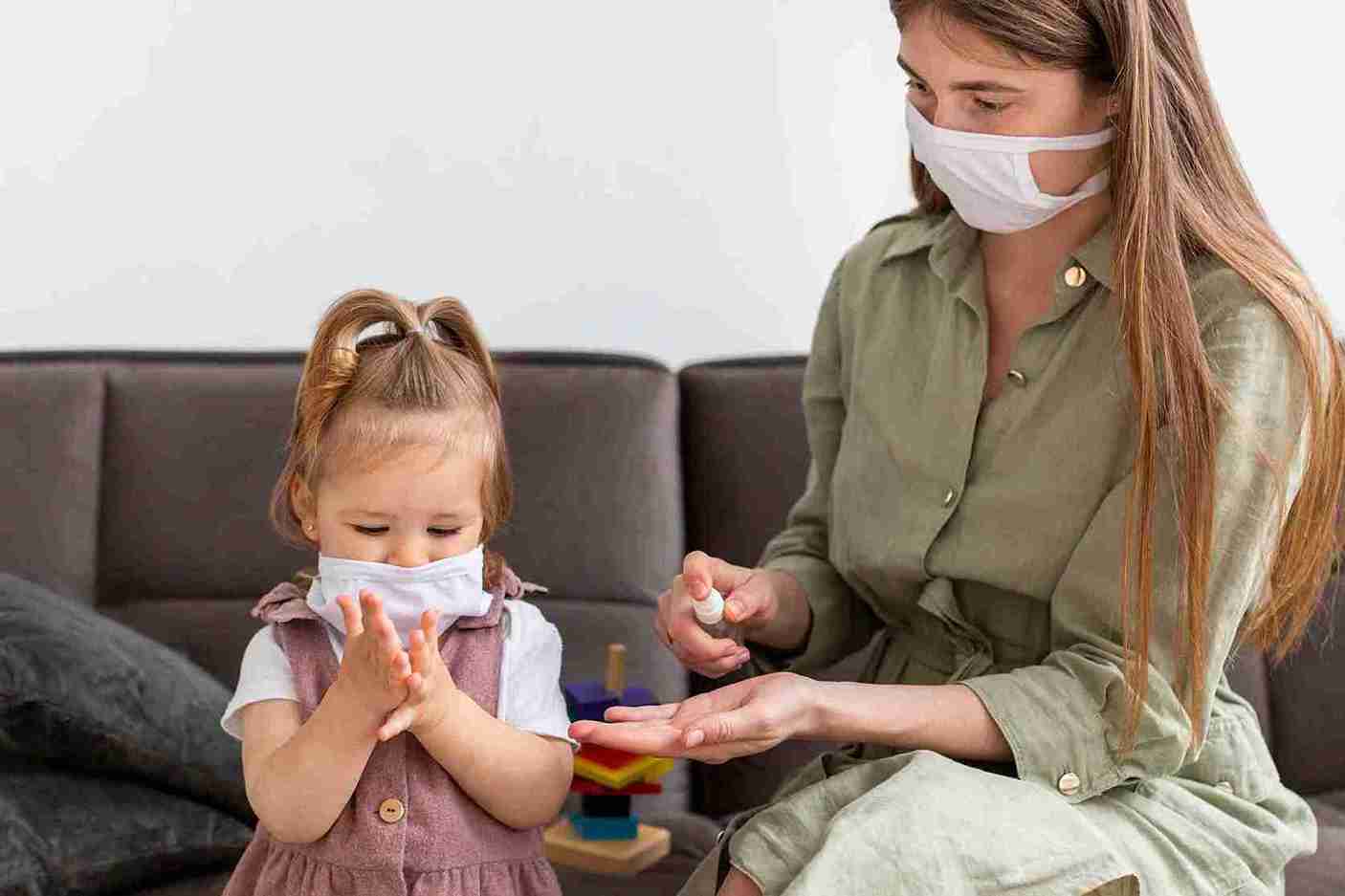
If you are a parent or a caregiver, here is what you can do to protect the child from contracting infections at day care –
1. Teach hygiene practices – Children need to be taught hygiene practices repeatedly. Small children don’t remember much and are always distracted. You need to repeat it a few times before they can commit the advice to memory. Keep reminding your child to wash their hands with soap and water after coming back home or before a meal.
2. Promote healthy habits – Cultivate healthy habits in children from a young age. Encourage them to eat nutritious foods, sleep well, and drink plenty of water. When they nourish their bodies from within and build immunity, they will fall sick less often.
3. Check day care policies thoroughly – Before you enrol your child in a day care, check their policies regarding cleaning and maintenance. Check reviews, get feedback from other parents, and enquire about how safe the environment is and what the day care does if a child falls sick. Prevention is the best approach, and it is up to the day care to enforce policies that reduce the spread of infections within their premises.
4. Keep sick kids back home – Sending your child off to day care gives you time to go to work, complete tasks, or handle pending chores at home. However, if your child is sick, even if it is just a common cold, keep them home. Refrain from sending them to the day care as other children can get infected and fall sick. This can become a cyclical issue, as germs will keep travelling from one child to another unless sick children are kept away from healthy ones.
5. Get Vaccinated – Ensure your child’s vaccinations are up to date. As they start day care, their exposure to germs and harmful pathogens increases. Vaccinations help protect children from severe infections, which can become very serious owing to their weak immune systems.
Parents tend to worry the minute their child gets sick, but doctors keep reassuring them that it is quite normal and there is nothing to panic about. Here is when parents should start worrying about their kids falling sick because of day care –
● If your child has more than 12 respiratory infections in a year, consult a doctor right away.
● Fever that lasts more than 24 hours.
● Frequent vomiting – more than twice in 24 hours.
● Their diarrhoea is frequent and even leaks out of the nappy
● They have severe abdominal pain
● Symptoms of hand, foot, and mouth disease (mouth sores causing drooling)
● Another child has a confirmed case of contagious infection like COVID or chickenpox.

Kids falling sick frequently when they start going to day care is very common and nothing to worry about. If your child is suffering from frequent infections that seem to be affecting their growth and development, consult your paediatrician and decide whether to give them a break from day care or continue.

The day care does not have any direct impact on the immune system. When a child starts going to day care, they are exposed to various germs and infections from other children. Since their immune systems are immature, they get infected easily. Repeated infections and exposure help strengthen the immune system over time.
The common cold can last about 7–10 days, hand, foot, and mouth disease can last about 10 days, stomach bugs can cause vomiting for about 2 days and diarrhoea for up to a week. The flu can last about 4 days in children.
Infections like the common cold, cough, flu, stomach bug, and hand, foot, and mouth disease are very common in day care. Ear infections, eye infections, lice, ringworm and gastrointestinal illnesses are also common in day care settings.
The germs are not necessarily different but are more frequent and tend to last a little longer in day care settings. This is mainly due to the weak and immature immune systems of children who spend a lot of time in close quarters, causing infections to spread easily from onechild to another.







 Best Gynecologists in Bellandur Best Gynecologists in Electronic City Best Gynecologists in HRBR LayoutBest Gynecologists in Jayanagar Best Gynecologists in Kanakapura RoadBest Gynecologists in Malleswaram Best Gynecologists in Nagarbhavi Best Gynecologists in Old Airport RoadBest Gynecologists in Sahakarnagar Best Gynecologists in Sarjapur RoadBest Gynecologists in ThanisandraBest Gynecologists in Varthur RoadBest Gynecologists in Whitefield Best Gynecologists in Industrial Area Phase IIBest Gynecologists in OMRBest Gynecologists in T NagarBest Gynecologists in New Industrial TownBest Gynecologists in IndirapuramBest Gynecologists in Golf Course RoadBest Gynecologists in Sector 14Best Gynecologists in Sector 47Best Gynecologists in Banjara HillsBest Gynecologists in GachibowliBest Gynecologists in Hitech CityBest Gynecologists in KompallyBest Gynecologists in Gomti NagarBest Gynecologists in MaladBest Gynecologists in NerulBest Gynecologists in VashiBest Gynecologists in Kailash ColonyBest Gynecologists in PatparganjBest Gynecologists in Punjabi BaghBest Gynecologists in VikaspuriBest Gynecologists in Gaur CityBest Gynecologists in Pari ChowkBest Gynecologists in Sector 51Best Gynecologists in Sector 5 Swastik ViharBest Gynecologists in Kalyani NagarBest Gynecologists in SB RoadBest Gynecologists in Pimple SaudagarBest Pediatricians in BellandurBest Pediatricians in Electronic CityBest Pediatricians in HRBR LayoutBest Pediatricians in JayanagarBest Pediatricians in Kanakapura RoadBest Pediatricians in MalleswaramBest Pediatricians in NagarbhaviBest Pediatricians in Old Airport RoadBest Pediatricians in SahakarnagarBest Pediatricians in Sarjapur RoadBest Pediatricians in ThanisandraBest Pediatricians in Varthur RoadBest Pediatricians in WhitefieldBest Pediatricians in Industrial Area Phase IIBest Pediatricians in OMRBest Pediatricians in T NagarBest Pediatricians in New Industrial TownshipBest Pediatricians in IndirapuramBest Pediatricians in Golf Course RoadBest Pediatricians in Sector 14Best Pediatricians in Sector 47Best Pediatricians in Hitech CityBest Pediatricians in Banjara HillsBest Pediatricians in GachibowliBest Pediatricians in KompallyBest Pediatricians in Gomti NagarBest Pediatricians in MaladBest Pediatricians in NerulBest Pediatricians in VashiBest Pediatricians in Kailash ColonyBest Pediatricians in PatparganjBest Pediatricians in Punjabi BaghBest Pediatricians in VikaspuriBest Pediatricians in Gaur CityBest Pediatricians in Pari ChowkBest Pediatricians in Sector 51Best Pediatricians in Sector 5 Swastik ViharBest Pediatricians in Kalyani NagarBest Pediatricians in SB RoadBest Pediatricians in Pimple Saudagar


