
What is Pelvic Inflammatory Disease?
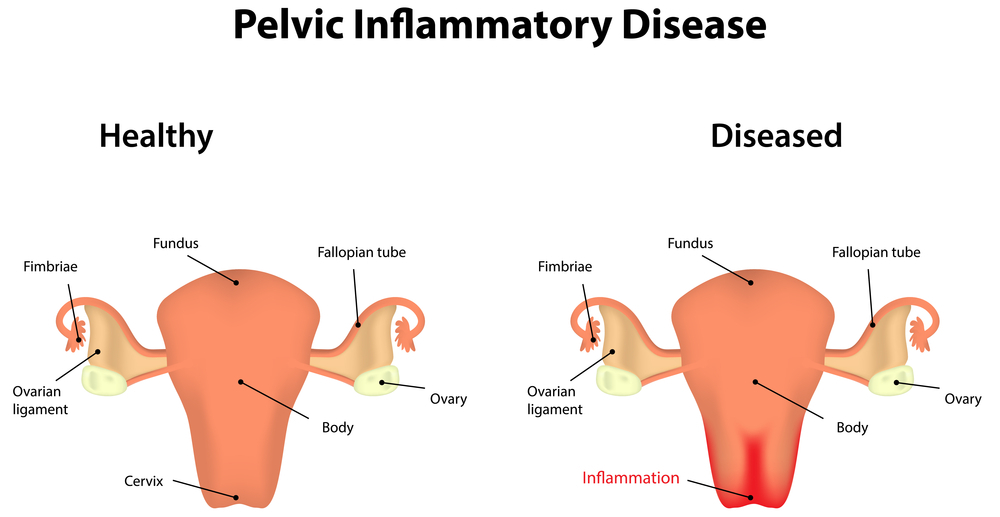
PID is an infection of the organs of the female reproductive system. It usually occurs due to some STDs, such as chlamydia or gonorrhea. The bacteria spread from the woman’s vagina to her pelvic organs which are in the lower abdomen, including the uterus, ovaries, fallopian tubes, and cervix.
Book an Appointment with Dr Neeru Mehra for Gynecology related concerns.
To stay on the safer side, you must always be open about your sexual activities with your doctor, especially if you’re worried about having any STDs or STIs. If you get PID once, there are high chances you may get it again if you stay ignorant.
Common ways to reduce the risk:
The symptoms for PID are usually very subtle, some women may also be asymptomatic. Resulting, women may not even know they have the disease until they are facing trouble while trying to conceive.
Common symptoms for PID:
The disease may get serious if avoided, as the infection may spread to the bloodstream, and may also reduce your chances to get pregnant. If you feel like you may have any of the above signs or symptoms, it is best to visit your Gynaecologist immediately.

It is best to get treated immediately, as the longer you wait, there may be more complications. If you have any signs of an STI and get help soon, you can avoid the chances of getting PID. Focusing on the positive note, Pelvic Inflammatory Disease can be cured if it has been detected in an early stage. Remember to always stay safe, and prioritize your health!
Want to consult the best gynecologists in India? Please find the links below.
Want to consult the best Maternity Packages in India? Please find the links below.

"Six common symptoms of PID include: 1) Lower abdominal pain 2) Unusual vaginal discharge 3) Painful urination 4) Painful intercourse 5) Fever, and 6) Irregular bleeding. However, PID symptoms are usually subtle, and some women may be asymptomatic, not knowing they have the disease until facing conception troubles."
PID is caused by infection of the female reproductive organs, usually from sexually transmitted diseases (STDs) like chlamydia or gonorrhea. Bacteria spread from a woman's vagina to pelvic organs in the lower abdomen, including the uterus, ovaries, fallopian tubes and cervix. It can occur after getting STIs if not treated promptly.
Yes, Pelvic Inflammatory Disease can be cured if detected in an early stage. It's best to get treated immediately, as waiting longer may cause more complications. Getting help soon after signs of an STI can help avoid the chances of getting PID. Early detection and treatment are crucial for a permanent cure.
Having STDs/STIs, particularly chlamydia or gonorrhea, multiple sexual partners, douching, and a recent insertion of an intrauterine device (IUD) increases the risk for PID. Once you get PID, there is a high chance of getting it again if you remain unaware. Being open about sexual activities with doctors helps prevent.







 Best Gynecologists in Bellandur Best Gynecologists in Electronic City Best Gynecologists in HRBR LayoutBest Gynecologists in Jayanagar Best Gynecologists in Kanakapura RoadBest Gynecologists in Malleswaram Best Gynecologists in Nagarbhavi Best Gynecologists in Old Airport RoadBest Gynecologists in Sahakarnagar Best Gynecologists in Sarjapur RoadBest Gynecologists in ThanisandraBest Gynecologists in Varthur RoadBest Gynecologists in Whitefield Best Gynecologists in Industrial Area Phase IIBest Gynecologists in OMRBest Gynecologists in T NagarBest Gynecologists in New Industrial TownBest Gynecologists in IndirapuramBest Gynecologists in Golf Course RoadBest Gynecologists in Sector 14Best Gynecologists in Sector 47Best Gynecologists in Banjara HillsBest Gynecologists in GachibowliBest Gynecologists in Hitech CityBest Gynecologists in KompallyBest Gynecologists in Gomti NagarBest Gynecologists in MaladBest Gynecologists in NerulBest Gynecologists in VashiBest Gynecologists in Kailash ColonyBest Gynecologists in PatparganjBest Gynecologists in Punjabi BaghBest Gynecologists in VikaspuriBest Gynecologists in Gaur CityBest Gynecologists in Pari ChowkBest Gynecologists in Sector 51Best Gynecologists in Sector 5 Swastik ViharBest Gynecologists in Kalyani NagarBest Gynecologists in SB RoadBest Gynecologists in Pimple SaudagarBest Pediatricians in BellandurBest Pediatricians in Electronic CityBest Pediatricians in HRBR LayoutBest Pediatricians in JayanagarBest Pediatricians in Kanakapura RoadBest Pediatricians in MalleswaramBest Pediatricians in NagarbhaviBest Pediatricians in Old Airport RoadBest Pediatricians in SahakarnagarBest Pediatricians in Sarjapur RoadBest Pediatricians in ThanisandraBest Pediatricians in Varthur RoadBest Pediatricians in WhitefieldBest Pediatricians in Industrial Area Phase IIBest Pediatricians in OMRBest Pediatricians in T NagarBest Pediatricians in New Industrial TownshipBest Pediatricians in IndirapuramBest Pediatricians in Golf Course RoadBest Pediatricians in Sector 14Best Pediatricians in Sector 47Best Pediatricians in Hitech CityBest Pediatricians in Banjara HillsBest Pediatricians in GachibowliBest Pediatricians in KompallyBest Pediatricians in Gomti NagarBest Pediatricians in MaladBest Pediatricians in NerulBest Pediatricians in VashiBest Pediatricians in Kailash ColonyBest Pediatricians in PatparganjBest Pediatricians in Punjabi BaghBest Pediatricians in VikaspuriBest Pediatricians in Gaur CityBest Pediatricians in Pari ChowkBest Pediatricians in Sector 51Best Pediatricians in Sector 5 Swastik ViharBest Pediatricians in Kalyani NagarBest Pediatricians in SB RoadBest Pediatricians in Pimple Saudagar


