





Even before a baby utters their first word or takes their first step, their brain is developing at a remarkable rate. In fact, some of the most important changes happen during the first 1,000 days - from conception until a child's second birthday.
This period is often called a "window of opportunity" because nutrition during these early months and years helps build the foundation for learning, memory, language and emotional development. The good news is that supporting healthy brain development doesn't require special diets or expensive foods. Small, consistent choices made during pregnancy and early childhood can make a lasting difference.
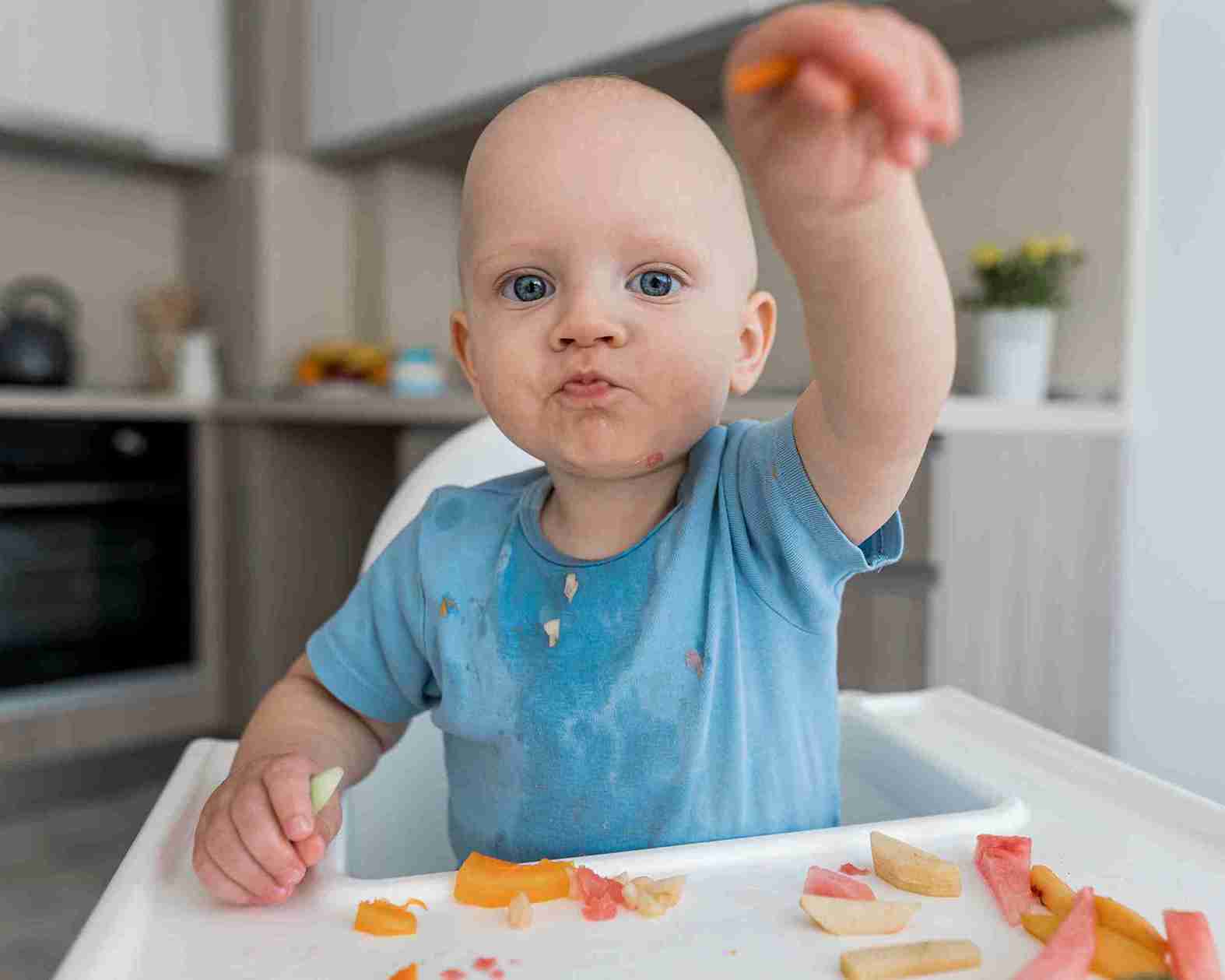
So, what exactly does first 1000 days nutrition include? They are the period from pregnancy until a child's second birthday. During this time, the brain forms millions of connections that influence how a child learns, communicates and interacts with the world.
Brain growth is most rapid during these early stages. While development continues throughout childhood, these first 1,000 days provide the foundation on which future learning and behaviour are built.
That is why nutrition during this phase matters so much. It supplies the building blocks the developing brain needs to grow and function well.
Many parents believe that feeding their baby becomes important only after birth. But brain development in babies begins much earlier.
During pregnancy, the baby's brain begins to develop in the first few weeks and continues throughout all three trimesters. Nutrients supplied by the mother support the formation of brain cells, nerve connections, and the structures involved in memory, learning and vision.
Eating well during pregnancy doesn’t have to be perfect. When you're pregnant, it's important to aim for a balanced diet. This means your plate should have a little bit of everything. Eat foods like protein, whole grains, fruits and vegetables, dairy products, and healthy fats. These give you and your baby the nutrients you need. Your doctor may also prescribe supplements to help you get the nutrients you need if you are not getting enough from the food you eat.
In other words, nutrition during pregnancy isn't just about supporting growth. It's also laying the groundwork for child brain development long before birth.
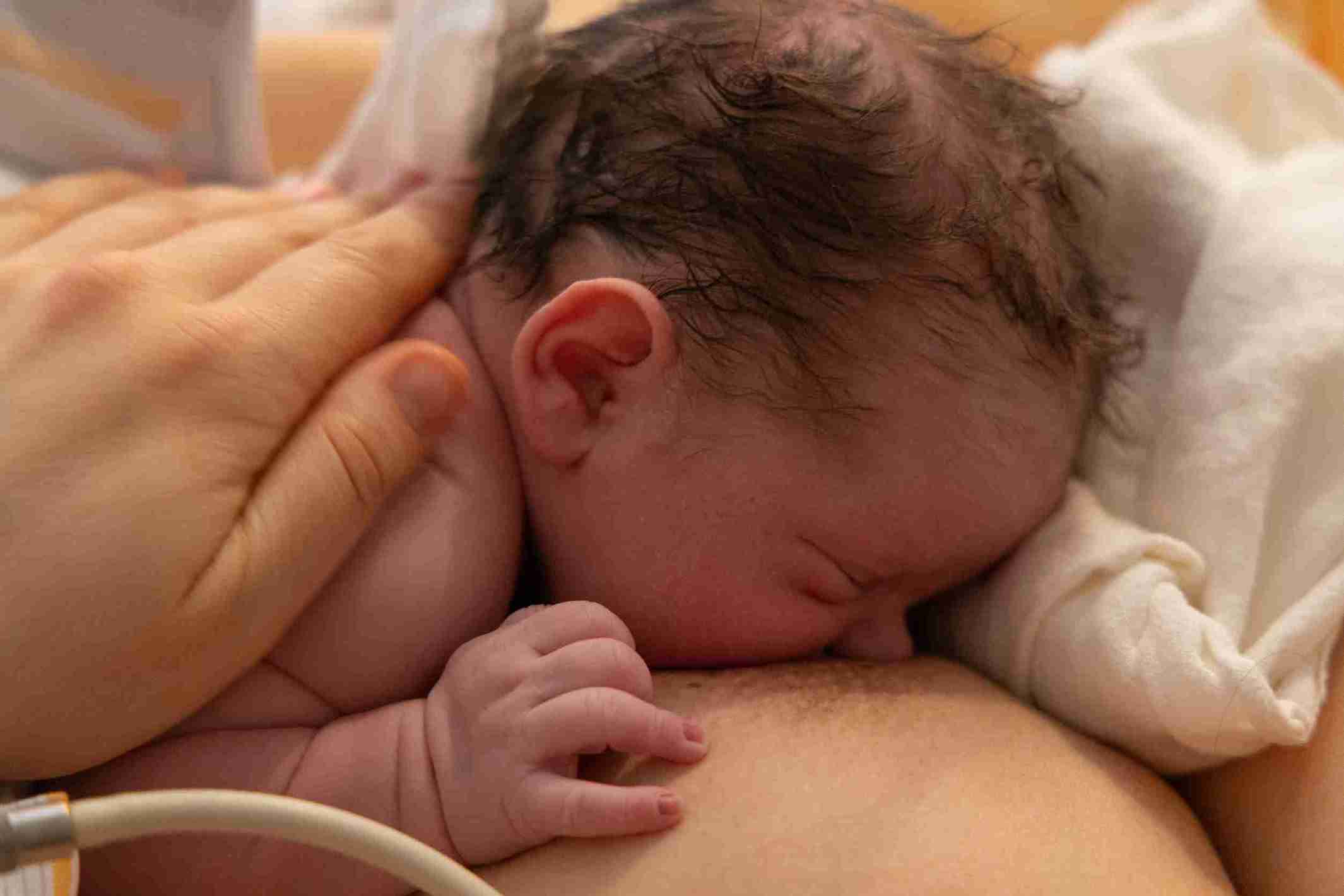
Birth isn't the end of brain development — it's just the beginning.
The first year of life is marked by remarkable changes. Babies begin recognising faces, responding to voices, developing language, and exploring the world around them. All of this depends, in part, on good infant nutrition.
Breastfeeding and Early Nutrition
Breast milk provides babies with energy and essential nutrients that help them grow and develop. It's best to breastfeed for the first six months if possible. Some babies might need formula feeding. Both options support healthy growth when given properly.
The Next Step: Complementary Feeding
Around six months, babies need more than breast milk or formula to grow. That’s when it’s time to start offering solid foods alongside breast milk or formula. This stage matters more than many parents realise.
Babies don't need fancy recipes or superfoods. What they need is variety.
Simple foods such as mashed fruits, vegetables, dals, eggs, curd, cereals, and iron-rich foods help provide the nutrients needed for continued brain development in babies.
Parents often ask whether there is one "brain food" that boosts intelligence.
Not really.
The developing brain depends on several nutrients working together.
Instead of fixating on single nutrients, it's more effective to prioritise a varied, balanced diet. A balanced diet usually does far more good than any single food or supplement.
A single meal won't determine how well a child performs in school. But nutrition during the first 1,000 days does influence the foundation on which future learning is built.
Studies suggest that good nutrition during early life supports:
Can the first 1000 days nutrition influence your child’s future learning and development?
Not directly in the sense of guaranteeing higher grades. But healthy nutrition helps build the brain structures and skills that children rely on as they grow and learn. In other words, nutrition doesn't determine a child's future. It helps create the conditions that allow them to thrive.
Parents often worry about whether they're doing enough. The truth is, healthy feeding habits matter more than perfection.
Some simple practices that support child brain development include:
Most importantly, remember that feeding is a journey. Appetite and food preferences change, and no child eats perfectly every day.
The first 1,000 days pass quickly, but the effects of nutrition during this period can last far beyond infancy.
Parents don't need expensive supplements, imported foods or perfect meal plans. What matters most is providing a balanced diet, introducing a variety of foods, and creating positive feeding experiences along the way.
Small choices, repeated consistently, often matter more than occasional attempts at perfection. And while nutrition is only one part of healthy development, it remains one of the most powerful ways to support a child's growing brain.

Want to consult the best gynecologists in India? Please find the links below.
Want to consult the best Maternity Packages in India? Please find the links below.

Early nutrition provides the building blocks needed for brain growth, memory, learning and attention. During the first 1,000 days, the brain develops rapidly, making adequate nutrition particularly important for cognitive development.
A mother's diet provides the nutrients needed for the formation of brain cells and neural connections. Healthy eating and recommended prenatal supplements help support fetal brain development throughout pregnancy.
Nutrition alone doesn't determine academic success, but it supports memory, attention, language development, and other skills that contribute to learning as children grow.
Exclusive breastfeeding for the first six months, where possible, timely introduction of complementary foods, offering a varied diet, including iron-rich foods, and encouraging positive mealtime experiences all support healthy brain development in infants and toddlers.


 Best Gynecologists in Bellandur Best Gynecologists in Electronic City Best Gynecologists in HRBR LayoutBest Gynecologists in Jayanagar Best Gynecologists in Kanakapura RoadBest Gynecologists in Malleswaram Best Gynecologists in Nagarbhavi Best Gynecologists in Old Airport RoadBest Gynecologists in Sahakarnagar Best Gynecologists in Sarjapur RoadBest Gynecologists in ThanisandraBest Gynecologists in Varthur RoadBest Gynecologists in Whitefield Best Gynecologists in Industrial Area Phase IIBest Gynecologists in OMRBest Gynecologists in T NagarBest Gynecologists in New Industrial TownBest Gynecologists in IndirapuramBest Gynecologists in Golf Course RoadBest Gynecologists in Sector 14Best Gynecologists in Sector 47Best Gynecologists in Banjara HillsBest Gynecologists in GachibowliBest Gynecologists in Hitech CityBest Gynecologists in KompallyBest Gynecologists in Gomti NagarBest Gynecologists in MaladBest Gynecologists in NerulBest Gynecologists in VashiBest Gynecologists in Kailash ColonyBest Gynecologists in PatparganjBest Gynecologists in Punjabi BaghBest Gynecologists in VikaspuriBest Gynecologists in Gaur CityBest Gynecologists in Pari ChowkBest Gynecologists in Sector 51Best Gynecologists in Sector 5 Swastik ViharBest Gynecologists in Kalyani NagarBest Gynecologists in SB RoadBest Gynecologists in Pimple SaudagarBest Pediatricians in BellandurBest Pediatricians in Electronic CityBest Pediatricians in HRBR LayoutBest Pediatricians in JayanagarBest Pediatricians in Kanakapura RoadBest Pediatricians in MalleswaramBest Pediatricians in NagarbhaviBest Pediatricians in Old Airport RoadBest Pediatricians in SahakarnagarBest Pediatricians in Sarjapur RoadBest Pediatricians in ThanisandraBest Pediatricians in Varthur RoadBest Pediatricians in WhitefieldBest Pediatricians in Industrial Area Phase IIBest Pediatricians in OMRBest Pediatricians in T NagarBest Pediatricians in New Industrial TownshipBest Pediatricians in IndirapuramBest Pediatricians in Golf Course RoadBest Pediatricians in Sector 14Best Pediatricians in Sector 47Best Pediatricians in Hitech CityBest Pediatricians in Banjara HillsBest Pediatricians in GachibowliBest Pediatricians in KompallyBest Pediatricians in Gomti NagarBest Pediatricians in MaladBest Pediatricians in NerulBest Pediatricians in VashiBest Pediatricians in Kailash ColonyBest Pediatricians in PatparganjBest Pediatricians in Punjabi BaghBest Pediatricians in VikaspuriBest Pediatricians in Gaur CityBest Pediatricians in Pari ChowkBest Pediatricians in Sector 51Best Pediatricians in Sector 5 Swastik ViharBest Pediatricians in Kalyani NagarBest Pediatricians in SB RoadBest Pediatricians in Pimple Saudagar


