
Trying to conceive may be an exhilarating experience, but it could pose numerous challenges to some couples. Although people usually concentrate on the issues of timing and good health, there are a lot of mistakes which have the potential to jeopardise a couple’s chances of conceiving. There are various mistakes couples tend to make during their attempts to conceive, and here are ten of them.

This is the most common and most impactful mistake. Many couples try on a fixed schedule or assume ovulation always happens on day 14 but this is only true for women with a perfect 28-day cycle. Cycles vary. A woman with a 32-day cycle ovulates around day 18. A woman with a 25-day cycle ovulates around day 11.
The fertile window is narrow, roughly five to six days ending on the day of ovulation. Missing it completely is entirely possible without tracking.
Useful ways to identify ovulation:
Many couples wait until they see the ovulation peak on a test before having intercourse. By then, it is sometimes already late. The egg survives for only 12 to 24 hours after release. Sperm, on the other hand, can survive in the female reproductive tract for up to five days.
This means the best approach is to start having intercourse two to three days before ovulation, not on the day itself. Having sex every one to two days during the fertile window rather than waiting for the exact peak covers the window more reliably.
Some couples swing to the other extreme like tracking every symptom, testing multiple times a day, scheduling sex to the hour. This level of pressure can make sex feel clinical and stressful, reduce libido for both partners, and add significant anxiety to what should be a natural process.
Getting pregnant requires frequency and reasonable timing. Having sex every two to three days throughout the cycle ensures the fertile window is covered without the pressure of pinpointing it exactly.

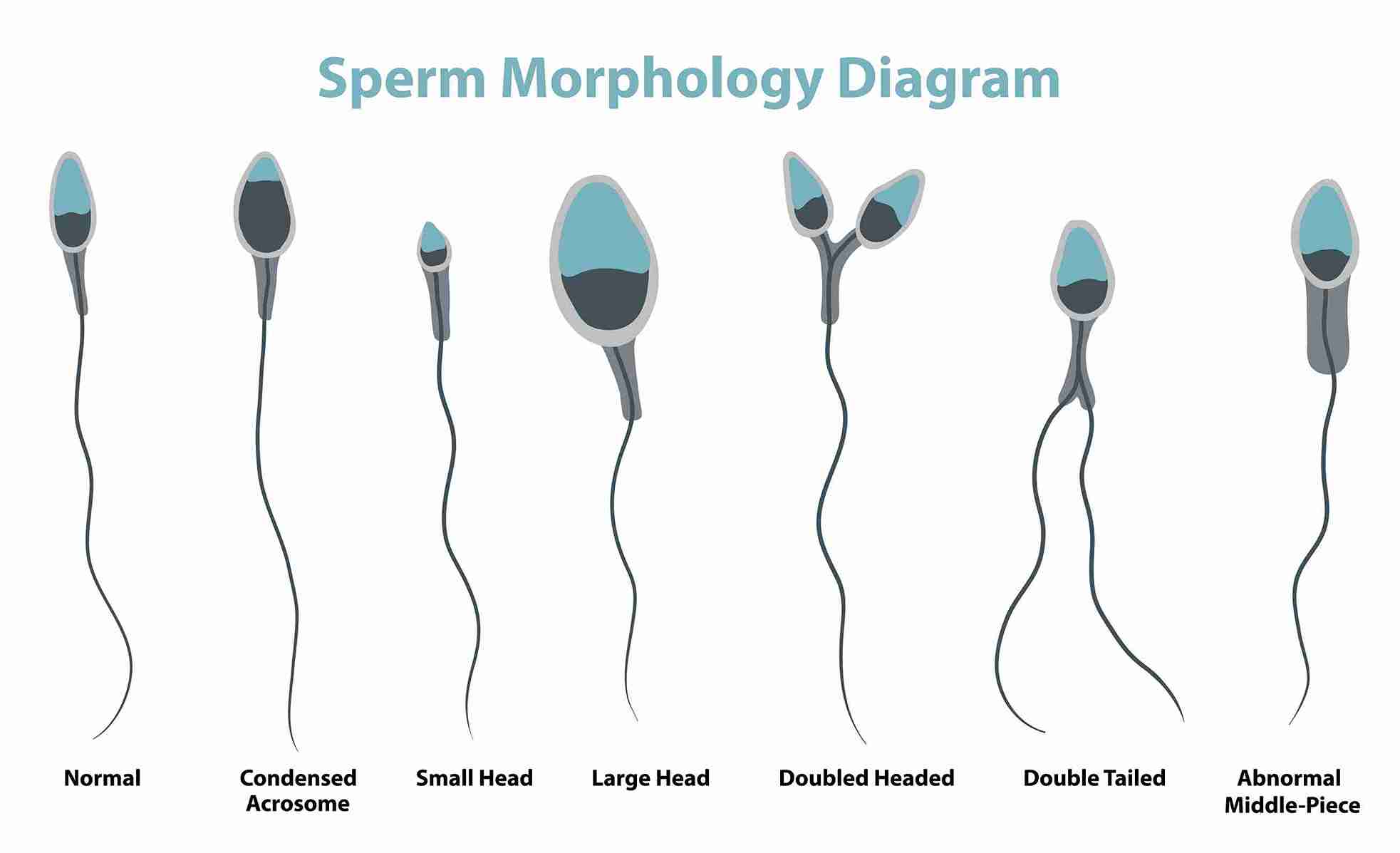
Fertility advice often focuses heavily on the woman, her cycle, her hormones, her lifestyle. But male factor infertility accounts for roughly 40 to 50 percent. Sperm quality, count, motility, and morphology matter as much as egg quality and timing.
Men who smoke, drink regularly, use laptops on their laps for hours, wear very tight clothing, or take hot baths frequently are all affecting sperm quality. Heat in particular is damaging the testes need to be slightly cooler than core body temperature to produce healthy sperm. Simple lifestyle changes can improve sperm parameters within three months, which is how long it takes for a new batch of sperm to mature.
The standard medical guidance is to try for 12 months before seeking a fertility evaluation, or 6 months for women over 35. Many couples seek help after just two or three months and are surprised when their doctor advises them to continue trying.
For a healthy couple in their twenties or early thirties, the chance of conceiving in any given cycle is around 20 to 25 percent. Getting pregnant within 12 months of trying is the normal range not a sign that something is wrong. Patience, difficult as it is, is often the right advice.
Some couples wait too long before investigating a concern. A woman who has always had very irregular cycles, a history of PCOS, or significant period pain may have an underlying condition that affects fertility. Trying for 12 months with an unaddressed condition is 12 months of delay that could have been avoided.
If there is a known condition, a previous pelvic infection, very irregular cycles, or the woman is over 35, seeking a fertility assessment earlier makes sense, not because something is definitely wrong, but because earlier information gives you more options.
Conception mistakes are not always about timing. What both partners eat, how much they weigh, whether they smoke or drink, and how much they sleep all affect fertility. Being overweight affects hormone levels and ovulation in women, and lowers testosterone and sperm quality in men. Being significantly underweight can suppress ovulation entirely. Smoking reduces ovarian reserve in women and damages sperm DNA in men. Heavy alcohol intake disrupts reproductive hormones in both. But consistent, meaningful changes stopping smoking, cutting alcohol, reaching a healthier weight range, eating more whole foods over three to six months before trying can shift the picture.
This one surprises many couples. Most commercial lubricants including several popular brands are toxic to sperm. They affect sperm motility and reduce the chance of fertilisation. If lubrication is needed, use products specifically labelled as sperm-friendly, or use canola oil as a natural alternative.
Stress does not cause infertility on its own, but chronic, unmanaged stress affects cortisol levels, which in turn disrupts the hormones that regulate ovulation and sperm production. The irony is that trying to conceive is itself stressful, which creates a cycle that is hard to break.
Building in genuine stress management through regular physical activity, enough sleep, time away from the constant tracking is part of fertility advice that is worth taking seriously.
Getting pregnant within a year of trying is the typical expectation for healthy couples. But if 12 months have passed with well-timed intercourse and no pregnancy or 6 months if the woman is over 35 a fertility evaluation is the right next step, not another month of waiting.
Early evaluation does not commit you to treatment. It gives you information. Many couples find the issue is straightforward and easily addressed. Others discover something that genuinely needed to be found. Either way, knowing is better than waiting in the dark.
See a gynaecologist or fertility specialist if:
Most conception mistakes are not about biology, they are about information. Knowing when the fertile window actually falls, making straightforward lifestyle changes, not putting all the focus on one partner, and knowing when to seek help changes the experience of trying to conceive entirely. Give it time, give it the right conditions, and ask for help when the time is right.

Want to consult the best gynecologists in India? Please find the links below.
Want to consult the best Maternity Packages in India? Please find the links below.

There are many possible reasons such as timing issues, irregular ovulation, sperm quality problems, an underlying condition like PCOS or endometriosis, or simply needing more time. For healthy couples, getting pregnant within 12 months is considered normal. Common conception mistakes like missing the fertile window or ignoring male factor issues are very fixable once identified. If 12 months have passed without success, a proper fertility evaluation gives you real answers.
Common mistakes include poor timing of intercourse, ignoring sperm quality, smoking, heavy alcohol intake, being significantly overweight or underweight, using sperm-toxic lubricants, and waiting too long to investigate a concern. Trying to conceive without tracking ovulation is one of the most frequent issues. Fertility advice consistently points to lifestyle factors, diet, weight, sleep, and stress as things both partners can improve before and during the conception period.
Track ovulation using OPKs or cervical mucus observation. Have intercourse every one to two days during the fertile window. Both partners should stop smoking, limit alcohol, and reach a healthy weight. Men should avoid heat exposure to the groin area. Get enough sleep. If there is a known condition like PCOS or thyroid disease, have it properly managed.
For healthy couples under 35 trying to conceive with well-timed intercourse, around 85 percent will conceive within 12 months. Getting pregnant in the first one to three months is common, but taking up to a year is entirely within the normal range and is not a sign that something is wrong. After 12 months without success or 6 months for women over 35, a fertility evaluation is the appropriate next step.







 Best Gynecologists in Bellandur Best Gynecologists in Electronic City Best Gynecologists in HRBR LayoutBest Gynecologists in Jayanagar Best Gynecologists in Kanakapura RoadBest Gynecologists in Malleswaram Best Gynecologists in Nagarbhavi Best Gynecologists in Old Airport RoadBest Gynecologists in Sahakarnagar Best Gynecologists in Sarjapur RoadBest Gynecologists in ThanisandraBest Gynecologists in Varthur RoadBest Gynecologists in Whitefield Best Gynecologists in Industrial Area Phase IIBest Gynecologists in OMRBest Gynecologists in T NagarBest Gynecologists in New Industrial TownBest Gynecologists in IndirapuramBest Gynecologists in Golf Course RoadBest Gynecologists in Sector 14Best Gynecologists in Sector 47Best Gynecologists in Banjara HillsBest Gynecologists in GachibowliBest Gynecologists in Hitech CityBest Gynecologists in KompallyBest Gynecologists in Gomti NagarBest Gynecologists in MaladBest Gynecologists in NerulBest Gynecologists in VashiBest Gynecologists in Kailash ColonyBest Gynecologists in PatparganjBest Gynecologists in Punjabi BaghBest Gynecologists in VikaspuriBest Gynecologists in Gaur CityBest Gynecologists in Pari ChowkBest Gynecologists in Sector 51Best Gynecologists in Sector 5 Swastik ViharBest Gynecologists in Kalyani NagarBest Gynecologists in SB RoadBest Gynecologists in Pimple SaudagarBest Pediatricians in BellandurBest Pediatricians in Electronic CityBest Pediatricians in HRBR LayoutBest Pediatricians in JayanagarBest Pediatricians in Kanakapura RoadBest Pediatricians in MalleswaramBest Pediatricians in NagarbhaviBest Pediatricians in Old Airport RoadBest Pediatricians in SahakarnagarBest Pediatricians in Sarjapur RoadBest Pediatricians in ThanisandraBest Pediatricians in Varthur RoadBest Pediatricians in WhitefieldBest Pediatricians in Industrial Area Phase IIBest Pediatricians in OMRBest Pediatricians in T NagarBest Pediatricians in New Industrial TownshipBest Pediatricians in IndirapuramBest Pediatricians in Golf Course RoadBest Pediatricians in Sector 14Best Pediatricians in Sector 47Best Pediatricians in Hitech CityBest Pediatricians in Banjara HillsBest Pediatricians in GachibowliBest Pediatricians in KompallyBest Pediatricians in Gomti NagarBest Pediatricians in MaladBest Pediatricians in NerulBest Pediatricians in VashiBest Pediatricians in Kailash ColonyBest Pediatricians in PatparganjBest Pediatricians in Punjabi BaghBest Pediatricians in VikaspuriBest Pediatricians in Gaur CityBest Pediatricians in Pari ChowkBest Pediatricians in Sector 51Best Pediatricians in Sector 5 Swastik ViharBest Pediatricians in Kalyani NagarBest Pediatricians in SB RoadBest Pediatricians in Pimple Saudagar


