
A newborn's skin looks perfect in photographs. In real life, it is often blotchy, peeling, spotty, and nothing like what you expected. Within the first few weeks, most parents encounter at least one skin concern that sends them straight to the paediatrician, or to a frantic internet search at midnight.
The good news is that most newborn skin conditions are harmless, temporary, and need nothing more than time and basic care. Knowing which ones are normal, which need a little management, and which genuinely warrant a doctor's visit saves a lot of unnecessary worry.
A baby spends nine months in amniotic fluid. At birth, the skin is covered in vernix, a white, waxy coating that protects it in the womb. The outer layer of skin is also thinner and more sensitive than adult skin, and takes several weeks to adapt to the outside world.
This transition period is when most skin changes appear. The skin peels, dries, reddens, and sometimes breaks out in ways that look alarming but are almost always normal. Indian summers and high humidity can make some of these conditions more pronounced, which is why baby skin care in India sometimes needs a slightly different approach than what works in cooler climates.
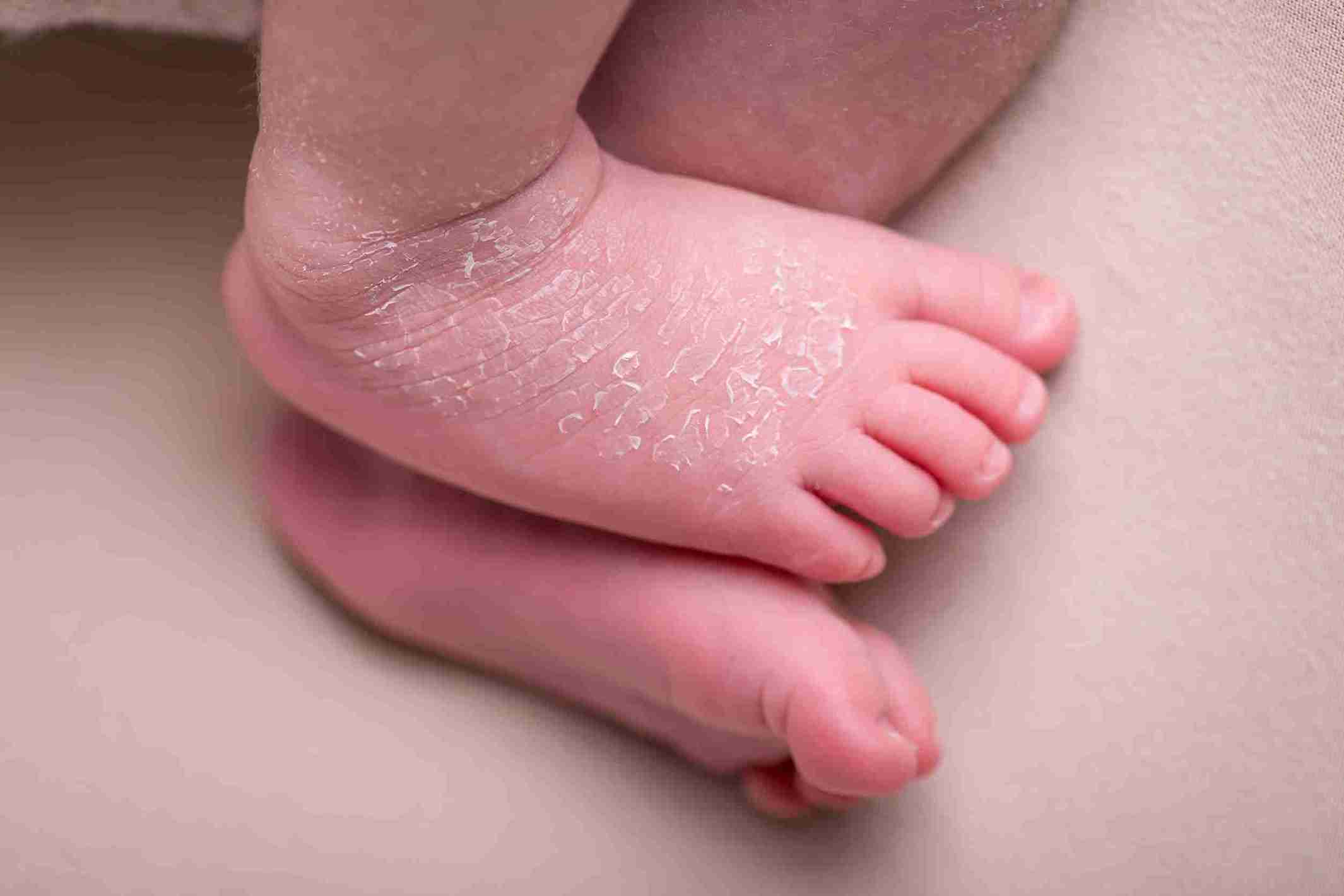
Almost all newborns experience some skin peeling in the first week or two. Babies born after their due date tend to peel more, as the vernix has already begun to absorb. The peeling is most visible on the hands, feet, and ankles.
No treatment is needed. If the skin looks very dry after the peeling settles, a small amount of fragrance-free, gentle moisturiser is fine.
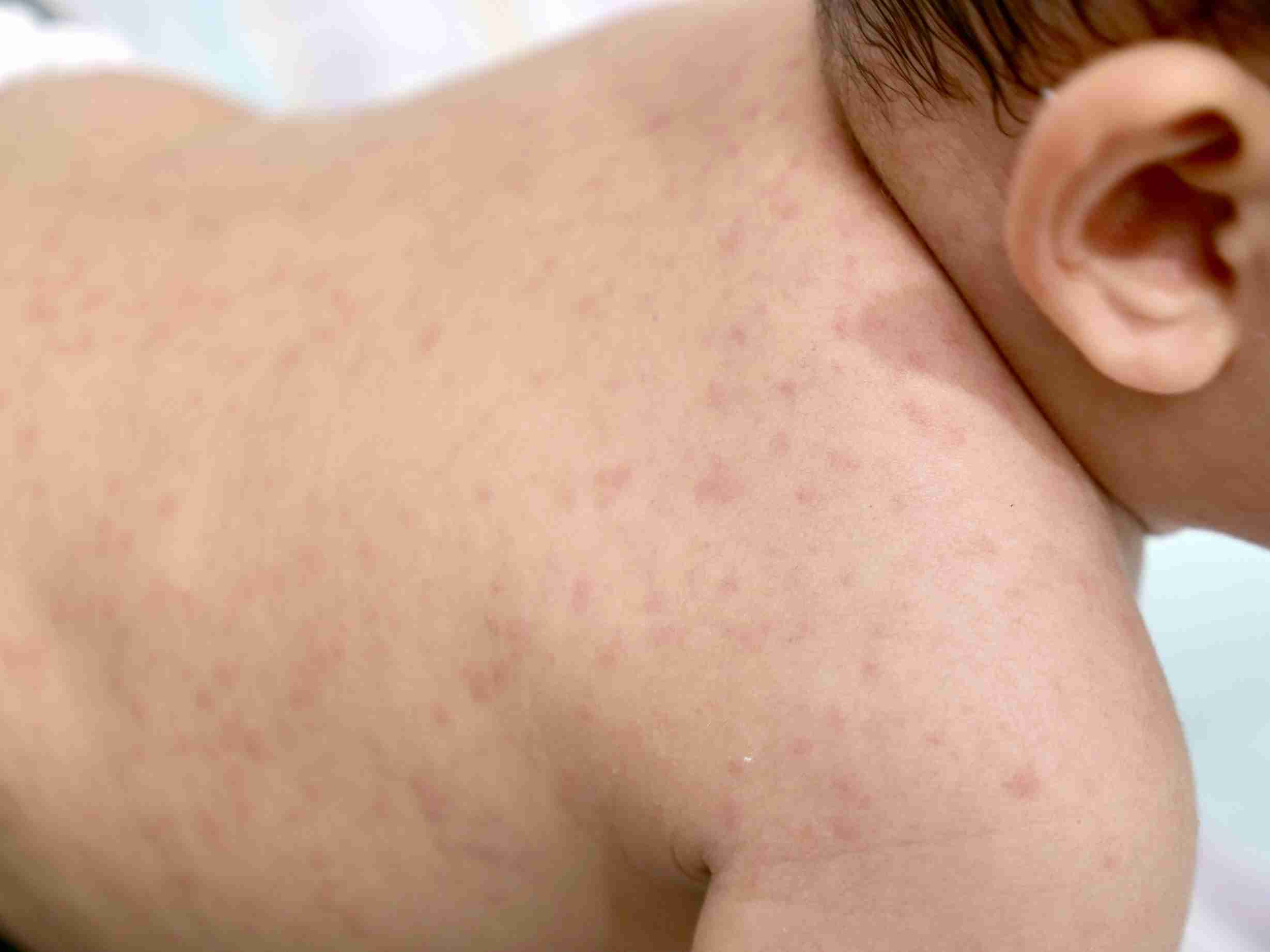
This is one of the most common newborn skin conditions and one of the most alarming-looking. It appears as red blotches with small white or yellow centres, similar in appearance to insect bites or even small pus spots. It can appear anywhere on the body except the palms and soles.
Despite how it looks, erythema toxicum is completely harmless. It is not an infection, not an allergy, and not caused by anything the mother did during pregnancy. It appears in the first few days of life, moves around the body, and disappears on its own within one to two weeks. No treatment is needed. Just leave it alone.
Baby acne appears as small red or white pimples, usually on the cheeks, forehead, and chin. It shows up somewhere between two and four weeks of age and can last until around three to four months.
The cause is thought to be maternal hormones, estrogen passed from mother to baby during pregnancy, that stimulate the baby's oil glands. It is more common in boys than in girls.
Baby acne does not need treatment. Gently wash the face once a day with plain water and a soft cloth. The acne resolves on its own. If spots appear to be spreading rapidly, look infected, or are accompanied by fever, see the paediatrician.
Milia are tiny white spots, almost like small pearls, that appear on the nose, cheeks, and chin of newborns. It forms when dead skin cells get trapped in small pockets near the skin surface.
Around 40-50% of newborns get milia. It is not acne and is not caused by poor hygiene. No treatment is needed as they clear up on their own in a few weeks. Do not try to squeeze or scrub them.
Cradle cap is a scaly, yellowish or brownish crust that forms on the scalp, usually appearing between 2 weeks and 3 months of age. It can also appear on the eyebrows, behind the ears, and in skin folds. It does not cause the baby any discomfort and does not indicate poor hygiene.
The cause is overactive oil glands in the scalp, again related to maternal hormones. Managing cradle cap:
Most cases clear up on their own within a few months. If the crust is very thick, spreading significantly, or the scalp looks red and inflamed, ask your paediatrician; an antifungal shampoo is sometimes recommended in more stubborn cases.

Jaundice, a yellowish tinge to the skin and whites of the eyes, affects a large proportion of newborns in the first week of life. It is caused by a build-up of bilirubin, a substance produced when old red blood cells break down.
Mild jaundice that appears after day two and fades by 2 weeks in full-term babies is usually physiological, a normal part of the newborn period. It is monitored through blood tests (bilirubin levels) and sometimes treated with phototherapy (a special blue light).
Jaundice that appears in the first 24 hours of life, is very severe, or persists beyond 2-3 weeks, needs thorough investigation. If your baby looks increasingly yellow, is very sleepy, and is not feeding well, go to the doctor the same day; do not wait.
Heat rash is very common in Indian summers. It appears as tiny red bumps or small blisters, usually in skin folds, the neck, armpits, groin, and behind the knees. It happens when sweat glands get blocked, often because the baby is dressed too warmly or is in a hot, humid environment.
Baby skin care for heat rash is straightforward:
Heat rash usually clears within a few days once the baby is cooler. If it spreads, looks infected, or the baby has a fever, see the paediatrician.
Eczema, also called atopic dermatitis, can appear from around 2 months of age. It shows up as dry, itchy, red patches, often on the cheeks, behind the ears, and in skin creases. It tends to flare and settle in cycles.
Babies with a family history of eczema, asthma, or allergies are at higher risk. Unlike most other newborn rashes, eczema is a chronic condition that needs ongoing management:

Most newborn skin conditions sort themselves out in a matter of weeks. The skin is simply adjusting to life outside the womb, and it takes time. Basic, gentle care and a little patience are what most situations need. When in doubt, especially with fever, spreading redness, or a baby who seems unwell alongside a skin change, see the paediatrician.

Yes, most newborn rashes are completely normal. Erythema toxicum, milia, baby acne, heat rash, and peeling skin are all very common in the first weeks of birth and resolve without treatment. Newborn skin is adjusting to the outside environment, which causes many of these changes.
Baby acne is caused by maternal hormones, estrogen passed from mother to baby during pregnancy, that overstimulate the baby's oil glands. It appears as red or white pimples on the cheeks, forehead, and chin between two and four weeks of age. It is more common in boys. No treatment is needed.
Apply coconut oil or baby oil to the scalp, leave it for 15 to 20 minutes, then gently loosen the scales with a soft brush before washing off with a mild baby shampoo. Repeat every few days. Cradle cap is harmless and clears on its own within a few months in most babies.
See a doctor if the newborn rash spreads quickly, looks infected, red, warm, swollen, or weeping, or if the baby has a fever alongside it. Jaundice that appears in the first 24 hours, is very severe, or does not fade by two to three weeks, also needs prompt attention. For baby skin care concerns where the baby seems otherwise well, and the rash is mild, a paediatrician visit at the next scheduled appointment is usually sufficient.







 Best Gynecologists in Bellandur Best Gynecologists in Electronic City Best Gynecologists in HRBR LayoutBest Gynecologists in Jayanagar Best Gynecologists in Kanakapura RoadBest Gynecologists in Malleswaram Best Gynecologists in Nagarbhavi Best Gynecologists in Old Airport RoadBest Gynecologists in Sahakarnagar Best Gynecologists in Sarjapur RoadBest Gynecologists in ThanisandraBest Gynecologists in Varthur RoadBest Gynecologists in Whitefield Best Gynecologists in Industrial Area Phase IIBest Gynecologists in OMRBest Gynecologists in T NagarBest Gynecologists in New Industrial TownBest Gynecologists in IndirapuramBest Gynecologists in Golf Course RoadBest Gynecologists in Sector 14Best Gynecologists in Sector 47Best Gynecologists in Banjara HillsBest Gynecologists in GachibowliBest Gynecologists in Hitech CityBest Gynecologists in KompallyBest Gynecologists in Gomti NagarBest Gynecologists in MaladBest Gynecologists in NerulBest Gynecologists in VashiBest Gynecologists in Kailash ColonyBest Gynecologists in PatparganjBest Gynecologists in Punjabi BaghBest Gynecologists in VikaspuriBest Gynecologists in Gaur CityBest Gynecologists in Pari ChowkBest Gynecologists in Sector 51Best Gynecologists in Sector 5 Swastik ViharBest Gynecologists in Kalyani NagarBest Gynecologists in SB RoadBest Gynecologists in Pimple SaudagarBest Pediatricians in BellandurBest Pediatricians in Electronic CityBest Pediatricians in HRBR LayoutBest Pediatricians in JayanagarBest Pediatricians in Kanakapura RoadBest Pediatricians in MalleswaramBest Pediatricians in NagarbhaviBest Pediatricians in Old Airport RoadBest Pediatricians in SahakarnagarBest Pediatricians in Sarjapur RoadBest Pediatricians in ThanisandraBest Pediatricians in Varthur RoadBest Pediatricians in WhitefieldBest Pediatricians in Industrial Area Phase IIBest Pediatricians in OMRBest Pediatricians in T NagarBest Pediatricians in New Industrial TownshipBest Pediatricians in IndirapuramBest Pediatricians in Golf Course RoadBest Pediatricians in Sector 14Best Pediatricians in Sector 47Best Pediatricians in Hitech CityBest Pediatricians in Banjara HillsBest Pediatricians in GachibowliBest Pediatricians in KompallyBest Pediatricians in Gomti NagarBest Pediatricians in MaladBest Pediatricians in NerulBest Pediatricians in VashiBest Pediatricians in Kailash ColonyBest Pediatricians in PatparganjBest Pediatricians in Punjabi BaghBest Pediatricians in VikaspuriBest Pediatricians in Gaur CityBest Pediatricians in Pari ChowkBest Pediatricians in Sector 51Best Pediatricians in Sector 5 Swastik ViharBest Pediatricians in Kalyani NagarBest Pediatricians in SB RoadBest Pediatricians in Pimple Saudagar


