






Good nutrition is essential for a child’s overall development. This includes iron, calcium and vitamins. Did you know that these nutrients play a bigger role in your child’s development, apart from physical development? Read on to understand how these nutrients help in shaping your child’s growth.
Essential nutrients support a child’s physical, cognitive and immune system development. Children should eat a variety of foods from different groups to get all essential nutrients in sufficient quantities. Though supplements and fortified foods are available, letting the body absorb it from natural foods is always a better option.
During the growing years, children will require all nutrients possible. Calcium, protein, carbohydrates, vitamins, iron, zinc and even fats are necessary for various bodily functions and development.
While protein, carbohydrates and fats are essential for energy, calcium, iron and vitamins are essential for bone health, cognitive development and immune function. Let’s take a closer look at the second category.
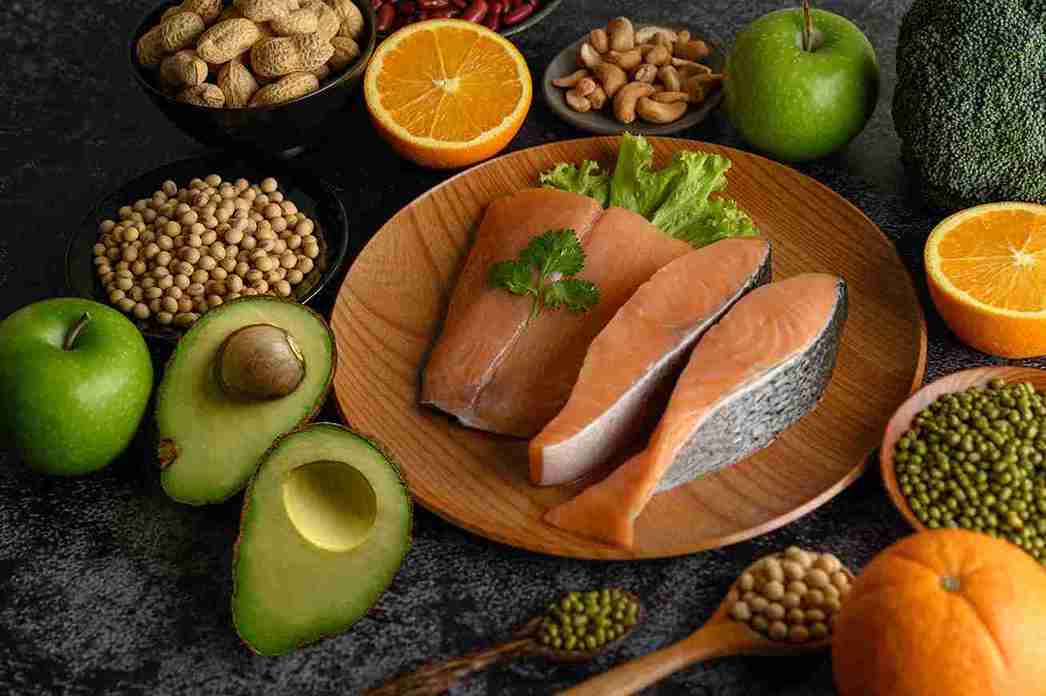
Iron helps carry oxygen throughout the body. It is important for both children and adults alike. For growing children, a good oxygen supply is essential for physical and cognitive development, energy supply and immune function.
Iron deficiency leads to anaemia, a serious condition that can result in poor growth, fatigue, impaired motor skills and a negative impact on cognitive development.
Iron is essential for a child, for the following reasons –
When a child is anaemic or suffers from iron deficiency –

It is common knowledge that calcium contributes to bone health. Children require good amounts of calcium during their growing years to help their bones develop well and become stronger. The foundation they develop before they reach adulthood is what helps prevent bone-related complications as they grow older. Some sources even suggest that calcium, along with vitamin D, is essential to prevent or reduce the risk of cancer, diabetes and high blood pressure when older.
Calcium contributes to your child’s growth and development in the following ways –
Not receiving enough calcium during their childhood can lead to the following issues –

Vitamins and minerals are very important for a child’s growth and development. Many doctors and sources recommend vitamin supplements for infants and toddlers, especially those below 6 months of age. This is the time when their bodies develop rapidly after birth, both physically and cognitively.
Infant formulas are fortified with essential vitamins, so they may not need additional supplements. Breastfed infants require a vitamin D supplement throughout the first year of their lives to prevent health complications caused by vitamin D deficiency.
Children require vitamin A, C and D in addition to zinc and iron, for the following reasons –
When a child does not get enough of various vitamins necessary for their overall development, it can lead to –
Children require various nutrients in abundance to facilitate their growth and development. Different children grow at different paces, but it is necessary to ensure they receive their calcium, iron and vitamins throughout their childhood for optimal growth and development.


Calcium, iron and vitamins are essential for a child’s physical growth, cognitive development and immune system functioning. A deficiency in even one of these nutrients can negatively impact various aspects of the child’s growth, thus increasing the risk of health complications as they grow older.
Some of the best food sources for iron are ragi, spinach, eggs, dates, jaggery, kidney beans, amla and pumpkin seeds. You can combine these food items with a variety of dishes, thus giving your child multiple options to derive their iron from.
Calcium is essential for the development and strengthening of bones and teeth. Adequate calcium intake in childhood years will establish a good bone mass and density for the future, as bone mass tends to decrease with age. Good bone health and mass aid in overall growth and maintaining the child’s physical structure.
The most important vitamins for a child are vitamin D for bone health and development, vitamin A for vision and immune system functioning, vitamin C for immunity and vitamin B (B6 and B12) for brain development and overall energy.


 Best Gynecologists in Bellandur Best Gynecologists in Electronic City Best Gynecologists in HRBR LayoutBest Gynecologists in Jayanagar Best Gynecologists in Kanakapura RoadBest Gynecologists in Malleswaram Best Gynecologists in Nagarbhavi Best Gynecologists in Old Airport RoadBest Gynecologists in Sahakarnagar Best Gynecologists in Sarjapur RoadBest Gynecologists in ThanisandraBest Gynecologists in Varthur RoadBest Gynecologists in Whitefield Best Gynecologists in Industrial Area Phase IIBest Gynecologists in OMRBest Gynecologists in T NagarBest Gynecologists in New Industrial TownBest Gynecologists in IndirapuramBest Gynecologists in Golf Course RoadBest Gynecologists in Sector 14Best Gynecologists in Sector 47Best Gynecologists in Banjara HillsBest Gynecologists in GachibowliBest Gynecologists in Hitech CityBest Gynecologists in KompallyBest Gynecologists in Gomti NagarBest Gynecologists in MaladBest Gynecologists in NerulBest Gynecologists in VashiBest Gynecologists in Kailash ColonyBest Gynecologists in PatparganjBest Gynecologists in Punjabi BaghBest Gynecologists in VikaspuriBest Gynecologists in Gaur CityBest Gynecologists in Pari ChowkBest Gynecologists in Sector 51Best Gynecologists in Sector 5 Swastik ViharBest Gynecologists in Kalyani NagarBest Gynecologists in SB RoadBest Gynecologists in Pimple SaudagarBest Pediatricians in BellandurBest Pediatricians in Electronic CityBest Pediatricians in HRBR LayoutBest Pediatricians in JayanagarBest Pediatricians in Kanakapura RoadBest Pediatricians in MalleswaramBest Pediatricians in NagarbhaviBest Pediatricians in Old Airport RoadBest Pediatricians in SahakarnagarBest Pediatricians in Sarjapur RoadBest Pediatricians in ThanisandraBest Pediatricians in Varthur RoadBest Pediatricians in WhitefieldBest Pediatricians in Industrial Area Phase IIBest Pediatricians in OMRBest Pediatricians in T NagarBest Pediatricians in New Industrial TownshipBest Pediatricians in IndirapuramBest Pediatricians in Golf Course RoadBest Pediatricians in Sector 14Best Pediatricians in Sector 47Best Pediatricians in Hitech CityBest Pediatricians in Banjara HillsBest Pediatricians in GachibowliBest Pediatricians in KompallyBest Pediatricians in Gomti NagarBest Pediatricians in MaladBest Pediatricians in NerulBest Pediatricians in VashiBest Pediatricians in Kailash ColonyBest Pediatricians in PatparganjBest Pediatricians in Punjabi BaghBest Pediatricians in VikaspuriBest Pediatricians in Gaur CityBest Pediatricians in Pari ChowkBest Pediatricians in Sector 51Best Pediatricians in Sector 5 Swastik ViharBest Pediatricians in Kalyani NagarBest Pediatricians in SB RoadBest Pediatricians in Pimple Saudagar


