
Advances in assisted reproductive technologies (ART) have made it possible for many individuals and couples to overcome infertility challenges. ART refers to a series of medical procedures aimed at helping individuals conceive, especially when other natural methods have failed. Among these options are GIFT and ZIFT treatments, which involve the fallopian tubes and were more commonly used before In-vitro Fertilization (IVF) became widespread.
However, GIFT and ZIFT are no longer as popular as they were before IVF became the norm. Nevertheless, they still have a place in assisted reproductive technologies, especially when the fallopian tubes are functioning properly and for other personal or medical reasons. Understanding how GIFT and ZIFT difference and how they work can help patients make informed decisions about their fertility.

GIFT is an acronym for Gamete Intrafallopian Transfer. This technique involves the transfer of a woman’s eggs and her partner’s sperm into the fallopian tube, allowing fertilisation to take place naturally in the body. Unlike IVF, fertilisation does not take place in a laboratory. The egg and sperm meet in the fallopian tube, as would be the case with natural conception.
Since fertilisation cannot be directly observed, GIFT is highly dependent on normal reproductive capabilities.

ZIFT is an acronym for Zygote Intrafallopian Transfer. It combines aspects of IVF techniques with tubal embryo transfer. In ZIFT treatment, eggs are harvested and fertilised with sperm in a laboratory. After fertilisation is assured, the resulting zygote (fertilised egg) is implanted in the fallopian tube, not the uterus.
Important facts about ZIFT:
It is important to understand what the ZIFT procedure is all about so that patients feel more confident and ready for the procedure.
Hormonal medications are used to stimulate the ovaries to develop multiple eggs.
Eggs are retrieved from the ovaries using a minimally invasive technique.

Eggs are fertilised with sperm in a controlled laboratory setting.
After fertilisation, one or more zygotes are transferred to a fallopian tube using a minor surgical technique.
Hormonal support is given, followed by a pregnancy test after a suitable waiting period.

It is essential to know the GIFT and ZIFT difference in order to make an informed decision.
From the table above, it is clear that ZIFT provides more confirmation of fertilisation than GIFT.
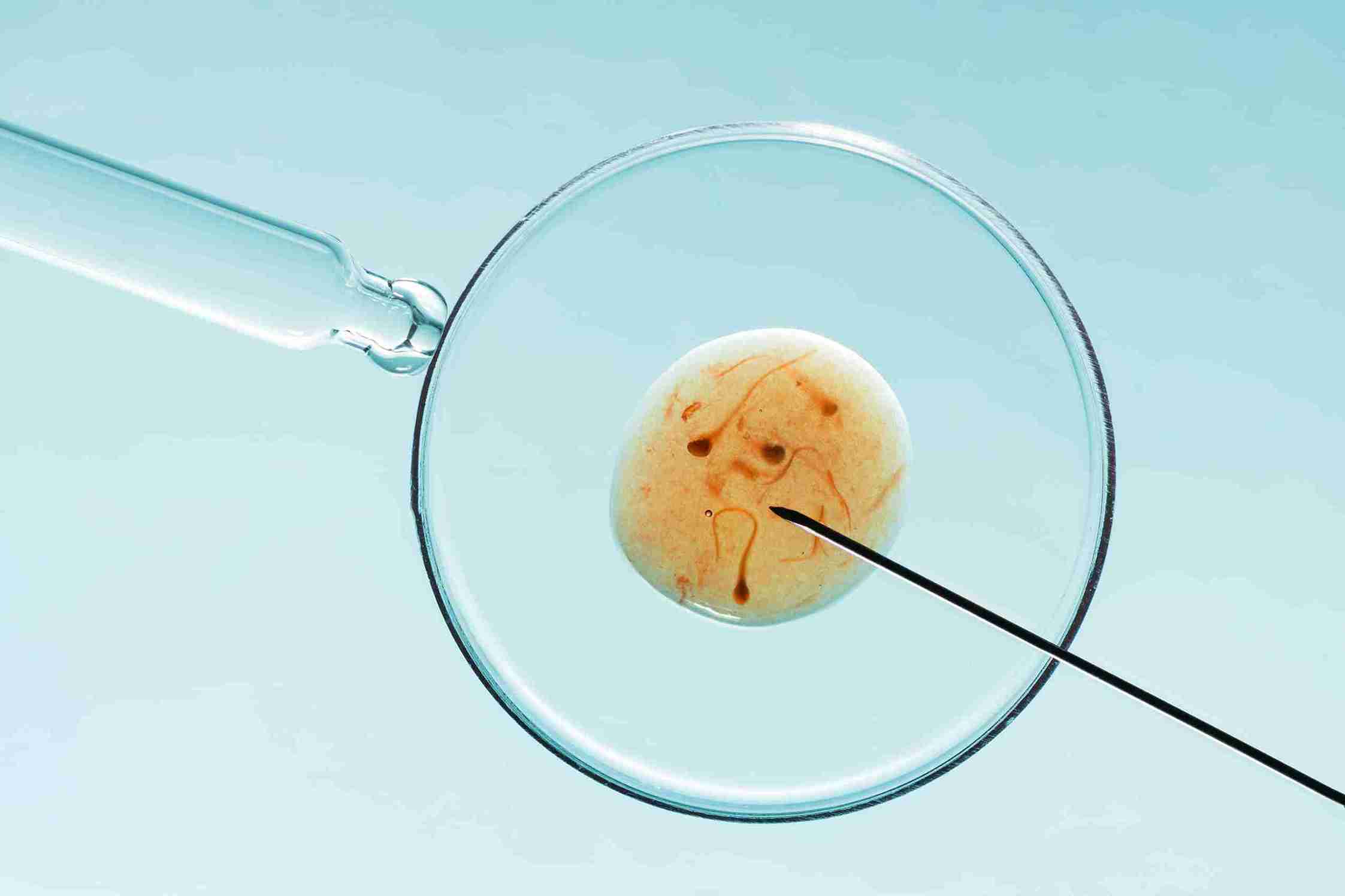
GIFT and ZIFT procedures are not suitable for all patients. A proper evaluation is required.
The following patients may be good candidates for GIFT or ZIFT:
Not recommended for:
A fertility specialist can guide the patient on the best course of treatment.
The success rate of GIFT and ZIFT procedures depends on the following factors:
ZIFT may be slightly more predictable than GIFT because the fertilisation process is confirmed before transferring the embryo. However, IVF is more commonly advised because of its flexibility, ability to monitor embryo development, and greater availability.
GIFT and ZIFT procedures are relatively safe. However, they have some limitations:
Fewer centres are available because GIFT and ZIFT are less commonly practiced. The patient should consult their healthcare provider about the risks associated with GIFT and ZIFT procedures before undergoing treatment.
These fertility treatments have the same aim but differ in their processes:
IVF is generally the more popular option for many people, but GIFT and ZIFT are still viable options for many as well.
Cloudnine provides comprehensive fertility treatment with the latest reproductive technology and experienced professionals. With proper planning, up-to-date facilities, and accurate, scientifically supported information, Cloudnine hopes to help every patient with fertility issues with care tailored to their needs. The focus is on making informed decisions, ensuring safety, and providing emotional support throughout the fertility process.
GIFT and ZIFT treatment are assisted reproduction techniques that involve the fallopian tubes and may be considered in cases of infertility where the tubes are still in good condition. Although these techniques are not as common as IVF, they are still an important alternative for each individual’s specific needs. In order to choose the best option for a successful pregnancy, it is necessary to consult a fertility specialist.

Want to consult the best gynecologists in India? Please find the links below.

Those with normal fallopian tubes, unexplained infertility, or mild male factor infertility.
ZIFT allows confirmation of fertilisation, making it more predictable, but suitability depends on individual medical factors.
GIFT is a procedure whereby eggs and sperm are transferred directly into the fallopian tubes for natural fertilisation to take place.
ZIFT is performed when fertilisation observation is desired, and at least one fallopian tube is normal.







 Best Gynecologists in Bellandur Best Gynecologists in Electronic City Best Gynecologists in HRBR LayoutBest Gynecologists in Jayanagar Best Gynecologists in Kanakapura RoadBest Gynecologists in Malleswaram Best Gynecologists in Nagarbhavi Best Gynecologists in Old Airport RoadBest Gynecologists in Sahakarnagar Best Gynecologists in Sarjapur RoadBest Gynecologists in ThanisandraBest Gynecologists in Varthur RoadBest Gynecologists in Whitefield Best Gynecologists in Industrial Area Phase IIBest Gynecologists in OMRBest Gynecologists in T NagarBest Gynecologists in New Industrial TownBest Gynecologists in IndirapuramBest Gynecologists in Golf Course RoadBest Gynecologists in Sector 14Best Gynecologists in Sector 47Best Gynecologists in Banjara HillsBest Gynecologists in GachibowliBest Gynecologists in Hitech CityBest Gynecologists in KompallyBest Gynecologists in Gomti NagarBest Gynecologists in MaladBest Gynecologists in NerulBest Gynecologists in VashiBest Gynecologists in Kailash ColonyBest Gynecologists in PatparganjBest Gynecologists in Punjabi BaghBest Gynecologists in VikaspuriBest Gynecologists in Gaur CityBest Gynecologists in Pari ChowkBest Gynecologists in Sector 51Best Gynecologists in Sector 5 Swastik ViharBest Gynecologists in Kalyani NagarBest Gynecologists in SB RoadBest Gynecologists in Pimple SaudagarBest Pediatricians in BellandurBest Pediatricians in Electronic CityBest Pediatricians in HRBR LayoutBest Pediatricians in JayanagarBest Pediatricians in Kanakapura RoadBest Pediatricians in MalleswaramBest Pediatricians in NagarbhaviBest Pediatricians in Old Airport RoadBest Pediatricians in SahakarnagarBest Pediatricians in Sarjapur RoadBest Pediatricians in ThanisandraBest Pediatricians in Varthur RoadBest Pediatricians in WhitefieldBest Pediatricians in Industrial Area Phase IIBest Pediatricians in OMRBest Pediatricians in T NagarBest Pediatricians in New Industrial TownshipBest Pediatricians in IndirapuramBest Pediatricians in Golf Course RoadBest Pediatricians in Sector 14Best Pediatricians in Sector 47Best Pediatricians in Hitech CityBest Pediatricians in Banjara HillsBest Pediatricians in GachibowliBest Pediatricians in KompallyBest Pediatricians in Gomti NagarBest Pediatricians in MaladBest Pediatricians in NerulBest Pediatricians in VashiBest Pediatricians in Kailash ColonyBest Pediatricians in PatparganjBest Pediatricians in Punjabi BaghBest Pediatricians in VikaspuriBest Pediatricians in Gaur CityBest Pediatricians in Pari ChowkBest Pediatricians in Sector 51Best Pediatricians in Sector 5 Swastik ViharBest Pediatricians in Kalyani NagarBest Pediatricians in SB RoadBest Pediatricians in Pimple Saudagar


