
Menstrual periods affect not only abdominal pain but also some other aspects for many females. For example, discomfort in the abdomen, nausea, or even vomiting is experienced by women during period. However, one does not have to be scared because nausea on period is rather common and results from hormonal fluctuations as well as period cramps. In most cases, it is temporary and manageable with simple lifestyle changes and home remedies. Understanding why period nausea happens can help you take better care of your body and know when it may require medical attention.
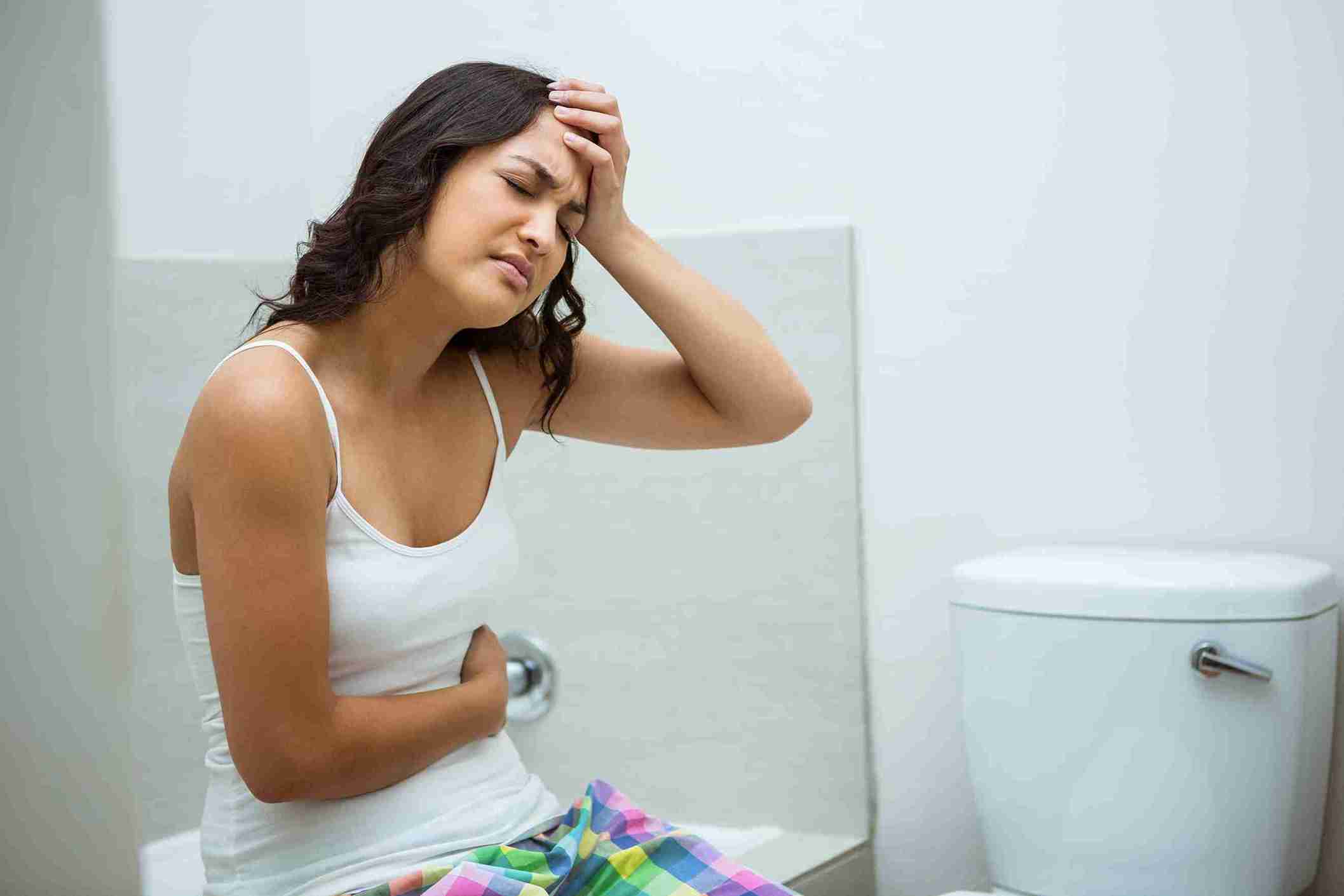
Yes, period nausea is common, although not as common as other symptoms of premenstrual syndrome (PMS). The hormonal fluctuations experienced during menstruation may influence the digestive system, leading to sensations of nausea. In some cases, women only experience mild nausea, while in others, there will be significant nausea for a day or two when their period starts.
Period nausea may occur simultaneously with other symptoms like bloating, cramping, tiredness, migraines, mood swings, etc. If you have severe cramping, then you might also experience nausea.
The occurrence of nausea varies depending on the menstrual cycle. Some women suffer from nausea a few days prior to their periods due to hormonal imbalances caused by PMS. On the other hand, some women feel nausea during the onset of their periods when cramping is most prominent.
Moreover, there have been instances where women have experienced nausea vomiting first day period because of severe cramps or sensitive digestion.
The production of hormone-like substances known as prostaglandins is one of the most common causes of nausea during period. Prostaglandins play a role in causing the uterine muscles to contract and release their lining.
In case you have high levels of prostaglandins, there is a possibility that your body will absorb them into the bloodstream. High prostaglandin levels can cause you to experience vomiting, diarrhoea, headaches, and dizziness.
Severe cramps can indirectly affect the stomach and digestive tract. When the body experiences intense pain, it may respond with nausea or even vomiting. This is why some women feel sick during painful periods. In cases of severe cramping, vomiting first day period can sometimes occur, especially if the pain is not well managed.
Sometimes, period nausea may be associated with underlying gynaecological conditions such as:
● PCOS (Polycystic Ovary Syndrome)
These conditions can lead to heavier periods, stronger cramps, and more severe digestive symptoms. While occasional nausea is usually harmless, persistent or worsening symptoms should be evaluated by a doctor.
Stress, lack of sleep, dehydration, and unhealthy eating habits can worsen menstrual symptoms, including nausea. Skipping meals or consuming excessive caffeine and junk food around your period may make your stomach feel more unsettled.
Period nausea may occur alone or alongside several other menstrual symptoms, including:
● Nausea
● Vomiting
● Loss of appetite
● Headache
● Fatigue
● Bloating
● Dizziness
The severity of symptoms can vary from person to person and even from one cycle to another.
Finding effective period nausea relief often involves a combination of hydration, dietary changes, and managing cramps.
Several easy home remedies for dealing with the symptoms include:
● Ginger tea can be useful in easing the problem
● Having lemon water helps ease nausea
● Taking food frequently in small quantities can help to avoid any symptoms from becoming worse because of an empty stomach
● Bland foods like toast, bananas, rice, and crackers can be easier to digest
● Oil-rich, spice-laden, or heavily processed foods should be avoided during this time
● Eating healthy meals packed
Vomiting or poor appetite during periods can quickly lead to dehydration, which may worsen fatigue and dizziness. Drinking enough water, coconut water, or electrolyte-rich fluids can support recovery and reduce discomfort.
Sipping fluids slowly throughout the day is often easier on the stomach than drinking large amounts at once.
Consuming a nutritious diet helps regulate the level of hormones and prevents inflammation. Consume fresh fruits and vegetables, whole-grain foods, proteins, iron-containing foods, and magnesium sources such as nuts and seeds. Avoid too much caffeine and sugar-rich snacks.
Stress tends to aggravate the symptoms associated with periods, including nausea. You can manage stress by practising yoga, meditating, doing deep breathing exercises, or sleeping well. Your body will handle the stress better, especially when menstruating.
Light to moderate exercise improves blood circulation and supports hormone balance. Activities such as walking, stretching, yoga, or swimming can help reduce cramps and improve overall menstrual comfort.
Keeping track of your menstrual symptoms can help you anticipate nausea and prepare in advance with proper hydration, meals, and rest. Period-tracking apps or journals can be useful for identifying patterns.
It would be wise to see a doctor if you find yourself suffering from severe or worsening bouts of nausea.
If you have excessive bleeding, irregular periods, and intense cramping that could impair your ability to conceive, then your problem might be a hormonal disorder.
In cases where home treatment fails, then visiting a gynaecologist would be helpful in identifying the underlying problem.
Cloudnine Hospitals is known for offering comprehensive women’s healthcare support across every stage of life, including menstrual health and gynaecological care. With experienced gynaecologists, advanced diagnostic facilities, and a patient-focused approach, Cloudnine provides personalised guidance for concerns such as severe cramps, hormonal imbalances, PMS symptoms, and period-related nausea. The focus on compassionate care, timely diagnosis, and holistic women’s wellness helps patients feel supported and informed while managing menstrual health concerns comfortably.

Experiencing nausea during periods can be uncomfortable, but it is often a common response to hormonal changes and menstrual cramps. In most cases, symptoms can be managed with hydration, healthy eating, stress management, and simple home remedies. However, severe or persistent symptoms should never be ignored. Paying attention to your body and seeking medical guidance when needed can help ensure better menstrual health and overall well-being.

Vomiting during periods is generally considered a symptom of severe menstrual cramps or hormonal fluctuations. It may occur due to excess prostaglandins affecting the digestive system.
Drinking ginger tea, staying hydrated, eating light meals, and resting can provide quick period nausea relief. Managing cramps may also help reduce nausea.
For most women, nausea lasts one to two days during the menstrual cycle, especially around the beginning of the period.
Deficiencies in iron, magnesium, vitamin D, and vitamin B6 may worsen fatigue, cramps, and other menstrual symptoms in some women.







 Best Gynecologists in Bellandur Best Gynecologists in Electronic City Best Gynecologists in HRBR LayoutBest Gynecologists in Jayanagar Best Gynecologists in Kanakapura RoadBest Gynecologists in Malleswaram Best Gynecologists in Nagarbhavi Best Gynecologists in Old Airport RoadBest Gynecologists in Sahakarnagar Best Gynecologists in Sarjapur RoadBest Gynecologists in ThanisandraBest Gynecologists in Varthur RoadBest Gynecologists in Whitefield Best Gynecologists in Industrial Area Phase IIBest Gynecologists in OMRBest Gynecologists in T NagarBest Gynecologists in New Industrial TownBest Gynecologists in IndirapuramBest Gynecologists in Golf Course RoadBest Gynecologists in Sector 14Best Gynecologists in Sector 47Best Gynecologists in Banjara HillsBest Gynecologists in GachibowliBest Gynecologists in Hitech CityBest Gynecologists in KompallyBest Gynecologists in Gomti NagarBest Gynecologists in MaladBest Gynecologists in NerulBest Gynecologists in VashiBest Gynecologists in Kailash ColonyBest Gynecologists in PatparganjBest Gynecologists in Punjabi BaghBest Gynecologists in VikaspuriBest Gynecologists in Gaur CityBest Gynecologists in Pari ChowkBest Gynecologists in Sector 51Best Gynecologists in Sector 5 Swastik ViharBest Gynecologists in Kalyani NagarBest Gynecologists in SB RoadBest Gynecologists in Pimple SaudagarBest Pediatricians in BellandurBest Pediatricians in Electronic CityBest Pediatricians in HRBR LayoutBest Pediatricians in JayanagarBest Pediatricians in Kanakapura RoadBest Pediatricians in MalleswaramBest Pediatricians in NagarbhaviBest Pediatricians in Old Airport RoadBest Pediatricians in SahakarnagarBest Pediatricians in Sarjapur RoadBest Pediatricians in ThanisandraBest Pediatricians in Varthur RoadBest Pediatricians in WhitefieldBest Pediatricians in Industrial Area Phase IIBest Pediatricians in OMRBest Pediatricians in T NagarBest Pediatricians in New Industrial TownshipBest Pediatricians in IndirapuramBest Pediatricians in Golf Course RoadBest Pediatricians in Sector 14Best Pediatricians in Sector 47Best Pediatricians in Hitech CityBest Pediatricians in Banjara HillsBest Pediatricians in GachibowliBest Pediatricians in KompallyBest Pediatricians in Gomti NagarBest Pediatricians in MaladBest Pediatricians in NerulBest Pediatricians in VashiBest Pediatricians in Kailash ColonyBest Pediatricians in PatparganjBest Pediatricians in Punjabi BaghBest Pediatricians in VikaspuriBest Pediatricians in Gaur CityBest Pediatricians in Pari ChowkBest Pediatricians in Sector 51Best Pediatricians in Sector 5 Swastik ViharBest Pediatricians in Kalyani NagarBest Pediatricians in SB RoadBest Pediatricians in Pimple Saudagar


