





What do you give a child suffering from diarrhoea? They are bound to get dehydrated and refuse to eat anything healthy. Anything they like eating may not be suitable for their delicate stomachs. How else can you ensure your child is hydrated and recovers well? WHO recommends giving children LORS.
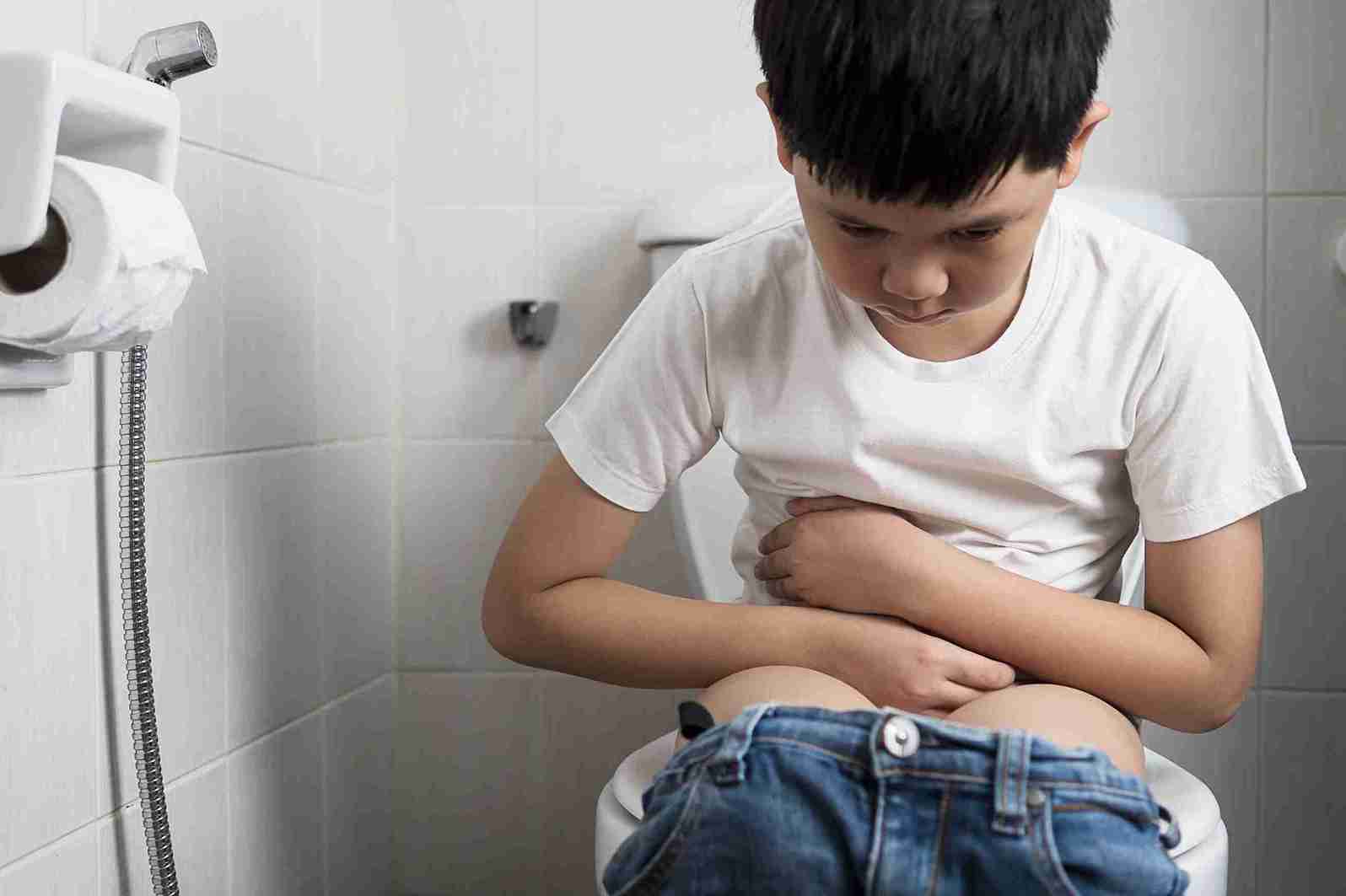
Diarrhoea is one of the leading causes of morbidity and mortality in children. Children tend to lose a lot of fluid, leading to severe dehydration, an imbalance in their electrolytes, shock, and, in very severe cases, if left unattended, it can even lead to death.
The number of deaths in children due to acute diarrhoea in developed nations has decreased over the last few years due to the introduction and increase in use of WHO-ORS.
So, why did WHO go on to alter its ORS when it was effectively reducing the number of deaths in children caused by diarrhoea? While the ORS was helping with rehydration, it did not reduce stool volume or the duration of diarrhoea. So, WHO started altering compositions to develop LORS, which is more effective than the original ORS in treating diarrhoea in children.
ORS stands for Oral Rehydration Solution. Low-osmolar oral rehydration solution is a unique formulation with sugar and sodium content that are lower compared to regular ORS. It is recommended by the WHO and UNICEF for treating dehydration in children resulting from diarrhoea.
LORS reduces stool output and vomiting, thus reducing the need for IV fluids when a child is suffering from diarrhoea. It enhances the absorption of sodium and water in the gut, and recovery is faster than with older ORS formulas.
LORS contains sodium chlorides, glucose, potassium chloride, citric acid, and osmolarity. These components work together to help the body absorb and retain more fluids, as diarrhoea can cause severe fluid loss and dehydration.
Low Osmolarity Oral Rehydration Solution offers the following advantages when given to children suffering from acute dehydration or diarrhoea –
Reduces Stool Output – Diarrhoea increases stool output, leading to fluid loss. LORS reduces stool frequency and volume in children.
Reduces Duration – LORS can also effectively reduce the duration of a diarrhoea episode.
Lesser Vomit – Compared with the standard WHO-ORS, which has higher sugar content, LORS reduces vomiting.
Fewer IV Drips – Severe dehydration and loss of essential body fluids require replenishment through IV drips. LORS reduces this need by decreasing the loss of body salts during diarrhoea.
Safe Sodium Levels – The sodium level in LORS is lower than in standard ORS. This reduces the risk of hypernatremia.
Improves Absorption – The specific combination of sodium and glucose in LORS facilitates faster absorption of water and electrolytes than the original ORS.
Easy to Use – LORS can be used for diarrhoea in children as well as cholera in children and adults. It is easy to get, mix, and administer, making it a convenient and effective solution.

According to ongoing studies, LORS is more effective not only in reducing the stool output but also in reducing vomiting. So, the two main causes of dehydration are decreased, and this in turn reduces the need for IV fluids to help replenish lost fluids in the child’s body. The low sodium content helps in preventing hypernatremia – a rare side effect of diarrhoea which can be caused by high sodium levels in the blood.
The instructions on the package are very clear and easy to follow.
Ensure you use only clean drinking water to avoid any form of water contamination.
Let your child have small sips at frequent intervals rather than gulping it down.
If your child vomits after drinking the solution, give them a break of about 10 minutes and offer the solution again.
Store the mixed solution in a clean container. Discard the solution after 24 hours and mix another fresh packet if necessary.
No, LORS is not an everyday beverage and should never be given unless the child is sick and requires such intense hydration. Remember, LORS is not just water. It contains certain body salts in a concentrated formulation, designed to replenish them faster than regular water or food. Giving this to children regularly, especially when there is no need, can disrupt their natural electrolyte balance, leading to unnecessary side effects.
Although LORS and ORS are over-the-counter solutions readily available worldwide, they are not recommended for regular consumption. If your child is severely dehydrated due to diarrhoea or even the heat, you can give them ORS after consulting your doctor. They will advise you on the quantity and frequency of administering the liquid, based on your child’s age, weight, requirement, etc.
In general, low-osmolality ORS (LORS) does not cause side effects when mixed and administered as directed by a doctor. However, in some cases, it can cause side effects.
If mixed improperly, it can cause an imbalance in electrolyte levels, leading to electrolyte toxicity. Ensure you use the right amount of water for mixing.
When used in severe sodium-loss conditions, it cannot correct the imbalance because it contains less sodium than the standard ORS solution.
Some individuals may experience mild bloating or nausea after consuming the solution.
It may not be effective in settings where children have different electrolyte needs.

Low Osmolarity ORS is a new WHO formulation. It is an alteration to its existing ORS, designed to address severe diarrhoea and promote quicker recovery in children. This solution may not yet be available in all regions. When instructions and recommendations are closely followed, LORS can be more beneficial for children than standard ORS in cases of severe diarrhoea or even cholera.

Low osmolarity ORS contains less sodium and glucose than the standard ORS solution.
Yes, it is considered safe for infants and children of all ages when prepared and administered as directed.
Yes, low osmolarity ORS is specifically formulated to treat severe diarrhoea in children. It is a modification of the standard ORS solution to help children with diarrhoea recover faster.
Yes, the instructions on the package are very simple and easy to follow. Parents should ensure they use only clean drinking water and mix the solution at the recommended water-to-LORS powder ratio to maximise benefit.


 Best Gynecologists in Bellandur Best Gynecologists in Electronic City Best Gynecologists in HRBR LayoutBest Gynecologists in Jayanagar Best Gynecologists in Kanakapura RoadBest Gynecologists in Malleswaram Best Gynecologists in Nagarbhavi Best Gynecologists in Old Airport RoadBest Gynecologists in Sahakarnagar Best Gynecologists in Sarjapur RoadBest Gynecologists in ThanisandraBest Gynecologists in Varthur RoadBest Gynecologists in Whitefield Best Gynecologists in Industrial Area Phase IIBest Gynecologists in OMRBest Gynecologists in T NagarBest Gynecologists in New Industrial TownBest Gynecologists in IndirapuramBest Gynecologists in Golf Course RoadBest Gynecologists in Sector 14Best Gynecologists in Sector 47Best Gynecologists in Banjara HillsBest Gynecologists in GachibowliBest Gynecologists in Hitech CityBest Gynecologists in KompallyBest Gynecologists in Gomti NagarBest Gynecologists in Phase 3, Sector 58Best Gynecologists in MaladBest Gynecologists in NerulBest Gynecologists in VashiBest Gynecologists in Kailash ColonyBest Gynecologists in PatparganjBest Gynecologists in Punjabi BaghBest Gynecologists in VikaspuriBest Gynecologists in Gaur CityBest Gynecologists in Pari ChowkBest Gynecologists in Sector 51Best Gynecologists in Sector 5 Swastik ViharBest Gynecologists in Kalyani NagarBest Gynecologists in SB RoadBest Gynecologists in Pimple SaudagarBest Pediatricians in BellandurBest Pediatricians in Electronic CityBest Pediatricians in HRBR LayoutBest Pediatricians in JayanagarBest Pediatricians in Kanakapura RoadBest Pediatricians in MalleswaramBest Pediatricians in NagarbhaviBest Pediatricians in Old Airport RoadBest Pediatricians in SahakarnagarBest Pediatricians in Sarjapur RoadBest Pediatricians in ThanisandraBest Pediatricians in Varthur RoadBest Pediatricians in WhitefieldBest Pediatricians in Industrial Area Phase IIBest Pediatricians in OMRBest Pediatricians in T NagarBest Pediatricians in New Industrial TownshipBest Pediatricians in IndirapuramBest Pediatricians in Golf Course RoadBest Pediatricians in Sector 14Best Pediatricians in Sector 47Best Pediatricians in Hitech CityBest Pediatricians in Banjara HillsBest Pediatricians in GachibowliBest Pediatricians in KompallyBest Pediatricians in Gomti NagarBest Pediatricians in Phase 3, Sector 58Best Pediatricians in MaladBest Pediatricians in NerulBest Pediatricians in VashiBest Pediatricians in Kailash ColonyBest Pediatricians in PatparganjBest Pediatricians in Punjabi BaghBest Pediatricians in VikaspuriBest Pediatricians in Gaur CityBest Pediatricians in Pari ChowkBest Pediatricians in Sector 51Best Pediatricians in Sector 5 Swastik ViharBest Pediatricians in Kalyani NagarBest Pediatricians in SB RoadBest Pediatricians in Pimple Saudagar


