





Finding out you are pregnant does not mean your life goes on pause. Work trips still happen. Weddings get planned. Family visits come up. And for many women, the question of whether it is safe to travel in the first trimester comes up before they have even had their first antenatal appointment.
The short answer is that travel during the first trimester is generally safe for healthy women with no complications. But it comes with considerations: comfort, what to do if something goes wrong while away from home, and which situations mean travel should wait.
Here is what you actually need to know before packing your bag.

The first trimester carries the highest risk of miscarriage. Most early miscarriages occur because of chromosomal changes in the embryo, which are usually beyond the mother’s control and not due to anything she did. Travel itself does not cause a miscarriage. But being far from home or in a place without easy access to good medical care when something goes wrong adds stress to an already difficult situation.
Another important point is that the first trimester is often when symptoms like nausea, fatigue, and overall discomfort are at their worst. For many women, the thought of a long journey—whether it’s a bumpy car ride with strong fuel smells or a flight filled with food aromas and other unpleasant odours—can feel genuinely unbearable. While travel itself is safe, it may not always be comfortable.
Wear the seatbelt correctly: The lap belt goes under the bump, or in the first trimester, across the lower abdomen, below the uterus. The shoulder belt goes between the breasts and across the chest. Never remove the seatbelt to be comfortable; it is safer on than off in any accident.
Stop every 1.5 to 2 hours: Sitting for long periods in a car slows blood circulation in the legs and increases the risk of blood clots, a risk that is already slightly higher in pregnancy. Stopping, getting out, gently stretching your legs, and walking for five minutes every couple of hours gets the circulation going and makes a real difference.
Manage nausea on the road: Motion sickness often intensifies during the first trimester. To help, sit in the front seat, keep a window slightly open for fresh air, avoid strong food smells, and focus on the horizon instead of looking at your phone. Traditional remedies like ginger biscuits or nimbu pani taken before the journey can be effective for some women.
Flying while pregnant in the first trimester is considered safe. The cabin pressure and radiation levels at cruising altitude do not pose a significant risk to the baby during occasional air travel. Frequent flyers, like airline crew, have different considerations, but for occasional travellers, there is no evidence that flying poses a risk to early pregnancy. What to keep in mind:
Check airline policies before booking: Most airlines do not have restrictions in the first trimester, but policies vary. Some require a letter from your doctor once you cross 28 weeks, but in the first trimester, documentation is rarely needed. Still, check the specific airline's policy before flying.
Stay hydrated on board: Cabin air is dry, and dehydration happens faster at altitude. Drink water regularly throughout the flight. Avoid excessive tea or coffee, both of which are diuretics and contribute to dehydration.
Move your legs during the flight: Deep vein thrombosis (DVT)—a blood clot in the leg—is a risk on long flights, and pregnancy increases that risk. If your flight is longer than three hours, try to get up and walk the aisle every hour. While seated, regularly move your ankles up and down and make gentle circular movements with your feet.
Choose an aisle seat: This makes getting up easier without disturbing other passengers and removes the barrier to moving regularly.
Carry your medical records: Keep a summary of your antenatal history, blood group, and other important medical details in your hand luggage. In case of a medical emergency while traveling, the local doctor needs this information quickly.
Book an online appointment with Dr. Kiranjeet Kaur for Pregnancy & Gynecology related issues.
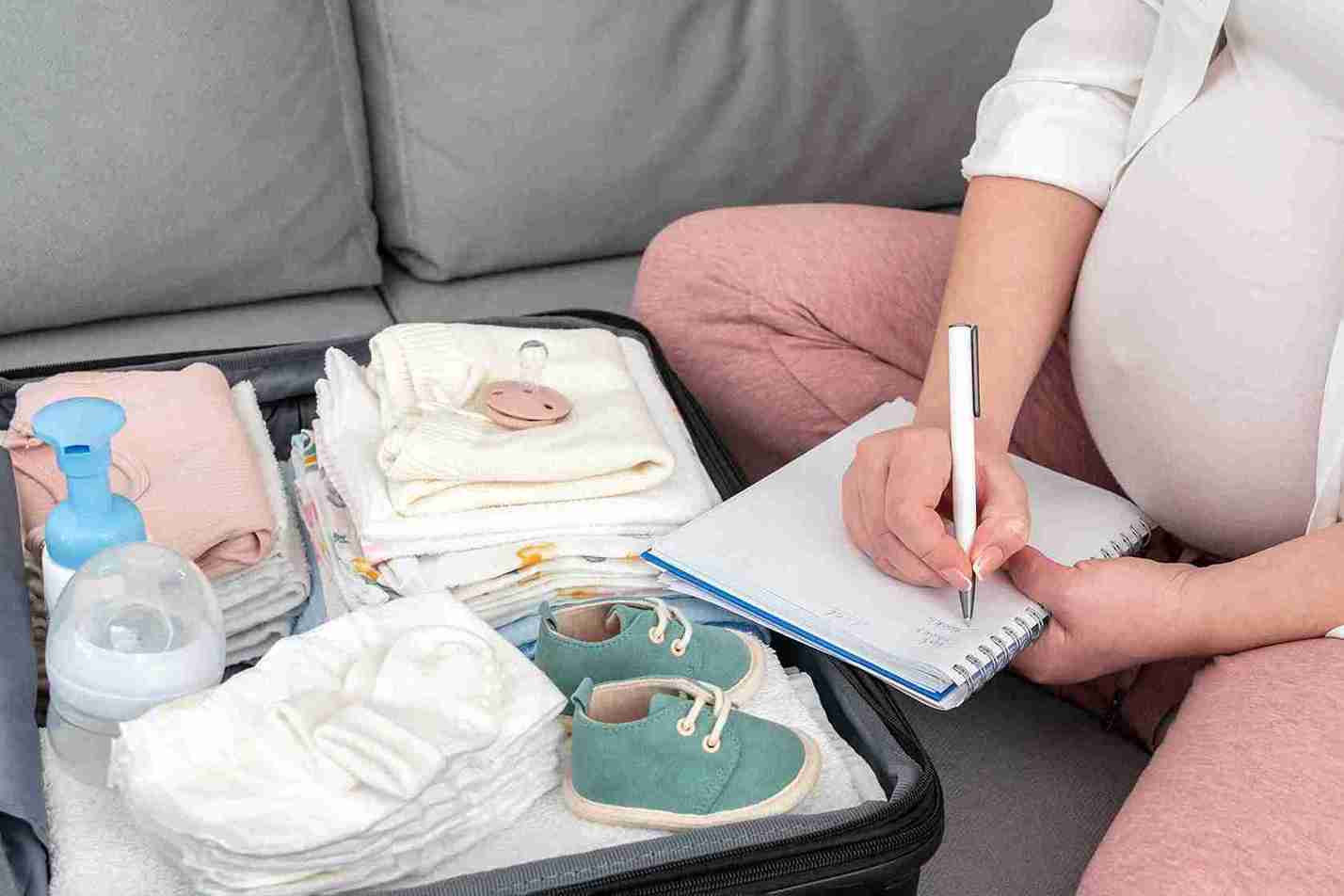
Whether travelling by car, train, or flight, a few things should be done before the trip.
Talk to your gynaecologist first: This step is more than a formality—your doctor has a full understanding of your individual situation, test results, and any history of bleeding or other concerns. Their clearance for travel matters. If you have had a threatened miscarriage, subchorionic haematoma, very low blood pressure, or severe nausea and vomiting, the advice may be to wait.
Know where the nearest good hospital is at your destination: Check this information in advance instead of scrambling for it during an emergency. Identify which hospital you would visit if you experience heavy bleeding or severe pain while away, and save the contact number beforehand.
Travel insurance that covers pregnancy: Many standard travel insurance policies exclude pregnancy-related emergencies. So it's important to read the fine print. If your current policy excludes obstetric emergencies, look for one that provides this coverage—this is particularly important for international trips.
Pack essentials in your carry-on or handbag: This includes your folic acid and any other prescribed supplements, a small snack for nausea, a water bottle, your medical summary, and any medications your doctor has prescribed. Always keep these items in your hand luggage.
Avoid destinations with active virus transmission: any infection during pregnancy can cause severe birth defects. Check the current advisory from the Ministry of Health before any international travel.
Be careful with food and water: Gastroenteritis—a stomach infection from contaminated food or water—is always unpleasant, but the risk of dehydration makes it especially concerning during pregnancy. If you're unsure about water quality at your destination, only drink bottled water and eat food that’s been freshly cooked. Avoid raw salads, cut fruit from street vendors, and unpasteurised dairy.
Altitude travel requires specific consideration: If the destination is at a high altitude, such as hill stations above 2,500 metres, like Leh or certain areas of Uttarakhand, reduced oxygen levels can affect both mother and baby.
Pregnancy travel safety is about knowing when to travel, when to avoid it, and how to make every journey safer.
Hold off on travel if:
Travelling in the first trimester is not off-limits, but it requires a little more planning than usual. Get your doctor's clearance, know where to go if something happens, stay hydrated and keep moving, and do not ignore what your body is telling you. Most early-pregnancy trips go without a hitch, and a bit of preparation helps ensure yours does too.

Want to consult the best gynecologists in India? Please find the links below.
Want to consult the best Maternity Packages in India? Please find the links below.

For most healthy women with no complications, travel during the first trimester is safe. Movement does not cause miscarriage. However, the first trimester carries the highest natural miscarriage risk, and being away from home during this time can make accessing timely care more difficult if concerns arise. Women with bleeding, a threatened miscarriage, severe nausea, or other complications should speak to their gynaecologist before making any travel plans.
Yes. Flying in the first trimester of pregnancy is generally considered safe for healthy women. Cabin pressure and altitude are not known to cause harm to an early pregnancy during occasional flights. Stay hydrated, stretch and move your legs regularly, wear compression stockings on long flights, and carry your medical records. Check the airline's pregnancy policy before booking, though most have no restrictions in the first trimester.
Key pregnancy travel tips include getting medical clearance before travelling, knowing the nearest hospital at your destination, staying hydrated, moving every 1 to 2 hours on long journeys, wearing a seatbelt correctly, carrying medical records in hand luggage, and being careful with food and water safety. Avoid destinations with any virus transmission and be cautious about very high-altitude travel without specific medical advice.
Travel should be avoided if you have had vaginal bleeding, a threatened miscarriage, a subchorionic haematoma, severe vomiting, or an ectopic pregnancy being monitored. Pregnancy travel safety also means avoiding remote destinations with no access to emergency obstetric care. Your gynaecologist knows your individual situation best. If they advise waiting, it is important to follow that guidance, even when the trip feels important.


 Best Gynecologists in Bellandur Best Gynecologists in Electronic City Best Gynecologists in HRBR LayoutBest Gynecologists in Jayanagar Best Gynecologists in Kanakapura RoadBest Gynecologists in Malleswaram Best Gynecologists in Nagarbhavi Best Gynecologists in Old Airport RoadBest Gynecologists in Sahakarnagar Best Gynecologists in Sarjapur RoadBest Gynecologists in ThanisandraBest Gynecologists in Varthur RoadBest Gynecologists in Whitefield Best Gynecologists in Industrial Area Phase IIBest Gynecologists in OMRBest Gynecologists in T NagarBest Gynecologists in New Industrial TownBest Gynecologists in IndirapuramBest Gynecologists in Golf Course RoadBest Gynecologists in Sector 14Best Gynecologists in Sector 47Best Gynecologists in Banjara HillsBest Gynecologists in GachibowliBest Gynecologists in Hitech CityBest Gynecologists in KompallyBest Gynecologists in Gomti NagarBest Gynecologists in MaladBest Gynecologists in NerulBest Gynecologists in VashiBest Gynecologists in Kailash ColonyBest Gynecologists in PatparganjBest Gynecologists in Punjabi BaghBest Gynecologists in VikaspuriBest Gynecologists in Gaur CityBest Gynecologists in Pari ChowkBest Gynecologists in Sector 51Best Gynecologists in Sector 5 Swastik ViharBest Gynecologists in Kalyani NagarBest Gynecologists in SB RoadBest Gynecologists in Pimple SaudagarBest Pediatricians in BellandurBest Pediatricians in Electronic CityBest Pediatricians in HRBR LayoutBest Pediatricians in JayanagarBest Pediatricians in Kanakapura RoadBest Pediatricians in MalleswaramBest Pediatricians in NagarbhaviBest Pediatricians in Old Airport RoadBest Pediatricians in SahakarnagarBest Pediatricians in Sarjapur RoadBest Pediatricians in ThanisandraBest Pediatricians in Varthur RoadBest Pediatricians in WhitefieldBest Pediatricians in Industrial Area Phase IIBest Pediatricians in OMRBest Pediatricians in T NagarBest Pediatricians in New Industrial TownshipBest Pediatricians in IndirapuramBest Pediatricians in Golf Course RoadBest Pediatricians in Sector 14Best Pediatricians in Sector 47Best Pediatricians in Hitech CityBest Pediatricians in Banjara HillsBest Pediatricians in GachibowliBest Pediatricians in KompallyBest Pediatricians in Gomti NagarBest Pediatricians in MaladBest Pediatricians in NerulBest Pediatricians in VashiBest Pediatricians in Kailash ColonyBest Pediatricians in PatparganjBest Pediatricians in Punjabi BaghBest Pediatricians in VikaspuriBest Pediatricians in Gaur CityBest Pediatricians in Pari ChowkBest Pediatricians in Sector 51Best Pediatricians in Sector 5 Swastik ViharBest Pediatricians in Kalyani NagarBest Pediatricians in SB RoadBest Pediatricians in Pimple Saudagar


