
There is something almost universal about the image of a pregnant woman craving something odd at an odd hour. Pickles with ice cream, raw mangoes dipped in salt, or an obsessive need for a particular brand of biscuit at 2 in the morning. Most people laugh it off, and in many cases, that is perfectly reasonable. But sometimes, what a woman is craving, or the intensity with which she craves it, deserves a closer look.
Food cravings during pregnancy are real, common, and in most cases, completely harmless. The challenge is knowing when they are a normal part of pregnancy and when they might indicate something that needs attention.
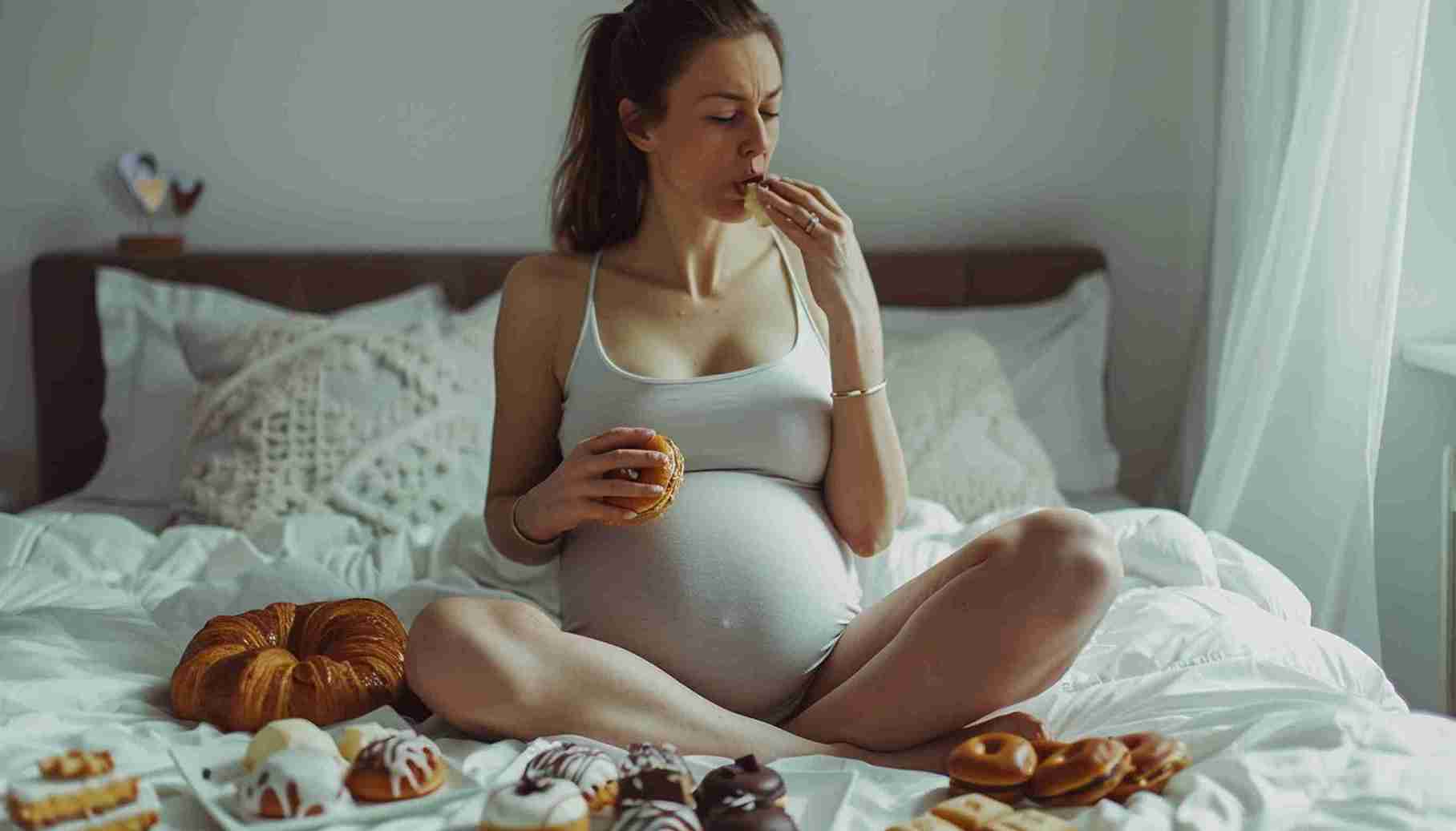
The honest answer is that no one has pinned this down completely. What we do know is that pregnancy brings significant hormonal shifts, particularly involving estrogen and progesterone, and these hormones affect taste and smell in ways that can make certain foods suddenly irresistible and others completely unbearable.
Some researchers believe cravings are the body's way of communicating nutritional needs. A sudden desire for dairy could reflect a need for calcium. Craving red meat might point to iron deficiency, which is especially common during pregnancy in India. This theory is appealing, but it does not explain everything. It does not quite account for why some women crave chips, sweets, or foods with very little nutritional value.
Emotional factors also play a role. Pregnancy is a time of significant psychological change, and food has long been tied to comfort and familiarity. Cravings for childhood favourites or regional foods from home are not unusual and certainly not a problem.
What is fairly consistent across research is the timing:
Though plenty of women will tell you their cravings ran a completely different course altogether.
In an Indian context, common food cravings during pregnancy tend to include raw mango, tamarind, lime-based snacks, and very spicy or very sour foods. Globally, sweets, dairy products, and salty snacks frequently appear in research. Cravings for carbohydrates like rice, bread, and pasta are also reported often.
Food aversions, the flip side of cravings, are just as worth mentioning:
None of this is unusual. Where things get more complicated is when the craving is not for food at all.
Pica in pregnancy is a condition where a woman develops persistent cravings for non-food substances. Clay, mud, chalk, soil, ice in large quantities, laundry starch, ash, or even raw rice are among the substances that come up in reported cases. The word pica comes from the Latin name for the magpie, a bird known for eating almost anything.
Pica in pregnancy is more common than many women realise, and it is not always discussed openly because there can be a sense of shame or embarrassment around it. In rural parts of India, eating clay or mud during pregnancy is sometimes treated as a cultural norm rather than a medical symptom worth investigating.
The concerns with pica are real and worth understanding:
Pica during pregnancy is often linked to iron-deficiency anaemia, and in many cases, treating the deficiency reduces or resolves the cravings entirely. If you are experiencing cravings for non-food items, mention this to your gynaecologist without delay. It is not something to feel embarrassed about, and it is very treatable once identified.
Nobody expects you to eat perfectly through nine months of pregnancy. Managing food cravings during pregnancy is less about suppressing every urge and more about finding a middle ground that keeps both you and your baby well nourished. A few pregnancy diet tips that are practical enough to actually follow:
If cravings are consistently pulling you towards foods with very little nutritional value, or feel genuinely uncontrollable, mention it at your next antenatal visit. Low iron or vitamin D can sometimes be behind this. Online pregnancy diet tips are a helpful starting point, but what your body needs during pregnancy is specific to you.
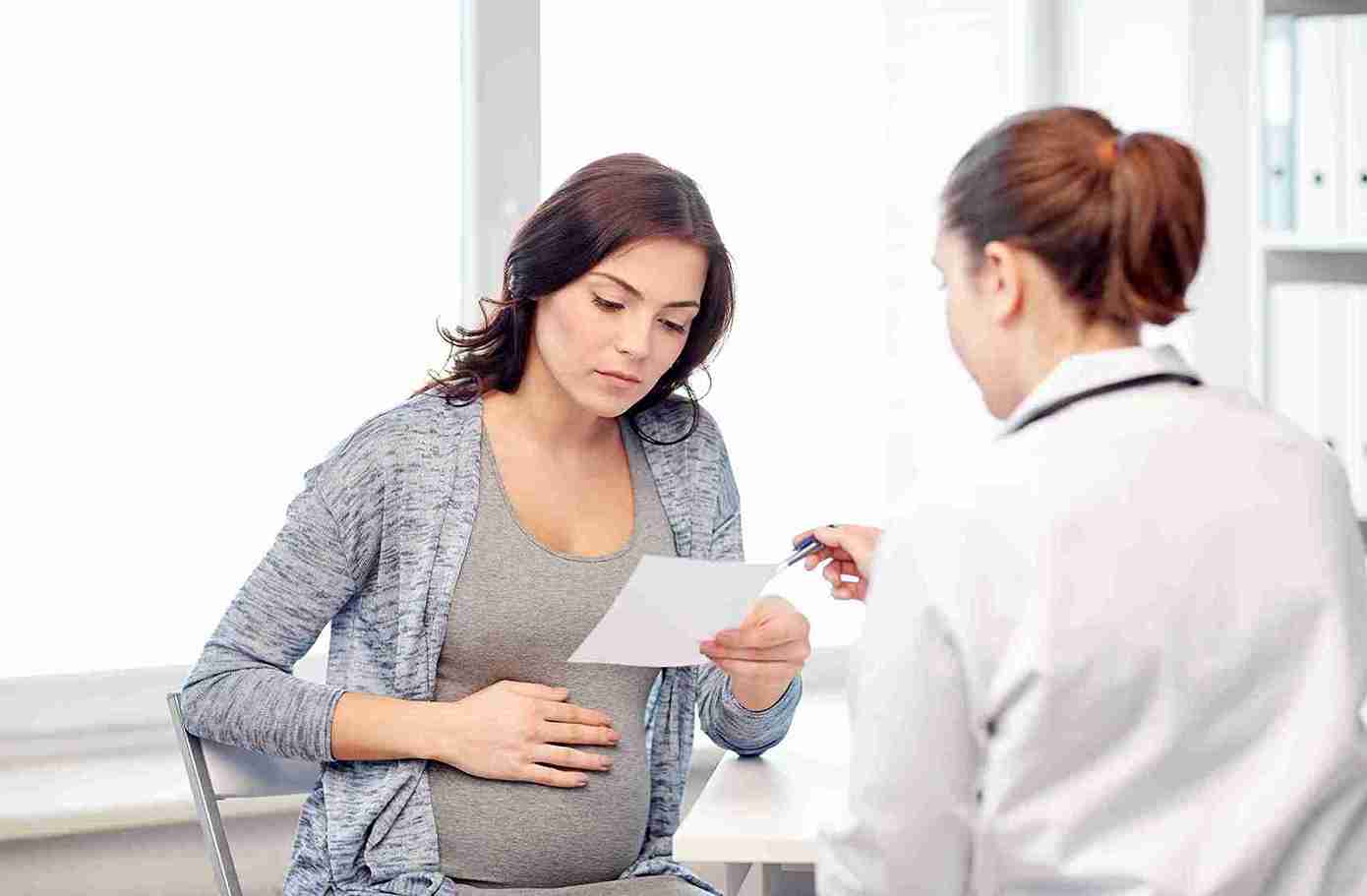
Most food cravings during pregnancy do not require a medical consultation. But a few situations do:
Your obstetrician or a registered dietitian can help you navigate these concerns in a way that is specific to your situation, rather than generalised advice.
Pregnancy has a way of surprising you, and cravings are one of the more memorable parts of the journey. For the most part, food cravings during pregnancy are your body doing what it needs to do, and there is no reason to feel guilty about the occasional indulgence. What matters is keeping the bigger picture in mind, eating as well as you can, and knowing when something feels off enough to bring up with your gynaecologist. Trust your instincts, and know that most of what you are experiencing is a very normal part of growing a baby.

Want to consult the best gynecologists in India? Please find the links below.
Want to consult the best Maternity Packages in India? Please find the links below.

Yes, cravings are very common and are experienced by most women, particularly in the first trimester. They are linked to hormonal changes and shifts in taste and smell. As long as cravings are for actual food and are part of a reasonably balanced diet, there is generally nothing to worry about. If there is anything unusual, share it with your gynaecologist just to be safe.
Pica in pregnancy refers to persistent cravings for non-food items such as mud, clay, chalk, ash, or raw rice. It is often linked to nutritional deficiencies, particularly iron-deficiency anaemia. It is treatable and should not be managed alone or dismissed as a passing phase.
Most food cravings do not harm the baby, provided the overall diet remains reasonably balanced. However, pica can interfere with nutrient absorption or introduce harmful substances into the body. Consistently eating large quantities of nutrient-poor or high-sugar foods is also worth raising with your doctor if it is affecting the quality of your overall pregnancy diet.
Complete suppression is neither necessary nor advisable. A better approach is mindful management through regular meals, adequate hydration, and healthier alternatives where possible. If a craving involves non-food substances or feels compulsive and uncontrollable, seek medical guidance rather than attempting to handle it on your own.







 Best Gynecologists in Bellandur Best Gynecologists in Electronic City Best Gynecologists in HRBR LayoutBest Gynecologists in Jayanagar Best Gynecologists in Kanakapura RoadBest Gynecologists in Malleswaram Best Gynecologists in Nagarbhavi Best Gynecologists in Old Airport RoadBest Gynecologists in Sahakarnagar Best Gynecologists in Sarjapur RoadBest Gynecologists in ThanisandraBest Gynecologists in Varthur RoadBest Gynecologists in Whitefield Best Gynecologists in Industrial Area Phase IIBest Gynecologists in OMRBest Gynecologists in T NagarBest Gynecologists in New Industrial TownBest Gynecologists in IndirapuramBest Gynecologists in Golf Course RoadBest Gynecologists in Sector 14Best Gynecologists in Sector 47Best Gynecologists in Banjara HillsBest Gynecologists in GachibowliBest Gynecologists in Hitech CityBest Gynecologists in KompallyBest Gynecologists in Gomti NagarBest Gynecologists in MaladBest Gynecologists in NerulBest Gynecologists in VashiBest Gynecologists in Kailash ColonyBest Gynecologists in PatparganjBest Gynecologists in Punjabi BaghBest Gynecologists in VikaspuriBest Gynecologists in Gaur CityBest Gynecologists in Pari ChowkBest Gynecologists in Sector 51Best Gynecologists in Sector 5 Swastik ViharBest Gynecologists in Kalyani NagarBest Gynecologists in SB RoadBest Gynecologists in Pimple SaudagarBest Pediatricians in BellandurBest Pediatricians in Electronic CityBest Pediatricians in HRBR LayoutBest Pediatricians in JayanagarBest Pediatricians in Kanakapura RoadBest Pediatricians in MalleswaramBest Pediatricians in NagarbhaviBest Pediatricians in Old Airport RoadBest Pediatricians in SahakarnagarBest Pediatricians in Sarjapur RoadBest Pediatricians in ThanisandraBest Pediatricians in Varthur RoadBest Pediatricians in WhitefieldBest Pediatricians in Industrial Area Phase IIBest Pediatricians in OMRBest Pediatricians in T NagarBest Pediatricians in New Industrial TownshipBest Pediatricians in IndirapuramBest Pediatricians in Golf Course RoadBest Pediatricians in Sector 14Best Pediatricians in Sector 47Best Pediatricians in Hitech CityBest Pediatricians in Banjara HillsBest Pediatricians in GachibowliBest Pediatricians in KompallyBest Pediatricians in Gomti NagarBest Pediatricians in MaladBest Pediatricians in NerulBest Pediatricians in VashiBest Pediatricians in Kailash ColonyBest Pediatricians in PatparganjBest Pediatricians in Punjabi BaghBest Pediatricians in VikaspuriBest Pediatricians in Gaur CityBest Pediatricians in Pari ChowkBest Pediatricians in Sector 51Best Pediatricians in Sector 5 Swastik ViharBest Pediatricians in Kalyani NagarBest Pediatricians in SB RoadBest Pediatricians in Pimple Saudagar


