
The first three months of pregnancy, from the 1st to the 3rd month, are an important phase for both maternal health and fetal development. During this period, the embryo develops rapidly, and the organs form; hence, proper nutrition is essential. Proper intake of vitamins, minerals, and macronutrients aids in the development of the embryo in its early stages, prevents common deficiencies, and provides energy to meet the demands brought upon by pregnancy.
This can, however, become a time of discomfort, with problems such as nausea, food aversions, and cravings that oppose balanced meal patterns. A well-drafted 1 to 3 month pregnancy diet chart by an expert nutritionist can provide adequate nutrition to the mother and the baby for a healthy pregnancy.
The guide provides a complete outline of the first month pregnancy food chart, along with the must-have nutrients tailored to the Indian diet.
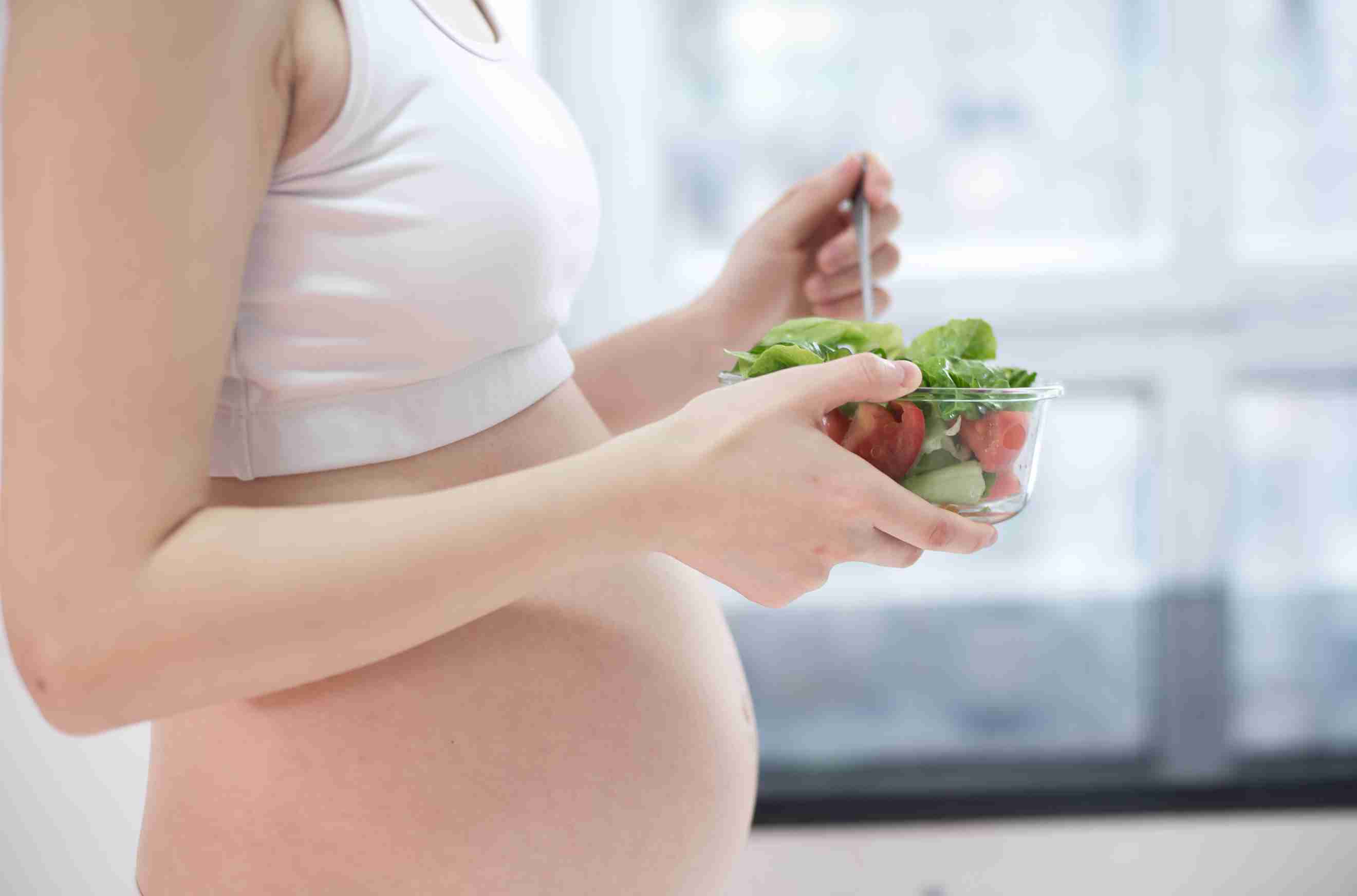
Folic acid is critical for neural tube formation, helping prevent birth defects of the brain and spinal cord. Pregnant women must make foods high in folate a priority, including:
● Spinach
● Methi (fenugreek leaves)
● Cereals
● Lentils and beans
Iron prevents anaemia, a frequent issue in early pregnancy, and aids oxygen delivery to the fetus. Incorporate foods high in iron, like:
● Lentils and chickpeas
● Red meat (if non-vegetarian)
● Leafy vegetables like kale and spinach
● Beans and peas
Calcium is important for the development of fetal bones and teeth. Calcium-rich foods include:
● Milk and yoghurt
● Paneer (cottage cheese)
● Plant-based milk alternatives fortified with calcium, such as almond or soy milk
Protein aids in tissue growth, organ development, and general fetal development. Suggested sources include:
● Eggs
● Pulses and legumes
● Dairy products such as milk, paneer, and yoghurt
● Lean meat or fish (low-mercury variety for non-vegetarians)
Vitamin C enhances iron uptake and bolsters immunity. Foods rich in Vitamin C include
● Citrus fruits such as oranges, lemons, and sweet lime
● Tomatoes
● Bell peppers and green leafy vegetables
Proper hydration is necessary to avoid fatigue, aid digestion, and enhance nutrient uptake. Choices include:
● Water (6–8 glasses a day)
● Coconut water for electrolytes
● Herbal teas such as ginger or peppermint (caffeine-free)
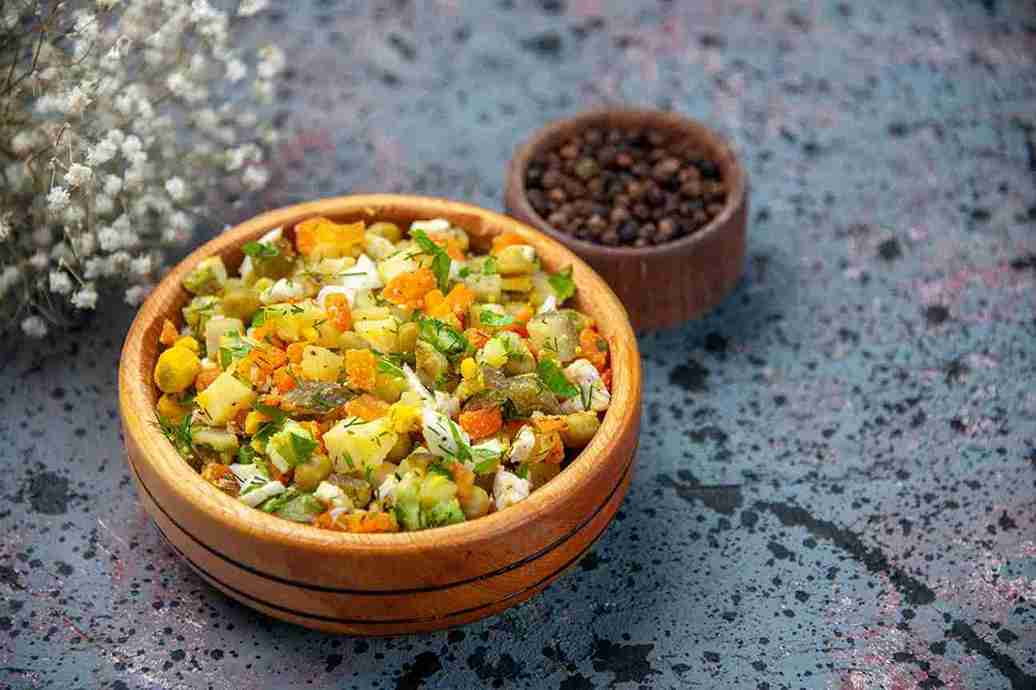
A well-designed 1 to 3 month pregnancy diet chart supports balanced nutrition without putting undue strain on the digestive system. Here's a sample Indian diet chart for the first trimester:
● Warm water with a few soaked almonds and dates
● Benefits: Keeps one hydrated, provides fibre, healthy fats, and instant energy
● Moong dal chilla with vegetables
● Poha with peas, carrots, and nuts
● Upma with a combination of vegetables
● Benefits: High in protein, complex carbs, and fibre; easy to digest
● Fresh fruits such as apple, banana, or papaya
● A handful of nuts (walnuts, almonds)
● Benefits: Supplies vitamins, minerals, and healthy fats; keeps energy levels up
● 2 rotis with dal (lentil soup) and vegetable curry
● Curd for probiotic support
● Brown rice option for variety
● Benefits: Balanced meal with carbs, proteins, fibre, and calcium
● Roasted chana (chickpeas)
● Sprouts salad with lemon and spices
● Fruit smoothie with yoghurt
● Benefits: Protein, fibre, and antioxidants; keeps energy up till dinner
● Light meal of dal, rice or roti, sautéed vegetables
● Add lean meat or egg curry if non-vegetarian
● Benefits: Easy to digest, nutrient-dense, prevents nighttime heaviness
● Warm milk with a pinch of turmeric or a small protein snack
● Benefits: Helps in quality sleep, offers protein and calcium
This 1 to 3 month pregnancy diet chart indian is adjustable according to taste, seasonality, and dietary needs. Vegetarian and non-vegetarian options are available to provide variety and balance.

● Eat Small, Frequent Meals
● Small meals control nausea, prevent acidity, and provide constant energy levels throughout the day.
Avoid:
● Raw or undercooked meat
● Unpasteurised milk and milk products
● Mercury-containing fish like king mackerel or swordfish
Alternate fruits, vegetables, grains, and proteins to provide a broad range of nutrients.
It is okay to have cravings or aversions. Use nutrient-equivalent substitutions rather than omitting important foods.
Overcoming First Trimester Dietary Challenges
● Drink ginger tea.
● Eat dry snacks like crackers or toast.
● Eat small, frequent meals instead of large servings.
Replace less nutrient-dense foods with nutrient-rich foods (for instance, spinach can be replaced by methi to fulfil the folate needs).
● Consume a high-fibre diet like oats, whole grains, fruits, and vegetables.
● Maintain adequate water intake and stay lightly active by going for short walks or prenatal-approved exercises.
Cloudnine hospitals emphasise personalised nutrition guidance complemented by thorough medical treatment. They have their professionals prescribing diet charts tailored to individual needs, monitoring the mother's and baby's health regularly, and offering real-world solutions for the most prevalent first-trimester issues like nausea or dietary restrictions. Such holistic care makes the first trimester safe and comfortable for women.

The initial three months set the tone for a healthy pregnancy. Keeping these nutrients in mind, following the balanced diet chart, and listening to your body's needs are the best ways to instil a perfect start for your child while taking care of yourself. Any significant changes to your diet must be made in consultation with your physician or a dietician.

Focus on folate-rich vegetables, lentils, lean proteins, whole grains, and fruits like oranges, apples, and papaya. Include calcium-rich dairy and drink plenty of water.
Avoid raw or undercooked meat, unpasteurised milk, high-mercury fish, and excessive processed or sugary foods.
Start the day with warm water, soaked almonds, and dates for hydration energy and fibre.
Almonds, walnuts, and cashews are good as they have protein, healthy fats, and essential minerals.







 Best Gynecologists in Bellandur Best Gynecologists in Electronic City Best Gynecologists in HRBR LayoutBest Gynecologists in Jayanagar Best Gynecologists in Kanakapura RoadBest Gynecologists in Malleswaram Best Gynecologists in Nagarbhavi Best Gynecologists in Old Airport RoadBest Gynecologists in Sahakarnagar Best Gynecologists in Sarjapur RoadBest Gynecologists in ThanisandraBest Gynecologists in Varthur RoadBest Gynecologists in Whitefield Best Gynecologists in Industrial Area Phase IIBest Gynecologists in OMRBest Gynecologists in T NagarBest Gynecologists in New Industrial TownBest Gynecologists in IndirapuramBest Gynecologists in Golf Course RoadBest Gynecologists in Sector 14Best Gynecologists in Sector 47Best Gynecologists in Banjara HillsBest Gynecologists in GachibowliBest Gynecologists in Hitech CityBest Gynecologists in KompallyBest Gynecologists in Gomti NagarBest Gynecologists in MaladBest Gynecologists in NerulBest Gynecologists in VashiBest Gynecologists in Kailash ColonyBest Gynecologists in PatparganjBest Gynecologists in Punjabi BaghBest Gynecologists in VikaspuriBest Gynecologists in Gaur CityBest Gynecologists in Pari ChowkBest Gynecologists in Sector 51Best Gynecologists in Sector 5 Swastik ViharBest Gynecologists in Kalyani NagarBest Gynecologists in SB RoadBest Gynecologists in Pimple SaudagarBest Pediatricians in BellandurBest Pediatricians in Electronic CityBest Pediatricians in HRBR LayoutBest Pediatricians in JayanagarBest Pediatricians in Kanakapura RoadBest Pediatricians in MalleswaramBest Pediatricians in NagarbhaviBest Pediatricians in Old Airport RoadBest Pediatricians in SahakarnagarBest Pediatricians in Sarjapur RoadBest Pediatricians in ThanisandraBest Pediatricians in Varthur RoadBest Pediatricians in WhitefieldBest Pediatricians in Industrial Area Phase IIBest Pediatricians in OMRBest Pediatricians in T NagarBest Pediatricians in New Industrial TownshipBest Pediatricians in IndirapuramBest Pediatricians in Golf Course RoadBest Pediatricians in Sector 14Best Pediatricians in Sector 47Best Pediatricians in Hitech CityBest Pediatricians in Banjara HillsBest Pediatricians in GachibowliBest Pediatricians in KompallyBest Pediatricians in Gomti NagarBest Pediatricians in MaladBest Pediatricians in NerulBest Pediatricians in VashiBest Pediatricians in Kailash ColonyBest Pediatricians in PatparganjBest Pediatricians in Punjabi BaghBest Pediatricians in VikaspuriBest Pediatricians in Gaur CityBest Pediatricians in Pari ChowkBest Pediatricians in Sector 51Best Pediatricians in Sector 5 Swastik ViharBest Pediatricians in Kalyani NagarBest Pediatricians in SB RoadBest Pediatricians in Pimple Saudagar


