
Coughing is common in children, especially when they suffer from or have recently recovered from viral infections such as a cold or the flu. Parents are often concerned about nighttime coughing in children, as it disrupts their sleep. Persistent cough at night in children can be a sign of an underlying medical condition, such as asthma, allergies, acid reflux or other health issues. Parents need not panic when their kids continuously cough at night, as it is a temporary condition that typically subsides with simple remedies, such as sleeping with their head elevated or using a humidifier. Here is a detailed insight into potential causes and treatments for nighttime cough in kids.
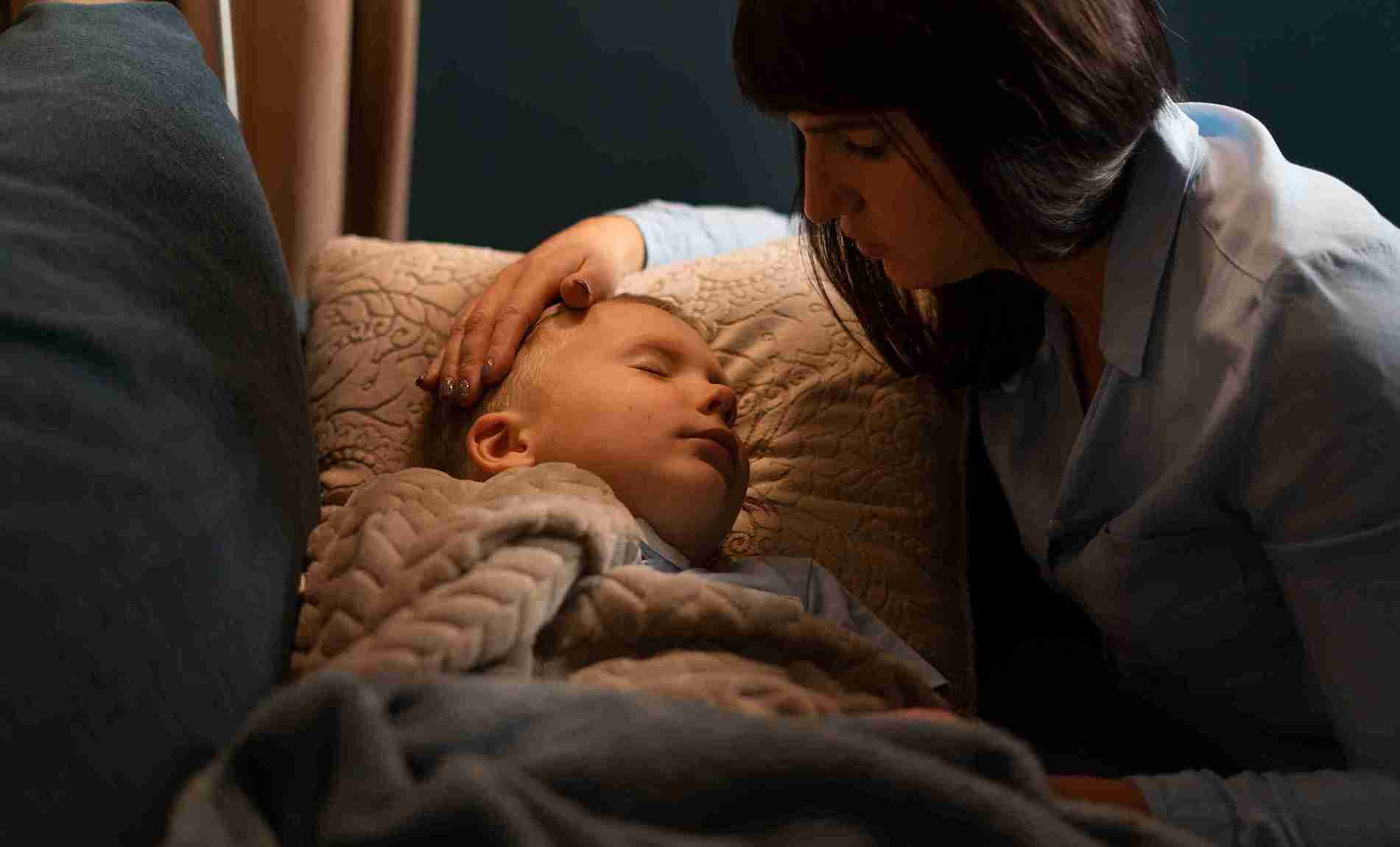
You may wonder why your child coughs more at night than during the daytime. Coughing at night in kids is common, and it is not always a sign of illness. Coughing during the night is a natural reflex of your kid’s body to clear the irritants present in the airways. During sleep, your child lies flat, and gravity makes it difficult for the mucus to drain from the nose, which pools in the throat, causing post-nasal drip. This, in turn, triggers nighttime coughing in kids.
Breathing dry air from the heating and cooling system can also irritate your child's respiratory tract, causing a persistent cough at night. Temperature fluctuations are also a reason for nighttime cough, i.e when your child moves from a warm environment to a cool area, it is likely that the airways get irritated.
The potential causes of nighttime cough in kids are-
Viral infections: The common cold, a common viral infection, triggers both wet and dry coughs at night. A night cough due to a cold typically persists for 1-2 weeks and subsides on its own. Croup is also a type of viral infection that causes a barking cough, typically at night.
Allergies: Environmental irritants such as dust mites, pollen, mould and pet dander trigger allergies, and they may inflame and irritate the airways, leading to a persistent cough at night.
Asthma: If your child suffers from asthma, then it is likely that your child coughs intensely at night. Allergens, cold air, exercise or physical activity typically trigger this type of cough.
Acid Reflux: If your child suffers from gastroesophageal reflux disease, then he/she may experience a coughing fit during the night. This is mainly due to the stomach acid that reaches the oesophagus during sleep, triggering a cough at night.
Parents must be aware of the common types of nighttime cough in kids based on their notable symptoms.
Dry Cough: You can tell your child suffers from a dry cough when there is no mucus or phlegm. Your child may experience a persistent nighttime cough due to specific medical conditions like asthma, allergies, acid reflux and post-viral irritation.
Barking Cough: When your child coughs like a barking seal, it is mainly due to swelling of the upper airways. Your child may suffer from a barking cough due to croup, a viral infection. A barking cough also indicates that some foreign body is stuck in the airway.
Cough with Wheezing: If your child suffers from asthma, it is likely that he/she persistently cough with a whistling sound. RSV, a common respiratory virus, can also cause cough with wheeze.

Nighttime cough in kids is not a serious condition and usually subsides on its own with simple home remedies. Try these simple home remedies and comfort measures to ease a cough at night.
● Use an extra pillow as a prop to help your child sleep in an elevated position, which can help prevent post-nasal drip and reduce nighttime coughs.
● Use a saline nasal spray or drop that helps clear nasal congestion, thereby reducing postnasal drip.
● Give your child a teaspoon of honey, as it is considered the best medicine to reduce cough. However, avoid honey for babies less than 1 year old.
● Ensure your child stays hydrated by providing them with plenty of fluids.
● Use a cool-mist humidifier in the room where your child sleeps, as it soothes the airways and loosens mucus, reducing nighttime cough.
Coughing in kids usually resolves on its own, but you may need medical help when your child experiences the following.
● A high-grade fever
● Severe coughing that lasts for more than three weeks
● Whooping cough
● Trouble breathing
● Unusual weakness
Prevention is always better than a cure. Follow the preventive measures listed below to help prevent nighttime cough in children.
● Wash your child’s bedding with hot water at least once a week.
● Remove the carpets from your kids' bedroom, as they can trap dust and dander.
● Regular vacuuming of your home can help eliminate allergens in your child’s sleep environment.
● Avoid using cleaning chemicals or other products with strong fragrances, as they can trigger coughs in kids.
● Never allow pets in your kids’ bedroom, as pet dander is a common allergen that can cause coughing in kids.

A nighttime cough is not always a serious condition and can often be treated with simple home remedies. However, parents must remain vigilant and look for other symptoms as it may require medical attention.

Your child may experience a persistent cough only at night, particularly when suffering from a cold, which can cause mucus to drain through the throat, triggering an intense cough at night. If your child is suffering from asthma, it may cause a severe nighttime cough, as the airways are more sensitive during sleep.
Simple home remedies, such as giving honey, keeping kids hydrated, elevating the head during sleep and using humidifiers, can help reduce the intensity of a cough or alleviate coughing.
Yes, honey can be given to children above 1 year of age. A spoonful of honey, known for its antimicrobial properties, helps fight against infection-causing cough. The viscous texture of honey coats the sore throat, reducing nighttime cough in kids.
If your baby has recovered from a viral infection, they may experience post-nasal drip, a common reason for nighttime coughs in babies and infants. Additionally, lying flat can exacerbate a baby's cough.







 Best Gynecologists in Bellandur Best Gynecologists in Electronic City Best Gynecologists in HRBR LayoutBest Gynecologists in Jayanagar Best Gynecologists in Kanakapura RoadBest Gynecologists in Malleswaram Best Gynecologists in Nagarbhavi Best Gynecologists in Old Airport RoadBest Gynecologists in Sahakarnagar Best Gynecologists in Sarjapur RoadBest Gynecologists in ThanisandraBest Gynecologists in Varthur RoadBest Gynecologists in Whitefield Best Gynecologists in Industrial Area Phase IIBest Gynecologists in OMRBest Gynecologists in T NagarBest Gynecologists in New Industrial TownBest Gynecologists in IndirapuramBest Gynecologists in Golf Course RoadBest Gynecologists in Sector 14Best Gynecologists in Sector 47Best Gynecologists in Banjara HillsBest Gynecologists in GachibowliBest Gynecologists in Hitech CityBest Gynecologists in KompallyBest Gynecologists in Gomti NagarBest Gynecologists in MaladBest Gynecologists in NerulBest Gynecologists in VashiBest Gynecologists in Kailash ColonyBest Gynecologists in PatparganjBest Gynecologists in Punjabi BaghBest Gynecologists in VikaspuriBest Gynecologists in Gaur CityBest Gynecologists in Pari ChowkBest Gynecologists in Sector 51Best Gynecologists in Sector 5 Swastik ViharBest Gynecologists in Kalyani NagarBest Gynecologists in SB RoadBest Gynecologists in Pimple SaudagarBest Pediatricians in BellandurBest Pediatricians in Electronic CityBest Pediatricians in HRBR LayoutBest Pediatricians in JayanagarBest Pediatricians in Kanakapura RoadBest Pediatricians in MalleswaramBest Pediatricians in NagarbhaviBest Pediatricians in Old Airport RoadBest Pediatricians in SahakarnagarBest Pediatricians in Sarjapur RoadBest Pediatricians in ThanisandraBest Pediatricians in Varthur RoadBest Pediatricians in WhitefieldBest Pediatricians in Industrial Area Phase IIBest Pediatricians in OMRBest Pediatricians in T NagarBest Pediatricians in New Industrial TownshipBest Pediatricians in IndirapuramBest Pediatricians in Golf Course RoadBest Pediatricians in Sector 14Best Pediatricians in Sector 47Best Pediatricians in Hitech CityBest Pediatricians in Banjara HillsBest Pediatricians in GachibowliBest Pediatricians in KompallyBest Pediatricians in Gomti NagarBest Pediatricians in MaladBest Pediatricians in NerulBest Pediatricians in VashiBest Pediatricians in Kailash ColonyBest Pediatricians in PatparganjBest Pediatricians in Punjabi BaghBest Pediatricians in VikaspuriBest Pediatricians in Gaur CityBest Pediatricians in Pari ChowkBest Pediatricians in Sector 51Best Pediatricians in Sector 5 Swastik ViharBest Pediatricians in Kalyani NagarBest Pediatricians in SB RoadBest Pediatricians in Pimple Saudagar


