
Your child just recovered from a cold last week. Now they are sniffling again. You feel like you are living at the chemist's, buying the same medicines over and over. Is this normal? Or is something else going on?
Frequent colds and coughs in children are incredibly common, especially in the early years. But when does "normal" cross into "too much"? Let us break it down.
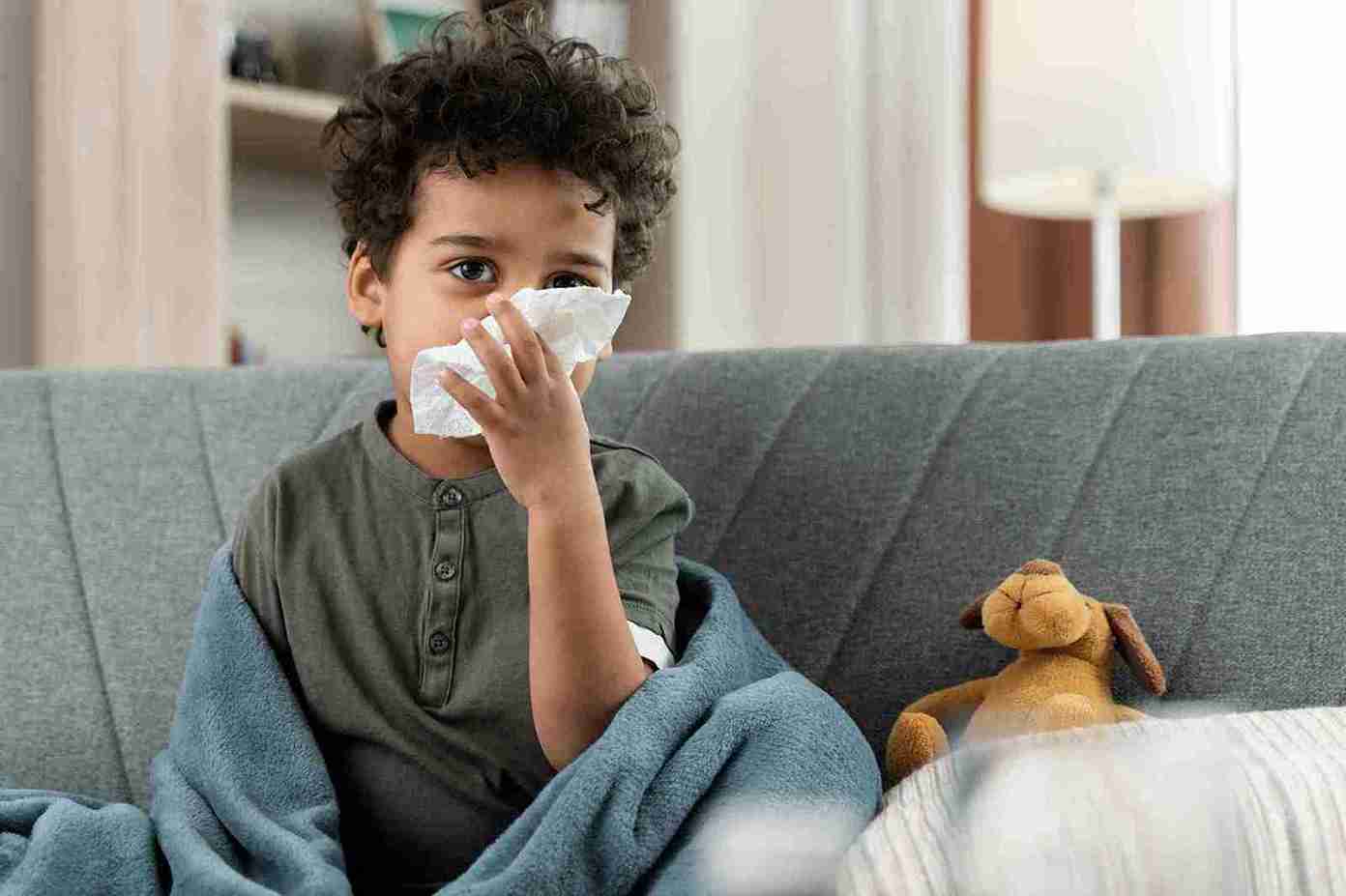
Here is what is actually normal: young children get 6-8 colds a year. That is almost one every 6 weeks. Toddlers and kids in playschool or daycare can get even more, up to 10-12 colds a year. Why so many? Their immune systems are still learning. Every cold is the body's way of building immunity. Plus, kids touch everything, put their hands in their mouths, and share toys and germs with other kids. So if your child is often sick but recovers well between infections, bounces back to their normal energy, eats well, and grows properly, this is probably just a normal childhood.
Recurrent cold in kids becomes a problem when:
They are Not Fully Recovering: If your child does not get back to normal between colds, still coughing when the next cold hits, constantly tired, that is not right.
Same Symptoms, Different Problem: If every cold comes with wheezing, the cough is always at night, or symptoms last weeks instead of days, you might be dealing with asthma or allergies, not just repeated colds.
Growth Problems: Constant illness affecting appetite and weight gain is a red flag.
Always Tired: If your child seems exhausted even when they are better, looks pale, or has no energy, get them checked for anaemia.
Same Place, Same Problem: Repeated ear infections, chronic sinusitis, or pneumonia happening again and again could mean structural problems.

Child respiratory infections keep coming back for several reasons:
Children's immune systems are works in progress. Each virus they meet teaches their body how to fight. This takes years. By around age 7-8, most kids get sick less often.
The more kids together, the more germs spread. Playschools are often packed with 30-40 kids in one room, and are germ factories. This is normal but exhausting for parents.
Pollution in cities wrecks children's airways. The poor air quality makes respiratory problems worse. Smoke from cooking, incense, mosquito coils, and passive smoking all irritate airways.
Many children do not get enough Vitamin D, despite being out in the sun, as well as Vitamin A, Vitamin C, and zinc. These deficiencies weaken immunity.
Sometimes, frequent infections point to asthma, allergies, enlarged adenoids, chronic sinusitis, or immune problems.
Asthma does not always mean wheezing. Watch for a cough that is worse at night or with exercise, a cough that lasts weeks after a cold, a cough triggered by cold air or laughing, or a family history of asthma or allergies. If your child’s cough responds well to bronchodilators (inhalers), that is a clue that it might be asthma.
Allergies cause constant nasal symptoms, an itchy nose, a clear runny nose, sneezing, and throat clearing. The cough is caused by mucus dripping down the throat. Other signs may include dark circles under the eyes, rubbing the nose upward (also called the allergic salute), itchy eyes, eczema, or symptoms that are worse in dusty rooms or around pets.
.jpg)
See a paediatrician if:
For frequent cold and cough, treatments depend on the cause:
Rest, fluids, and time. Most colds get better on their own in 7-10 days. You can give paracetamol for fever or discomfort. Honey soothes coughs only for kids over 1 year old. Steam inhalation helps clear stuffy noses. Do not give cough medicines to kids under 4 years, as they do not work and can be harmful.
Inhalers containing bronchodilators and, sometimes, steroids control symptoms. Your doctor will prescribe based on severity.
Antihistamines and nasal sprays can help. Try to avoid triggers like dust, pets, and pollen. If possible, get an allergy test done, as it helps identify the cause of the problem.

If your child has protracted bacterial bronchitis, which is a wet cough lasting weeks, they might need antibiotics. But most coughs are viral and do not need antibiotics.
Vitamin supplements can help if your child is deficient in a particular vitamin. Talk to your doctor before giving supplements.
Though it may seem impossible to stop all colds, you can reduce how often they happen:
Hygiene: Teach proper handwashing, 20 seconds with soap, especially before eating.
Nutrition: Balanced diet with fruits, vegetables, dals, and protein. Include Vitamin C foods and zinc.
Sleep: Kids need 10-12 hours. Good sleep strengthens immunity.
Vaccinations: Keep immunisations up to date. Flu vaccine before monsoon and winter reduces respiratory infections. The pneumococcal vaccine prevents serious lung infections.
Reduce Pollution: Use air purifiers in polluted cities. Avoid burning incense or mosquito coils in poorly ventilated rooms. Do not smoke around children.
Probiotics: Some studies show probiotics can reduce the frequency of respiratory infections.
Breast Milk: If you have a baby, breastfeed as long as possible, as it passes immunity.

Most kids with frequent colds are completely healthy. Their bodies are just learning to fight germs. This phase passes. But pay attention to patterns. If your child is not having a ‘healthy’ period between infections, is constantly unwell, or is not growing enough for their age, get them checked. Sometimes what looks like just another cold could actually be asthma, allergies, or a nutritional problem that needs treatment. Trust your instincts. You know your child best. If something feels off, see a doctor.
Want to consult the best pediatrician in India? Please find the links below
best pediatrician in Bangalore
Best pediatrician in Chandigarh
best pediatrician in faridabad
best pediatrician in hyderabad
Best pediatrician in New Delhi
Best pediatrician in Panchkula
Best pediatrician in Ghaziabad

Yes, asthma often shows up as a persistent cough, especially at night or with exercise. The cough might linger for weeks after a cold or get triggered by cold air, laughing, or running. Your child might not wheeze at all. This is called cough-variant asthma. If the cough responds to inhalers or lasts more than 4 weeks, see a doctor. A family history of asthma or allergies increases the likelihood. A paediatrician can test lung function to properly diagnose asthma.
Absolutely. Allergies to dust, pollen, pets, or mould cause constant nasal drainage that trickles down the throat, leading to coughing in kids. The cough is usually dry, worse at night, and often accompanied by a clear runny nose, sneezing, itchy eyes, or throat clearing. Kids might rub their noses upward or have dark circles under their eyes. Allergies do not cause fever. Treatment with antihistamines and nasal sprays, and avoidance of triggers, helps. Allergy testing can identify the cause of problems.
Yes, vaccines help a lot. The flu vaccine reduces respiratory infections, especially during the monsoon and winter. The pneumococcal vaccine prevents serious lung infections and pneumonia. The DTaP vaccine protects against whooping cough. Keeping all routine immunisations up to date strengthens immunity. Vaccines do not prevent all colds, as there are hundreds of cold viruses, but they do prevent serious infections that cause complications.
Treatment depends on the cause. For viral colds, rest, fluids, and honey help and most coughs clear in 7-10 days. For asthma, inhalers control symptoms. For allergies, antihistamines and avoiding triggers work. For bacterial infections like protracted bronchitis, antibiotics are needed. Steam inhalation clears stuffy noses. Paracetamol helps with fever. Do not give cough medicines to kids under 4. If nutritional deficiencies exist, supplements like Vitamin D, C, and zinc help. See a doctor for coughs lasting over 4 weeks.







 Best Gynecologists in Bellandur Best Gynecologists in Electronic City Best Gynecologists in HRBR LayoutBest Gynecologists in Jayanagar Best Gynecologists in Kanakapura RoadBest Gynecologists in Malleswaram Best Gynecologists in Nagarbhavi Best Gynecologists in Old Airport RoadBest Gynecologists in Sahakarnagar Best Gynecologists in Sarjapur RoadBest Gynecologists in ThanisandraBest Gynecologists in Varthur RoadBest Gynecologists in Whitefield Best Gynecologists in Industrial Area Phase IIBest Gynecologists in OMRBest Gynecologists in T NagarBest Gynecologists in New Industrial TownBest Gynecologists in IndirapuramBest Gynecologists in Golf Course RoadBest Gynecologists in Sector 14Best Gynecologists in Sector 47Best Gynecologists in Banjara HillsBest Gynecologists in GachibowliBest Gynecologists in Hitech CityBest Gynecologists in KompallyBest Gynecologists in Gomti NagarBest Gynecologists in MaladBest Gynecologists in NerulBest Gynecologists in VashiBest Gynecologists in Kailash ColonyBest Gynecologists in PatparganjBest Gynecologists in Punjabi BaghBest Gynecologists in VikaspuriBest Gynecologists in Gaur CityBest Gynecologists in Pari ChowkBest Gynecologists in Sector 51Best Gynecologists in Sector 5 Swastik ViharBest Gynecologists in Kalyani NagarBest Gynecologists in SB RoadBest Gynecologists in Pimple SaudagarBest Pediatricians in BellandurBest Pediatricians in Electronic CityBest Pediatricians in HRBR LayoutBest Pediatricians in JayanagarBest Pediatricians in Kanakapura RoadBest Pediatricians in MalleswaramBest Pediatricians in NagarbhaviBest Pediatricians in Old Airport RoadBest Pediatricians in SahakarnagarBest Pediatricians in Sarjapur RoadBest Pediatricians in ThanisandraBest Pediatricians in Varthur RoadBest Pediatricians in WhitefieldBest Pediatricians in Industrial Area Phase IIBest Pediatricians in OMRBest Pediatricians in T NagarBest Pediatricians in New Industrial TownshipBest Pediatricians in IndirapuramBest Pediatricians in Golf Course RoadBest Pediatricians in Sector 14Best Pediatricians in Sector 47Best Pediatricians in Hitech CityBest Pediatricians in Banjara HillsBest Pediatricians in GachibowliBest Pediatricians in KompallyBest Pediatricians in Gomti NagarBest Pediatricians in MaladBest Pediatricians in NerulBest Pediatricians in VashiBest Pediatricians in Kailash ColonyBest Pediatricians in PatparganjBest Pediatricians in Punjabi BaghBest Pediatricians in VikaspuriBest Pediatricians in Gaur CityBest Pediatricians in Pari ChowkBest Pediatricians in Sector 51Best Pediatricians in Sector 5 Swastik ViharBest Pediatricians in Kalyani NagarBest Pediatricians in SB RoadBest Pediatricians in Pimple Saudagar


