
Ear piercing for kids is a matter of concern for parents, as they worry about the pain and trauma their kids undergo during the process. You may have doubts about where the ear piercing is to be done and choosing the right ear-piercing method. Ear piercing services are done in hospitals, studios, malls, temples, and jewellery showrooms. Deciding the right place for the service is the key to making the process safe for your kids. When getting your child's ears pierced, there are some important things you should know about, which are covered in this guide.
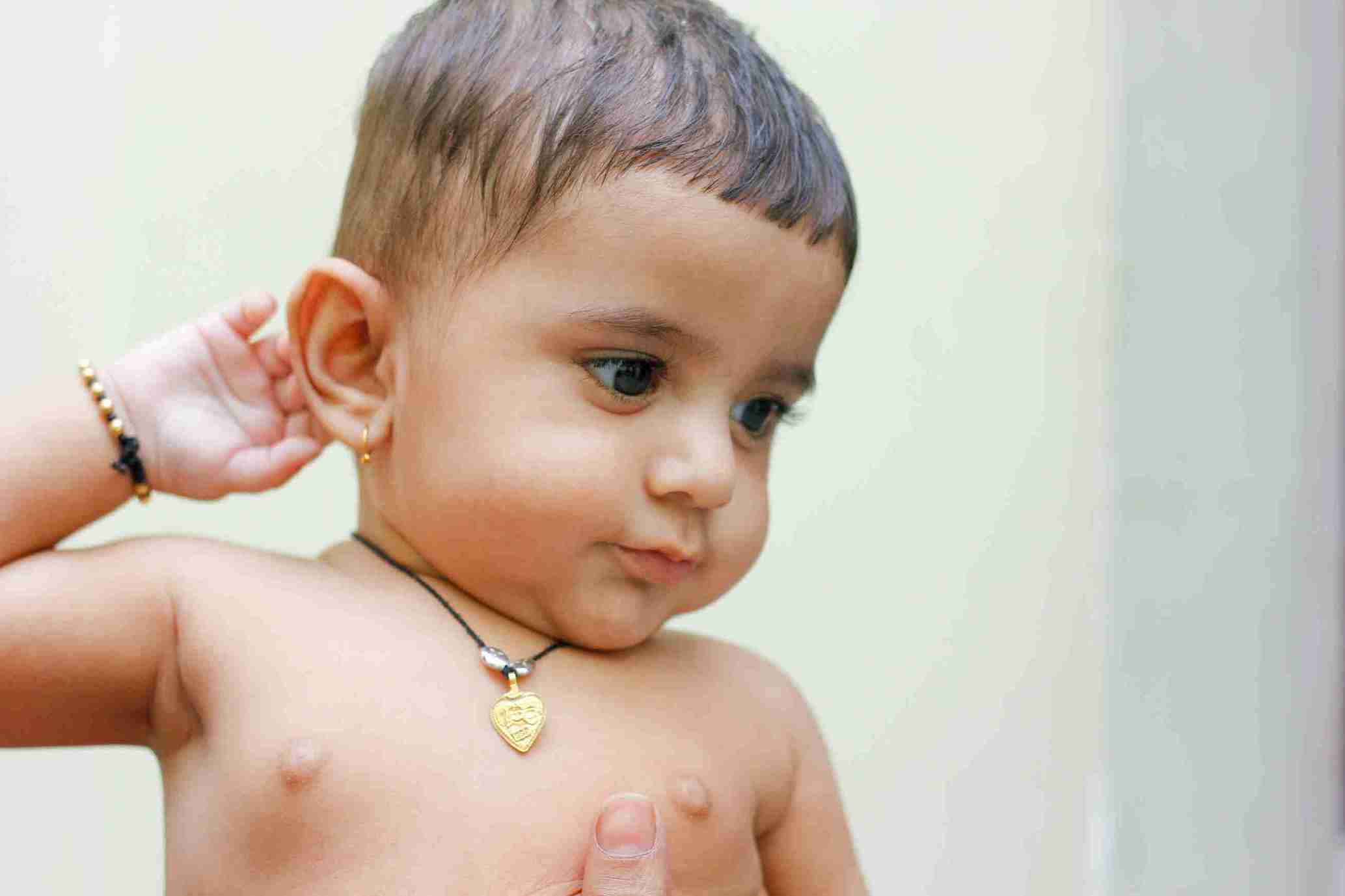
As per Indian traditions and the age-old customs that have been followed through generations, ear piercing, also referred to as Karnavedha, is a sacred Hindu ritual performed on Hindu infants, both boys and girls. There is a wide belief that ear piercing opens the inner ears to receive sacred sounds, clears the intellect and also awakens spiritual consciousness. As per Ayurvedic tradition, ear piercing stimulates the vital acupressure points in the body that can increase memory, eyesight, and overall health.
As per most Indian traditions, the ear piercing should be done when your baby is still an infant. It is easy to manage a child who doesn't know what is happening, and it is possible to pierce in a controlled manner. When ear-piercing is performed at this stage, the earlobes are tender, and it is easy to pierce. The minimum age requirement for ear-piercing is 3 months, or as and when the baby's head is steady.
Here are some of the main benefits of ear piercing at a young age:
When an ear piercing is done for a 6-9 months old, the infant is less likely to understand what is happening. In some cases, it heals so quickly that you may not even see any redness the next day.
Younger children may leave the ear alone after the piercing, and you can take care of the wound till it heals completely. Sometimes, leaving it alone is the best treatment, and it may heal faster too.
The discomfort is mostly at the time of the piercing, which most babies are likely to forget within a few seconds.
With an ear-piercing already in place, it gives children an option to wear earrings when they grow older. In the Indian tradition, girls and women commonly wear earrings on a daily basis. Today, even boys and men are opting for it as a style quotient.
When the facial features are accentuated with stylish jewellery, it can boost confidence and also improve self-esteem.
The main advantage of choosing piercing guns for ear piercing is that they are quick and easily accessible. However, doctors say to avoid this method since it is unsafe for both kids and adults when done by inexperienced or untrained individuals. Ear-piercing guns are reusable, which increases the risk of infection if they are not properly sterilised. Ear piercing using piercing guns is often performed by inexperienced or untrained individuals in malls, studios, and jewellery showrooms. These individuals may not be aware of the risks of infection and disease transmission involved in the process. Therefore, it is advisable to avoid places that feel unsafe and instead opt for a location with trained personnel where the process is safe.

Ear piercing by a professional is safe for your kids. Sterile, single-use needles used by trained professionals are often considered a safer option than reusable piercing guns because they can reduce tissue trauma and cross-contamination risks.
You can opt for a piercing studio or shop. Check if the person who carries out the piercing is trained. Ensure that they follow all the safety measures to avoid infection. Ear piercings are also done in hospitals and clinics. If you are looking for ear piercings near me, make sure to check for hospitals that provide them. Trained and experienced physicians make use of sterilised needles and other sterile equipment required for safe ear-piercing. Doctors also make use of numbing cream to make the procedure painless. It is always best to visit a hospital to get your kid’s ear pierced.
This is quite important, as the type of metal earring you use can cause infection after ear piercing. Choose a metal that does not oxidise or react with the skin. Check if the earring material is biocompatible. This avoids skin allergies and speeds up the ear-piercing healing process. Metals like titanium, gold, and stainless steel are completely safe for your kid’s ears.
You may notice certain signs, like the ear lobes becoming red, swelling, bleeding, or other discharge after ear piercing. This can be a sign of infection due to ear piercing. Your child may also suffer from fever due to the infection. Consult your paediatrician immediately when you notice any of the above signs. If signs of infection develop, consult a healthcare professional before removing the earrings.
It is important to prepare your child mentally for ear piercings. Make your child understand that ear piercing is a painful procedure. Explain to them that it is a simple and quick procedure. Make them emotionally strong by educating them on what to expect during and after the procedure. Educate them on how to take care of the pierced area and the cleaning procedure to avoid infection.
Before getting your children's ears pierced, it is important to be aware of the above things. With the mentioned insights, opt for a safe ear-piercing method. This way, you can avoid infections and other potential risks.


You must talk to your child about the procedure. You must mentally prepare them before the procedure. Tell them it is a quick process. Educate them on how to properly care for the pierced area to promote faster healing.
Choose a reputable piercer, understand aftercare, be aware of potential risks such as infection, and consider placement for optimal healing.
It is said that you can wait until 6 months to pierce your child. However, experts recommend parents avoid piercing babies and toddlers. They insist on waiting until your kid is ready for the procedure.
Deciding on the type of ear piercing for your kid mainly depends on factors such as safety, comfort, age, timing, the type and material of the initial earrings, and the piercer. Consulting your doctor and choosing an experienced piercer can help you decide on the type of ear piercing for your child.







 Best Gynecologists in Bellandur Best Gynecologists in Electronic City Best Gynecologists in HRBR LayoutBest Gynecologists in Jayanagar Best Gynecologists in Kanakapura RoadBest Gynecologists in Malleswaram Best Gynecologists in Nagarbhavi Best Gynecologists in Old Airport RoadBest Gynecologists in Sahakarnagar Best Gynecologists in Sarjapur RoadBest Gynecologists in ThanisandraBest Gynecologists in Varthur RoadBest Gynecologists in Whitefield Best Gynecologists in Industrial Area Phase IIBest Gynecologists in OMRBest Gynecologists in T NagarBest Gynecologists in New Industrial TownBest Gynecologists in IndirapuramBest Gynecologists in Golf Course RoadBest Gynecologists in Sector 14Best Gynecologists in Sector 47Best Gynecologists in Banjara HillsBest Gynecologists in GachibowliBest Gynecologists in Hitech CityBest Gynecologists in KompallyBest Gynecologists in Jawahar NagarBest Gynecologists in Gomti NagarBest Gynecologists in Phase 3, Sector 58Best Gynecologists in MaladBest Gynecologists in NerulBest Gynecologists in VashiBest Gynecologists in Kailash ColonyBest Gynecologists in PatparganjBest Gynecologists in Punjabi BaghBest Gynecologists in RohiniBest Gynecologists in VikaspuriBest Gynecologists in Gaur CityBest Gynecologists in Pari ChowkBest Gynecologists in Sector 51Best Gynecologists in Sector 5 Swastik ViharBest Gynecologists in Kalyani NagarBest Gynecologists in SB RoadBest Gynecologists in Pimple SaudagarBest Pediatricians in BellandurBest Pediatricians in Electronic CityBest Pediatricians in HRBR LayoutBest Pediatricians in JayanagarBest Pediatricians in Kanakapura RoadBest Pediatricians in MalleswaramBest Pediatricians in NagarbhaviBest Pediatricians in Old Airport RoadBest Pediatricians in SahakarnagarBest Pediatricians in Sarjapur RoadBest Pediatricians in ThanisandraBest Pediatricians in Varthur RoadBest Pediatricians in WhitefieldBest Pediatricians in Industrial Area Phase IIBest Pediatricians in OMRBest Pediatricians in T NagarBest Pediatricians in New Industrial TownshipBest Pediatricians in IndirapuramBest Pediatricians in Golf Course RoadBest Pediatricians in Sector 14Best Pediatricians in Sector 47Best Pediatricians in Hitech CityBest Pediatricians in Banjara HillsBest Pediatricians in GachibowliBest Pediatricians in KompallyBest Pediatricians in Jawahar NagarBest Pediatricians in Gomti NagarBest Pediatricians in Phase 3, Sector 58Best Pediatricians in MaladBest Pediatricians in NerulBest Pediatricians in VashiBest Pediatricians in Kailash ColonyBest Pediatricians in PatparganjBest Pediatricians in Punjabi BaghBest Pediatricians in RohiniBest Pediatricians in VikaspuriBest Pediatricians in Gaur CityBest Pediatricians in Pari ChowkBest Pediatricians in Sector 51Best Pediatricians in Sector 5 Swastik ViharBest Pediatricians in Kalyani NagarBest Pediatricians in SB RoadBest Pediatricians in Pimple Saudagar


