





Nowadays, innovative medical procedures have vastly improved the chances of successful conception for couples who are struggling with fertility issues. Assisted reproductive technologies like IVF (In-vitro Fertilization) have been instrumental in realising the dreams of countless couples across the world. These treatments are generally safe, with minimal side effects and complications.
However, sometimes, women undergoing fertility treatments may develop a condition known as "Ovarian Hyperstimulation Syndrome (OHSS)". In this article, we shall explore relevant aspects of this condition, such as the reasons behind its occurrence, common OHSS symptoms to watch out for while undergoing ART and the preventive measures that need to be taken to safeguard one's health.
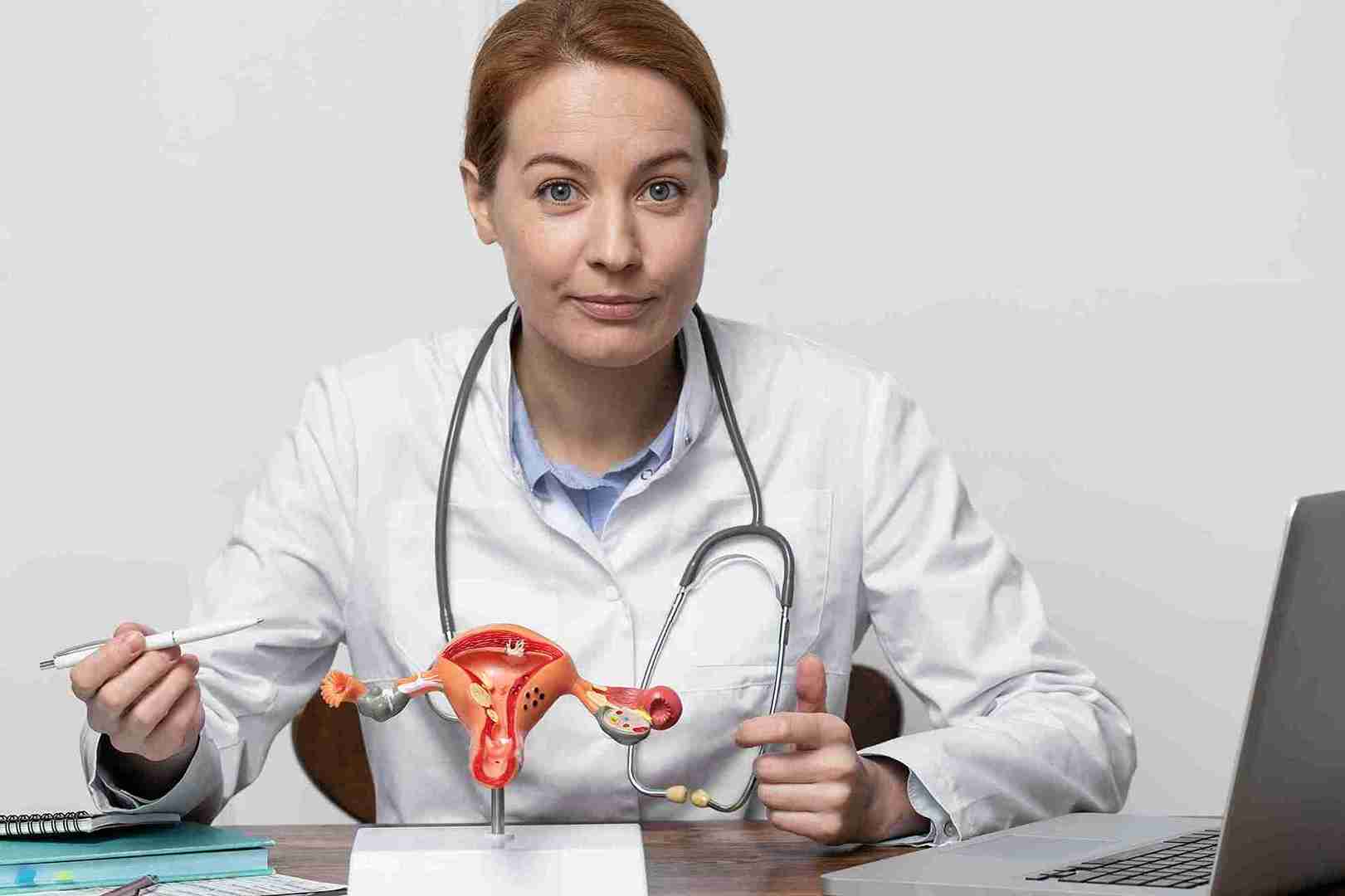
OHSS is a relatively rare complication that usually arises during fertility treatments like IVF that involve ovarian stimulation. Hormonal medications will be prescribed to induce follicular growth and maturation. These medications are designed to stimulate the follicles into developing multiple mature eggs, increasing the number of viable eggs that can be retrieved for the fertilisation process.
In a few cases, a complication called OHSS could arise as an exaggerated response to these medications. This condition causes the ovaries to enlarge and leak fluid into the abdomen. Women who've been diagnosed with PCOS, or those with high ovarian reserve, are at a higher risk of developing OHSS while undergoing fertility treatments.
The human chorionic gonadotropin (HCG) hormone, which stimulates the follicles within the ovaries to mature and release more than one mature egg, is typically the cause of OHSS. Women often get an HCG "trigger shot" before egg retrieval in IVF to aid in the maturation of the eggs. Sometimes this causes the ovaries to overreact, and the surrounding blood vessels may start to react abnormally and leak fluid. This fluid could even enter the abdominal region, causing issues like bloating and pain.
The intensity of OHSS symptoms can range from mild to moderate or severe. Studies suggest that around 20-35% of women who undergo IVF may experience mild symptoms, while just 3-6% experience moderate symptoms. Mild cases generally resolve within one to two weeks. However, if conception occurs during the cycle, symptoms may persist for a much longer period. Severe ovarian hyper stimulation symptoms are still considered to be a rare complication, affecting less than 3% of women undergoing IVF, and usually require hospitalisation.
● Mild to moderate pain or a feeling of tenderness in the abdominal region
● Abdominal bloating
● Slight weight gain or increase in waist size
● Nausea
● Vomiting
● Loose stools
● Rapid and excessive weight gain. OHSS could cause an increase of around 1 kilogram in 24 hours
● Severe pain in the abdomen
● Severe feeling of nausea and vomiting
● Decreased urination
● Occurrence of blood clots
● Shortness of breath
● Severely bloated or enlarged abdomen
Complications may occur if the symptoms of OHSS, especially the severe ones, are missed and treatment is not initiated on time. These include health issues like:
● Development of a thrombosis, or blood clot, in the lungs or legs.
● Retention of fluid in the abdomen, which could consequently affect the chest
● Kidney failure
● Increased chance of a stroke
● Respiratory issues
● Rupture of an ovarian cyst leading to severe bleeding
● Miscarriage, if conception had been successful
● Ovarian torsion (twisting of the ovaries)
● Abnormal electrolyte levels
To diagnose ovarian hyperstimulation syndrome, the doctor may recommend a series of tests. These usually include:
A physical exam will be performed to check for any unusual weight gain or swelling in the abdominal region. Pelvic exams will be avoided as they could lead to added pressure on the ovaries, which could lead to rupture.
Ultrasound imaging is performed to detect any abnormal increase in the size of the ovaries. Furthermore, it will also indicate the presence of free fluid in the abdomen.
Hormonal imbalances and kidney function impairment can be detected through blood investigations.
In case of severe OHSS, whereby the fluid has reached the chest region, chest X-rays may be performed to check for any fluid accumulation around the lungs.

Once a diagnosis has been confirmed, OHSS can be treated and managed by adopting a few strategies. The treatments will depend on the severity of the OHSS symptoms.
● Intake of medications like acetaminophen for pain relief.
● Staying hydrated: This includes drinking electrolyte-rich fluids to maintain optimal electrolyte levels.
● Medications like anticoagulants are prescribed to prevent the formation of blood clots.
● Monitoring weight gain/loss regularly.
● Being vigilant for any drastic changes, by undertaking frequent physical exams, blood tests and ultrasounds.
As stated earlier, if severe OHSS has been diagnosed, the patient will have to be admitted to the hospital for constant monitoring. Treatment usually involves:
● Receiving intravenous (IV) fluids.
● Medications like letrozole or gonadotropin-releasing hormone (Gn-RH) antagonist may be prescribed to limit activity in the ovaries.
● If there is excessive abdominal fluid, a procedure called paracentesis may be performed to drain it.
Women with a history of OHSS or those at risk, such as women with PCOS or high ovarian reserve, can use these OHSS prevention tips and ensure their safety:
Since OHSS frequently occurs following an HCG trigger shot, gonadotropin-releasing hormone (Gn-RH) agonists, including leuprolide (Lupron), have been developed as alternatives to HCG for triggering to prevent or reduce OHSS.
When the estrogen level is high or there are a large number of developed follicles, the fertility doctor may delay giving the HCG trigger shot. This method is called coasting.
The dosages of fertility medications may be adjusted in cases where there is a high risk of OHSS occurring.
Women with a high risk of OHSS may be advised to opt for embryo freezing. This will allow them to continue the IVF treatment at a safer time.

Fertility treatments like IVF have helped countless couples conceive a child. The procedures involved are usually safe, and complications like Ovarian Hyperstimulation Syndrome are considered to be quite rare. Nevertheless, it is best to be vigilant and consult your doctor when any abnormal symptoms start to appear, as it could be a sign of underlying health issues.

The most common symptom of OHSS is abnormal bloating in the abdominal area.
Yes, women with OHSS could experience nausea and vomiting.
Severe OHSS is actually quite rare. The symptoms include: ● Extreme weight gain, especially around the waist ● Kidney impairment ● Formation of dangerous blood clots in the legs or lungs ● Trouble breathing
Avoiding stress, maintaining a healthy weight, adopting a nutritious diet, and avoiding alcohol and caffeine may help reduce the risk of OHSS.


 Best Gynecologists in Bellandur Best Gynecologists in Electronic City Best Gynecologists in HRBR LayoutBest Gynecologists in Jayanagar Best Gynecologists in Kanakapura RoadBest Gynecologists in Malleswaram Best Gynecologists in Nagarbhavi Best Gynecologists in Old Airport RoadBest Gynecologists in Sahakarnagar Best Gynecologists in Sarjapur RoadBest Gynecologists in ThanisandraBest Gynecologists in Varthur RoadBest Gynecologists in Whitefield Best Gynecologists in Industrial Area Phase IIBest Gynecologists in OMRBest Gynecologists in T NagarBest Gynecologists in New Industrial TownBest Gynecologists in IndirapuramBest Gynecologists in Golf Course RoadBest Gynecologists in Sector 14Best Gynecologists in Sector 47Best Gynecologists in Banjara HillsBest Gynecologists in GachibowliBest Gynecologists in Hitech CityBest Gynecologists in KompallyBest Gynecologists in Gomti NagarBest Gynecologists in MaladBest Gynecologists in NerulBest Gynecologists in VashiBest Gynecologists in Kailash ColonyBest Gynecologists in PatparganjBest Gynecologists in Punjabi BaghBest Gynecologists in VikaspuriBest Gynecologists in Gaur CityBest Gynecologists in Pari ChowkBest Gynecologists in Sector 51Best Gynecologists in Sector 5 Swastik ViharBest Gynecologists in Kalyani NagarBest Gynecologists in SB RoadBest Gynecologists in Pimple SaudagarBest Pediatricians in BellandurBest Pediatricians in Electronic CityBest Pediatricians in HRBR LayoutBest Pediatricians in JayanagarBest Pediatricians in Kanakapura RoadBest Pediatricians in MalleswaramBest Pediatricians in NagarbhaviBest Pediatricians in Old Airport RoadBest Pediatricians in SahakarnagarBest Pediatricians in Sarjapur RoadBest Pediatricians in ThanisandraBest Pediatricians in Varthur RoadBest Pediatricians in WhitefieldBest Pediatricians in Industrial Area Phase IIBest Pediatricians in OMRBest Pediatricians in T NagarBest Pediatricians in New Industrial TownshipBest Pediatricians in IndirapuramBest Pediatricians in Golf Course RoadBest Pediatricians in Sector 14Best Pediatricians in Sector 47Best Pediatricians in Hitech CityBest Pediatricians in Banjara HillsBest Pediatricians in GachibowliBest Pediatricians in KompallyBest Pediatricians in Gomti NagarBest Pediatricians in MaladBest Pediatricians in NerulBest Pediatricians in VashiBest Pediatricians in Kailash ColonyBest Pediatricians in PatparganjBest Pediatricians in Punjabi BaghBest Pediatricians in VikaspuriBest Pediatricians in Gaur CityBest Pediatricians in Pari ChowkBest Pediatricians in Sector 51Best Pediatricians in Sector 5 Swastik ViharBest Pediatricians in Kalyani NagarBest Pediatricians in SB RoadBest Pediatricians in Pimple Saudagar


