
One day, your baby is entirely dependent on milk, and the next, you are sitting across from them with a small bowl of mashed banana, wondering if you are doing this right.
Starting solids is one of the most talked-about milestones in a baby's first year, and also one of the most anxiety-inducing for new parents. Start too early, and you risk digestive problems. Start too late, and you may miss a critical window for introducing textures and flavours. Get the foods wrong, and you worry about allergies, choking, and nutrition. The good news is that most parents, with a little guidance, get this right. And the fundamentals are simpler than the internet tends to make them seem.
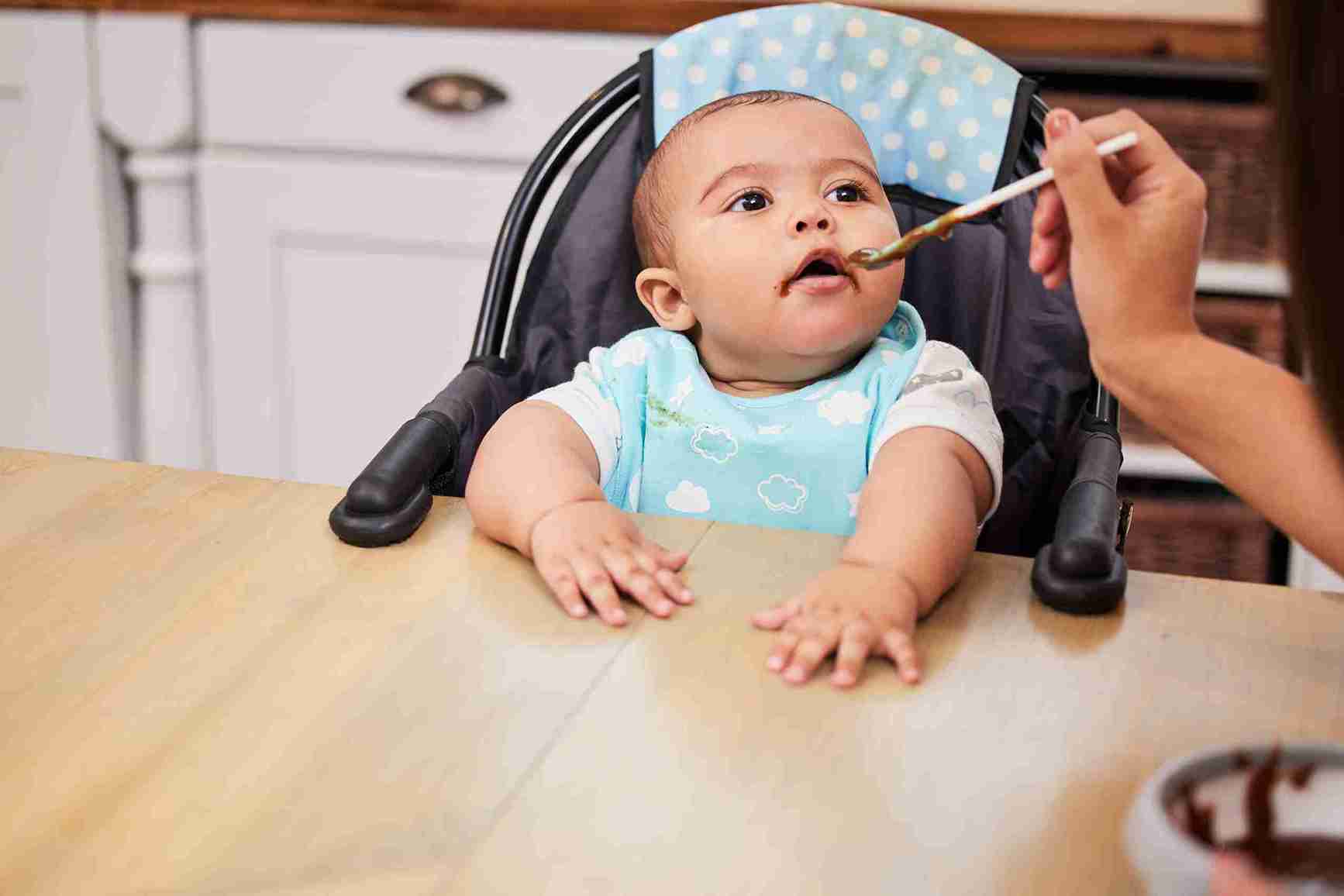
The World Health Organisation and most paediatric bodies, including Indian paediatric guidelines, recommend exclusive breastfeeding or formula feeding for the first six months of life. Baby weaning age, the point at which solids are introduced alongside milk, is six months for most babies.
Starting solids before six months puts pressure on a digestive system that is not yet ready, increases the risk of food allergies, and can interfere with milk intake at a stage when milk is still the primary source of nutrition and immunity.
Note that not all babies are ready right at six months. Some may show readiness signs slightly later. What matters is that the baby shows all three of the following signs before solids begin:
If a baby is 5.5 months old and showing all three signs clearly, speak to your paediatrician before starting. If a baby is six months and not yet showing these signs, continue with milk and check in with your doctor.
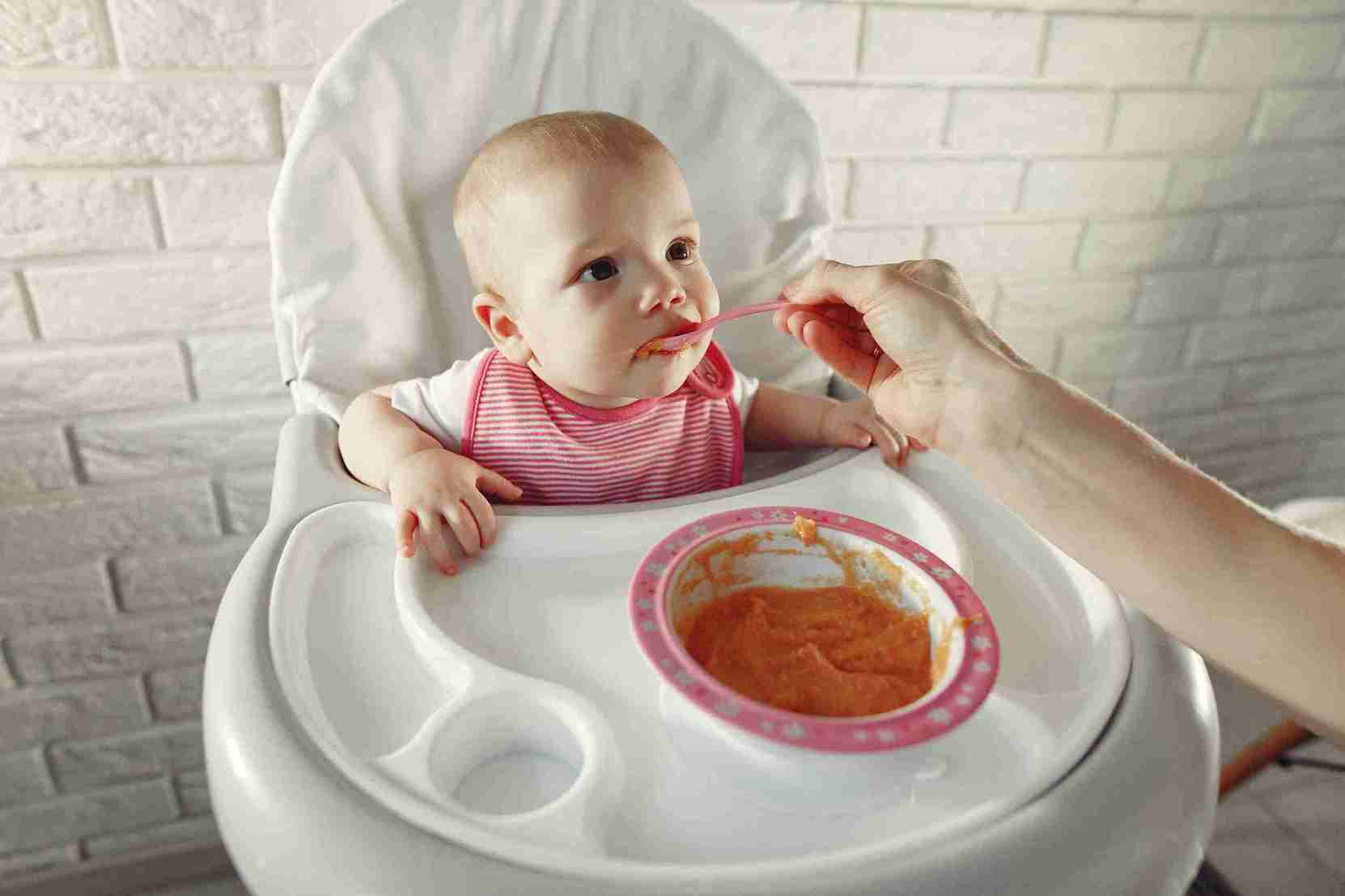
First foods for babies should be made with a single ingredient and prepared without any salt, sugar, honey, or any spices in the beginning. This gives your baby a chance to taste each food and makes it easier to identify a reaction if one occurs. First foods can be:
Introduce one new food at a time. Give a gap of two to three days before introducing the next. During this waiting period, watch for any reaction to the food, such as rashes, vomiting, loose stools, an upset stomach, or unusual fussiness.
A baby's feeding schedule typically means one small solid meal per day, offered when the baby is alert and neither too hungry nor too full. It might look like this:
Rigidity is not the goal here. Babies have appetite variations just as adults do. A baby who eats enthusiastically one day and turns away the next day is behaving entirely normally. The baby feeding schedule is a guide, not a rule.
This question worries parents more than almost any other, and the answer is almost always less than you expect. At first, a teaspoon or two is a full meal. By eight months, three to four tablespoons at a sitting is reasonable. By twelve months, roughly the equivalent of a small adult fist per meal is a reasonable estimate. The most reliable guide is the baby. A baby who turns their head away, clamps their mouth shut, or pushes food out is telling you they have had enough. Pressuring a baby to finish a portion trains them away from their natural hunger and fullness signals, which matters for long-term eating habits as much as it does for the current meal.
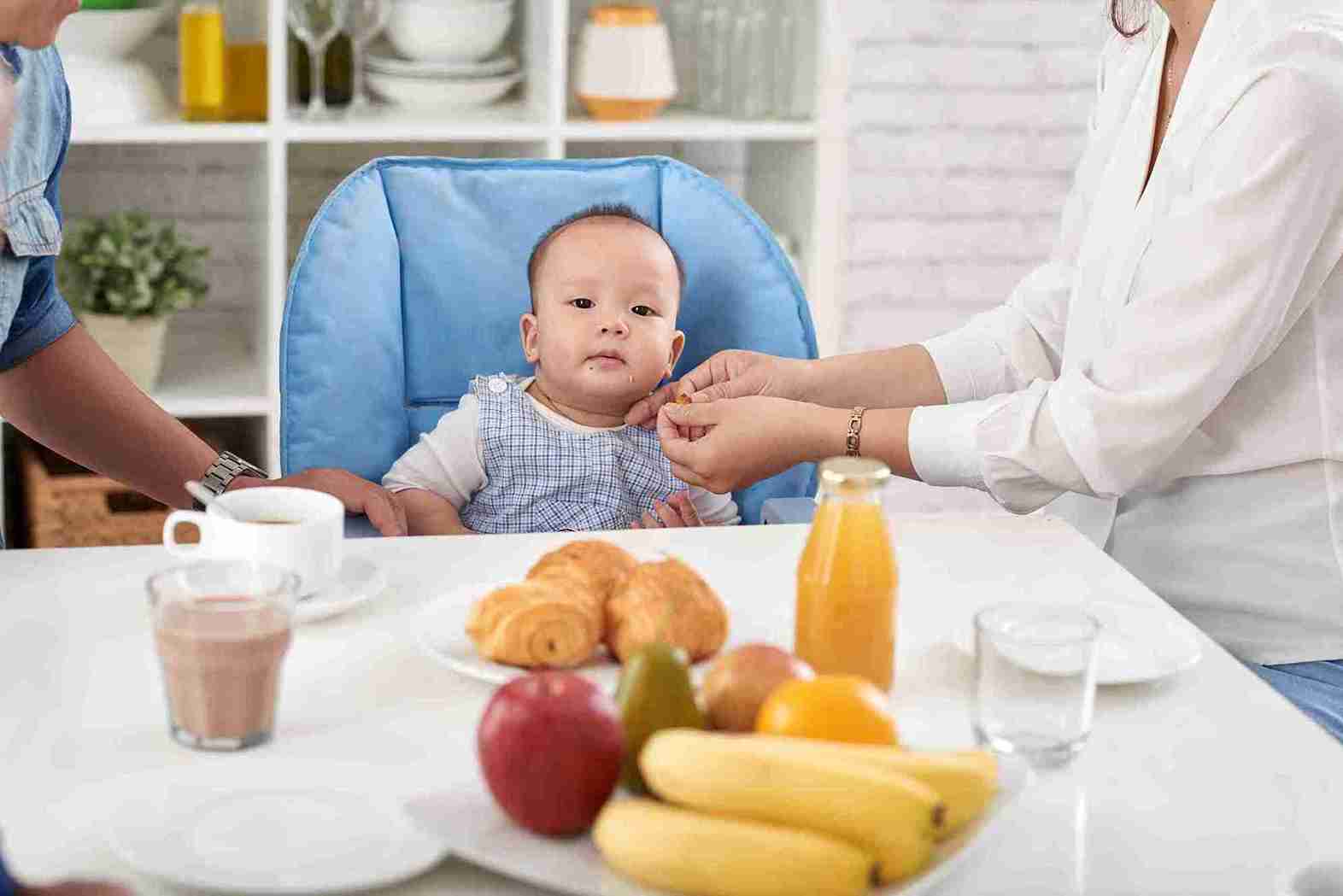
Knowing what not to give is as important as knowing where to start solid foods for a baby.
Honey must be avoided until after the first birthday. It can contain spores that cause infant botulism, a serious condition that a baby's immature digestive system cannot handle.
Salt and sugar should not be added to any food in the first year. Babies' kidneys are not equipped to process excess salt, and introducing sweet or salty tastes early can create taste preferences that are hard to shift later.
Cow's milk as a main drink should be waited until twelve months. It can be used in cooking, such as in porridge, from six months of age, but should not replace breast milk or formula as the primary drink.
Whole nuts are a choking risk and should not be given until the child is older. Nut butters, thinned and spread very thinly, can be introduced from 6 months of age in small amounts to assess tolerance.
Unpasteurised cheeses and raw or undercooked eggs pose significant infection risks for infants.
Very salty or heavily spiced foods, including most commercially available biscuits and snack foods, are not appropriate in the first year, even when they seem soft enough to eat.
Starting solids is not a test of parenting. It is a gradual process of understanding what a baby experiences, one small spoonful at a time. There will be rejected bowls, foods that come straight back out, and days when milk seems like the only acceptable thing. That is normal. Stay consistent, stay relaxed, and trust that a baby who is growing well and feeding regularly, whether on milk or a mix of milk and solids, is doing exactly what they need to do.

Want to consult the best pediatrician in India? Please find the links below
best pediatrician in Bangalore
Best pediatrician in Chandigarh
best pediatrician in faridabad
best pediatrician in hyderabad
Best pediatrician in New Delhi
Best pediatrician in Panchkula
Best pediatrician in Ghaziabad

Start with single-ingredient, smooth purees or mashes at six months. Offer one new food every two to three days to watch for any reactions. Begin with one small meal a day of 2 to 3 teaspoons, gradually increasing the quantity and texture over the following weeks. Keep first foods for babies simple and free of salt, sugar, and honey. Follow the baby's cues for hunger and fullness rather than trying to finish a set amount.
Far less than most parents expect. At six months, two to three teaspoons per meal is sufficient. By eight to nine months, three to four tablespoons at a sitting is reasonable. By twelve months, roughly a small fistful per meal is a practical guide. Appetite varies day to day and that is entirely normal. Never pressure a baby to finish a portion. The baby's feeding schedule should be guided by hunger cues, not portions.
Avoid honey until after twelve months due to the risk of infant botulism. Do not add salt or sugar to any food in the first year. Whole nuts, unpasteurised cheeses, and raw or undercooked eggs should be avoided. Cow's milk should not replace breast milk or formula as the main drink before twelve months. Commercially packaged biscuits and snack foods are often too salty and not appropriate for babies learning to start solid foods.
Single-ingredient, easily digestible foods work best as first foods for babies. In the Indian context, good starting points include moong dal water, ragi porridge, mashed ripe banana, boiled and mashed sweet potato, or plain rice porridge. Avoid salt, sugar, and spices at this stage. Introduce one food at a time with a two to three-day gap before the next, so any reaction can be identified clearly before moving on to something new.







 Best Gynecologists in Bellandur Best Gynecologists in Electronic City Best Gynecologists in HRBR LayoutBest Gynecologists in Jayanagar Best Gynecologists in Kanakapura RoadBest Gynecologists in Malleswaram Best Gynecologists in Nagarbhavi Best Gynecologists in Old Airport RoadBest Gynecologists in Sahakarnagar Best Gynecologists in Sarjapur RoadBest Gynecologists in ThanisandraBest Gynecologists in Varthur RoadBest Gynecologists in Whitefield Best Gynecologists in Industrial Area Phase IIBest Gynecologists in OMRBest Gynecologists in T NagarBest Gynecologists in New Industrial TownBest Gynecologists in IndirapuramBest Gynecologists in Golf Course RoadBest Gynecologists in Sector 14Best Gynecologists in Sector 47Best Gynecologists in Banjara HillsBest Gynecologists in GachibowliBest Gynecologists in Hitech CityBest Gynecologists in KompallyBest Gynecologists in Gomti NagarBest Gynecologists in MaladBest Gynecologists in NerulBest Gynecologists in VashiBest Gynecologists in Kailash ColonyBest Gynecologists in PatparganjBest Gynecologists in Punjabi BaghBest Gynecologists in VikaspuriBest Gynecologists in Gaur CityBest Gynecologists in Pari ChowkBest Gynecologists in Sector 51Best Gynecologists in Sector 5 Swastik ViharBest Gynecologists in Kalyani NagarBest Gynecologists in SB RoadBest Gynecologists in Pimple SaudagarBest Pediatricians in BellandurBest Pediatricians in Electronic CityBest Pediatricians in HRBR LayoutBest Pediatricians in JayanagarBest Pediatricians in Kanakapura RoadBest Pediatricians in MalleswaramBest Pediatricians in NagarbhaviBest Pediatricians in Old Airport RoadBest Pediatricians in SahakarnagarBest Pediatricians in Sarjapur RoadBest Pediatricians in ThanisandraBest Pediatricians in Varthur RoadBest Pediatricians in WhitefieldBest Pediatricians in Industrial Area Phase IIBest Pediatricians in OMRBest Pediatricians in T NagarBest Pediatricians in New Industrial TownshipBest Pediatricians in IndirapuramBest Pediatricians in Golf Course RoadBest Pediatricians in Sector 14Best Pediatricians in Sector 47Best Pediatricians in Hitech CityBest Pediatricians in Banjara HillsBest Pediatricians in GachibowliBest Pediatricians in KompallyBest Pediatricians in Gomti NagarBest Pediatricians in MaladBest Pediatricians in NerulBest Pediatricians in VashiBest Pediatricians in Kailash ColonyBest Pediatricians in PatparganjBest Pediatricians in Punjabi BaghBest Pediatricians in VikaspuriBest Pediatricians in Gaur CityBest Pediatricians in Pari ChowkBest Pediatricians in Sector 51Best Pediatricians in Sector 5 Swastik ViharBest Pediatricians in Kalyani NagarBest Pediatricians in SB RoadBest Pediatricians in Pimple Saudagar


