
The period after childbirth is one of the most critical phases in a woman’s life, where proper nutrition plays a central role in recovery and overall well-being. Choosing the right food after delivery for Indian mother is essential not only for healing the body but also for restoring energy levels and supporting breastfeeding. After delivery, a mother’s body undergoes significant hormonal and physical changes, which increase nutritional requirements.
In India, traditional diets have long emphasised home-cooked, nutrient-rich foods that promote recovery and lactation. From warming foods like khichdi to nourishing laddoos, Indian dietary practices are deeply rooted in supporting postpartum health. A balanced and mindful approach to diet ensures that both the mother and baby receive the essential nutrients needed during this phase.
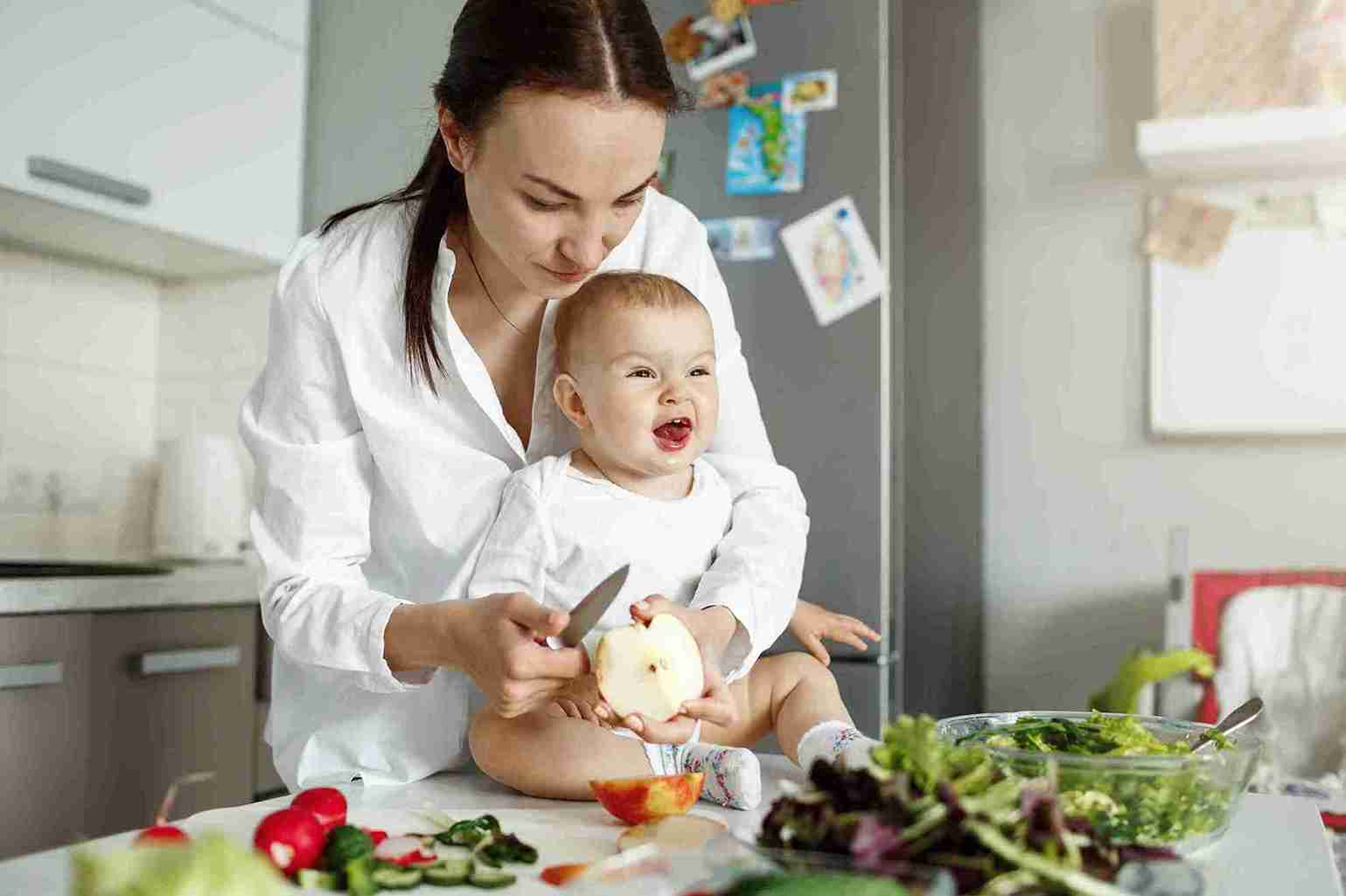
Postpartum proper nutrition is very important for several reasons. Firstly, it helps in repairing and healing damaged tissue in the body post-delivery. Whether it is a natural or a C-section delivery, the body requires sufficient nutrition to heal itself.
Secondly, a nutritious diet helps boost breast milk production. Foods rich in protein, healthy fats, and fluids contribute significantly to maintaining a sufficient milk supply.
Lastly, good nutrition helps replenish energy levels. The postpartum period can be very draining as the mother is sleep-deprived, hence the need for balanced nutrition to restore their energy levels and promote overall well-being.
A well-rounded after delivery Indian food for mother should include a balance of proteins, vitamins, minerals, and healthy fats. Here’s how a mother should structure her diet plan:
Protein is essential for tissue repair and recovery. Including foods like dal, paneer, eggs, and chicken helps rebuild muscles and heal internal tissues. These foods also support lactation by improving milk quality.
Iron helps replenish blood loss during delivery and prevents anaemia. Green leafy vegetables such as spinach, along with jaggery and dates, are excellent sources of iron that help improve haemoglobin levels.
Calcium is crucial for maintaining bone strength, especially during breastfeeding. Milk, curd, and sesame seeds provide adequate calcium to support both mother's and baby’s bone health.
Whole grains like roti, brown rice, and oats provide sustained energy. They are rich in fibre and help maintain digestion while keeping energy levels stable throughout the day.
Healthy fats play an important role in healing and milk production. Moderate consumption of ghee, along with nuts like almonds and walnuts, supports overall recovery and enhances the nutritional quality of breast milk.
Adequate hydration is essential for milk production and overall health. Water, coconut water, and soups help maintain fluid balance and prevent dehydration.
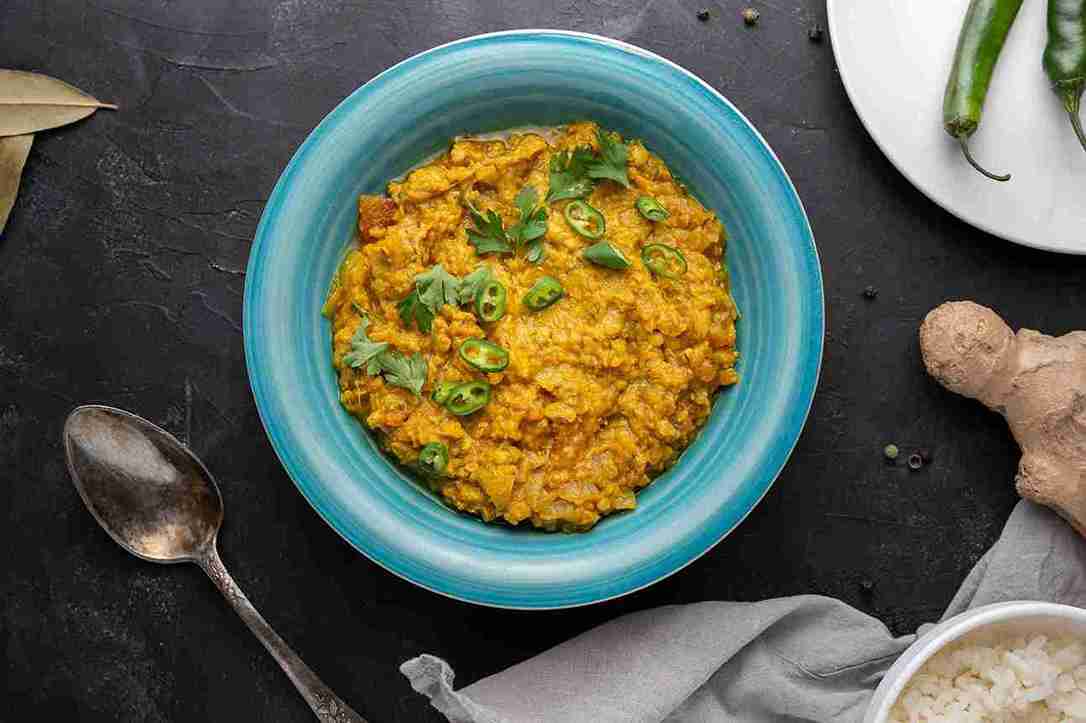
Indian cuisine has traditionally served such traditional foods which help in the healing process of new mothers:
These traditional foods can be consumed by moms due to their cultural significance and also because of their nutritional value.
When it comes to mothers who have undergone surgery, their choice of food after c section delivery for Indian mother is crucial. The emphasis needs to be on foods that are easy to digest and nutritious without causing any uneasiness.
Meals that are light, such as moong dal khichdi, soft roti, and vegetable soups, should be consumed during the first few days. This kind of food will not put much strain on the digestive process but is nevertheless full of nutrients.
One must also refrain from consuming food that causes gas, such as cabbage, cauliflower, and deep-fried foods. A healthy protein diet is highly recommended to aid in healing surgical wounds and building up strength.
For the first week, consume easily digestible food items such as khichdi, soups, and boiled vegetables to help your body adapt and heal.
Slowly include more varieties of foods in your diet. These may consist of various nutrients, including protein, fat, carbohydrates, etc., and traditional foods from India.
Once one month has passed, you can resume eating a well-balanced diet in appropriate quantities of all foods, thereby providing consistent energy and nutrition.
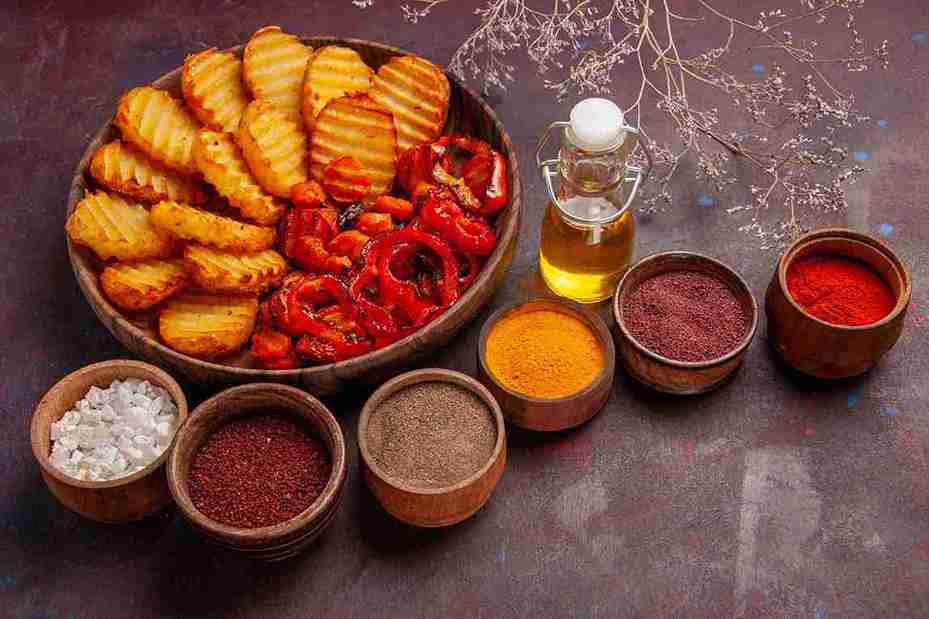
Some food items must be restricted or avoided immediately after childbirth:
Several myths revolve around a post-delivery diet. The first one states that you should eat as much food containing a lot of ghee as possible. Although this fat is useful, eating too much of it can contribute to unwanted weight gain.
Another myth is avoiding certain vegetables without medical reason. In reality, most vegetables are safe and nutritious unless they cause specific digestive issues. A balanced and informed approach is always better than blindly following restrictions.
If you have persistent weakness and fatigue or insufficient milk production, you should see a doctor or a nutritionist. In case you have pre-existing medical conditions or complications, you should definitely contact your physician.
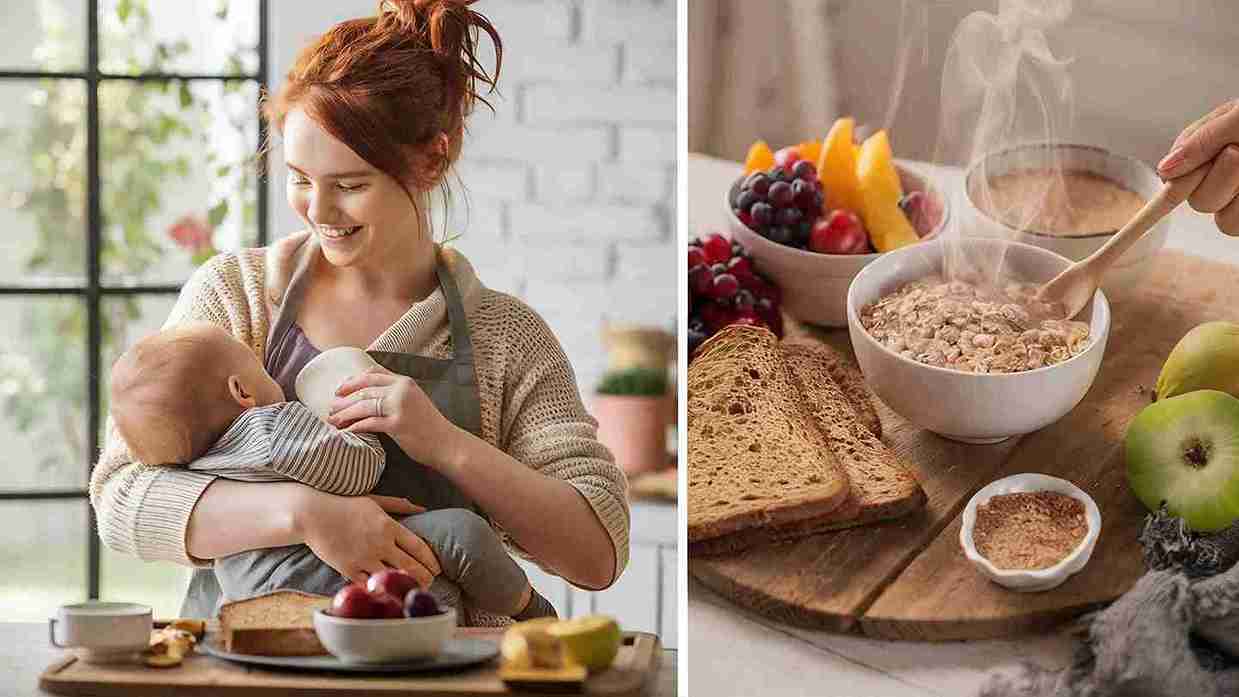
Cloudnine Hospitals plays a vital role in supporting new mothers through their postpartum journey by offering expert-guided nutritional care. Their team of experienced gynaecologists, paediatricians, and nutritionists work together to create personalised diet plans that align with each mother’s recovery needs, whether it is after a normal delivery or a cesarean section.
They focus on ensuring that mothers receive balanced nutrition that promotes healing, enhances breast milk production, and restores energy levels. With continuous monitoring and expert guidance, Cloudnine helps mothers transition smoothly into maternity while prioritising both maternal and newborn health.
Choosing the right food after delivery for Indian mother is essential for a smooth recovery and a healthy maternity journey. A balanced diet that includes traditional Indian foods, adequate hydration, and proper nutrients can significantly improve healing, energy levels, and breastfeeding outcomes. By combining time-tested Indian dietary practices with modern nutritional understanding, new mothers can ensure optimal health for themselves and their babies.

Want to consult the best gynecologists in India? Please find the links below.
Want to consult the best Maternity Packages in India? Please find the links below.

A mother should consume a balanced diet that includes protein-rich foods like dal, eggs, and paneer, along with whole grains, fruits, vegetables, and healthy fats. Hydration is also essential to support recovery and breastfeeding.
A nutritious postpartum breakfast can include options like daliya, oats with milk, vegetable poha, or moong dal cheela. These provide energy, protein, and essential nutrients to start the day.
Foods to avoid include spicy and oily items, junk food, excess caffeine, and gas-forming foods like cabbage and beans, especially in the early recovery phase.
Fresh juices like pomegranate juice, coconut water, and fresh fruit juices are beneficial as they help in hydration and provide essential vitamins for recovery.







 Best Gynecologists in Bellandur Best Gynecologists in Electronic City Best Gynecologists in HRBR LayoutBest Gynecologists in Jayanagar Best Gynecologists in Kanakapura RoadBest Gynecologists in Malleswaram Best Gynecologists in Nagarbhavi Best Gynecologists in Old Airport RoadBest Gynecologists in Sahakarnagar Best Gynecologists in Sarjapur RoadBest Gynecologists in ThanisandraBest Gynecologists in Varthur RoadBest Gynecologists in Whitefield Best Gynecologists in Industrial Area Phase IIBest Gynecologists in OMRBest Gynecologists in T NagarBest Gynecologists in New Industrial TownBest Gynecologists in IndirapuramBest Gynecologists in Golf Course RoadBest Gynecologists in Sector 14Best Gynecologists in Sector 47Best Gynecologists in Banjara HillsBest Gynecologists in GachibowliBest Gynecologists in Hitech CityBest Gynecologists in KompallyBest Gynecologists in Gomti NagarBest Gynecologists in MaladBest Gynecologists in NerulBest Gynecologists in VashiBest Gynecologists in Kailash ColonyBest Gynecologists in PatparganjBest Gynecologists in Punjabi BaghBest Gynecologists in VikaspuriBest Gynecologists in Gaur CityBest Gynecologists in Pari ChowkBest Gynecologists in Sector 51Best Gynecologists in Sector 5 Swastik ViharBest Gynecologists in Kalyani NagarBest Gynecologists in SB RoadBest Gynecologists in Pimple SaudagarBest Pediatricians in BellandurBest Pediatricians in Electronic CityBest Pediatricians in HRBR LayoutBest Pediatricians in JayanagarBest Pediatricians in Kanakapura RoadBest Pediatricians in MalleswaramBest Pediatricians in NagarbhaviBest Pediatricians in Old Airport RoadBest Pediatricians in SahakarnagarBest Pediatricians in Sarjapur RoadBest Pediatricians in ThanisandraBest Pediatricians in Varthur RoadBest Pediatricians in WhitefieldBest Pediatricians in Industrial Area Phase IIBest Pediatricians in OMRBest Pediatricians in T NagarBest Pediatricians in New Industrial TownshipBest Pediatricians in IndirapuramBest Pediatricians in Golf Course RoadBest Pediatricians in Sector 14Best Pediatricians in Sector 47Best Pediatricians in Hitech CityBest Pediatricians in Banjara HillsBest Pediatricians in GachibowliBest Pediatricians in KompallyBest Pediatricians in Gomti NagarBest Pediatricians in MaladBest Pediatricians in NerulBest Pediatricians in VashiBest Pediatricians in Kailash ColonyBest Pediatricians in PatparganjBest Pediatricians in Punjabi BaghBest Pediatricians in VikaspuriBest Pediatricians in Gaur CityBest Pediatricians in Pari ChowkBest Pediatricians in Sector 51Best Pediatricians in Sector 5 Swastik ViharBest Pediatricians in Kalyani NagarBest Pediatricians in SB RoadBest Pediatricians in Pimple Saudagar


