


There is no doubt that screens are part of daily life. They are with us in the form of phones, tablets, televisions, and laptops, and it is quite natural for children to gravitate towards them. For parents trying to manage this, the challenge is not understanding that excessive screen time is harmful. Most parents already know that. The challenge is knowing how much is too much, why it matters at different ages, and what to do about it in a home where screens are unavoidable.
Screen time for children means different things at different stages of development, from six months to twelve years. The risks and guidelines are different, so the approach needs to be different too.
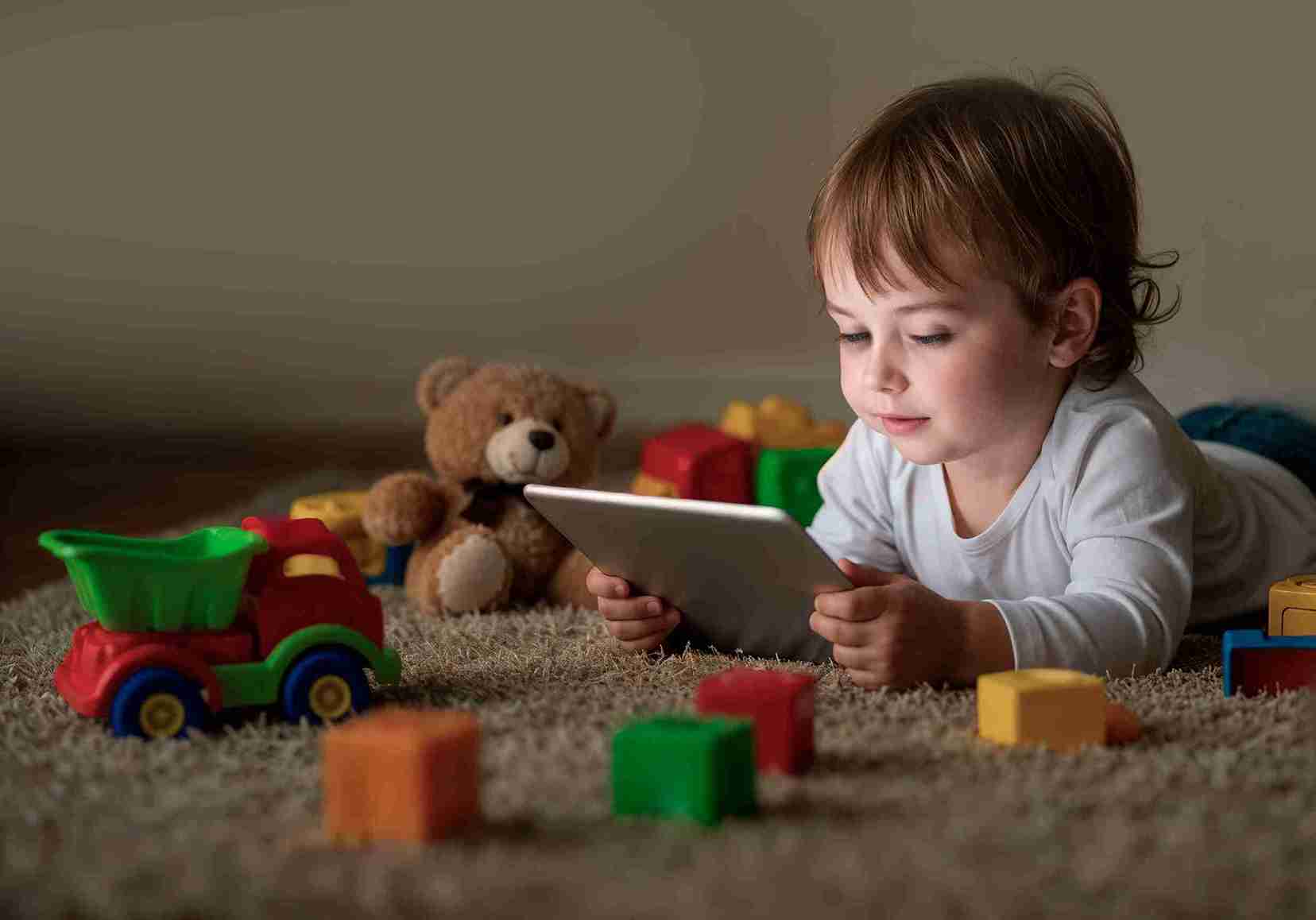
The brain develops fastest in the first five years of life. Language, attention, emotional regulation, and social skills are all being built during this window. What a child spends time on during these years shapes the brain's development in ways that matter in the long term.
Screen content is designed to hold attention: it is fast-moving, rewarding, and requires almost no sustained mental effort. For a developing brain, this is a problem. The brain learns attention, patience, and impulse control by practising them; by sitting with boredom, working through challenges, and engaging in back-and-forth social interaction. Passive screen consumption does not give the developing brain the same opportunities to practise attention, patience, and impulse control.
The Indian Academy of Paediatrics (IAP) and the World Health Organisation (WHO) both recommend no screen time at all for children under 18 months, with the single exception of video calls with family members.
Video calls are different from passive screen viewing because they involve real back-and-forth interaction: the baby sees a face, responds, and receives a response. This mimics real social interaction and does not carry the same risks as passive viewing.
In practice, many Indian parents use a phone or tablet to keep infants calm, especially during meals, on car journeys, or when they need a short break. This is understandable, but it is important to know that even background television affects infants, as parents talk less to the baby when a screen is on. Language development is directly affected by how much parents talk to and interact with their child.
If screen content is introduced between 18 and 24 months, the IAP recommends keeping it to high-quality educational programming only and watching it with the child.
A toddler at this age cannot learn much from a screen when they are alone. Research consistently shows that children this age learn far better from a live person than from a video, even when the same words and content are presented both ways. The value of screen time at this age, if it happens at all, comes from a parent watching alongside, naming what is happening, asking questions, and connecting the content on the screen to the real world.
Screen time for toddlers and preschool children should be limited to one hour per day of high-quality content. This is the IAP and WHO recommendation for this age group.
At this age, children learn primarily through play: physical, imaginative, and social play. Every hour in front of a screen is an hour not spent in the kind of active, unstructured play that builds motor skills, creativity, problem-solving, and social understanding. The opportunity cost is real.
Content quality matters at this age. A child watching a slow-paced, interactive educational programme designed for young children is in a very different situation from one watching fast-paced YouTube videos or cartoon content with rapid scene changes. The latter has been associated with shorter attention spans and more difficulty with self-regulation.
Parents should watch content together with preschool-age children when possible, talking about what is happening, connecting it to real life, and asking simple questions. This transforms passive watching into something more like active learning.
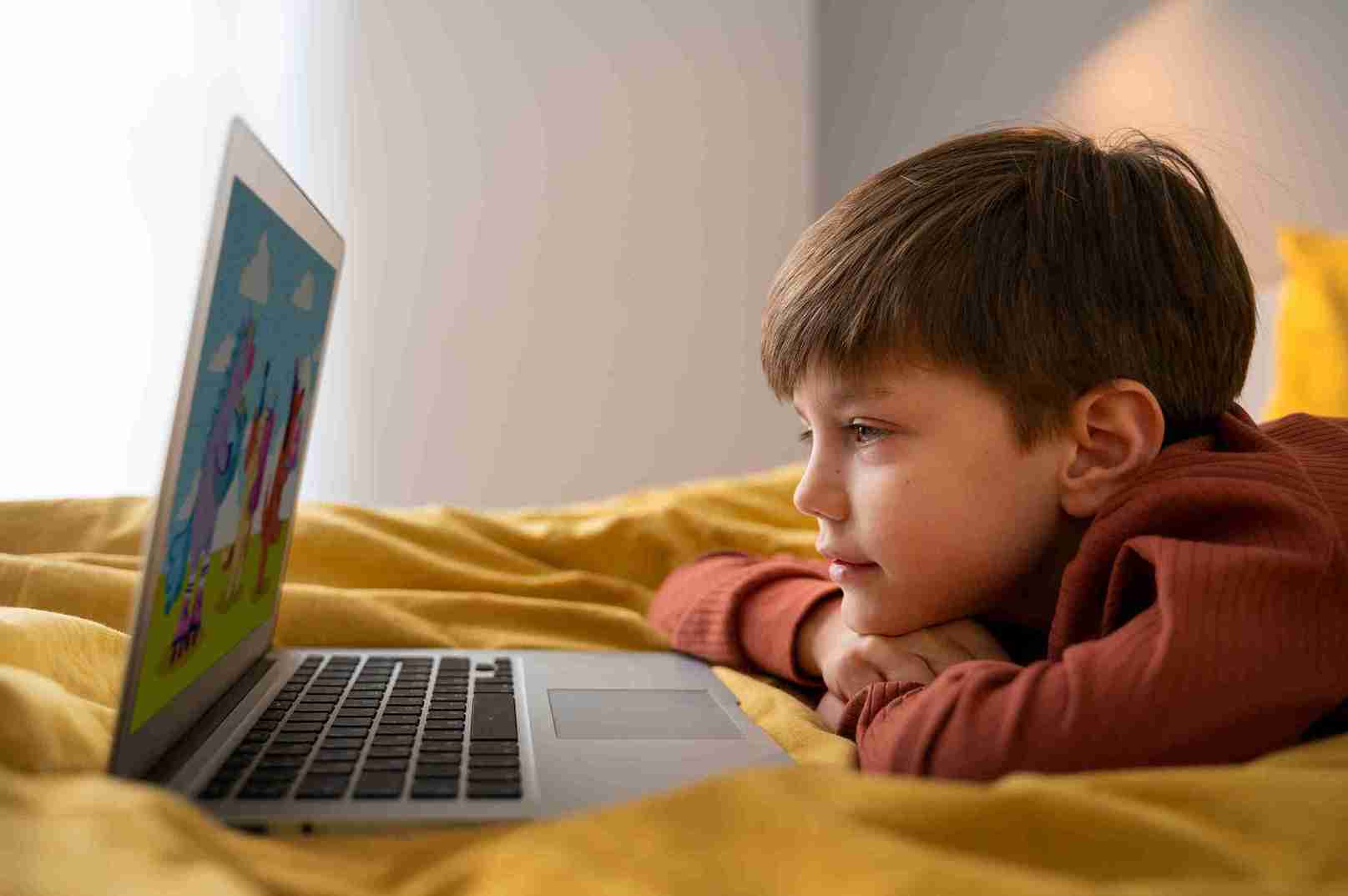
This is the school-going age for children. The focus needs to shift from strict time limits to being consistent with these limits. At this age, children should be exposed to no more than 2 hours of screen time per day. Parents need to pay attention to what the child is watching and what they are doing while watching it.
Healthy screen time for kids at this age includes educational content, creative tools, and video calls with family and friends. It does not include unstructured time scrolling through videos or playing games for hours after school.
The context also matters:
No screens during meals - eating while watching reduces awareness of hunger and fullness, and removes one of the few daily touchpoints for family conversation.
No screens in the bedroom - especially after a set time in the evening. Screen light suppresses melatonin and delays sleep onset. School-age children need 9-11 hours of sleep, and most are not getting it partly because of late-night screen use.
No screens before sleep - 45-60 minutes before bedtime should be screen-free.
With teenagers, strict time limits become less practical and less effective. The main focus is to help teenagers manage their own screen time. They need to balance social connection, academic use, and entertainment while managing their sleep, physical activity, and face-to-face relationships.
Teenage screen time restrictions are quite clear: not more than 3 hours. Any recreational screen time that is more than 3 to 4 hours can lead to poor mental health, high anxiety and may even pave the way for depression to set in. They may also experience disrupted sleep, which may, in turn, lead to poor academic performance. Social media use, in particular, carries risks to adolescent self-esteem and body image.
Agree on household screen rules with teenagers - no screens at dinner, phones out of the bedroom at night, no screens after a set time - rather than trying to monitor every minute. Teenagers are more likely to follow rules they have had a say in making.
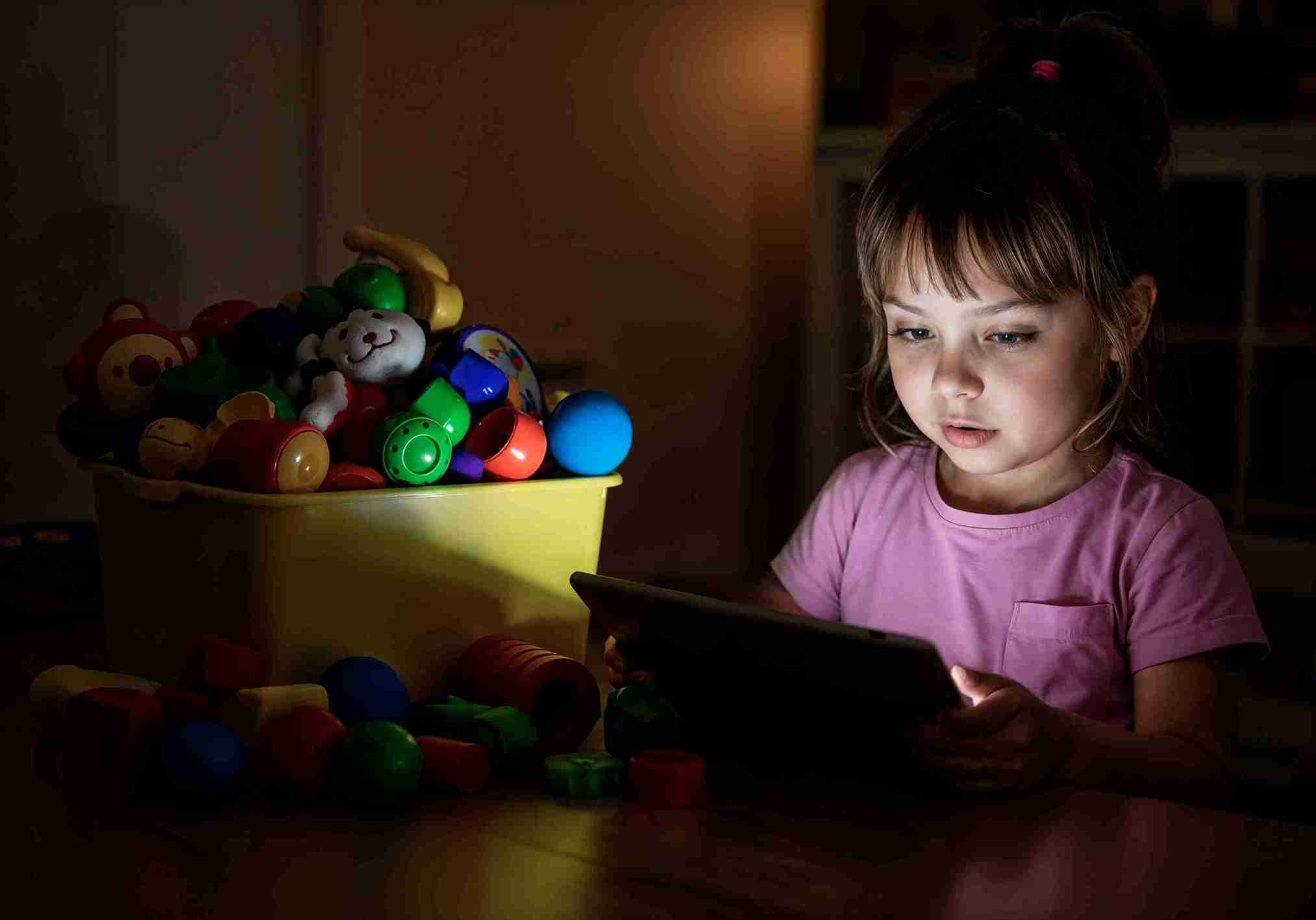
There is strong evidence linking high screen time among children under 3 to delayed speech development. The reason is straightforward - language develops through interaction, not passive listening. A child watching a screen is not in a conversation. They are not getting responses to their sounds, expressions, or attempts to communicate.
Children who spend more than two hours a day on screens before age three consistently show slower language development than children with low screen exposure. If a toddler's speech seems delayed and screen time is high, reducing screen time and replacing it with talking, reading aloud, and interactive play should be the first step before any other assessment.
Screen time for children is not about banning devices; it is about keeping screens in their proper place alongside sleep, play, family time, and outdoor activity. The younger the child, the more important the limits. Use the age-wise guidelines as a starting point, set clear household rules, and model the behaviour you want to see. Children take their cues from the adults around them, more than from any rule you set.


Screen time guidelines for kids vary by age. Under 18 months, no screens except video calls. Ages 18 months to 2 years - very limited, only high-quality content with a parent present. Ages 2 to 5 - no more than one hour per day. Ages 6 to 12 - no more than two hours of recreational screen time daily. For teenagers, the focus is on balance and quality rather than a strict hourly limit.
For children between 18 months and 2 years, screen time should be limited to high-quality educational content watched with a parent, not independent viewing. For ages 2 to 5, the recommendation is no more than 1 hour per day. Screen time for toddlers should never replace outdoor play, physical activity, reading aloud, or face-to-face interaction, all of which are more important for development at this age than any screen content.
A five-year-old falls within the 2 to 5 age group, for which the IAP and WHO recommend no more than 1 hour of screen time per day. Healthy screen time for kids at this age means high-quality, age-appropriate content, ideally watched with a parent. No screens during meals, no screens before bed, and no screens as a default activity when bored. Active play, reading, and outdoor time should fill the day.
Yes. High screen time in children under 3 is consistently linked to slower speech and language development. Language develops through back-and-forth interaction - through conversations, responses, and engagement, and not passive listening. Screen time for toddlers that replaces talking, reading aloud, and interactive play removes the input the brain needs to develop language. If a toddler's speech seems delayed and screen time is high, reducing screen time is the first and most practical step.


 Best Gynecologists in Bellandur Best Gynecologists in Electronic City Best Gynecologists in HRBR LayoutBest Gynecologists in Jayanagar Best Gynecologists in Kanakapura RoadBest Gynecologists in Malleswaram Best Gynecologists in Nagarbhavi Best Gynecologists in Old Airport RoadBest Gynecologists in Sahakarnagar Best Gynecologists in Sarjapur RoadBest Gynecologists in ThanisandraBest Gynecologists in Varthur RoadBest Gynecologists in Whitefield Best Gynecologists in Industrial Area Phase IIBest Gynecologists in OMRBest Gynecologists in T NagarBest Gynecologists in New Industrial TownBest Gynecologists in IndirapuramBest Gynecologists in Golf Course RoadBest Gynecologists in Sector 14Best Gynecologists in Sector 47Best Gynecologists in Banjara HillsBest Gynecologists in GachibowliBest Gynecologists in Hitech CityBest Gynecologists in KompallyBest Gynecologists in Jawahar NagarBest Gynecologists in Gomti NagarBest Gynecologists in Phase 3, Sector 58Best Gynecologists in MaladBest Gynecologists in NerulBest Gynecologists in VashiBest Gynecologists in Kailash ColonyBest Gynecologists in PatparganjBest Gynecologists in Punjabi BaghBest Gynecologists in RohiniBest Gynecologists in VikaspuriBest Gynecologists in Gaur CityBest Gynecologists in Pari ChowkBest Gynecologists in Sector 51Best Gynecologists in Sector 5 Swastik ViharBest Gynecologists in Kalyani NagarBest Gynecologists in SB RoadBest Gynecologists in Pimple SaudagarBest Pediatricians in BellandurBest Pediatricians in Electronic CityBest Pediatricians in HRBR LayoutBest Pediatricians in JayanagarBest Pediatricians in Kanakapura RoadBest Pediatricians in MalleswaramBest Pediatricians in NagarbhaviBest Pediatricians in Old Airport RoadBest Pediatricians in SahakarnagarBest Pediatricians in Sarjapur RoadBest Pediatricians in ThanisandraBest Pediatricians in Varthur RoadBest Pediatricians in WhitefieldBest Pediatricians in Industrial Area Phase IIBest Pediatricians in OMRBest Pediatricians in T NagarBest Pediatricians in New Industrial TownshipBest Pediatricians in IndirapuramBest Pediatricians in Golf Course RoadBest Pediatricians in Sector 14Best Pediatricians in Sector 47Best Pediatricians in Hitech CityBest Pediatricians in Banjara HillsBest Pediatricians in GachibowliBest Pediatricians in KompallyBest Pediatricians in Jawahar NagarBest Pediatricians in Gomti NagarBest Pediatricians in Phase 3, Sector 58Best Pediatricians in MaladBest Pediatricians in NerulBest Pediatricians in VashiBest Pediatricians in Kailash ColonyBest Pediatricians in PatparganjBest Pediatricians in Punjabi BaghBest Pediatricians in RohiniBest Pediatricians in VikaspuriBest Pediatricians in Gaur CityBest Pediatricians in Pari ChowkBest Pediatricians in Sector 51Best Pediatricians in Sector 5 Swastik ViharBest Pediatricians in Kalyani NagarBest Pediatricians in SB RoadBest Pediatricians in Pimple Saudagar


