
Many expecting parents search for answers on how to prevent chromosomal abnormalities in pregnancy, often driven by concerns about safeguarding their baby’s health. Such concerns are valid. Chromosomal problems are common during pregnancy and are often misinterpreted.
Chromosomal problems occur due to changes in the genetic material and cannot always be prevented. However, modern medicine is all about minimising risks, detecting problems early, and advising on pregnancy care. This article will discuss what chromosomal problems are, what can and cannot be prevented, and how to help ensure a healthy pregnancy.
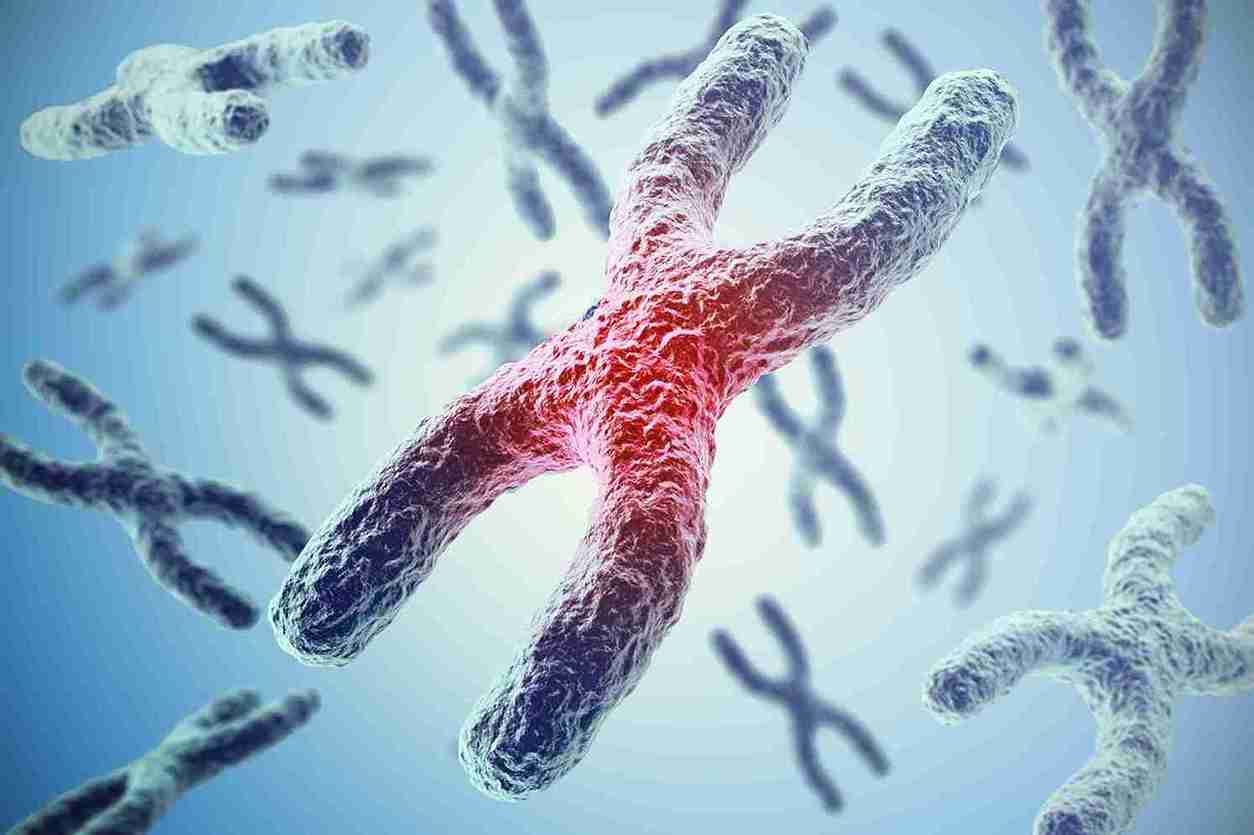
Chromosomes are structures found in every cell of the body that carry genetic information. A human being has 46 chromosomes, which come in 23 pairs. These chromosomes regulate growth, development, and functions in the body.
A chromosomal problem occurs when there is:
These usually occur randomly during the formation of eggs or sperm or shortly after conception. Some examples of chromosomal problems include Down syndrome, Turner syndrome, and trisomy 18. It is essential to understand that chromosomal problems are not caused by lifestyle factors, food, or stress during pregnancy.
The bottom line is that most chromosomal abnormalities occur randomly during cell division, so they cannot be completely avoided by any diet, vitamin, exercise routine, or lifestyle change.
The role of medical science is to:
This is important to understand to avoid unnecessary guilt and have unrealistic expectations about avoiding chromosomal abnormalities during pregnancy.
If you are searching for: how to avoid chromosomal abnormalities in pregnancy, here are some factors associated with an increased risk of chromosomal abnormalities, although most occur without known risk factors.
Possible risk factors include:
Keep in mind that most chromosomal abnormalities occur in pregnancies without any known risk factors, which is why screening is a common practice.

Preconception care is not a guarantee, but it can help highlight risks early on and plan accordingly.
Steps that can be taken before pregnancy include:
While preconception care won’t completely eliminate genetic risks, it can help increase awareness and allow for better preparation.
If you are concerned about preventing chromosomal abnormalities, remember that these steps are for overall pregnancy health, not for preventing them.
Factors that can be managed include:
These steps help to provide a healthy environment for the fetus to develop and allow early identification of potential problems.
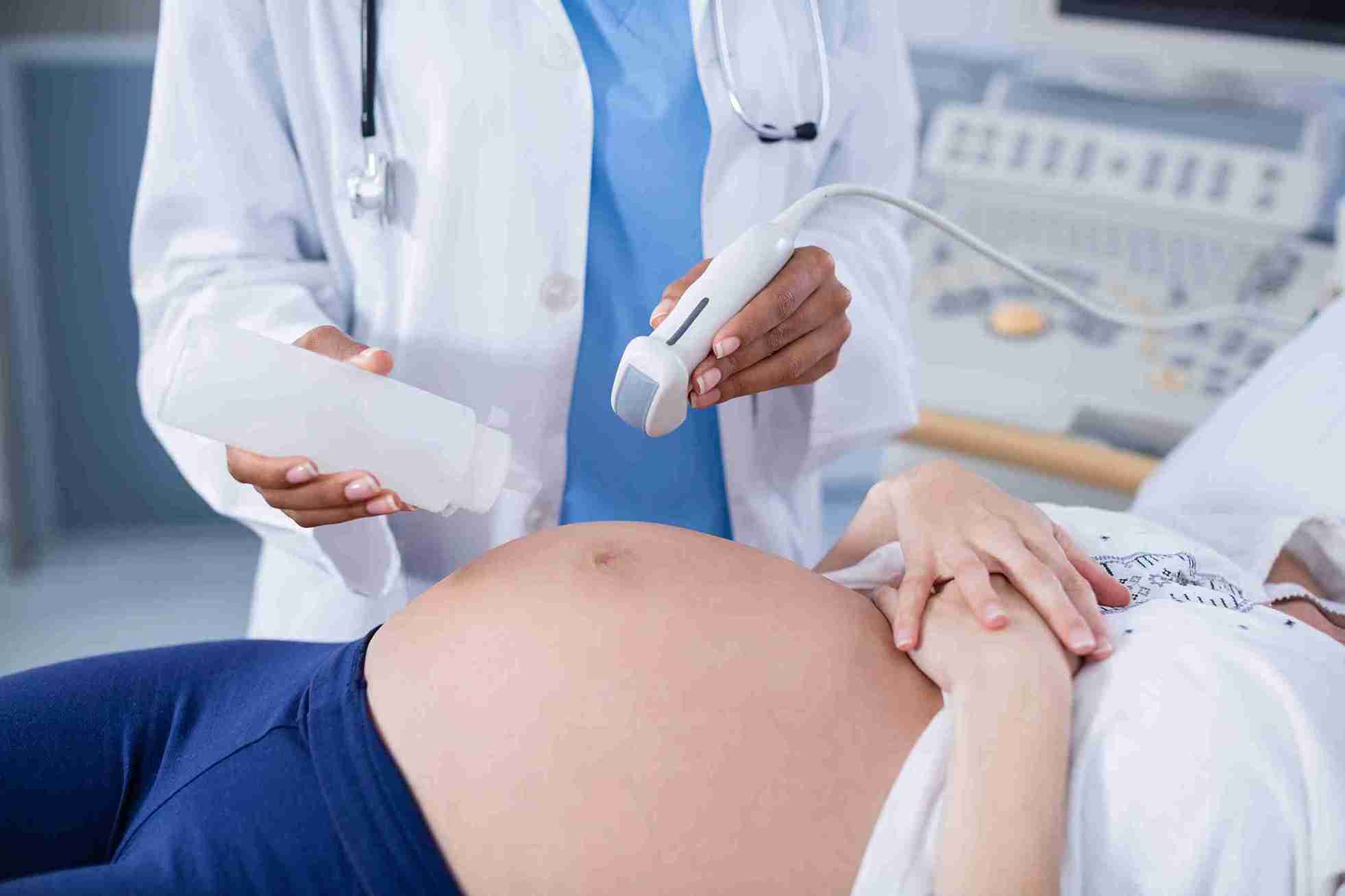
Prenatal testing is an integral part of contemporary pregnancy care. Screening tests predict the risk of chromosomal abnormalities but are not diagnostic. Examples include:
When indicated, diagnostic tests can more accurately diagnose chromosomal abnormalities. These tests allow families to:
It is essential to note that testing is about information and choice, not fear.

Nutrition is important for a healthy pregnancy, but genetics makes this subject more complicated than it appears.
There is no food or supplement that has been proven to prevent chromosomal abnormalities. Nutrition is important for development, but it doesn’t change chromosomes.
Genetic screening or testing can be very emotional. Uncertainty and complicated information can cause anxiety or stress.
Supportive care includes:
Emotional well-being is an important part of overall prenatal care and should not be neglected.

Cloudnine adopts a holistic approach to managing pregnancies, combining cutting-edge prenatal screening with expert obstetric advice and empathetic counselling. With cutting-edge diagnostic capabilities, experienced experts, and customised care plans, Cloudnine enables families to navigate the entire pregnancy journey with ease and confidence. The focus is on informed care, emotional support, and evidence-based medical practice.
Chromosomal abnormalities occur randomly and are not always preventable. However, careful preconception planning, regular prenatal care, appropriate screening, and sound medical advice are essential in reducing risks and identifying problems early on. By focusing on overall health and seeking medical attention early, would-be parents can go through their pregnancy journey with more informed decisions.


Not all chromosomal abnormalities can be prevented. However, random occurrences can be prevented by early screening and proper medical care.
They can occur at any age, but the chances increase with the age of the mother, especially after 35 years.
There is no way to change egg chromosomes. However, it is advised to remain healthy and consult a doctor before conceiving.
The risk of chromosomal abnormalities increases with age, family history, or a previous pregnancy with chromosomal abnormalities, although chromosomal abnormalities often occur without any known risk factors.







 Best Gynecologists in Bellandur Best Gynecologists in Electronic City Best Gynecologists in HRBR LayoutBest Gynecologists in Jayanagar Best Gynecologists in Kanakapura RoadBest Gynecologists in Malleswaram Best Gynecologists in Nagarbhavi Best Gynecologists in Old Airport RoadBest Gynecologists in Sahakarnagar Best Gynecologists in Sarjapur RoadBest Gynecologists in ThanisandraBest Gynecologists in Varthur RoadBest Gynecologists in Whitefield Best Gynecologists in Industrial Area Phase IIBest Gynecologists in OMRBest Gynecologists in T NagarBest Gynecologists in New Industrial TownBest Gynecologists in IndirapuramBest Gynecologists in Golf Course RoadBest Gynecologists in Sector 14Best Gynecologists in Sector 47Best Gynecologists in Banjara HillsBest Gynecologists in GachibowliBest Gynecologists in Hitech CityBest Gynecologists in KompallyBest Gynecologists in Gomti NagarBest Gynecologists in MaladBest Gynecologists in NerulBest Gynecologists in VashiBest Gynecologists in Kailash ColonyBest Gynecologists in PatparganjBest Gynecologists in Punjabi BaghBest Gynecologists in VikaspuriBest Gynecologists in Gaur CityBest Gynecologists in Pari ChowkBest Gynecologists in Sector 51Best Gynecologists in Sector 5 Swastik ViharBest Gynecologists in Kalyani NagarBest Gynecologists in SB RoadBest Gynecologists in Pimple SaudagarBest Pediatricians in BellandurBest Pediatricians in Electronic CityBest Pediatricians in HRBR LayoutBest Pediatricians in JayanagarBest Pediatricians in Kanakapura RoadBest Pediatricians in MalleswaramBest Pediatricians in NagarbhaviBest Pediatricians in Old Airport RoadBest Pediatricians in SahakarnagarBest Pediatricians in Sarjapur RoadBest Pediatricians in ThanisandraBest Pediatricians in Varthur RoadBest Pediatricians in WhitefieldBest Pediatricians in Industrial Area Phase IIBest Pediatricians in OMRBest Pediatricians in T NagarBest Pediatricians in New Industrial TownshipBest Pediatricians in IndirapuramBest Pediatricians in Golf Course RoadBest Pediatricians in Sector 14Best Pediatricians in Sector 47Best Pediatricians in Hitech CityBest Pediatricians in Banjara HillsBest Pediatricians in GachibowliBest Pediatricians in KompallyBest Pediatricians in Gomti NagarBest Pediatricians in MaladBest Pediatricians in NerulBest Pediatricians in VashiBest Pediatricians in Kailash ColonyBest Pediatricians in PatparganjBest Pediatricians in Punjabi BaghBest Pediatricians in VikaspuriBest Pediatricians in Gaur CityBest Pediatricians in Pari ChowkBest Pediatricians in Sector 51Best Pediatricians in Sector 5 Swastik ViharBest Pediatricians in Kalyani NagarBest Pediatricians in SB RoadBest Pediatricians in Pimple Saudagar


