
Loss of appetite can become difficult to face during pregnancy. A meal you usually enjoy may seem unappealing, a cooking smell may trigger nausea, or you may feel hungry but lose interest after a few bites. Reduced appetite is especially common in early pregnancy, when nausea, vomiting, food aversions and changes in taste or smell are frequent, making usual meal routines feel unfamiliar.
Later in pregnancy, heartburn, bloating, constipation and feeling full quickly can also affect eating. Occasional changes are usually manageable, but being unable to keep food or fluids down, losing weight or having persistent poor intake needs medical attention.
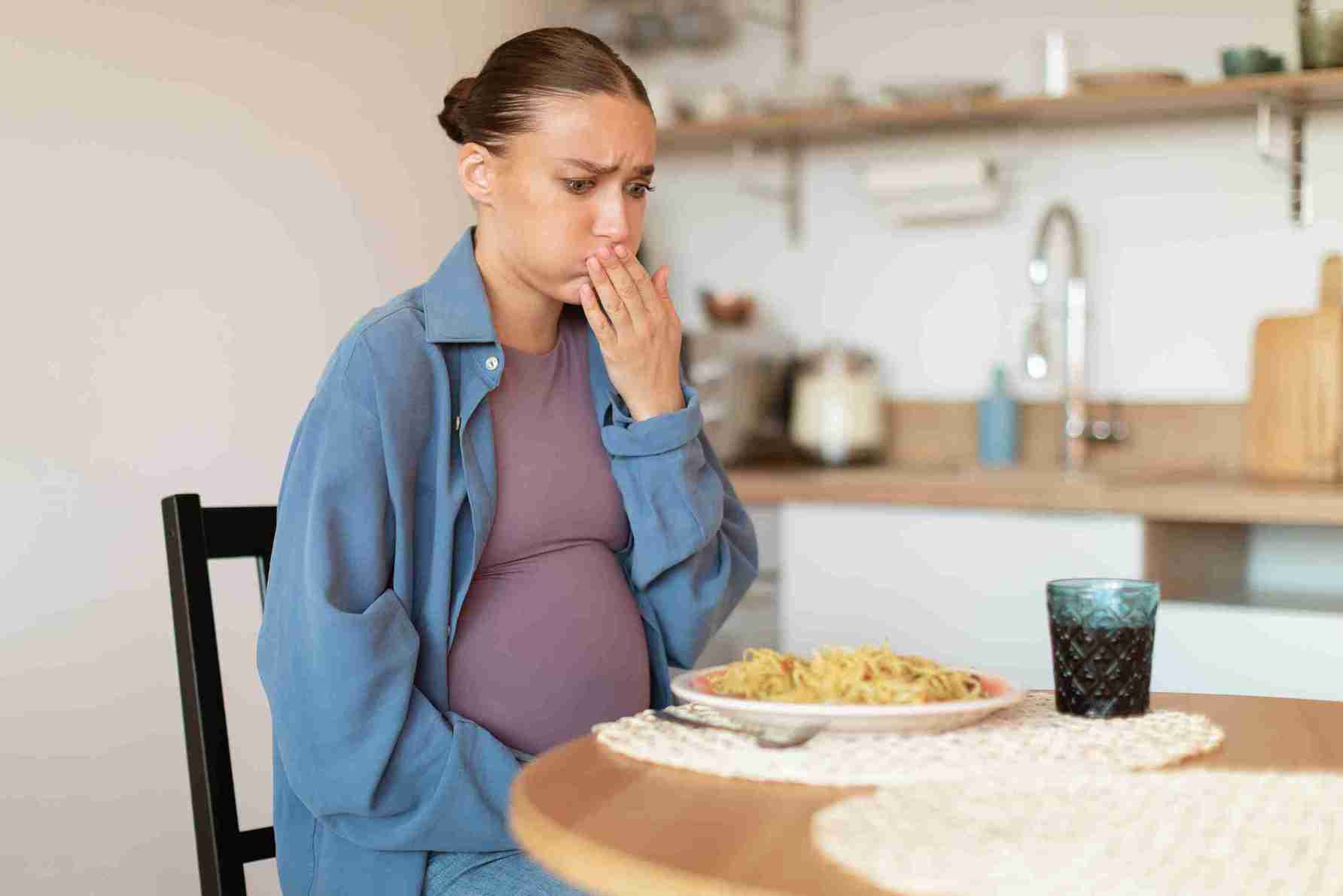
Loss of appetite early in pregnancy is often linked to the physical and hormonal changes of the first trimester. Nausea may be present even without vomiting, while stronger sensitivity to smells can make cooking or eating difficult.
Pregnancy-related nausea and vomiting can reduce food intake because eating may worsen nausea. Eat small, frequent meals when this occurs.
Pregnancy hormones can alter taste, smell and digestion, changing food preferences and appetite.
Foods, smells or textures may suddenly become unpleasant. Another food from the same group can help maintain dietary variety.
Reflux and indigestion can make larger meals uncomfortable. Smaller meals may be easier to manage.
Bloating and constipation can create fullness. Adequate fluids and fibre-rich foods may help, if tolerated.
Tiredness, worry and emotional stress may also affect eating patterns.
A stronger sense of smell or altered taste can make familiar foods seem different. Cooler foods may be easier if cooking smells trigger nausea.
Some medicines and health conditions, such as thyroid disorders, hyperemesis gravidarum (HG) and urinary tract infections (UTIs), can affect appetite or cause nausea. However, persistent or unexplained symptoms should be assessed.

Appetite can fluctuate throughout pregnancy. In the first trimester, nausea, vomiting and food aversions may make eating difficult. Some women feel hungry but find particular foods or smells suddenly unpleasant.
Loss of appetite means having less desire to eat overall. A food aversion is a strong dislike of a particular food, taste, smell or texture. Both can occur together. Later, heartburn, indigestion, constipation and the growing uterus can make larger meals uncomfortable or leave you feeling full sooner.
Reduced appetite may occur with nausea, vomiting, food aversions, smell sensitivity, bloating, heartburn, constipation, fatigue or early fullness. Prolonged poor intake may cause unintentional weight loss. Not everyone will have all these symptoms.
When you have no appetite during pregnancy, smaller portions can be easier than a large meal.
Options include:

An occasional appetite change does not necessarily indicate a problem. Prolonged inadequate food or fluid intake can contribute to dehydration, nutritional deficiencies and inadequate maternal weight gain. Your healthcare provider can assess your symptoms and intake if eating remains difficult.
You should speak to your doctor if you:
Persistent vomiting with more than 5% weight loss, dehydration and electrolyte imbalance can indicate hyperemesis gravidarum and needs medical assessment.
Pregnancy-related appetite changes can sometimes be managed with simple dietary adjustments, but persistent symptoms may need a closer look. Cloudnine’s maternity care brings obstetric and nutrition support together, allowing concerns about appetite, nausea, food aversions, weight and dietary intake to be assessed during pregnancy care. Cloudnine’s Nutrition and Dietetics team assesses factors such as dietary history, clinical findings and nutritional status before recommending a suitable diet. This can be helpful when nausea or food aversions make it difficult to meet nutritional needs through usual meals.
A changing appetite can be part of pregnancy, but what matters is whether you can maintain food and fluid intake. Small, frequent meals and practical food substitutions can help. If you are losing weight, becoming dehydrated or struggling to keep food down, seek medical advice promptly.

Want to consult the Best Gynecologists in India? Please find the links below.
Want to consult the Best Maternity Packages in India? Please find the links below.

Nausea, vomiting, food aversions, altered taste or smell, heartburn and bloating can make eating difficult. Eating smaller portions more frequently can be easier to manage than having three large meals.
Choose small portions of foods that are easier to tolerate, such as curd, dal, khichdi, eggs, fruit, rice, oatmeal or soup. Eat small, frequent meals, particularly when nausea or vomiting is present.
Focus on fluids that are easy to tolerate, such as water, milk, curd-based drinks or soups. If nausea makes drinking difficult, take small sips regularly instead of drinking a large amount at once.
Appetite loss related to early pregnancy nausea often improves as the first-trimester symptoms settle. Food aversions can continue longer, while heartburn, indigestion and feeling full quickly may affect appetite later in pregnancy. However, persistent appetite loss, weight loss or difficulty eating should be discussed with your doctor.


 Best Gynecologists in Bellandur Best Gynecologists in Electronic City Best Gynecologists in HRBR LayoutBest Gynecologists in Jayanagar Best Gynecologists in Kanakapura RoadBest Gynecologists in Malleswaram Best Gynecologists in Nagarbhavi Best Gynecologists in Old Airport RoadBest Gynecologists in Sahakarnagar Best Gynecologists in Sarjapur RoadBest Gynecologists in ThanisandraBest Gynecologists in Varthur RoadBest Gynecologists in Whitefield Best Gynecologists in Industrial Area Phase IIBest Gynecologists in OMRBest Gynecologists in T NagarBest Gynecologists in New Industrial TownBest Gynecologists in IndirapuramBest Gynecologists in Golf Course RoadBest Gynecologists in Sector 14Best Gynecologists in Sector 47Best Gynecologists in Banjara HillsBest Gynecologists in GachibowliBest Gynecologists in Hitech CityBest Gynecologists in KompallyBest Gynecologists in Jawahar NagarBest Gynecologists in Gomti NagarBest Gynecologists in Phase 3, Sector 58Best Gynecologists in MaladBest Gynecologists in NerulBest Gynecologists in VashiBest Gynecologists in Kailash ColonyBest Gynecologists in PatparganjBest Gynecologists in Punjabi BaghBest Gynecologists in RohiniBest Gynecologists in VikaspuriBest Gynecologists in Gaur CityBest Gynecologists in Pari ChowkBest Gynecologists in Sector 51Best Gynecologists in Sector 5 Swastik ViharBest Gynecologists in Kalyani NagarBest Gynecologists in SB RoadBest Gynecologists in Pimple SaudagarBest Pediatricians in BellandurBest Pediatricians in Electronic CityBest Pediatricians in HRBR LayoutBest Pediatricians in JayanagarBest Pediatricians in Kanakapura RoadBest Pediatricians in MalleswaramBest Pediatricians in NagarbhaviBest Pediatricians in Old Airport RoadBest Pediatricians in SahakarnagarBest Pediatricians in Sarjapur RoadBest Pediatricians in ThanisandraBest Pediatricians in Varthur RoadBest Pediatricians in WhitefieldBest Pediatricians in Industrial Area Phase IIBest Pediatricians in OMRBest Pediatricians in T NagarBest Pediatricians in New Industrial TownshipBest Pediatricians in IndirapuramBest Pediatricians in Golf Course RoadBest Pediatricians in Sector 14Best Pediatricians in Sector 47Best Pediatricians in Hitech CityBest Pediatricians in Banjara HillsBest Pediatricians in GachibowliBest Pediatricians in KompallyBest Pediatricians in Jawahar NagarBest Pediatricians in Gomti NagarBest Pediatricians in Phase 3, Sector 58Best Pediatricians in MaladBest Pediatricians in NerulBest Pediatricians in VashiBest Pediatricians in Kailash ColonyBest Pediatricians in PatparganjBest Pediatricians in Punjabi BaghBest Pediatricians in RohiniBest Pediatricians in VikaspuriBest Pediatricians in Gaur CityBest Pediatricians in Pari ChowkBest Pediatricians in Sector 51Best Pediatricians in Sector 5 Swastik ViharBest Pediatricians in Kalyani NagarBest Pediatricians in SB RoadBest Pediatricians in Pimple Saudagar


