





Are you planning on starting a family? If yes, you may be asked to undergo a scan called the follicular study ultrasound as a tool to monitor your ovulation cycle. But what is it, why is it recommended, and how does it work? Continue reading to find answers to these questions. By the end of it, you will have a good understanding of the importance of a follicular scan, making it easy to decide the best approach to conception.
Ovarian follicles are tiny sacs that have oocytes (immature eggs). When a girl is born, she has several thousand follicles, and as she ages, the number declines through a process known as atresia. During every menstrual cycle, follicles grow and develop, but only one follicle is fully mature and the egg is released.
Regular follicular monitoring through ultrasound scans can help track ovarian follicle growth and identify the follicle that releases a mature egg.
A follicular monitoring fertility scan is a series of tests performed at various stages of a menstrual cycle to assess follicular development in the ovaries. If a mature follicle develops, it is a sign of upcoming ovulation, which means a mature egg is available for fertilisation. This helps determine the precise timing of ovulation to increase conception chances. Also called follicle monitoring test or follicle tracking, it is used for both natural conception as well as fertility treatments like IVF and IUI.
Reasons are:
Whether you are taking the help of fertility treatments or want to conceive naturally, an ovulation tracking ultrasound offers a clear view of the ovulatory cycle.
Ovulation typically happens in the middle of your menstrual cycle. Doctors use USG follicular monitoring to track follicular growth. This tracking of follicles is done from the early stages of the menstrual cycle until it reaches an ideal diameter of 18 to 24 mm, which is deemed mature.
This procedure enables specialists to determine the ovulation window by observing the rupture of the follicle, a sign of the release of a mature egg. This tracking is highly beneficial for natural conception.
Follicular tracking aids conception by:
When a follicle matures and ruptures to release a mature egg, it creates the perfect environment for fertilisation. The chances of conception increase drastically if the normal range of follicular study is achieved.

Follicular monitoring is an indispensable tool in fertility treatments as it helps:
Whether it is an IUI or an IVF cycle, having follicle monitoring test results allows fertility experts to make important decisions to maximise outcomes.
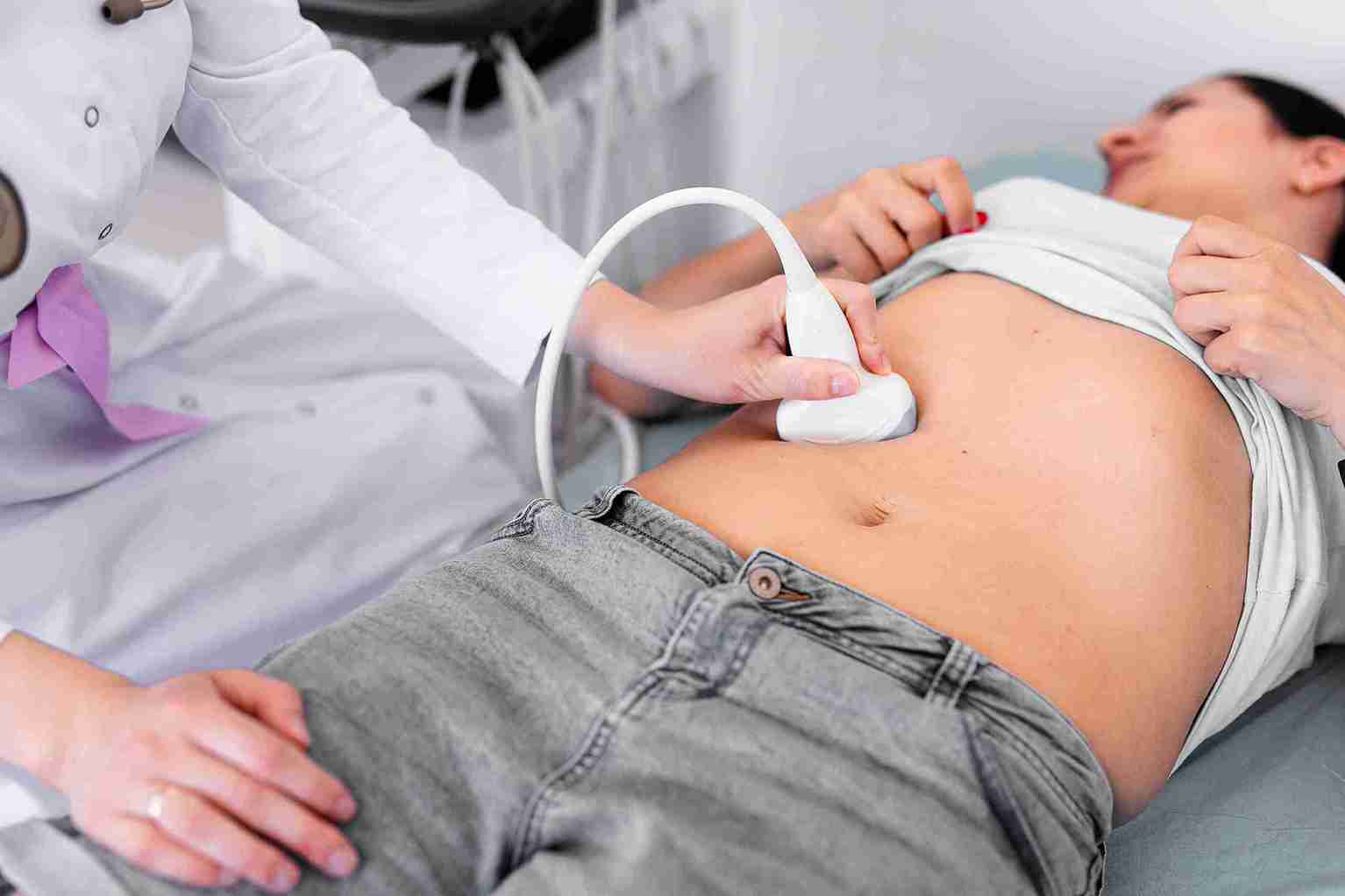
Follicular monitoring uses transvaginal ultrasound to measure and visualise ovarian follicles. This scan uses high-frequency sound waves to create pictures of the reproductive system. To get a peek into the ovaries, a probe is slid into the vagina.
Based on the purpose, follicular monitoring is conducted every 1 to 3 days until ovulation. A series of measurements is taken to determine the dominant follicle and ovulation. The best time to start is around 9 to 10 days if your cycle is regular. It detects the follicular growth phase to time ovulation and provides accurate treatment. For irregular cycles, the doctor may recommend personalised hormonal patterns based on treatment response.
It is helpful for:
By determining the fertility window, follicular monitoring optimises conception chances and aids ART (Assisted Reproductive Technology) procedures by giving insightful information for diagnosis as well as treatment.

The next steps depend on the results and include:
Timing ovulation with ultrasound helps determine the best fertility window for those trying to conceive naturally or through fertility treatments. This allows perfect timing for intercourse, egg retrieval or insemination. The results also help adjust fertility medication and treatment, making it an invaluable tool that improves the chances of conception and pregnancy.

A follicular scan is a set of ultrasound scans that track the development and growth of follicles in the ovaries.
Typically, scans are performed throughout your monthly period, beginning around day 9 or 10 to track ovulation.
The follicular scan is highly accurate, with a success rate exceeding 80%.
Understand the procedure, empty your bladder, and wear comfortable clothes. Don’t hesitate to ask questions if you have any doubts.


 Best Gynecologists in Bellandur Best Gynecologists in Electronic City Best Gynecologists in HRBR LayoutBest Gynecologists in Jayanagar Best Gynecologists in Kanakapura RoadBest Gynecologists in Malleswaram Best Gynecologists in Nagarbhavi Best Gynecologists in Old Airport RoadBest Gynecologists in Sahakarnagar Best Gynecologists in Sarjapur RoadBest Gynecologists in ThanisandraBest Gynecologists in Varthur RoadBest Gynecologists in Whitefield Best Gynecologists in Industrial Area Phase IIBest Gynecologists in OMRBest Gynecologists in T NagarBest Gynecologists in New Industrial TownBest Gynecologists in IndirapuramBest Gynecologists in Golf Course RoadBest Gynecologists in Sector 14Best Gynecologists in Sector 47Best Gynecologists in Banjara HillsBest Gynecologists in GachibowliBest Gynecologists in Hitech CityBest Gynecologists in KompallyBest Gynecologists in Gomti NagarBest Gynecologists in MaladBest Gynecologists in NerulBest Gynecologists in VashiBest Gynecologists in Kailash ColonyBest Gynecologists in PatparganjBest Gynecologists in Punjabi BaghBest Gynecologists in VikaspuriBest Gynecologists in Gaur CityBest Gynecologists in Pari ChowkBest Gynecologists in Sector 51Best Gynecologists in Sector 5 Swastik ViharBest Gynecologists in Kalyani NagarBest Gynecologists in SB RoadBest Gynecologists in Pimple SaudagarBest Pediatricians in BellandurBest Pediatricians in Electronic CityBest Pediatricians in HRBR LayoutBest Pediatricians in JayanagarBest Pediatricians in Kanakapura RoadBest Pediatricians in MalleswaramBest Pediatricians in NagarbhaviBest Pediatricians in Old Airport RoadBest Pediatricians in SahakarnagarBest Pediatricians in Sarjapur RoadBest Pediatricians in ThanisandraBest Pediatricians in Varthur RoadBest Pediatricians in WhitefieldBest Pediatricians in Industrial Area Phase IIBest Pediatricians in OMRBest Pediatricians in T NagarBest Pediatricians in New Industrial TownshipBest Pediatricians in IndirapuramBest Pediatricians in Golf Course RoadBest Pediatricians in Sector 14Best Pediatricians in Sector 47Best Pediatricians in Hitech CityBest Pediatricians in Banjara HillsBest Pediatricians in GachibowliBest Pediatricians in KompallyBest Pediatricians in Gomti NagarBest Pediatricians in MaladBest Pediatricians in NerulBest Pediatricians in VashiBest Pediatricians in Kailash ColonyBest Pediatricians in PatparganjBest Pediatricians in Punjabi BaghBest Pediatricians in VikaspuriBest Pediatricians in Gaur CityBest Pediatricians in Pari ChowkBest Pediatricians in Sector 51Best Pediatricians in Sector 5 Swastik ViharBest Pediatricians in Kalyani NagarBest Pediatricians in SB RoadBest Pediatricians in Pimple Saudagar


