
Those early weeks with a baby are filled with close watching. Weight checks quickly become a focus because they feel like a direct measure of how well your baby is doing. When the numbers rise, there is relief. When they do not, worry comes easily. Is your baby eating enough, or is something wrong?
This article explains why babies may struggle to gain weight, how growth is assessed, when slow weight gain matters, and what you can do to help the baby gain weight.
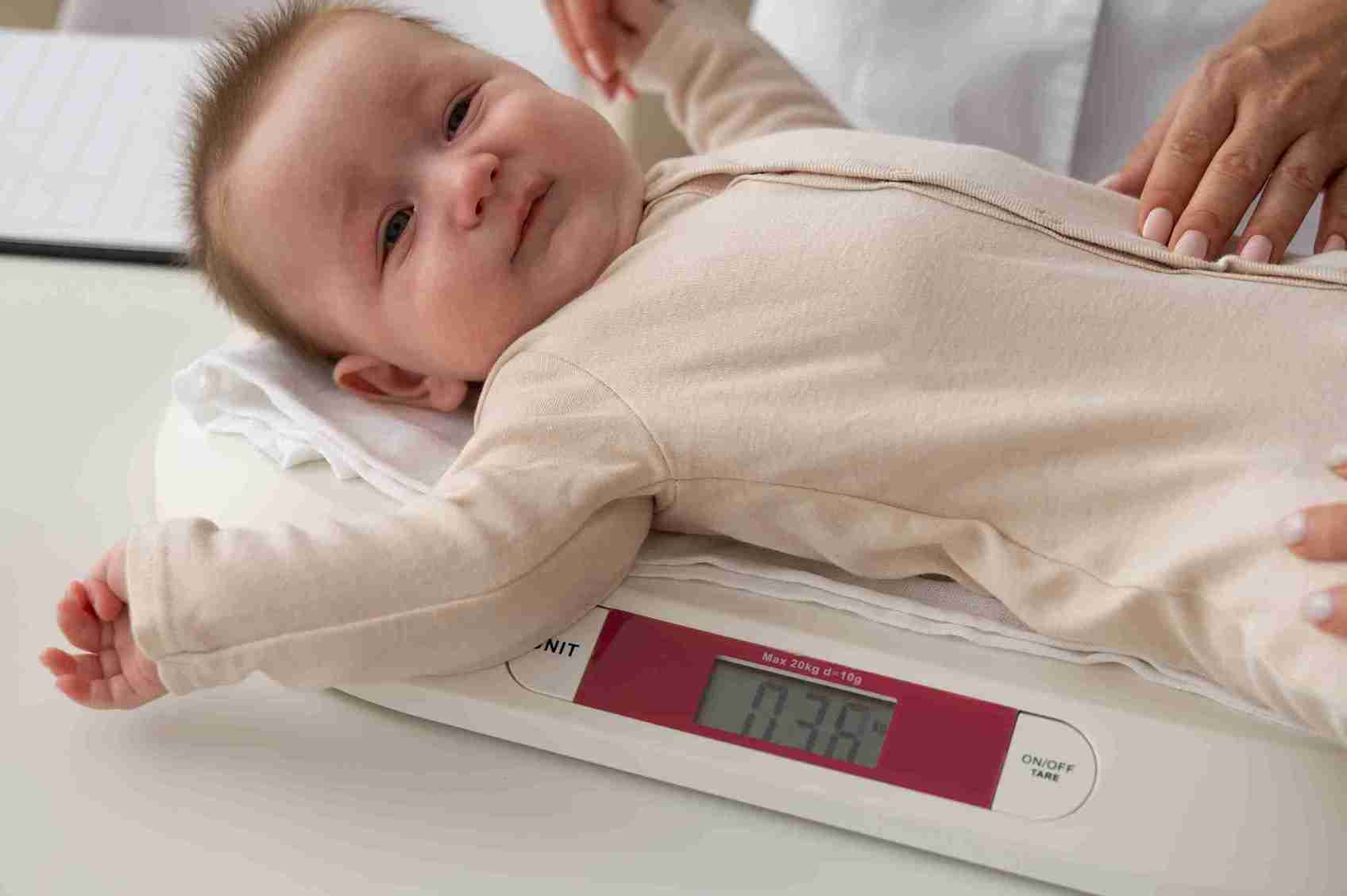
Before looking at the causes of slow weight gain, it helps to know what normal weight gain looks like. Most newborns lose weight during the first week. This happens as excess fluid leaves the body and feeding routines settle. A loss of up to 7 to 10 per cent of birth weight is common in healthy, full-term babies. By 10 to 14 days, most babies regain their birth weight. After this point, weight gain should be steady rather than fast. Growth does not happen in a straight line. Babies gain in spurts, pause, then gain again.
As a general guide:
Just remember that these are averages, not rules. Some healthy babies gain weight more slowly and remain small.
Infant weight gain problems are a concern when they affect your baby’s health or development. The first year of life is a period of rapid brain growth. Nutrition during this time plays a direct role in physical and mental growth.
Slow weight gain may need attention if:
You may also notice signs beyond the scale. These include poor feeding, long sleep periods without waking to feed, low energy, frequent crying, or delays in physical skills like rolling or sitting.

This is the most common reason babies gain weight slowly. Some babies are very sleepy and do not wake often to feed or fall asleep during feeds. Short or missed feeds mean fewer calories each day.Feeding is a skill that takes time to learn. Some babies struggle to suck and swallow well, so they get less milk even if they feed often. Breastfeeding problems like a poor latch or tongue tie, can also limit how much milk your baby gets. Formula-fed babies may not feed often enough or may get formula mixed incorrectly. When solids start, milk should still be the main food. Reducing milk too early can slow weight gain.
Some babies eat enough but do not absorb nutrients well. Reflux can cause frequent spit-up or vomiting, leading to loss of calories after feeds. Food allergies or intolerances may irritate the gut lining. This often causes diarrhoea, discomfort, and poor nutrient absorption. Conditions such as coeliac disease may appear after gluten is introduced and can lead to ongoing digestive symptoms and poor growth. Such health issues will interfere with the body’s ability to use calories for growth.
Some babies burn more energy than others. Premature babies need extra calories to grow, but they often get tired during feeds and may not drink enough. Babies with breathing problems use more energy just to breathe, leaving less energy for growth. Heart problems can also make the body work harder and reduce appetite. Infections and hormone problems can increase energy needs and slow healthy weight gain.
Not all causes of slow weight gain are medical. Particularly during the newborn stage, some parents might not be aware of how frequently newborns need to be fed. To meet their energy needs, many newborns require eight to twelve feedings in a 24-hour period. Hunger cues can be easy to miss, particularly in babies who are quiet or very sleepy. If feeds are often delayed or shortened, total calorie intake declines over time.
Newborn weight gain issues can be especially stressful for parents. In the first weeks, feeding routines are still being established, so even small changes can have an impact. Life at home matters as well. If there is stress, feeding times might feel rushed or be delayed. Financial concerns can also make it harder to get enough formula or healthy food. If feeds are not regular or enough, a newborn may not gain weight as expected.
If your baby seems to be gaining weight slowly, doctors will look at their overall growth instead of focusing on a single weigh-in. They will evaluate your baby's health, enquire about feeding, and examine growth charts to search for trends over time. Only when there is a need to look for health issues are tests performed. Often, small babies will need to be watched regularly instead of treated.

Offer feeds every two to three hours for young babies, including at night. Do not wait for crying. Early hunger signs include lip movements, sucking fingers, or restlessness.
Some babies sleep through hunger. Gently wake your baby for feeds, especially in the first weeks. Undressing slightly or changing the nappy can help.
A deep latch helps your baby get more milk. Make sure your baby’s mouth covers most of the dark area around the nipple. If feeding hurts or feels difficult, seek breastfeeding support early.
Milk at the end of a feed has more fat. Let your baby finish one side before switching to the other.
The more often your baby feeds, the more milk your body makes. Rest well, eat regular meals, and drink fluids throughout the day.
Always mix the formula exactly as instructed. Too much water lowers calories. Too little water is unsafe.
Make sure your baby feeds often enough for their age. Do not stretch gaps between feeds if weight gain is slow.
Some babies need a different or higher-calorie formula. Only change this with a doctor’s advice.
In some cases, doctors suggest expressed breast milk or formula after breastfeeding to increase calorie intake.
After six months, solids can be added, but breast milk or formula should remain the main source of calories. Cutting back on milk too soon can slow weight gain.
If your baby has reflux, allergies, infections, or trouble breathing, their weight gain might be slow until these issues are treated.

Don't worry if your baby is gaining weight slowly. Most babies achieve healthy growth over time with appropriate care.
Want to consult the best gynecologists in India? Please find the links below.

The calorie content of formula milk is consistent. It can benefit infants who need extra energy or who are not getting enough milk.
When a newborn does not acquire weight as anticipated, the phrase "failure to thrive" is used. It's not a disease. It just indicates a slower-than-normal growth. Many babies are able to catch up and develop well with early attention and assistance.
Premature babies need frequent feeds and extra calories. Even if the infant is tired, feed them on a regular basis. To monitor consistent growth, pay strict attention to your doctor's feeding recommendations and schedule frequent weight checks.
Poor latch, short feeds, or low milk transfer can reduce how much milk a baby gets. This can slow weight gain.







 Best Gynecologists in Bellandur Best Gynecologists in Electronic City Best Gynecologists in HRBR LayoutBest Gynecologists in Jayanagar Best Gynecologists in Kanakapura RoadBest Gynecologists in Malleswaram Best Gynecologists in Nagarbhavi Best Gynecologists in Old Airport RoadBest Gynecologists in Sahakarnagar Best Gynecologists in Sarjapur RoadBest Gynecologists in ThanisandraBest Gynecologists in Varthur RoadBest Gynecologists in Whitefield Best Gynecologists in Industrial Area Phase IIBest Gynecologists in OMRBest Gynecologists in T NagarBest Gynecologists in New Industrial TownBest Gynecologists in IndirapuramBest Gynecologists in Golf Course RoadBest Gynecologists in Sector 14Best Gynecologists in Sector 47Best Gynecologists in Banjara HillsBest Gynecologists in GachibowliBest Gynecologists in Hitech CityBest Gynecologists in KompallyBest Gynecologists in Gomti NagarBest Gynecologists in MaladBest Gynecologists in NerulBest Gynecologists in VashiBest Gynecologists in Kailash ColonyBest Gynecologists in PatparganjBest Gynecologists in Punjabi BaghBest Gynecologists in VikaspuriBest Gynecologists in Gaur CityBest Gynecologists in Pari ChowkBest Gynecologists in Sector 51Best Gynecologists in Sector 5 Swastik ViharBest Gynecologists in Kalyani NagarBest Gynecologists in SB RoadBest Gynecologists in Pimple SaudagarBest Pediatricians in BellandurBest Pediatricians in Electronic CityBest Pediatricians in HRBR LayoutBest Pediatricians in JayanagarBest Pediatricians in Kanakapura RoadBest Pediatricians in MalleswaramBest Pediatricians in NagarbhaviBest Pediatricians in Old Airport RoadBest Pediatricians in SahakarnagarBest Pediatricians in Sarjapur RoadBest Pediatricians in ThanisandraBest Pediatricians in Varthur RoadBest Pediatricians in WhitefieldBest Pediatricians in Industrial Area Phase IIBest Pediatricians in OMRBest Pediatricians in T NagarBest Pediatricians in New Industrial TownshipBest Pediatricians in IndirapuramBest Pediatricians in Golf Course RoadBest Pediatricians in Sector 14Best Pediatricians in Sector 47Best Pediatricians in Hitech CityBest Pediatricians in Banjara HillsBest Pediatricians in GachibowliBest Pediatricians in KompallyBest Pediatricians in Gomti NagarBest Pediatricians in MaladBest Pediatricians in NerulBest Pediatricians in VashiBest Pediatricians in Kailash ColonyBest Pediatricians in PatparganjBest Pediatricians in Punjabi BaghBest Pediatricians in VikaspuriBest Pediatricians in Gaur CityBest Pediatricians in Pari ChowkBest Pediatricians in Sector 51Best Pediatricians in Sector 5 Swastik ViharBest Pediatricians in Kalyani NagarBest Pediatricians in SB RoadBest Pediatricians in Pimple Saudagar


