
Your toddler just ran three circles around your house, climbed onto the sofa, and is now refusing to drink anything except juice. You are trying to hand them water, but they are shaking their head no. You wonder: How much water do they actually need? Are they dehydrated? Should you force them to drink? What if they drink too much?
Toddler hydration confuses many parents. Between grandparents insisting on more milk, uncles offering soft drinks, and your child's constant NO to plain water, you are left wondering what is right. Let us help you figure this out.
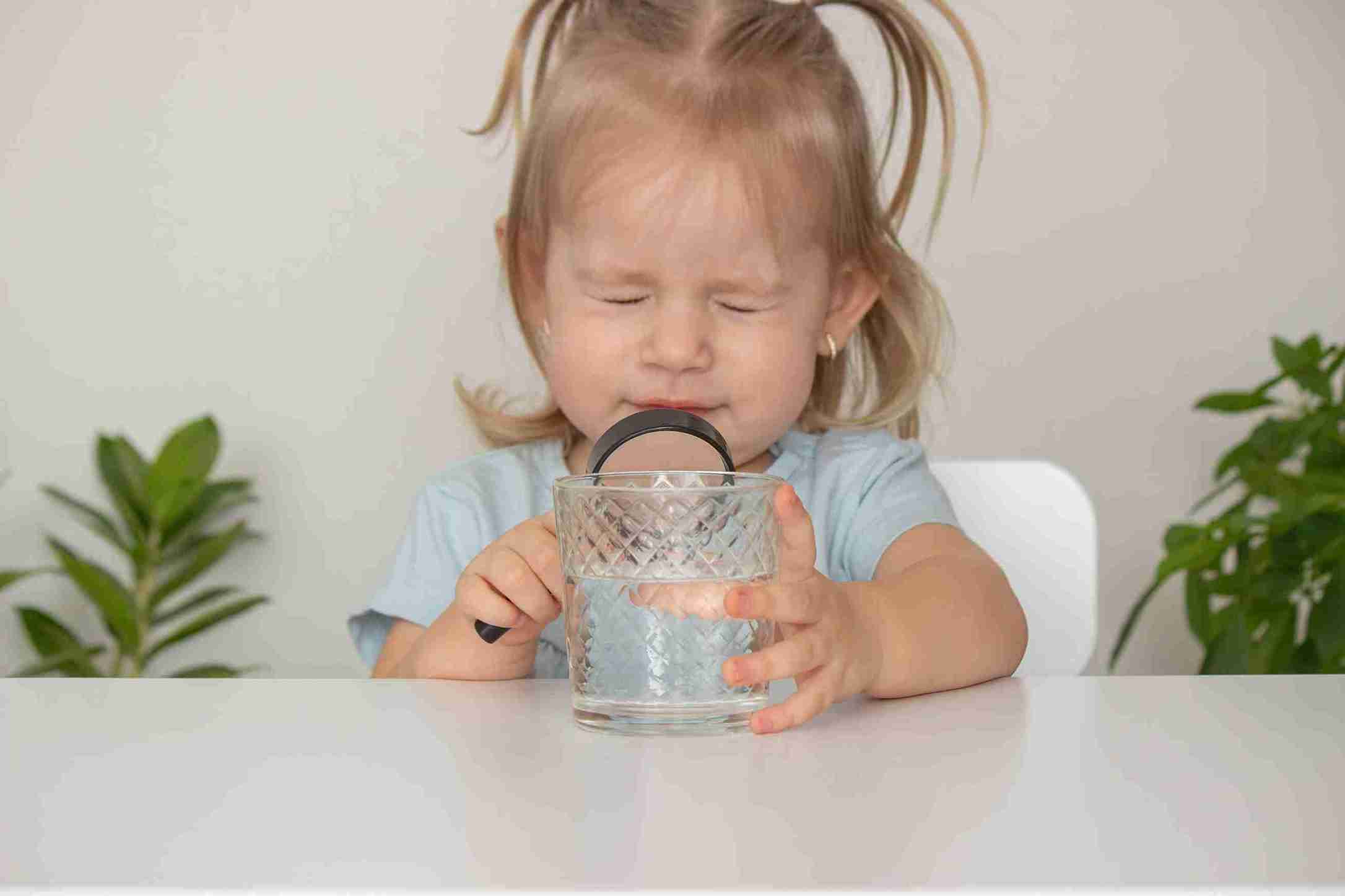
Your toddler's body is about 60% water. They need it for everything: regulating body temperature, helping digestion, carrying nutrients, keeping joints working, and even thinking clearly. Here is the thing: toddlers cannot tell when they are thirsty. By the time your child says they are thirsty, they are probably already a bit dehydrated. Their small bodies lose water quickly through sweating, breathing, and urinating. They are also running around constantly, which makes them lose even more water.
The recommended water intake for toddlers aged 1-3 years is roughly 4 cups (about 1 litre) per day. But this is not just plain water, it includes the water they drink, milk they consume and the water in their food (dal, fruits, vegetables).
Breaking it down:
● Age 1-2 years: 2-4 cups of water daily
● Age 2-3 years: 2-4 cups of water daily
These are guidelines, not strict rules. Your child might need more if they:
● Play outside in the heat
● Run around a lot
● Have a fever
● Have diarrhoea or vomiting
● Live in a hot, humid climate
Your toddler should also drink 2-3 cups of whole milk per day if they are between 1-2 years old or 2-2.5 cups if they are between 2-5 years old. Milk provides calcium, protein, and fat that they need to grow. But here's the trap: too much milk fills them up, and they won't eat proper food or drink water. They might also develop an iron deficiency. Milk is good, but water should be their main drink.

Safe water intake for toddlers means not too little, not too much. Too little leads to dehydration. Too much can cause water intoxication, though this is rare. Water intoxication happens when a child drinks so much water that it dilutes the sodium in their blood. This is dangerous but uncommon unless your child drinks excessive amounts in a short time. Stick to the 4 cups (1 litre) guideline, spread throughout the day. Offer water:
● When they wake up
● With meals and snacks
● After playing
●Before bed
Don't force them to chug large amounts at once. Small sips throughout the day work better.
These are the signs of dehydration in toddlers that you really need to watch for:
● Dry lips and mouth
● Fewer wet nappies (less than 6 per day for younger toddlers)
● Dark yellow urine (healthy urine is pale yellow)
● Crying with few or no tears
● Tired or cranky behaviour
● Dry skin
● Very dark urine or no urine for 8+ hours
● Sunken eyes
● Sunken soft spot on the head (in younger toddlers)
● Very dry mouth and skin
● Extreme fussiness or lethargy
● Fast breathing or heartbeat

This is the real battle, isn't it? Your toddler wants juice, lassi, or anything but plain water. Try these tricks:
Make it fun: Let them pick a colourful sippy cup or water bottle. Children love having their own special cup.
Be sneaky: Offer water-rich foods like watermelon, oranges, cucumber, tomatoes, and curd. These count towards hydration.
Flavour it naturally: Add a squeeze of lemon or a few pieces of fruit to their water. Just don't add sugar.
Lead by example: Drink water in front of them. When they see you choosing water, they will copy you.
Make it accessible: Keep their water bottle where they can see and reach it at any time. Out of sight means out of mind.
Offer regularly: Don't wait for them to ask. Offer water every couple of hours.
Use fun ice cubes: Freeze water with tiny pieces of fruit inside. Toddlers love watching the ice melt.
Juice: Limit to 120-180 mL per day maximum, and dilute it with water. Juice has a lot of sugar and can cause tooth decay, and fill them up without providing nutrition.
Soft drinks: No. Just no. They are full of sugar and have no place in a toddler's diet.
Buttermilk/Chaach: Fine in moderation. It is hydrating and has probiotics.
Coconut water: Good occasionally, especially after playing in the heat. But water should still be the main drink.
Sports drinks: Not needed for toddlers. Water is enough.
When sick: If your child has diarrhoea or vomiting, they need more fluids. Offer water frequently in small amounts. ORS (oral rehydration solution) might be needed. Call your paediatrician if they can't keep liquids down.
Hot weather: During the summer, increase water intake. Offer water every 30-60 minutes, especially when they are outside.
Active play: Before, during, and after running around, offer water. Don't wait for them to say they are thirsty.

Water may feel like one more thing to worry about. Between feeding them, keeping toddlers safe, and managing daily life, hydration is just another box to tick. But you don't need to be perfect. If your child is peeing regularly (pale yellow urine), seems energetic, and has moist lips, they are probably fine. Keep offering water. Make it accessible. Be patient when they refuse. Trust your instincts. If something feels off, check with your paediatrician. You know your child best.

Milk provides hydration and counts toward your toddler's fluid intake, but it is not the same as water. Toddlers aged 1-2 need 2-3 cups of milk daily for nutrition, but milk is thicker and has protein and fat that water does not. Water should be their main drink for hydration. Too much milk (over 3 cups) can fill them up, reduce their appetite, and cause iron deficiency. Offer both milk and water throughout the day.
Yes, toddlers can drink water at night if they are thirsty, especially in hot weather. Offer a few sips before bed and keep water accessible if they wake up thirsty. However, drinking large amounts right before bed might cause more nighttime nappy changes or bedwetting. If your child wakes asking for water frequently, they might not be drinking enough during the day. Increase daytime water intake and offer a small drink before bedtime.
Offer water to your toddler every 2 hours throughout the day, and always with meals and snacks. Active toddlers need water more frequently, every 30-60 minutes during play, especially in hot weather. Don't wait for them to say they are thirsty, as they often don't recognise thirst. Small, frequent sips work better than large amounts at once. Keep their water bottle visible and accessible to encourage regular drinking throughout the day.
Toddlers aged 1-3 years need approximately 4 cups (1 litre) of water daily from all sources combined, drinking water, milk, and water content in food. This breaks down to roughly 2-4 cups of plain water plus 2-3 cups of milk. Individual needs vary based on activity level, weather, and health. Active toddlers, those in hot climates, or sick children need more.







 Best Gynecologists in Bellandur Best Gynecologists in Electronic City Best Gynecologists in HRBR LayoutBest Gynecologists in Jayanagar Best Gynecologists in Kanakapura RoadBest Gynecologists in Malleswaram Best Gynecologists in Nagarbhavi Best Gynecologists in Old Airport RoadBest Gynecologists in Sahakarnagar Best Gynecologists in Sarjapur RoadBest Gynecologists in ThanisandraBest Gynecologists in Varthur RoadBest Gynecologists in Whitefield Best Gynecologists in Industrial Area Phase IIBest Gynecologists in OMRBest Gynecologists in T NagarBest Gynecologists in New Industrial TownBest Gynecologists in IndirapuramBest Gynecologists in Golf Course RoadBest Gynecologists in Sector 14Best Gynecologists in Sector 47Best Gynecologists in Banjara HillsBest Gynecologists in GachibowliBest Gynecologists in Hitech CityBest Gynecologists in KompallyBest Gynecologists in Gomti NagarBest Gynecologists in MaladBest Gynecologists in NerulBest Gynecologists in VashiBest Gynecologists in Kailash ColonyBest Gynecologists in PatparganjBest Gynecologists in Punjabi BaghBest Gynecologists in VikaspuriBest Gynecologists in Gaur CityBest Gynecologists in Pari ChowkBest Gynecologists in Sector 51Best Gynecologists in Sector 5 Swastik ViharBest Gynecologists in Kalyani NagarBest Gynecologists in SB RoadBest Gynecologists in Pimple SaudagarBest Pediatricians in BellandurBest Pediatricians in Electronic CityBest Pediatricians in HRBR LayoutBest Pediatricians in JayanagarBest Pediatricians in Kanakapura RoadBest Pediatricians in MalleswaramBest Pediatricians in NagarbhaviBest Pediatricians in Old Airport RoadBest Pediatricians in SahakarnagarBest Pediatricians in Sarjapur RoadBest Pediatricians in ThanisandraBest Pediatricians in Varthur RoadBest Pediatricians in WhitefieldBest Pediatricians in Industrial Area Phase IIBest Pediatricians in OMRBest Pediatricians in T NagarBest Pediatricians in New Industrial TownshipBest Pediatricians in IndirapuramBest Pediatricians in Golf Course RoadBest Pediatricians in Sector 14Best Pediatricians in Sector 47Best Pediatricians in Hitech CityBest Pediatricians in Banjara HillsBest Pediatricians in GachibowliBest Pediatricians in KompallyBest Pediatricians in Gomti NagarBest Pediatricians in MaladBest Pediatricians in NerulBest Pediatricians in VashiBest Pediatricians in Kailash ColonyBest Pediatricians in PatparganjBest Pediatricians in Punjabi BaghBest Pediatricians in VikaspuriBest Pediatricians in Gaur CityBest Pediatricians in Pari ChowkBest Pediatricians in Sector 51Best Pediatricians in Sector 5 Swastik ViharBest Pediatricians in Kalyani NagarBest Pediatricians in SB RoadBest Pediatricians in Pimple Saudagar


