
Pregnancy can be characterised as a hopeful, expectant and dream-filled journey. Unfortunately, for some women, the journey can become tragic with what's referred to as a missed miscarriage or even a silent miscarriage. While a normal miscarriage has symptoms like heavy bleeding or cramping that indicate loss, the missed miscarriage is one that can go unnoticed quietly, without visible signs.
This absence of symptoms can be extremely troubling for pregnant parents since the diagnosis usually comes as a surprise while undergoing a normal ultrasound. Knowing missed miscarriage symptoms, what could cause it and what can be done about it can relieve anxiety and bring much-needed comfort to an emotionally challenging situation.
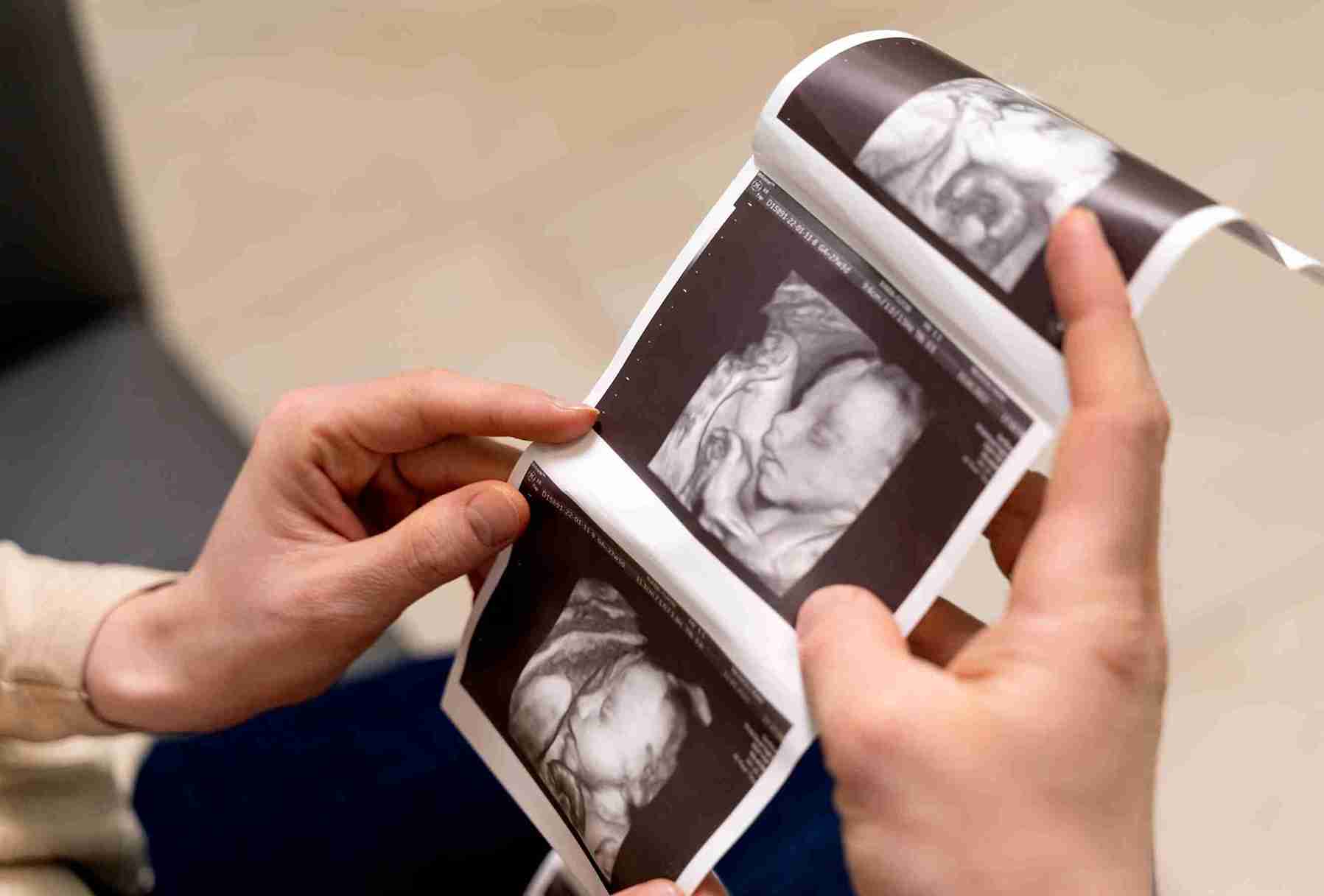
Missed miscarriage occurs when the development of the fetus or embryo stops, but the body fails to expel the pregnancy tissue. Because there are usually no initial signs of warning, it is also known as a silent miscarriage.
In most cases, women continue to feel that they are pregnant because the body still produces pregnancy hormones for some time. A missed miscarriage is typically identified on a scan where there is no fetal heartbeat or where the fetus has not developed properly.
This is different from other miscarriages, in which symptoms such as bleeding, passing tissue or severe cramping are more evident.
The exact cause of a missed miscarriage is often difficult to determine, but several factors can play a role:
It's also worth realising that in the overwhelming majority of cases, a missed miscarriage is not the mother's fault (or lack of it). Reassurance is key; self-blame only makes the emotional pain worse.
An unrecognised miscarriage can be complicated because no signs can be observed. However, some women can detect some changes:
It is worth noting that such changes are not always a sign of miscarriage. Diagnosis is possible only through a medical examination, most commonly by ultrasound.
_11zon.jpg)
Physicians usually make the diagnosis of a missed miscarriage with:
Since this diagnosis has a lot of emotional baggage, physicians will repeat tests or scans in a few days to ensure before speaking about treatment.
Treatment following a missed miscarriage is subject to medical recommendations, individual choice and emotional readiness. The primary methods are:
All these alternatives have advantages and factors to be considered. Physicians work with women and couples to facilitate these options, weighing medical safety against emotional comfort.
Aside from the physical, a missed miscarriage can be deeply grieving. Women experience shock, grief or guilt and their partners can also fight with the loss. Ways of coping are:
The good news is that the majority of women who have a missed miscarriage are able to have successful pregnancies in the future.
Following a missed miscarriage diagnosis or treatment, call a doctor immediately if you have:
It's also crucial to call if you're experiencing prolonged depression, sadness or anxiety. Mental health is just as essential as physical health.

Our approach at Cloudnine is that a missed miscarriage is not merely a medical diagnosis; it is an emotional experience. What separates us from others is our holistic approach that combines clinical expertise with compassionate care. From high-tech diagnostic labs to tailored treatment plans, our experts make each woman feel cared for at each stage. In addition to medical care, we also offer emotional counselling and support services, understanding the importance of healing both body and mind. Cloudnine's purpose is to provide each woman with comfort, clarity and confidence as she moves forward towards brighter days.
Dealing with a missed miscarriage can feel all-consuming and somewhat complex physically and emotionally. While navigating through it is never easy, learning about the causes of missed miscarriages, potential silent miscarriage symptoms, and treatment options can help you put everything into perspective at a difficult time. With appropriate medical management and emotional support, it is also possible to heal from this painful loss, and most women will go on to have successful and healthy pregnancies. You are not alone, and respectful and understanding support is always possible to access.

Missed miscarriage can only be diagnosed by medical tests, typically an ultrasound and occasionally a blood test. Symptoms, however, are not true indicators.
It may be several days or even weeks before the body eliminates pregnancy tissue. Others may prefer surgical or medical interventions for faster resolution.
A majority of missed miscarriages happen during the first trimester, between weeks 6 and 12.
A missed miscarriage may begin with a sudden loss of pregnancy symptoms like nausea or breast tenderness, but usually without heavy bleeding or cramping. The only reliable way to confirm it is through an ultrasound showing no heartbeat or growth.







 Best Gynecologists in Bellandur Best Gynecologists in Electronic City Best Gynecologists in HRBR LayoutBest Gynecologists in Jayanagar Best Gynecologists in Kanakapura RoadBest Gynecologists in Malleswaram Best Gynecologists in Nagarbhavi Best Gynecologists in Old Airport RoadBest Gynecologists in Sahakarnagar Best Gynecologists in Sarjapur RoadBest Gynecologists in ThanisandraBest Gynecologists in Varthur RoadBest Gynecologists in Whitefield Best Gynecologists in Industrial Area Phase IIBest Gynecologists in OMRBest Gynecologists in T NagarBest Gynecologists in New Industrial TownBest Gynecologists in IndirapuramBest Gynecologists in Golf Course RoadBest Gynecologists in Sector 14Best Gynecologists in Sector 47Best Gynecologists in Banjara HillsBest Gynecologists in GachibowliBest Gynecologists in Hitech CityBest Gynecologists in KompallyBest Gynecologists in Gomti NagarBest Gynecologists in MaladBest Gynecologists in NerulBest Gynecologists in VashiBest Gynecologists in Kailash ColonyBest Gynecologists in PatparganjBest Gynecologists in Punjabi BaghBest Gynecologists in VikaspuriBest Gynecologists in Gaur CityBest Gynecologists in Pari ChowkBest Gynecologists in Sector 51Best Gynecologists in Sector 5 Swastik ViharBest Gynecologists in Kalyani NagarBest Gynecologists in SB RoadBest Gynecologists in Pimple SaudagarBest Pediatricians in BellandurBest Pediatricians in Electronic CityBest Pediatricians in HRBR LayoutBest Pediatricians in JayanagarBest Pediatricians in Kanakapura RoadBest Pediatricians in MalleswaramBest Pediatricians in NagarbhaviBest Pediatricians in Old Airport RoadBest Pediatricians in SahakarnagarBest Pediatricians in Sarjapur RoadBest Pediatricians in ThanisandraBest Pediatricians in Varthur RoadBest Pediatricians in WhitefieldBest Pediatricians in Industrial Area Phase IIBest Pediatricians in OMRBest Pediatricians in T NagarBest Pediatricians in New Industrial TownshipBest Pediatricians in IndirapuramBest Pediatricians in Golf Course RoadBest Pediatricians in Sector 14Best Pediatricians in Sector 47Best Pediatricians in Hitech CityBest Pediatricians in Banjara HillsBest Pediatricians in GachibowliBest Pediatricians in KompallyBest Pediatricians in Gomti NagarBest Pediatricians in MaladBest Pediatricians in NerulBest Pediatricians in VashiBest Pediatricians in Kailash ColonyBest Pediatricians in PatparganjBest Pediatricians in Punjabi BaghBest Pediatricians in VikaspuriBest Pediatricians in Gaur CityBest Pediatricians in Pari ChowkBest Pediatricians in Sector 51Best Pediatricians in Sector 5 Swastik ViharBest Pediatricians in Kalyani NagarBest Pediatricians in SB RoadBest Pediatricians in Pimple Saudagar


