


Hearing a whistling sound when your child breathes can be worrying, especially if it appears suddenly or happens along with a cough. But wheezing can happen for different reasons, and it doesn't always mean a child has asthma.
Wheezing usually occurs when air moves through narrowed or inflamed airways. In some children, it may happen during a respiratory infection and settle as the illness improves. In others, repeated episodes may suggest an underlying condition that needs further evaluation.
Understanding child wheezing symptoms, possible triggers, and when breathing changes need medical attention can help parents respond appropriately without jumping to conclusions.

Wheezing is usually a high-pitched, whistling sound that comes from the chest. It is often easier to hear when a child breathes out.
Not every noisy breath is wheezing. A blocked or congested nose can also produce whistling sounds, especially during a cold. True wheezing generally comes from narrowed lower airways rather than the nose.
If you are unsure whether the sound is wheezing, especially if it is new or accompanied by breathing difficulty, it is worth having your child assessed.
Several causes of wheezing in children are possible, and the most likely explanation depends on the child’s age, whether the episode began during an illness, and whether wheezing has happened before.
Broadly, causes may include:
● Viral respiratory infections.
● Asthma or increased airway sensitivity.
● Allergic or irritant-related airway reactions.
● Other conditions that narrow or obstruct the airways.
Age and symptom pattern provide important clues. Viral illnesses commonly cause wheezing in children, while repeated episodes may require assessment for asthma or another underlying cause.
Wheezing and coughing often occur together because both can result from narrowed, inflamed, or irritated airways.
During a respiratory illness, inflammation and mucus can make the airways more sensitive. Coughing helps clear mucus and irritation, while wheezing happens when air moves through narrowed airways.
The combination can also occur in conditions that affect the lower airways. Whether the cough and wheeze resolve with an illness or keep returning can help the doctor understand what may be causing them.
Yes. Viral respiratory infections commonly cause wheezing in children.
During a cold, the airways can become inflamed and temporarily narrow, which may lead to wheezing after a cold in children. In some cases, wheezing appears while the child is still unwell; in others, it may continue briefly as the infection resolves.
A single episode of wheezing during a cold does not automatically mean the child has asthma.
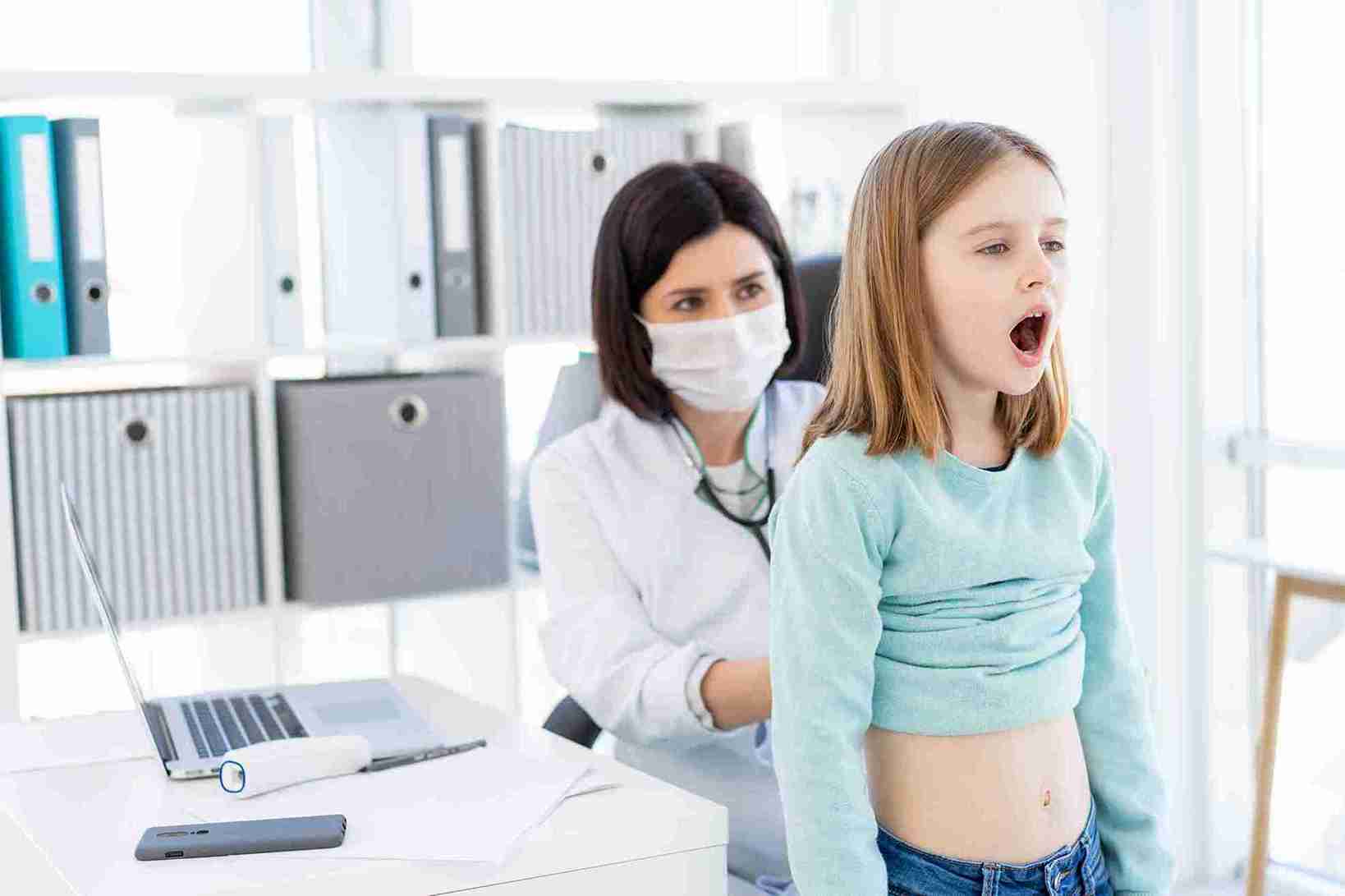
No. Wheezing can occur with asthma, but wheezing alone does not confirm an asthma diagnosis.
Asthma may be considered when wheezing:
● Happens repeatedly.
● Occurs even when the child does not have a cold.
● Is triggered by exercise, allergens or other known triggers.
● Occurs at night or early in the morning.
● Is associated with recurrent cough, chest tightness or breathing difficulty.
● Improves with prescribed asthma treatment.
A doctor will usually consider the overall pattern of symptoms, the child’s age, medical history, and examination findings before deciding whether asthma is likely.
Wheezing can also occur in situations that need a different type of assessment or treatment:
● Allergic reactions, particularly when wheezing appears suddenly along with other allergy symptoms.
● Airway irritation from smoke, strong fumes or other environmental irritants.
● Bronchiolitis, which mainly affects babies and children under 2 years.
● A foreign object in the airway, especially if wheezing begins suddenly after choking or while eating or playing with small objects.
● Less common structural or airway conditions, particularly when wheezing is persistent or unusual.
Sudden wheezing without a preceding respiratory illness may raise concern about an inhaled foreign object.
Finding the cause usually starts with understanding when the wheezing began and what else was happening at the time.
The doctor may ask about:
● Whether this is the first episode or wheezing has happened before.
● Recent colds or respiratory infections.
● Cough, fever or other accompanying symptoms.
● Symptoms during exercise or at night.
● Possible allergy or irritant exposure.
● Any choking episode.
● Personal or family history of asthma or allergies.
The child’s breathing, chest and oxygen levels may also be assessed. Depending on the child’s age and symptoms, doctors may consider additional tests, but not every child who wheezes needs a chest X-ray or lung-function test.
Treatment depends on the cause of the wheezing and how much it affects the child’s breathing.
Some episodes associated with respiratory infections may mainly need supportive care and monitoring as the illness improves. Children with asthma or recurrent airway narrowing may be prescribed inhaled medicines as part of an individual treatment plan.
If wheezing is related to an allergic reaction, foreign-body aspiration, or another underlying condition, treatment will target that cause.
Parents should not start leftover inhalers, nebuliser medicines or other treatments without medical advice.
A child should be assessed if wheezing is new, keeps returning, or starts to affect normal activities.
Medical review is especially important when:
● It is the child’s first episode of wheezing.
● Wheezing continues after the respiratory illness has otherwise improved.
● Episodes are becoming more frequent.
● Symptoms disturb sleep or limit exercise and play.
● Wheezing occurs without an obvious cold.
● The child also has a persistent cough or breathing discomfort.
The assessment can help determine whether the child needs treatment for the current episode or further evaluation for an underlying condition.
Seek urgent medical care if your child:
● Is struggling significantly to breathe.
● Has marked pulling in of the skin between or below the ribs.
● Is too breathless to speak, cry, drink or move normally.
● Develops blue or grey lips or face.
● Becomes unusually drowsy, weak or difficult to wake.
● Collapses.
● Develops sudden wheezing after choking.
● Has wheezing together with signs of a severe allergic reaction.
These signs suggest that breathing may be significantly affected and should not be managed at home.

One episode of wheezing does not necessarily indicate a long-term respiratory condition.
If wheezing recurs, when it happens, what seems to trigger it and how it affects the child’s daily activities can help guide further evaluation. A paediatric assessment can then help determine the likely cause and appropriate treatment.
Want to consult the best pediatrician in India? Please find the links below

Wheezing is usually a high-pitched, whistling sound from the chest, often more noticeable when the child breathes out. Noisy breathing from nasal congestion can sound different and doesn't necessarily mean the lower airways are narrowed.
Wheezing and coughing can occur together when the airways are inflamed, irritated or narrowed. This can happen during respiratory infections, asthma-related episodes, or other conditions that affect the lower airways.
Yes. Viral respiratory infections can cause temporary airway inflammation and narrowing, leading to wheezing after a cold in children. One episode during an infection does not automatically mean the child has asthma.
No. Asthma is one possible cause, but viral infections, allergies, airway irritation and other conditions can also cause wheezing. Repeated episodes or symptoms that occur outside colds may need further assessment.


 Best Gynecologists in Bellandur Best Gynecologists in Electronic City Best Gynecologists in HRBR LayoutBest Gynecologists in Jayanagar Best Gynecologists in Kanakapura RoadBest Gynecologists in Malleswaram Best Gynecologists in Nagarbhavi Best Gynecologists in Old Airport RoadBest Gynecologists in Sahakarnagar Best Gynecologists in Sarjapur RoadBest Gynecologists in ThanisandraBest Gynecologists in Varthur RoadBest Gynecologists in Whitefield Best Gynecologists in Industrial Area Phase IIBest Gynecologists in OMRBest Gynecologists in T NagarBest Gynecologists in New Industrial TownBest Gynecologists in IndirapuramBest Gynecologists in Golf Course RoadBest Gynecologists in Sector 14Best Gynecologists in Sector 47Best Gynecologists in Banjara HillsBest Gynecologists in GachibowliBest Gynecologists in Hitech CityBest Gynecologists in KompallyBest Gynecologists in Jawahar NagarBest Gynecologists in Gomti NagarBest Gynecologists in Phase 3, Sector 58Best Gynecologists in MaladBest Gynecologists in NerulBest Gynecologists in VashiBest Gynecologists in Kailash ColonyBest Gynecologists in PatparganjBest Gynecologists in Punjabi BaghBest Gynecologists in RohiniBest Gynecologists in VikaspuriBest Gynecologists in Gaur CityBest Gynecologists in Pari ChowkBest Gynecologists in Sector 51Best Gynecologists in Sector 5 Swastik ViharBest Gynecologists in Kalyani NagarBest Gynecologists in SB RoadBest Gynecologists in Pimple SaudagarBest Pediatricians in BellandurBest Pediatricians in Electronic CityBest Pediatricians in HRBR LayoutBest Pediatricians in JayanagarBest Pediatricians in Kanakapura RoadBest Pediatricians in MalleswaramBest Pediatricians in NagarbhaviBest Pediatricians in Old Airport RoadBest Pediatricians in SahakarnagarBest Pediatricians in Sarjapur RoadBest Pediatricians in ThanisandraBest Pediatricians in Varthur RoadBest Pediatricians in WhitefieldBest Pediatricians in Industrial Area Phase IIBest Pediatricians in OMRBest Pediatricians in T NagarBest Pediatricians in New Industrial TownshipBest Pediatricians in IndirapuramBest Pediatricians in Golf Course RoadBest Pediatricians in Sector 14Best Pediatricians in Sector 47Best Pediatricians in Hitech CityBest Pediatricians in Banjara HillsBest Pediatricians in GachibowliBest Pediatricians in KompallyBest Pediatricians in Jawahar NagarBest Pediatricians in Gomti NagarBest Pediatricians in Phase 3, Sector 58Best Pediatricians in MaladBest Pediatricians in NerulBest Pediatricians in VashiBest Pediatricians in Kailash ColonyBest Pediatricians in PatparganjBest Pediatricians in Punjabi BaghBest Pediatricians in RohiniBest Pediatricians in VikaspuriBest Pediatricians in Gaur CityBest Pediatricians in Pari ChowkBest Pediatricians in Sector 51Best Pediatricians in Sector 5 Swastik ViharBest Pediatricians in Kalyani NagarBest Pediatricians in SB RoadBest Pediatricians in Pimple Saudagar


