
Many people trying to conceive often wonder about the exact timing of fertility and whether chances of pregnancy extend beyond ovulation. A common question that comes up is: can you get pregnant 3 days after ovulation? While ovulation marks the peak of fertility, the window for conception is actually quite short.
In most cases, the chances of pregnancy a few days after ovulation are very low because the egg does not survive for long. However, understanding how ovulation works can help you better plan your chances. Let’s explore how fertility timing really works and what it means for conception.
_11zon.jpg)
The possibility of getting pregnant 3 days after ovulation is extremely low. This is because:
After 3 days, the egg is no longer viable, so getting pregnant is highly unlikely. While rare exceptions may occur due to cycle miscalculations, for most women, conception at this stage is not possible.
Ovulation is the time when the mature egg is released from the ovary into the fallopian tube. This is the time when getting pregnant is possible. The fertility window includes:
This is because sperm can survive in the female reproductive tract for as long as 5 days. This means that even if intercourse occurs before ovulation, getting pregnant is still possible because the sperm can still be present when the egg is released.
However, once ovulation has passed, the chances of pregnancy drop quickly because the egg has a very short lifespan.
Many women seek an answer to the question: how many days after ovulation can you get pregnant?
Here is the simple answer:
After this period, the chances of becoming pregnant are very low since the egg is no longer available to be fertilised.
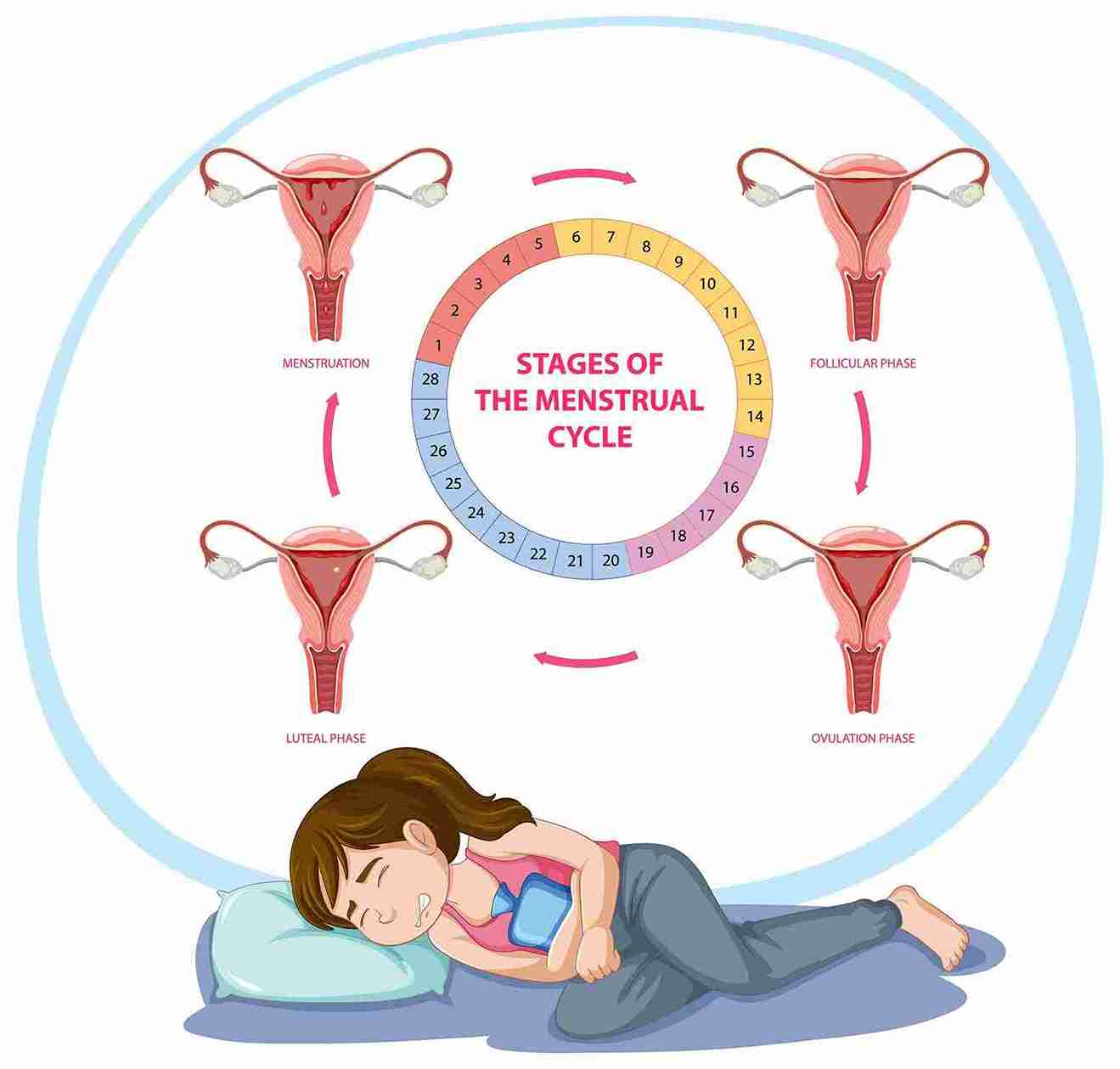
Understanding the chances of becoming pregnant is easier with this timeline:
One of the most asked questions is how many days after your period do you ovulate?
The answer is simple. For the normal 28-day cycle:
However, the cycle may not be the same for everyone. Some may ovulate early or later, depending on:
For instance:
Therefore, it is necessary to keep track of your cycle rather than relying on the average.

Even though there are small chances for this to happen, pregnancy can still occur after ovulation in such cases:
This may cause confusion and may be mistaken for pregnancy after ovulation. However, the pregnancy may actually be due to ovulation occurring earlier.
Recognising these signs can help you understand if ovulation has passed:
Tracking these indicators can help you better identify your fertile window.
If you are trying to conceive, timing is key. Here are some helpful tips:
Focusing on the fertile window significantly improves your chances of conception.
It’s important to seek medical advice if:
Early consultation can help identify and treat underlying issues.
In the field of fertility and reproductive health, it’s always helpful to seek the guidance and expertise of professionals. Cloudnine’s specialised care aims to educate individuals on the different ovulation cycles and increase the chances of conception.
With the aid of advanced technology and the assistance of experienced gynaecologists, Cloudnine offers personalised guidance to individuals based on their respective cycles and conditions. Their approach to fertility and reproductive health is accurate and holistic, enabling them to provide the best assistance to those in need.
The answer to the question of whether you can get pregnant 3 days after ovulation is no, but it is essential to understand your cycle in order to make informed decisions regarding your fertility. Understanding your fertile window and ovulation cycle, as well as seeking early medical intervention, can help you achieve your reproductive goals.

Want to consult the best gynecologists in India? Please find the links below.
Want to consult the best Maternity Packages in India? Please find the links below.

The least chance of getting pregnant would be after the process of ovulation, specifically 2-3 days later.
The chances of getting pregnant are lowest outside the fertile window, especially a few days after ovulation or just before the next menstrual period.
It depends on your cycle length. If you ovulate early, there is a small chance, especially since sperm can survive for up to 5 days.
The 5 most fertile days are the 4–5 days before ovulation and the day of ovulation itself.







 Best Gynecologists in Bellandur Best Gynecologists in Electronic City Best Gynecologists in HRBR LayoutBest Gynecologists in Jayanagar Best Gynecologists in Kanakapura RoadBest Gynecologists in Malleswaram Best Gynecologists in Nagarbhavi Best Gynecologists in Old Airport RoadBest Gynecologists in Sahakarnagar Best Gynecologists in Sarjapur RoadBest Gynecologists in ThanisandraBest Gynecologists in Varthur RoadBest Gynecologists in Whitefield Best Gynecologists in Industrial Area Phase IIBest Gynecologists in OMRBest Gynecologists in T NagarBest Gynecologists in New Industrial TownBest Gynecologists in IndirapuramBest Gynecologists in Golf Course RoadBest Gynecologists in Sector 14Best Gynecologists in Sector 47Best Gynecologists in Banjara HillsBest Gynecologists in GachibowliBest Gynecologists in Hitech CityBest Gynecologists in KompallyBest Gynecologists in Gomti NagarBest Gynecologists in MaladBest Gynecologists in NerulBest Gynecologists in VashiBest Gynecologists in Kailash ColonyBest Gynecologists in PatparganjBest Gynecologists in Punjabi BaghBest Gynecologists in VikaspuriBest Gynecologists in Gaur CityBest Gynecologists in Pari ChowkBest Gynecologists in Sector 51Best Gynecologists in Sector 5 Swastik ViharBest Gynecologists in Kalyani NagarBest Gynecologists in SB RoadBest Gynecologists in Pimple SaudagarBest Pediatricians in BellandurBest Pediatricians in Electronic CityBest Pediatricians in HRBR LayoutBest Pediatricians in JayanagarBest Pediatricians in Kanakapura RoadBest Pediatricians in MalleswaramBest Pediatricians in NagarbhaviBest Pediatricians in Old Airport RoadBest Pediatricians in SahakarnagarBest Pediatricians in Sarjapur RoadBest Pediatricians in ThanisandraBest Pediatricians in Varthur RoadBest Pediatricians in WhitefieldBest Pediatricians in Industrial Area Phase IIBest Pediatricians in OMRBest Pediatricians in T NagarBest Pediatricians in New Industrial TownshipBest Pediatricians in IndirapuramBest Pediatricians in Golf Course RoadBest Pediatricians in Sector 14Best Pediatricians in Sector 47Best Pediatricians in Hitech CityBest Pediatricians in Banjara HillsBest Pediatricians in GachibowliBest Pediatricians in KompallyBest Pediatricians in Gomti NagarBest Pediatricians in MaladBest Pediatricians in NerulBest Pediatricians in VashiBest Pediatricians in Kailash ColonyBest Pediatricians in PatparganjBest Pediatricians in Punjabi BaghBest Pediatricians in VikaspuriBest Pediatricians in Gaur CityBest Pediatricians in Pari ChowkBest Pediatricians in Sector 51Best Pediatricians in Sector 5 Swastik ViharBest Pediatricians in Kalyani NagarBest Pediatricians in SB RoadBest Pediatricians in Pimple Saudagar


