
For couples trying to conceive, timing intercourse around ovulation is one of the most important steps toward a successful pregnancy. When you are trying to conceive, knowing your fertile window can make all the difference. Each month, your body has a window of just 6 days when pregnancy is possible. Missing this window means waiting another full cycle to try again.
Many couples assume conception happens quickly after stopping contraception. If you do not track ovulation, you may unknowingly miss your most fertile days each month. The good news is that tracking ovulation is straightforward once you know what signs to look for.

Each month, one of your ovaries releases an egg, a process called ovulation. Once released during ovulation, the egg can be fertilised for roughly 12–24 hours. If it does not meet a sperm, it breaks down, and your period usually begins about two weeks later. Sperm can survive inside the body for up to five days. Because of this, your fertile window includes the five days before ovulation and the day of ovulation. This brings the total to six days. The highest chance of getting pregnant is during the two to three days just before ovulation.
The simplest way to start is with an ovulation calculator for pregnancy. These predict when you are most likely to ovulate based on your cycle length. You need: (1) The first day of your last period, and (2) Your average cycle length (days from first day of one period to first day of the next). Most women ovulate about 14 days before their next period. So if you have a 28-day cycle, you likely ovulate around day 14. If your cycle is 30 days, ovulation happens around day 16.
There are apps that you can use to calculate your period dates. Track for 3 months to get accurate predictions. Calculators work best with regular cycles. If periods vary by more than a week, predictions may not be accurate. You will need other tracking methods. Stress, illness, or travel can also shift the timing of ovulation.
Your body sends signals when ovulation approaches. Learning ovulation symptoms for conception gives more accurate timing than calculators alone.
Changes in cervical mucus are one of the most reliable signs of fertility. This discharge changes throughout your menstrual cycle.
● After your period: Dry or very little discharge
● As ovulation gets closer: Sticky or creamy discharge
● At peak fertility: Clear, slippery, and stretchy, like egg white
When the mucus can stretch between your fingers for several centimetres, it usually means you are fertile. This type of mucus helps sperm move easily through the cervix. After ovulation, the discharge may become thick or disappear.
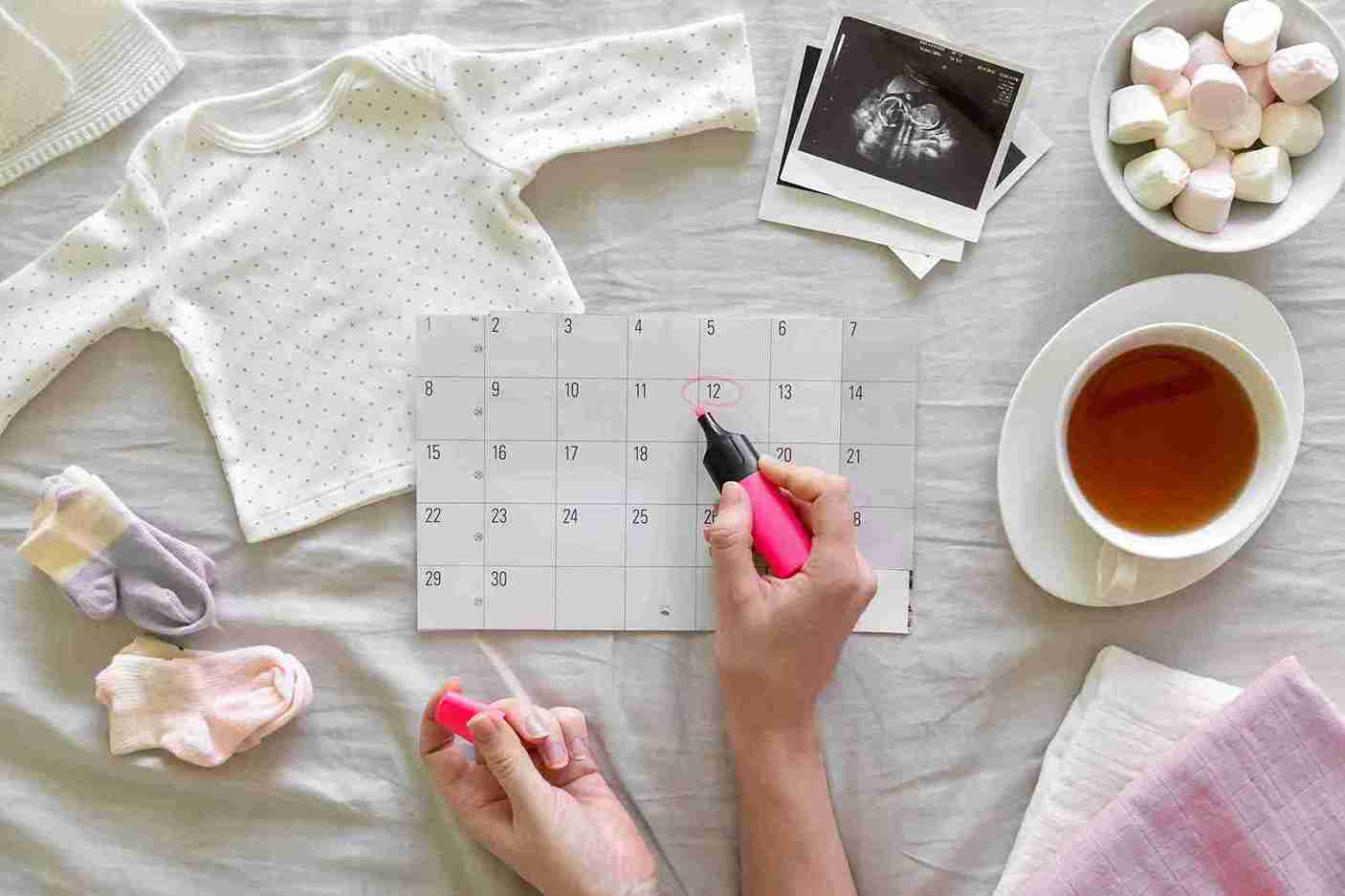
Your temperature rises 0.3-0.8°C after ovulation. Use a basal thermometer every morning before getting out of bed. Record it to see the pattern. Temperature stays low before ovulation, then rises and stays elevated until your period.
About 40% of women feel a sharp or cramping pain on one side of their lower belly when they ovulate, called mittelschmerz. Some women also notice that their breasts feel sore or that they have a higher sex drive around the time of ovulation.
For tracking ovulation to get pregnant fast, and to increase your chances of getting pregnant, you can use ovulation predictor kits (OPKs). These kits detect a rise in LH (Luteinizing Hormone), which occurs about 24 to 36 hours before ovulation. Ovulation predictor kits are available at chemist shops. Start testing a few days before you expect ovulation. You can test once or twice a day.
When the test line is as dark as or darker than the control line, it usually means ovulation is likely within the next 12 to 36 hours. This is the ideal time to have intercourse if you’re trying to conceive.
To get the best results, consider these methods:
● Calendar method: One simple way to learn how to know your fertile window is to use a reliable period-tracking app.
● Cervical mucus method: Monitor daily to verify fertility
● OPKs: Monitor to determine the exact day
● BBT (Basal Body Temperature) method: Monitor to verify ovulation and determine your pattern
After determining your fertile window, it is optimal to have sex every other day during this period. The best days are the 2–3 days before ovulation, as this is when the chance of conception is highest. Try not to worry about "performance" — stress can delay ovulation.
Track for at least 3 months to understand your pattern. If you are under 35, try for a year before consulting a doctor. Over 35, seek help after 6 months of trying.

Understanding your body better can improve your chances. Whether you track your cycle with an app, observe cervical mucus, or use ovulation kits, you’re taking an active step instead of just hoping for the best. Timing intercourse during your fertile window can significantly improve your chances of conceiving compared to random attempts. Give yourself some time to figure it out. Most women need a couple of cycles to recognise their pattern. Once you understand your rhythm, you’ll feel more confident about when your body is most ready for pregnancy.

Ovulation is when your ovary releases a mature egg, usually around the middle of your cycle, i.e., around day 14 in a 28-day cycle. The egg survives for about 12–24 hours after release. Pregnancy can only happen if sperm meets the egg during this time. Your fertile window includes the five days before ovulation and the day of ovulation itself — this is the best time to try to conceive.
Ovulation typically happens 14 days before your next period starts, regardless of cycle length. For a standard 28-day cycle, this means day 14. For a 30-day cycle, it is around day 16. Nevertheless, a menstrual cycle may range from 21 to 35 days, and some women do not follow this pattern. Stress, illness, or hormonal imbalances can alter the timing of ovulation. The best way to know when you ovulate is to track your cycle for several months using apps, cervical mucus changes, or ovulation predictor kits.
Start by tracking your menstrual cycle for 3 months. Note the first day of each period and count days until the next period begins, i.e., till the first day of the next period. Calculate your average cycle length. Ovulation occurs about 14 days before your next period. Your fertile window is 5 days before ovulation plus ovulation day. For accurate tracking, combine methods: use an ovulation calculator app for predictions, check cervical mucus daily (peak fertility shows egg-white consistency), and use ovulation predictor kits to detect the LH surge 24-36 hours before ovulation.
Common ovulation signs include cervical mucus changes (clear, slippery, stretchy like egg white), mild pelvic pain or twinges on one side, called mittelschmerz, breast tenderness, increased sex drive, light spotting, and slight bloating. Your basal body temperature rises 0.3-0.8°C after ovulation. Not all women experience all signs. But cervical mucus is the most reliable physical indicator. Track these signs for several months to recognise your pattern. Combining physical signs with ovulation predictor kits yields the most accurate determination of the fertile window.







 Best Gynecologists in Bellandur Best Gynecologists in Electronic City Best Gynecologists in HRBR LayoutBest Gynecologists in Jayanagar Best Gynecologists in Kanakapura RoadBest Gynecologists in Malleswaram Best Gynecologists in Nagarbhavi Best Gynecologists in Old Airport RoadBest Gynecologists in Sahakarnagar Best Gynecologists in Sarjapur RoadBest Gynecologists in ThanisandraBest Gynecologists in Varthur RoadBest Gynecologists in Whitefield Best Gynecologists in Industrial Area Phase IIBest Gynecologists in OMRBest Gynecologists in T NagarBest Gynecologists in New Industrial TownBest Gynecologists in IndirapuramBest Gynecologists in Golf Course RoadBest Gynecologists in Sector 14Best Gynecologists in Sector 47Best Gynecologists in Banjara HillsBest Gynecologists in GachibowliBest Gynecologists in Hitech CityBest Gynecologists in KompallyBest Gynecologists in Gomti NagarBest Gynecologists in MaladBest Gynecologists in NerulBest Gynecologists in VashiBest Gynecologists in Kailash ColonyBest Gynecologists in PatparganjBest Gynecologists in Punjabi BaghBest Gynecologists in VikaspuriBest Gynecologists in Gaur CityBest Gynecologists in Pari ChowkBest Gynecologists in Sector 51Best Gynecologists in Sector 5 Swastik ViharBest Gynecologists in Kalyani NagarBest Gynecologists in SB RoadBest Gynecologists in Pimple SaudagarBest Pediatricians in BellandurBest Pediatricians in Electronic CityBest Pediatricians in HRBR LayoutBest Pediatricians in JayanagarBest Pediatricians in Kanakapura RoadBest Pediatricians in MalleswaramBest Pediatricians in NagarbhaviBest Pediatricians in Old Airport RoadBest Pediatricians in SahakarnagarBest Pediatricians in Sarjapur RoadBest Pediatricians in ThanisandraBest Pediatricians in Varthur RoadBest Pediatricians in WhitefieldBest Pediatricians in Industrial Area Phase IIBest Pediatricians in OMRBest Pediatricians in T NagarBest Pediatricians in New Industrial TownshipBest Pediatricians in IndirapuramBest Pediatricians in Golf Course RoadBest Pediatricians in Sector 14Best Pediatricians in Sector 47Best Pediatricians in Hitech CityBest Pediatricians in Banjara HillsBest Pediatricians in GachibowliBest Pediatricians in KompallyBest Pediatricians in Gomti NagarBest Pediatricians in MaladBest Pediatricians in NerulBest Pediatricians in VashiBest Pediatricians in Kailash ColonyBest Pediatricians in PatparganjBest Pediatricians in Punjabi BaghBest Pediatricians in VikaspuriBest Pediatricians in Gaur CityBest Pediatricians in Pari ChowkBest Pediatricians in Sector 51Best Pediatricians in Sector 5 Swastik ViharBest Pediatricians in Kalyani NagarBest Pediatricians in SB RoadBest Pediatricians in Pimple Saudagar


