
You changed your baby's nappy and noticed red bumps all over their chest. Or maybe their cheeks look blotchy. Is this normal? Is your baby sick?
Newborn skin problems are incredibly common. Nearly every baby gets some kind of rash in the first few weeks. Most are harmless and go away on their own. But knowing which ones are normal and which need a doctor can save you worry.
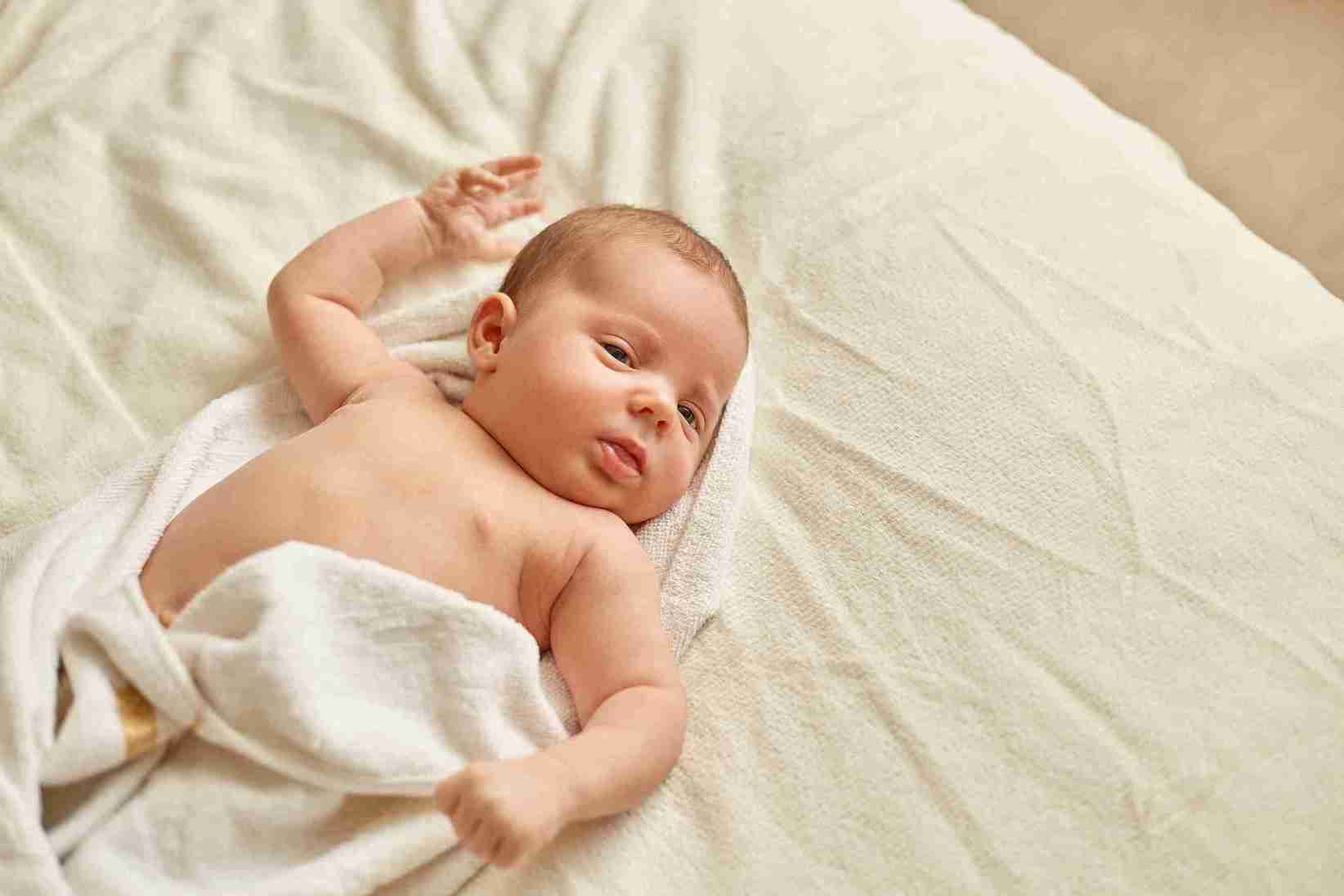
Your baby's skin is delicate and still adjusting to life outside your womb. Newborn skin is thinner than adult skin, more sensitive to irritants, prone to dryness, and still developing its protective barrier. This is why baby skin rashes show up so easily.
Let us start with the rashes that look scary but should not be.
This fancy name describes red blotches with a small white or yellow bump in the centre. It shows up on your baby's face, chest, arms, or legs, usually within the first 2-3 days after birth. Despite the scary-sounding name 'toxicum', it is completely harmless. About half of all newborns get this. It goes away on its own within 1-2 weeks. No treatment needed.
Tiny white bumps that look like whiteheads, usually on your baby's nose, chin, or cheeks. These are blocked pores and are totally normal. They disappear on their own within a few weeks. Just don't squeeze them!
Just like teenagers, babies can get pimples. This happens around 2-3 weeks after birth because of hormones from the mother, which are still in your baby's bloodstream. The pimples show up on the face. They are not painful or itchy. Just leave them alone, and they will clear up in a few weeks. Don't put any creams or oils on them.
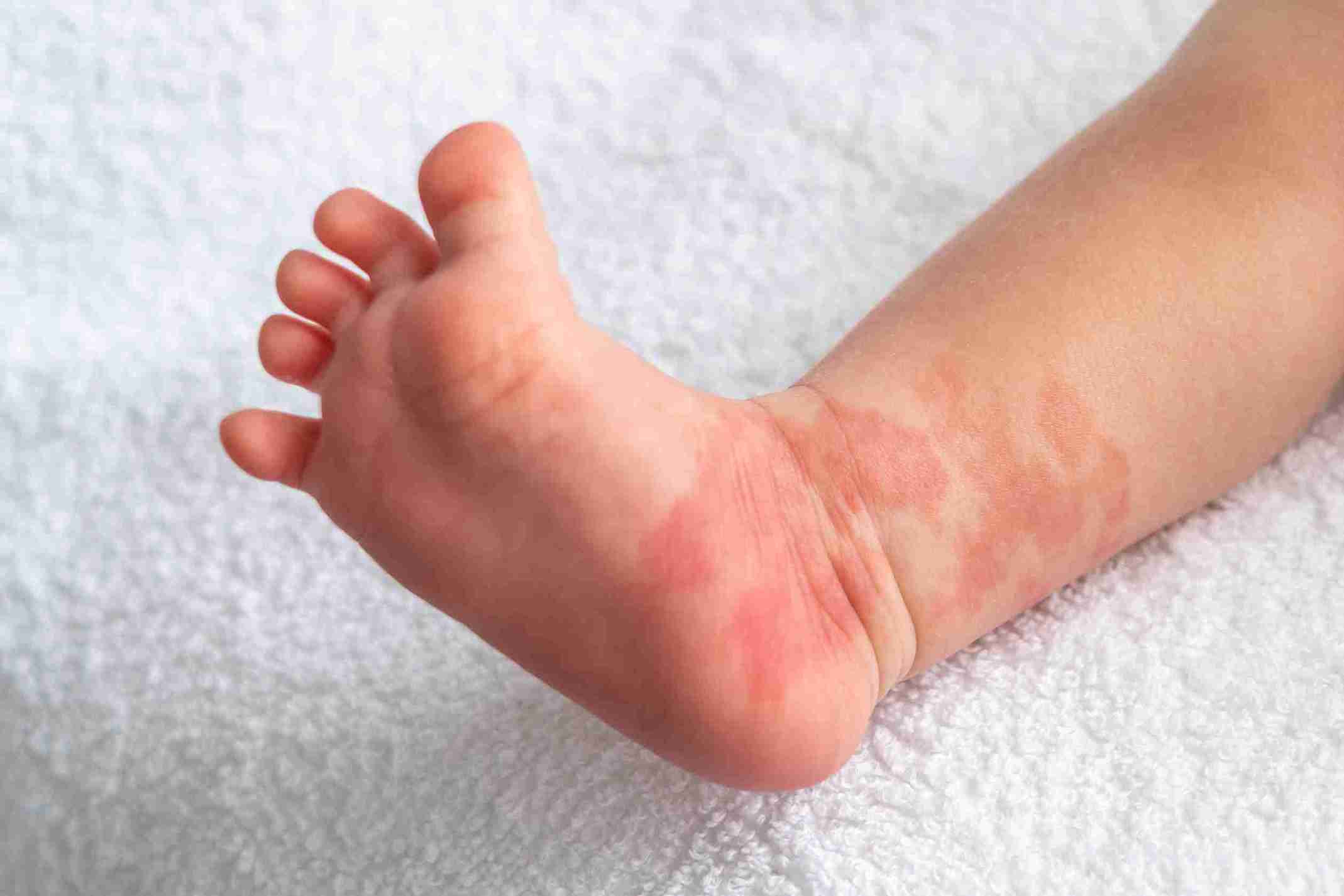
It is probably the most common one in the summer. Small red bumps appear on areas that get hot and sweaty, like the neck, armpits, and nappy area. This happens when your baby's sweat glands get blocked. Keep your baby cool by dressing them in loose cotton clothes, and it will clear up in a couple of days.
Thick, yellowish, scaly patches on your baby's scalp. It looks crusty but doesn't hurt or itch. Very common in the first few weeks. You can gently massage coconut oil or baby oil on the scalp, let it sit for 15 minutes, then wash with mild baby shampoo. The scales will soften and gradually come off.
Here are the newborn skin infections & allergies to watch for.
Nearly every Indian baby gets a nappy rash at some point. The skin in the nappy area turns red, sore, and sometimes raw.
Causes:
When it's just irritation: Red skin on the areas that touch the nappy (buttocks, genitals). Skin folds are usually fine.
When it's a yeast infection: Bright red rash with small bumps around the edges. The skin folds are also red. This happens when the rash does not clear up after 2-3 days, and the fungus moves in. Yeast nappy rash needs antifungal cream from your doctor.
Red, dry, itchy patches that appear on the cheeks, scalp, or behind the knees and elbows. The skin might look scaly or weepy. Eczema is common in babies; about 10-20% get it. It is often genetic. It flares up and calms down. There is no cure, but you can manage it. Your doctor might prescribe steroid cream for bad flare-ups. Regular moisturising helps prevent flare-ups.

White patches on your baby's tongue, inner cheeks, or roof of mouth that look like milk curds but won't wipe off. This is a yeast infection. Thrush can spread to the nappy area, causing a yeast nappy rash. Your doctor will prescribe antifungal drops or gel.
A bacterial skin infection that starts as red sores, usually around the nose and mouth. The sores burst and form honey-coloured crusty patches. This is contagious and needs antibiotics. See a doctor right away.
Itchy red spots that turn into fluid-filled blisters, then scab over. Starts on the face, chest, or back and spreads all over. Rare in newborns if the mother has had chickenpox, as the baby gets temporary immunity. But if your baby gets it, see a doctor immediately, as chickenpox can be serious in newborns.
Rush to the doctor or hospital if your baby has a rash with fever (over 38°C/100.4°F), fluid-filled blisters with yellow liquid, purple/deep red spots that don't fade when pressed, baby not feeding well, very sleepy or hard to wake, crying more than usual, rash spreading fast, or any rash in a baby under 3 months with fever. These could be serious infections needing urgent treatment.

Good newborn skin care tips can prevent many rashes:
Bathing: Bath 2-3 times a week; daily baths dry out the skin. Use lukewarm water and mild, fragrance-free soap. Pat dry gently and moisturise within 3 minutes.
Nappy Care: Change nappies every 2-3 hours or immediately after poo. Clean with water or gentle wipes. Let the area air-dry before putting on a fresh nappy. Apply nappy rash cream with each change. Give nappy-free time daily of at least 15-20 minutes.
Clothing: Choose soft cotton clothes. Wash new clothes before use with a gentle, fragrance-free detergent. Dress the baby according to the weather, usually one layer more than what you are wearing.
General Care: Keep baby's nails short, avoid harsh soaps or lotions, moisturise daily, and keep baby cool in hot weather.
When Oiling: You can oil babies daily. If you do: use pure coconut or almond oil, warm slightly, massage gently, wipe off excess, skip oiling if baby has an active rash.
Most newborn skin problems are normal and temporary. Your baby's skin is adjusting to the world. Rashes that show up in the first few weeks and don't bother your baby are usually fine. But trust your instincts. If your baby seems unwell, if the rash looks infected, or if you are worried, see a doctor. Better safe than sorry.

Want to consult the best pediatrician in India? Please find the links below
best pediatrician in Bangalore
Best pediatrician in Chandigarh
best pediatrician in faridabad
best pediatrician in hyderabad
Best pediatrician in New Delhi
Best pediatrician in Panchkula
Best pediatrician in Ghaziabad

Common harmless newborn skin problems are erythema toxicum, milia, newborn acne, heat rash, and cradle cap. These appear in the first few weeks and resolve on their own. Nappy rash affects most babies at some point. More concerning problems include eczema, thrush, impetigo, and yeast infections. Most rashes are harmless, but see a doctor if your baby has a fever, is not feeding well, or seems unwell.
Newborn skin is naturally dry because its protective barrier is still developing. Bathing too often may strip natural oils from the skin. Hot water and harsh soaps dry out skin. Low humidity, especially in air-conditioned rooms or during winter, causes dryness. Sometimes dry skin is eczema. To help - limit baths, use mild soap, moisturise within 3 minutes of bathing, use a humidifier in dry weather, and dress the baby in soft cotton. If dryness is severe or itchy, see your doctor.
Change nappies frequently, every 2-3 hours and immediately after poo. Clean the area gently with water or fragrance-free wipes. Let the skin air-dry before putting on a fresh nappy. Apply nappy rash cream with each change. Give nappy-free time daily for 15-20 minutes. Make sure nappies are not too tight. If using cloth nappies, wash them properly and rinse thoroughly. When starting solid foods, introduce new foods slowly, as some can cause acidic poo that can irritate the skin.
Most newborn rashes are NOT contagious. However, some infections ARE contagious: impetigo spreads easily through touch, thrush can spread to caregivers and back to baby, chickenpox is highly contagious, and some viral rashes can spread. If your baby has a rash, wash your hands after touching them, don't share towels, and ask your doctor if it is contagious before taking the baby around other children.







 Best Gynecologists in Bellandur Best Gynecologists in Electronic City Best Gynecologists in HRBR LayoutBest Gynecologists in Jayanagar Best Gynecologists in Kanakapura RoadBest Gynecologists in Malleswaram Best Gynecologists in Nagarbhavi Best Gynecologists in Old Airport RoadBest Gynecologists in Sahakarnagar Best Gynecologists in Sarjapur RoadBest Gynecologists in ThanisandraBest Gynecologists in Varthur RoadBest Gynecologists in Whitefield Best Gynecologists in Industrial Area Phase IIBest Gynecologists in OMRBest Gynecologists in T NagarBest Gynecologists in New Industrial TownBest Gynecologists in IndirapuramBest Gynecologists in Golf Course RoadBest Gynecologists in Sector 14Best Gynecologists in Sector 47Best Gynecologists in Banjara HillsBest Gynecologists in GachibowliBest Gynecologists in Hitech CityBest Gynecologists in KompallyBest Gynecologists in Gomti NagarBest Gynecologists in MaladBest Gynecologists in NerulBest Gynecologists in VashiBest Gynecologists in Kailash ColonyBest Gynecologists in PatparganjBest Gynecologists in Punjabi BaghBest Gynecologists in VikaspuriBest Gynecologists in Gaur CityBest Gynecologists in Pari ChowkBest Gynecologists in Sector 51Best Gynecologists in Sector 5 Swastik ViharBest Gynecologists in Kalyani NagarBest Gynecologists in SB RoadBest Gynecologists in Pimple SaudagarBest Pediatricians in BellandurBest Pediatricians in Electronic CityBest Pediatricians in HRBR LayoutBest Pediatricians in JayanagarBest Pediatricians in Kanakapura RoadBest Pediatricians in MalleswaramBest Pediatricians in NagarbhaviBest Pediatricians in Old Airport RoadBest Pediatricians in SahakarnagarBest Pediatricians in Sarjapur RoadBest Pediatricians in ThanisandraBest Pediatricians in Varthur RoadBest Pediatricians in WhitefieldBest Pediatricians in Industrial Area Phase IIBest Pediatricians in OMRBest Pediatricians in T NagarBest Pediatricians in New Industrial TownshipBest Pediatricians in IndirapuramBest Pediatricians in Golf Course RoadBest Pediatricians in Sector 14Best Pediatricians in Sector 47Best Pediatricians in Hitech CityBest Pediatricians in Banjara HillsBest Pediatricians in GachibowliBest Pediatricians in KompallyBest Pediatricians in Gomti NagarBest Pediatricians in MaladBest Pediatricians in NerulBest Pediatricians in VashiBest Pediatricians in Kailash ColonyBest Pediatricians in PatparganjBest Pediatricians in Punjabi BaghBest Pediatricians in VikaspuriBest Pediatricians in Gaur CityBest Pediatricians in Pari ChowkBest Pediatricians in Sector 51Best Pediatricians in Sector 5 Swastik ViharBest Pediatricians in Kalyani NagarBest Pediatricians in SB RoadBest Pediatricians in Pimple Saudagar


