
Retinopathy of Prematurity (ROP) is an eye condition that primarily affects premature babies. It occurs when abnormal blood vessels grow in the retina, the light-sensitive layer at the back of the eye that plays a crucial role in vision. Since the eyes of premature infants are still developing, they are more vulnerable to changes in blood vessel growth.
Early detection and timely treatment are essential to prevent long-term vision problems. Doctors often recommend an ROP test for newborn babies who are born prematurely or with low birth weight. This screening helps identify early signs of retinopathy of prematurity before it progresses to more serious stages.
With proper monitoring, many cases can be managed effectively, reducing the risk of complications such as vision impairment or blindness. Understanding the causes, symptoms, and treatment options can help parents take the right steps to protect their baby's eye health.
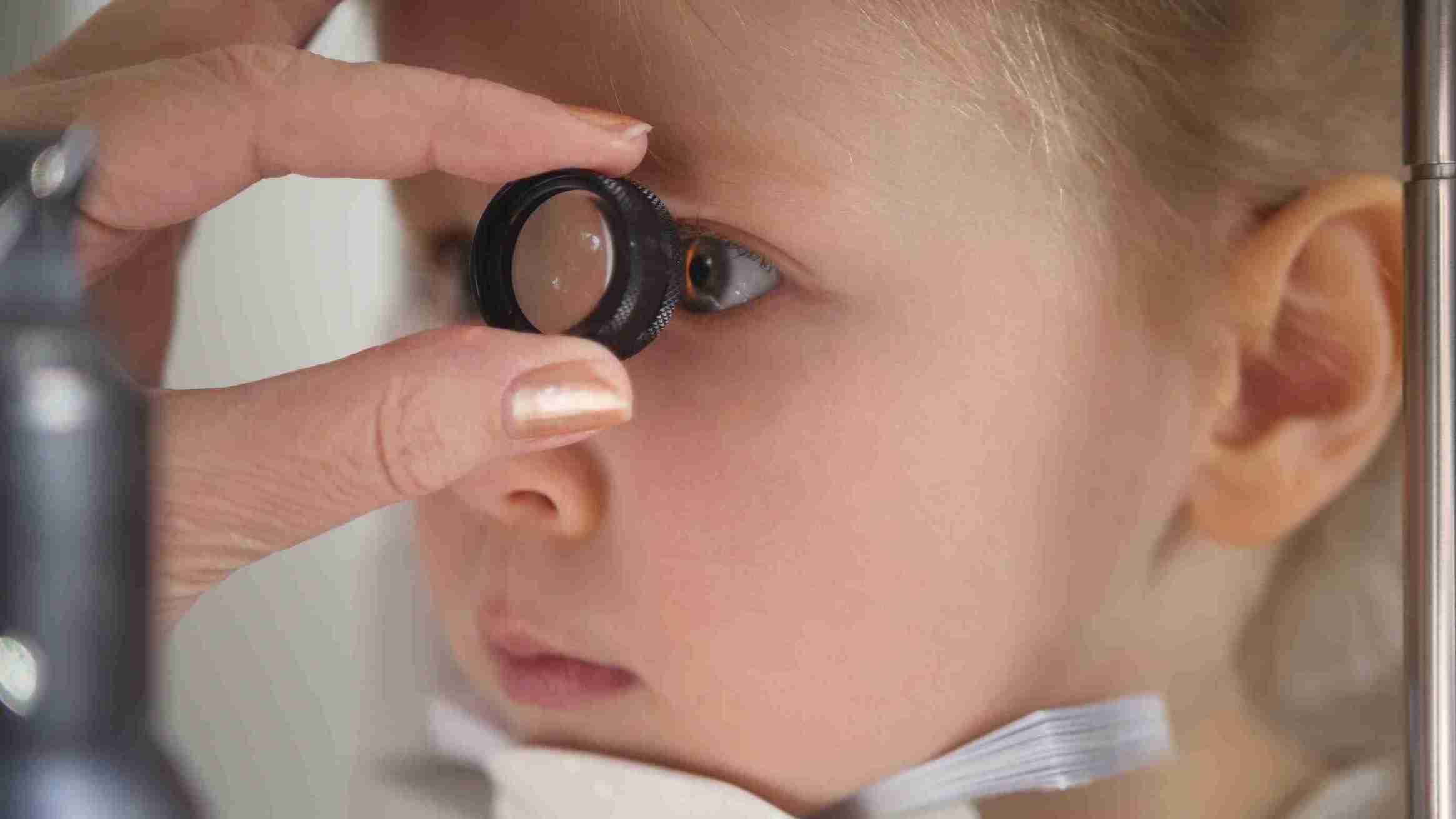
Retinopathy of Prematurity (ROP) is a medical disorder that affects premature newborns. In ROP, abnormal blood vessels develop in the retina.
The retina requires a normal network of blood vessels to function properly. Retinopathy of Prematurity occurs when the blood vessels in the retina do not fully develop before birth in premature newborns. These fragile vessels can leak or cause scarring, which may lead to retinal damage.
Retinopathy of Prematurity affects:
Retinopathy of Prematurity occurs when the retinal blood vessels do not fully develop in premature newborns. Normally, the retinal blood vessels develop gradually during pregnancy. When a baby is born prematurely, the blood vessels do not fully develop.
Some factors that increase the risk of Retinopathy of Prematurity include:
Babies born prematurely need oxygen therapy to survive. Oxygen therapy for newborns is necessary to help them breathe. However, the amount of oxygen that a premature baby receives can affect the normal development of blood vessels in the retina.

Most often, ROP does not display any symptoms in the early stages. For this reason, screening for premature babies is of critical importance.
Doctors usually detect the condition through eye tests rather than by observing symptoms.
However, in the latter stages of ROP, the symptoms may include:
These symptoms are usually present in the latter stages of the condition. For this reason, screening is the most effective and efficient method of detecting ROP at the earliest stages.
The ROP test for newborn is a special eye test performed by a pediatric ophthalmologist to detect abnormal blood vessels in the retina of the eye.
The ROP test for the newborn involves the following procedures:
Screening for ROP typically occurs:

ROP has five stages depending on the severity of the disease. The stages of ROP include:
Small abnormalities occur in the retinal vessels. The abnormalities may resolve on their own.
Abnormalities in the vessels become more pronounced. The abnormalities may resolve on their own.
Abnormal vessels grow extensively. Scarring may occur.
Scar tissue causes the retina to detach partially from its normal position.
The retina completely detaches from its normal position. The retina may not function well.
The ROP condition can be treated in various ways depending on the severity of the condition. Different treatment options are recommended by doctors based on the level of the retina affected by the condition.
Laser therapy is the most commonly used ROP treatment option. The laser is used to target the affected retina where abnormal blood vessels are developing.
This helps in the prevention of abnormal blood vessels and the detachment of the retina from the eye.
These injections are administered into the eye to block the action of vascular endothelial growth factor (VEGF), a protein that promotes the growth of abnormal blood vessels. By inhibiting VEGF activity, the treatment helps prevent the formation and leakage of abnormal blood vessels in the retina.
These injections help in the management of the condition and the normal growth of blood vessels in the retina of the eye.
Cryotherapy is a treatment in which the outer areas of the retina are frozen to destroy abnormal tissue and reduce the signals that trigger abnormal blood vessel growth.
When the condition has advanced and the retina has detached from the eye, surgery is required in the management of ROP. During the surgery, the ROP procedure involves the removal of scar tissue from the eye to reattach the retina and save the vision of the affected eye.

If the condition is not treated, the retina may be affected, leading to eye complications. The complications include:
Though ROP cannot be prevented in all cases, some measures to prevent it can be undertaken. These include:
Medical monitoring is one of the most important factors in detecting potential problems in premature babies at an early stage.
Parents must take medical advice in the following circumstances:

Cloudnine offers specialised care for premature babies through its advanced neonatal and paediatric services. The hospital’s Neonatal Intensive Care Units (NICUs) are equipped to closely monitor preterm infants who may be at risk of Retinopathy of Prematurity (ROP). With a team of experienced neonatologists, paediatricians, and paediatric ophthalmologists, Cloudnine ensures timely screening, early diagnosis, and appropriate treatment for ROP. This coordinated approach allows babies to receive the right care at the right time, helping protect their vision and support healthy growth and development from the earliest stages of life.
Retinopathy of Prematurity is a medical condition that can be treated properly if diagnosed at an early stage. This can be achieved by conducting an ROP test on the baby at birth. This will help in detecting abnormal retinal growth before complications arise. With proper ROP procedure treatments like laser therapy or medication, the baby can attain proper vision.
Want to consult the best gynecologists in India? Please find the links below.

If the ROP test is positive, it indicates that abnormal blood vessel growth has been detected in the retina.
There are usually no symptoms in the initial stages. However, in the later stages, symptoms like abnormal eye movement, poor vision response, or white pupils might be present.
The first sign of retinopathy is abnormal blood vessel growth in the retina. This can only be detected by eye screening.
Although ROP is not necessarily a disability, if it is not treated properly, it can cause vision impairment or blindness in the child. This might affect the vision capabilities of the child.







 Best Gynecologists in Bellandur Best Gynecologists in Electronic City Best Gynecologists in HRBR LayoutBest Gynecologists in Jayanagar Best Gynecologists in Kanakapura RoadBest Gynecologists in Malleswaram Best Gynecologists in Nagarbhavi Best Gynecologists in Old Airport RoadBest Gynecologists in Sahakarnagar Best Gynecologists in Sarjapur RoadBest Gynecologists in ThanisandraBest Gynecologists in Varthur RoadBest Gynecologists in Whitefield Best Gynecologists in Industrial Area Phase IIBest Gynecologists in OMRBest Gynecologists in T NagarBest Gynecologists in New Industrial TownBest Gynecologists in IndirapuramBest Gynecologists in Golf Course RoadBest Gynecologists in Sector 14Best Gynecologists in Sector 47Best Gynecologists in Banjara HillsBest Gynecologists in GachibowliBest Gynecologists in Hitech CityBest Gynecologists in KompallyBest Gynecologists in Gomti NagarBest Gynecologists in MaladBest Gynecologists in NerulBest Gynecologists in VashiBest Gynecologists in Kailash ColonyBest Gynecologists in PatparganjBest Gynecologists in Punjabi BaghBest Gynecologists in VikaspuriBest Gynecologists in Gaur CityBest Gynecologists in Pari ChowkBest Gynecologists in Sector 51Best Gynecologists in Sector 5 Swastik ViharBest Gynecologists in Kalyani NagarBest Gynecologists in SB RoadBest Gynecologists in Pimple SaudagarBest Pediatricians in BellandurBest Pediatricians in Electronic CityBest Pediatricians in HRBR LayoutBest Pediatricians in JayanagarBest Pediatricians in Kanakapura RoadBest Pediatricians in MalleswaramBest Pediatricians in NagarbhaviBest Pediatricians in Old Airport RoadBest Pediatricians in SahakarnagarBest Pediatricians in Sarjapur RoadBest Pediatricians in ThanisandraBest Pediatricians in Varthur RoadBest Pediatricians in WhitefieldBest Pediatricians in Industrial Area Phase IIBest Pediatricians in OMRBest Pediatricians in T NagarBest Pediatricians in New Industrial TownshipBest Pediatricians in IndirapuramBest Pediatricians in Golf Course RoadBest Pediatricians in Sector 14Best Pediatricians in Sector 47Best Pediatricians in Hitech CityBest Pediatricians in Banjara HillsBest Pediatricians in GachibowliBest Pediatricians in KompallyBest Pediatricians in Gomti NagarBest Pediatricians in MaladBest Pediatricians in NerulBest Pediatricians in VashiBest Pediatricians in Kailash ColonyBest Pediatricians in PatparganjBest Pediatricians in Punjabi BaghBest Pediatricians in VikaspuriBest Pediatricians in Gaur CityBest Pediatricians in Pari ChowkBest Pediatricians in Sector 51Best Pediatricians in Sector 5 Swastik ViharBest Pediatricians in Kalyani NagarBest Pediatricians in SB RoadBest Pediatricians in Pimple Saudagar


