





When you hear a high-pitched whistling sound as your child with wheezing breathes out, it can be scary. This sound happens when air moves through narrow airways. Many parents worry when they first notice this breathing pattern in their little ones. Learning about wheezing can help you know when to seek medical care and how to help your child feel better.
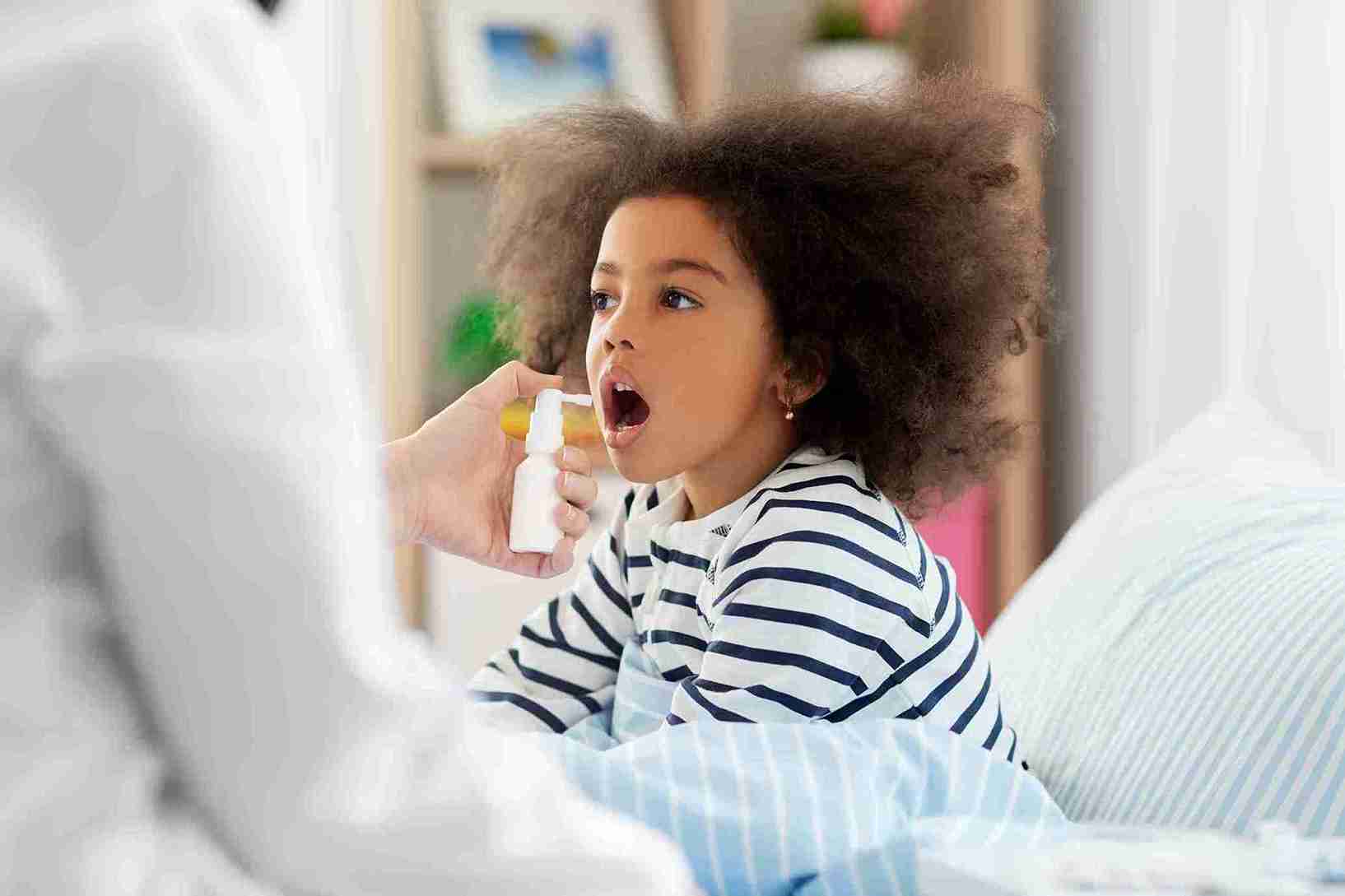
Wheezing is a whistling or purring sound that happens when breathing. It usually occurs when breathing out. The airways become constricted or obstructed, which causes the noise. This is different from normal breathing sounds or simple coughing.
Young kids wheeze more often than adults. Their airways are much smaller, so even a little swelling can cause problems. Babies and toddlers also get more Lower respiratory infections than older kids and adults. When these infections happen, the small passages swell up and fill with mucus. This makes it hard to breathe normally.
Many different things can make a child wheeze. Some are simple and easy to fix, while others need ongoing care.
Colds and other viruses are very common causes of wheezing. When young kids get sick with a cold, their small airways can swell. This swelling creates the whistling sound. Respiratory syncytial virus (RSV) is one virus that often causes wheezing in children. Most kids get RSV before their second birthday.
Bronchiolitis is a Viral infection that affects babies and young children. It causes the small air passages to get inflamed and filled with mucus. This makes breathing hard and often leads to wheezing. Croup is another viral illness refers to an infection of the upper airway, which becomes narrow, making it harder to breathe. It leads to difficulty in breathing and may produce a high-pitched sound called stridor due to narrowed airways.
Asthma in children is one of the main causes of wheezing. This condition makes the airways swell, narrow, and produce extra mucus. These changes make it very hard to breathe. When kids have asthma, certain things called triggers can set off symptoms. Common triggers include pollen, pet dander, dust mites, smoke, cold air, and Viral Infection . When a child breathes in these triggers, their airways react by getting tighter and more swollen.
Not every child who wheezes has asthma. Some babies and young kids wheeze when they get sick, but stop wheezing as they grow older.
Allergies to airborne allergens or food can cause wheezing. When a child breathes in something they are allergic to, their body overreacts. The immune system releases chemicals that cause the airways to swell and produce mucus. Common allergens include dust mites, mould, pollen, and pet hair.
Sometimes a child might accidentally breathe in a small object like a peanut, bead, or piece of food. This is called Foreign body aspiration. It blocks the airway and causes sudden Onset of cough. This is most common in kids aged 1 to 4 years. If your child suddenly starts coughing when they were fine before, this might be the reason.
Aspiration of gastric reflux can lead to wheezing, as the backflow of stomach acid into the throat and airways causes irritation and inflammation of the respiratory tract. Pneumonia, an infection of the lungs, may also lead to wheezing along with fever and fast breathing.

Treatment depends on what is causing the wheezing. The goal is to help your child breathe easier and prevent future episodes.
For mild wheezing from a cold or virus, you can help your child feel better at home:
● Use a humidifier to add moisture to the air. This helps loosen mucus.
● Give your child plenty of fluids. Smaller amounts more often work better if they have a stuffy nose.
● Keep your child calm. Getting upset makes breathing harder.
● Avoid smoke completely. Smoking around children makes wheezing much worse.
Wheezing management often includes medicine. The type depends on the cause and how severe the symptoms are.
Bronchodilators are the most common first treatment. These medicines open up the airways quickly.
For asthma, doctors often prescribe controller medicines. These are taken every day to prevent symptoms. Inhaled corticosteroids are the most common type. They reduce swelling in the airways. These medicines must be used for several days or weeks before they work fully.
If wheezing is severe, the doctor might give oral steroids. These medicines help when other treatments are not enough. Antibiotics do not help wheezing caused by viruses. They only work for bacterial infections, such as some cases of pneumonia. If the condition worsens, please visit the nearest hospital emergency department immediately.

With proper wheezing management, most children with asthma or other breathing problems can live active, normal lives. They can play sports, go to school, and do all the things other kids do.

Wheezing can be a sign of asthma, but not always. Many babies wheeze when they get viral infections because their airways are small. Most doctors wait until age 2 before making an asthma diagnosis.
The most common cause is viral infections like colds, RSV, and bronchiolitis, which make airways swell and fill with mucus. Asthma is another major cause by, Allergies to dust, mould, pollen, or pets can also cause wheezing. Less common causes include breathing in foreign objects, and pneumonia.
Treatment depends on the cause. For mild viral wheezing, home care helps. Use a humidifier, give plenty of fluids, and keep your child calm. For more severe cases, doctors prescribe bronchodilators , which open airways quickly. Asthma may need daily controller medicines like inhaled corticosteroids. Severe wheezing might require oral steroids. Always seek emergency care for severe breathing problems.
Yes, about 50 per cent of babies have at least one wheezing episode in their first year. Infants wheeze more because their airways are much smaller than those of older children and adults. Even slight swelling or mucus can block these tiny passages.


 Best Gynecologists in Bellandur Best Gynecologists in Electronic City Best Gynecologists in HRBR LayoutBest Gynecologists in Jayanagar Best Gynecologists in Kanakapura RoadBest Gynecologists in Malleswaram Best Gynecologists in Nagarbhavi Best Gynecologists in Old Airport RoadBest Gynecologists in Sahakarnagar Best Gynecologists in Sarjapur RoadBest Gynecologists in ThanisandraBest Gynecologists in Varthur RoadBest Gynecologists in Whitefield Best Gynecologists in Industrial Area Phase IIBest Gynecologists in OMRBest Gynecologists in T NagarBest Gynecologists in New Industrial TownBest Gynecologists in IndirapuramBest Gynecologists in Golf Course RoadBest Gynecologists in Sector 14Best Gynecologists in Sector 47Best Gynecologists in Banjara HillsBest Gynecologists in GachibowliBest Gynecologists in Hitech CityBest Gynecologists in KompallyBest Gynecologists in Gomti NagarBest Gynecologists in MaladBest Gynecologists in NerulBest Gynecologists in VashiBest Gynecologists in Kailash ColonyBest Gynecologists in PatparganjBest Gynecologists in Punjabi BaghBest Gynecologists in VikaspuriBest Gynecologists in Gaur CityBest Gynecologists in Pari ChowkBest Gynecologists in Sector 51Best Gynecologists in Sector 5 Swastik ViharBest Gynecologists in Kalyani NagarBest Gynecologists in SB RoadBest Gynecologists in Pimple SaudagarBest Pediatricians in BellandurBest Pediatricians in Electronic CityBest Pediatricians in HRBR LayoutBest Pediatricians in JayanagarBest Pediatricians in Kanakapura RoadBest Pediatricians in MalleswaramBest Pediatricians in NagarbhaviBest Pediatricians in Old Airport RoadBest Pediatricians in SahakarnagarBest Pediatricians in Sarjapur RoadBest Pediatricians in ThanisandraBest Pediatricians in Varthur RoadBest Pediatricians in WhitefieldBest Pediatricians in Industrial Area Phase IIBest Pediatricians in OMRBest Pediatricians in T NagarBest Pediatricians in New Industrial TownshipBest Pediatricians in IndirapuramBest Pediatricians in Golf Course RoadBest Pediatricians in Sector 14Best Pediatricians in Sector 47Best Pediatricians in Hitech CityBest Pediatricians in Banjara HillsBest Pediatricians in GachibowliBest Pediatricians in KompallyBest Pediatricians in Gomti NagarBest Pediatricians in MaladBest Pediatricians in NerulBest Pediatricians in VashiBest Pediatricians in Kailash ColonyBest Pediatricians in PatparganjBest Pediatricians in Punjabi BaghBest Pediatricians in VikaspuriBest Pediatricians in Gaur CityBest Pediatricians in Pari ChowkBest Pediatricians in Sector 51Best Pediatricians in Sector 5 Swastik ViharBest Pediatricians in Kalyani NagarBest Pediatricians in SB RoadBest Pediatricians in Pimple Saudagar


