


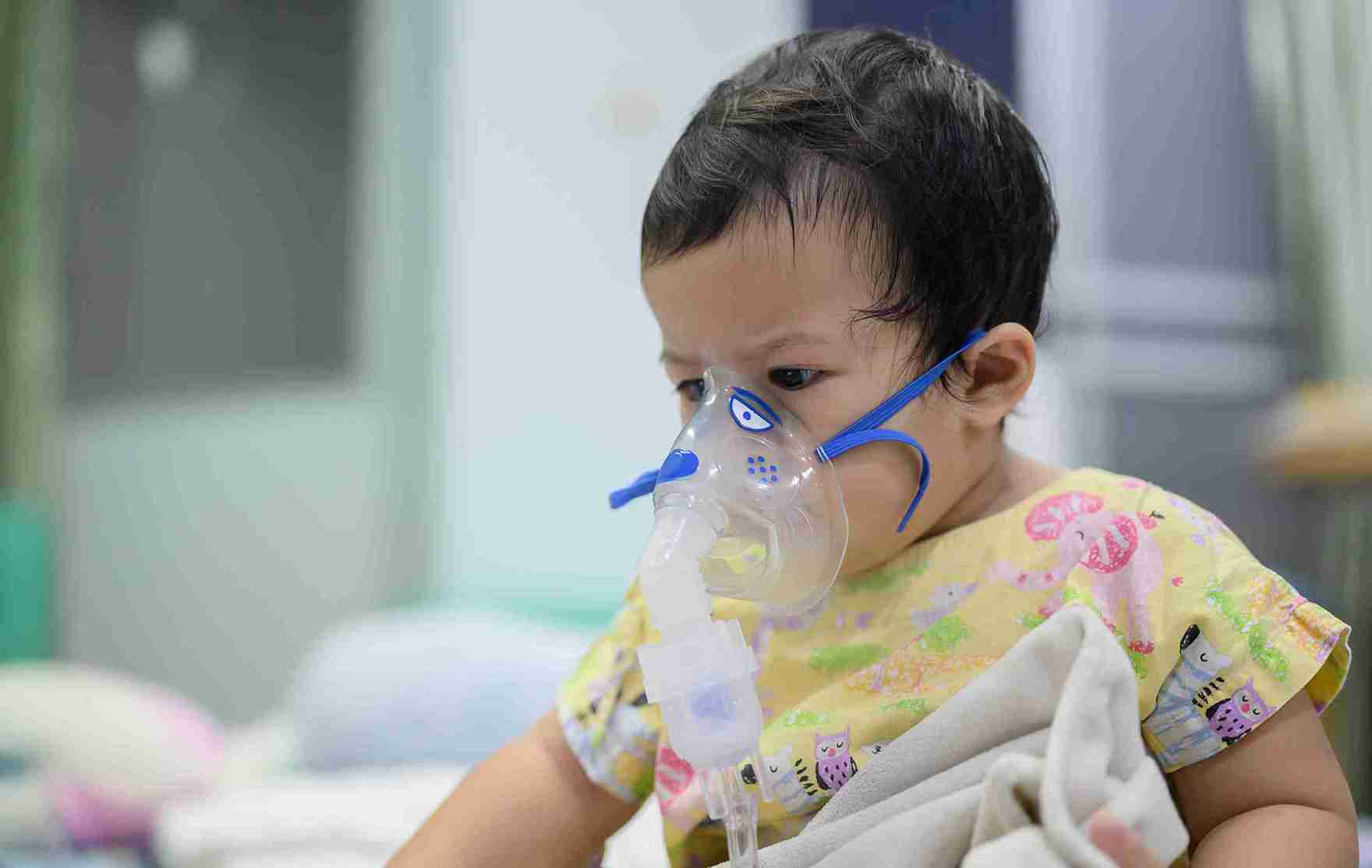
A cough and fever in a child often result from a common respiratory infection, but sometimes the infection can reach the lungs and develop into pneumonia.
Pneumonia is a lung infection that can make breathing more difficult. It may be caused by viruses, bacteria or, less commonly, fungi. The illness can range from mild to severe depending on the child’s age, overall health and the cause of the infection.
Recognising the signs is important, but prevention matters as much. Vaccination, good hygiene, adequate nutrition and reducing exposure to smoke and polluted indoor air can all help lower a child’s risk of pneumonia.
Pneumonia is a lung infection in which tiny air sacs can become inflamed and fill with fluid or pus. This can make it harder for oxygen to reach the bloodstream and may make the child breathe faster or work harder to breathe.
Pneumonia can affect children of any age, although babies, young children and children with certain underlying health conditions may be more vulnerable to severe illness.
The severity can vary. Some children can be treated at home with medical guidance, while others may need hospital care if breathing or oxygen levels are significantly affected.
Knowing the common pneumonia causes in children can help parents understand how these infections develop and why prevention matters. The most common causes are viral or bacterial infections.
Symptoms alone cannot always identify the exact cause. The child’s age, examination findings, illness severity, and other clinical information help the doctor determine the most likely type of pneumonia and how to manage it.
Common symptoms may include:
Young children with pneumonia may also show increased breathing effort. These symptoms can overlap with other respiratory infections, so a cough or fever alone does not confirm pneumonia.
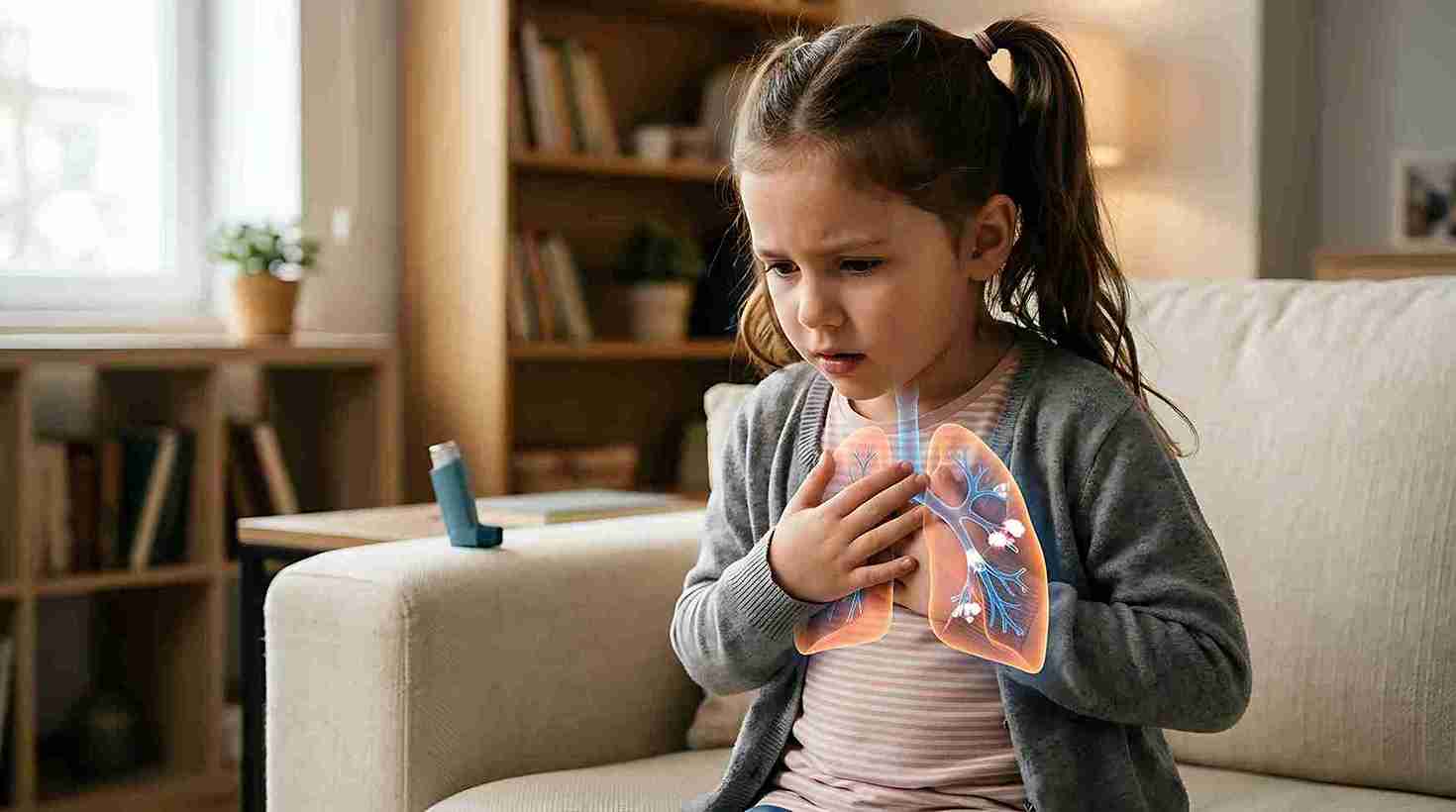
Colds and other respiratory infections can also cause cough, fever, and tiredness, which is why pneumonia isn't always easy to recognise at home.
What matters is not one symptom alone, but the overall illness and how the child is breathing. Because pneumonia can resemble other respiratory infections, a clinical examination may be needed if the child seems more unwell than expected or is not improving.
Diagnosis usually begins with the child’s medical history and a physical examination.
The doctor may assess:
Additional tests are not always required. A chest X-ray, blood tests, or other investigations may be considered depending on the child’s age, illness severity, and how clearly the diagnosis can be made on examination.
Treatment depends on the likely cause and how unwell the child is.
Parents should give any prescribed medicines exactly as directed and complete the recommended antibiotic course when antibiotics are prescribed.
Seek urgent medical attention if your child:
These signs may indicate that the illness is affecting breathing or oxygen levels and should not be managed at home.
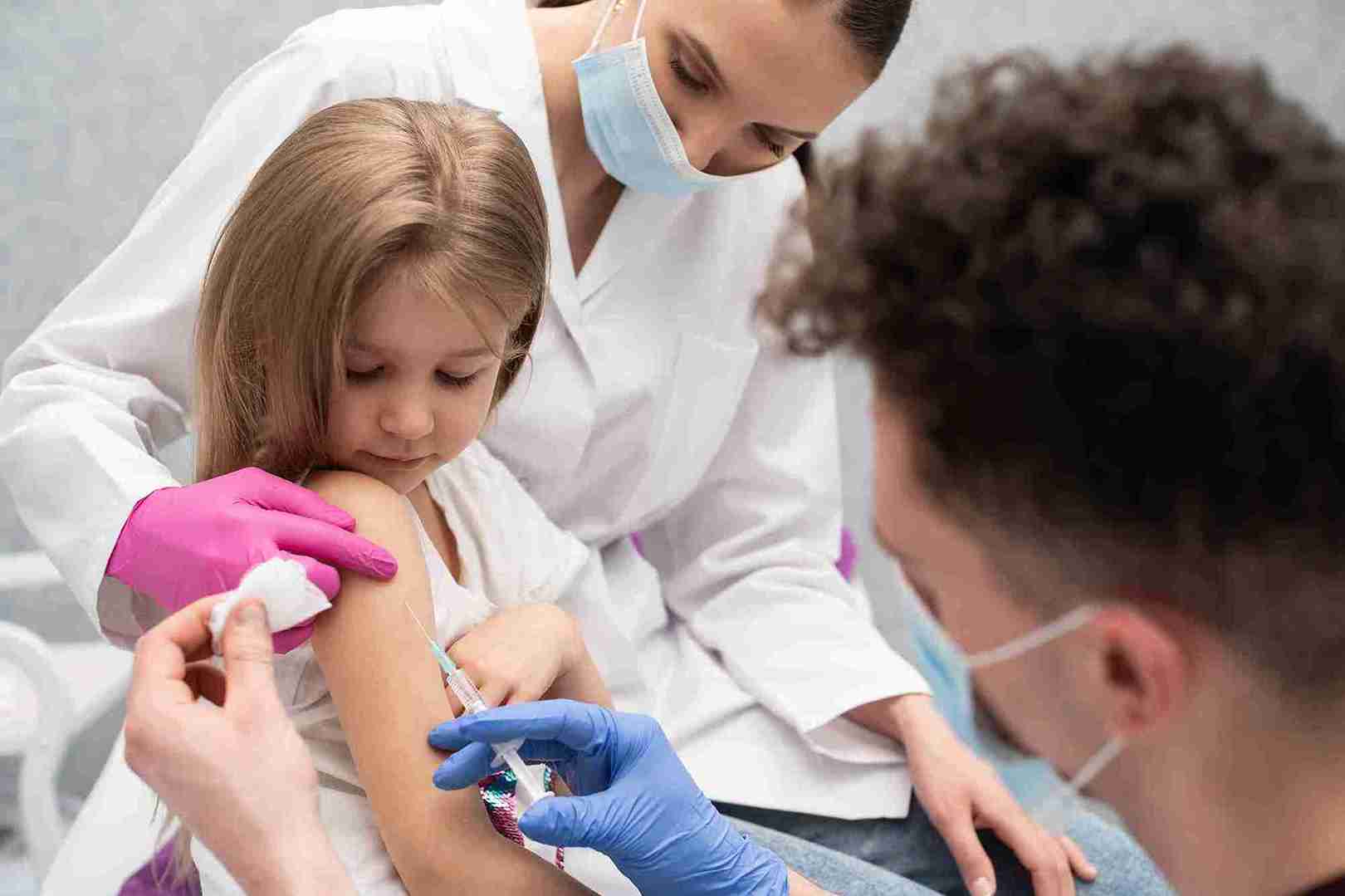
Not every case of pneumonia can be prevented, but several measures can reduce a child’s risk of infections that may lead to pneumonia.
Pneumonia prevention for children involves keeping vaccinations up to date, reducing exposure to infection and smoke, maintaining good hygiene, and supporting adequate nutrition.
The following sections examine vaccination and everyday factors that can help protect a child’s respiratory health.
No single vaccine prevents every type of pneumonia. However, several vaccines protect against infections that can cause pneumonia or increase the risk of serious respiratory illness.
These include vaccines against:
PCV is particularly important because pneumococcus is a major bacterial cause of childhood pneumonia. WHO specifically identifies pneumococcal vaccination, along with Hib, measles, influenza and pertussis vaccination, as part of pneumonia prevention.
Keeping your child’s vaccinations up to date according to the recommended immunisation schedule is an important part of prevention. You can also speak with your paediatrician about any additional vaccines that may be appropriate for your child.
Good nutrition supports the immune system and can help children recover from infections more effectively. For infants, breastfeeding also provides important immune support where possible.
The home environment matters too. Exposure to tobacco smoke, cooking smoke and other forms of indoor air pollution can increase a child’s vulnerability to respiratory infections.
Helpful measures include:
The goal isn't to “boost immunity” with supplements, but to reduce known risks and support the child’s overall health.
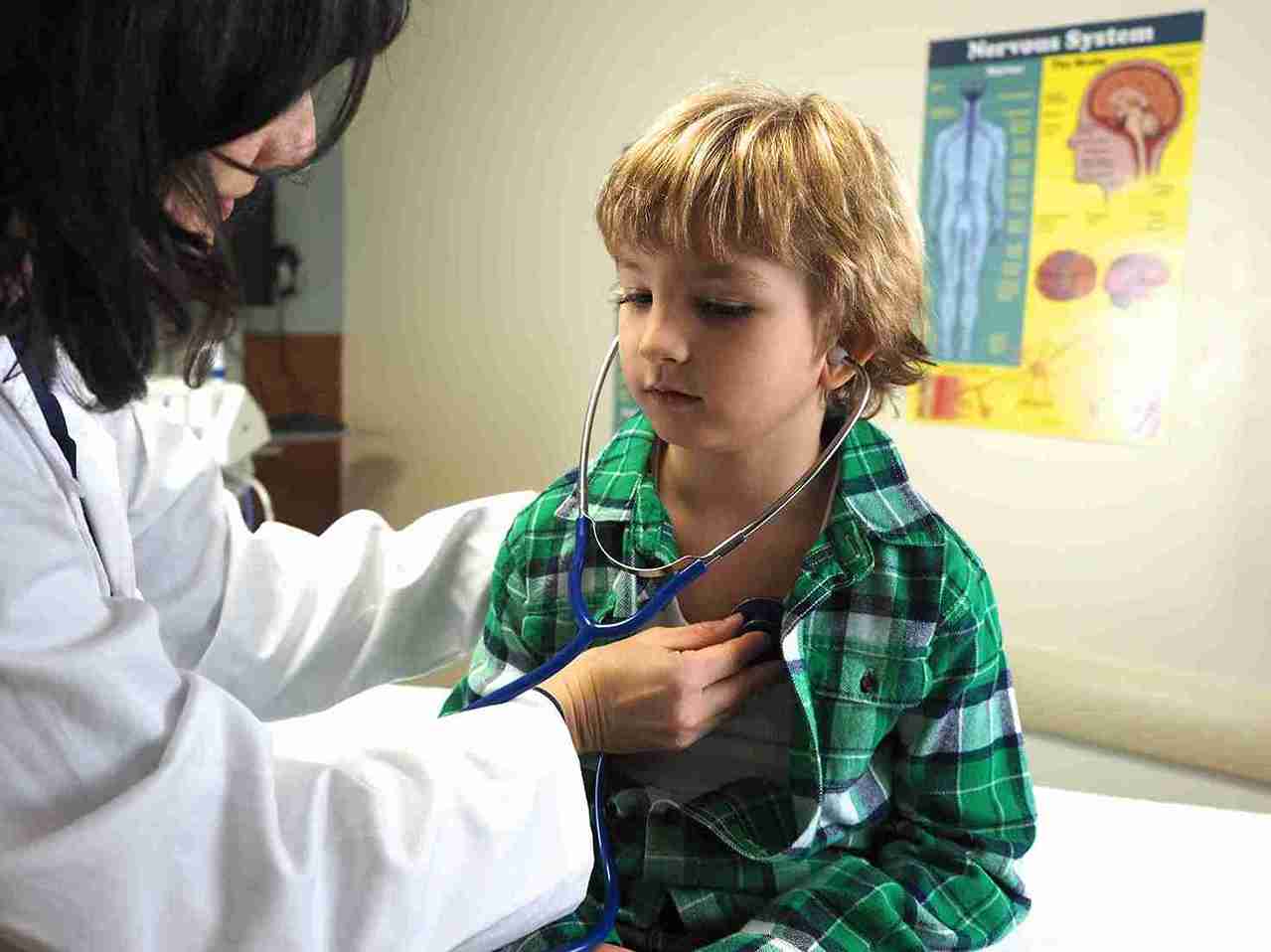
Pneumonia can range from mild to serious, so recognising changes in breathing and seeking medical care when needed are important.
Prevention also plays a meaningful role. No single measure can prevent every case, but consistent preventive care can reduce a child’s exposure to some infections and pneumonia-related risk factors.

Want to consult the Best Gynecologists in India? Please find the links below.
Want to consult the Best Maternity Packages in India? Please find the links below.

Viral or bacterial infections most commonly cause pneumonia in children. Less commonly, fungal infections may be responsible in specific circumstances.
Common symptoms may include cough, fever, fast or difficult breathing, reduced appetite, tiredness and, in some children, chest discomfort or vomiting. Younger children may also show increased breathing effort.
Parents can help reduce the risk by keeping vaccinations up to date, encouraging good hand hygiene, reducing exposure to tobacco smoke and indoor air pollution, supporting adequate nutrition and limiting avoidable exposure to respiratory infections.
Yes. Vaccines against infections such as pneumococcal disease, Hib, pertussis, measles, and influenza can reduce the risk of pneumonia or other serious respiratory illnesses. Keeping vaccinations up to date according to the recommended schedule is an important preventive measure.


 Best Gynecologists in Bellandur Best Gynecologists in Electronic City Best Gynecologists in HRBR LayoutBest Gynecologists in Jayanagar Best Gynecologists in Kanakapura RoadBest Gynecologists in Malleswaram Best Gynecologists in Nagarbhavi Best Gynecologists in Old Airport RoadBest Gynecologists in Sahakarnagar Best Gynecologists in Sarjapur RoadBest Gynecologists in ThanisandraBest Gynecologists in Varthur RoadBest Gynecologists in Whitefield Best Gynecologists in Industrial Area Phase IIBest Gynecologists in OMRBest Gynecologists in T NagarBest Gynecologists in New Industrial TownBest Gynecologists in IndirapuramBest Gynecologists in Golf Course RoadBest Gynecologists in Sector 14Best Gynecologists in Sector 47Best Gynecologists in Banjara HillsBest Gynecologists in GachibowliBest Gynecologists in Hitech CityBest Gynecologists in KompallyBest Gynecologists in Jawahar NagarBest Gynecologists in Gomti NagarBest Gynecologists in Phase 3, Sector 58Best Gynecologists in MaladBest Gynecologists in NerulBest Gynecologists in VashiBest Gynecologists in Kailash ColonyBest Gynecologists in PatparganjBest Gynecologists in Punjabi BaghBest Gynecologists in RohiniBest Gynecologists in VikaspuriBest Gynecologists in Gaur CityBest Gynecologists in Pari ChowkBest Gynecologists in Sector 51Best Gynecologists in Sector 5 Swastik ViharBest Gynecologists in Kalyani NagarBest Gynecologists in SB RoadBest Gynecologists in Pimple SaudagarBest Pediatricians in BellandurBest Pediatricians in Electronic CityBest Pediatricians in HRBR LayoutBest Pediatricians in JayanagarBest Pediatricians in Kanakapura RoadBest Pediatricians in MalleswaramBest Pediatricians in NagarbhaviBest Pediatricians in Old Airport RoadBest Pediatricians in SahakarnagarBest Pediatricians in Sarjapur RoadBest Pediatricians in ThanisandraBest Pediatricians in Varthur RoadBest Pediatricians in WhitefieldBest Pediatricians in Industrial Area Phase IIBest Pediatricians in OMRBest Pediatricians in T NagarBest Pediatricians in New Industrial TownshipBest Pediatricians in IndirapuramBest Pediatricians in Golf Course RoadBest Pediatricians in Sector 14Best Pediatricians in Sector 47Best Pediatricians in Hitech CityBest Pediatricians in Banjara HillsBest Pediatricians in GachibowliBest Pediatricians in KompallyBest Pediatricians in Jawahar NagarBest Pediatricians in Gomti NagarBest Pediatricians in Phase 3, Sector 58Best Pediatricians in MaladBest Pediatricians in NerulBest Pediatricians in VashiBest Pediatricians in Kailash ColonyBest Pediatricians in PatparganjBest Pediatricians in Punjabi BaghBest Pediatricians in RohiniBest Pediatricians in VikaspuriBest Pediatricians in Gaur CityBest Pediatricians in Pari ChowkBest Pediatricians in Sector 51Best Pediatricians in Sector 5 Swastik ViharBest Pediatricians in Kalyani NagarBest Pediatricians in SB RoadBest Pediatricians in Pimple Saudagar


