


Hearing that a child needs critical care can be overwhelming for any parent. The term may sound alarming, but it refers to a higher level of hospital care for children who need closer monitoring or specialised medical support.
Depending on the child’s needs and the hospital, staff may provide this care in a Paediatric Intensive Care Unit (PICU) or another paediatric critical-care setting.
Understanding what a PICU does, why a child may need it and what parents can expect can make an unfamiliar hospital environment easier to navigate.

Critical care is specialised hospital care for children who need more intensive monitoring or treatment than a general ward can provide.
A child may need critical care because their condition is unstable, because an important body system such as breathing or circulation needs support, or because doctors need to monitor them very closely while treatment is given.
Teams trained to manage serious, rapidly changing conditions provide care. In some hospitals, children who need close monitoring but not full intensive care may be treated in a paediatric high-dependency or intermediate-care unit instead.
A Paediatric Intensive Care Unit, or PICU, is a specialised hospital unit for children who need intensive monitoring, treatment or organ support.
Children in the PICU are observed more closely than on a regular ward so staff can quickly identify and treat changes in their condition.
PICUs also provide specialised treatments that may not be available on a general paediatric ward, including advanced respiratory support and other intensive-care therapies when needed.
Parents often ask, “When does a child need PICU care rather than treatment on a regular paediatric ward?”
A child may need PICU care when:
● Their condition is unstable or changing quickly
● They need continuous or very close monitoring
● They require significant breathing or other organ support
● They need specialised medicines or treatments that require intensive supervision
● They are recovering from certain major operations and need intensive post-operative care
Children who require frequent assessment, specific intensive-care treatments or equipment such as ventilators may need this level of care.
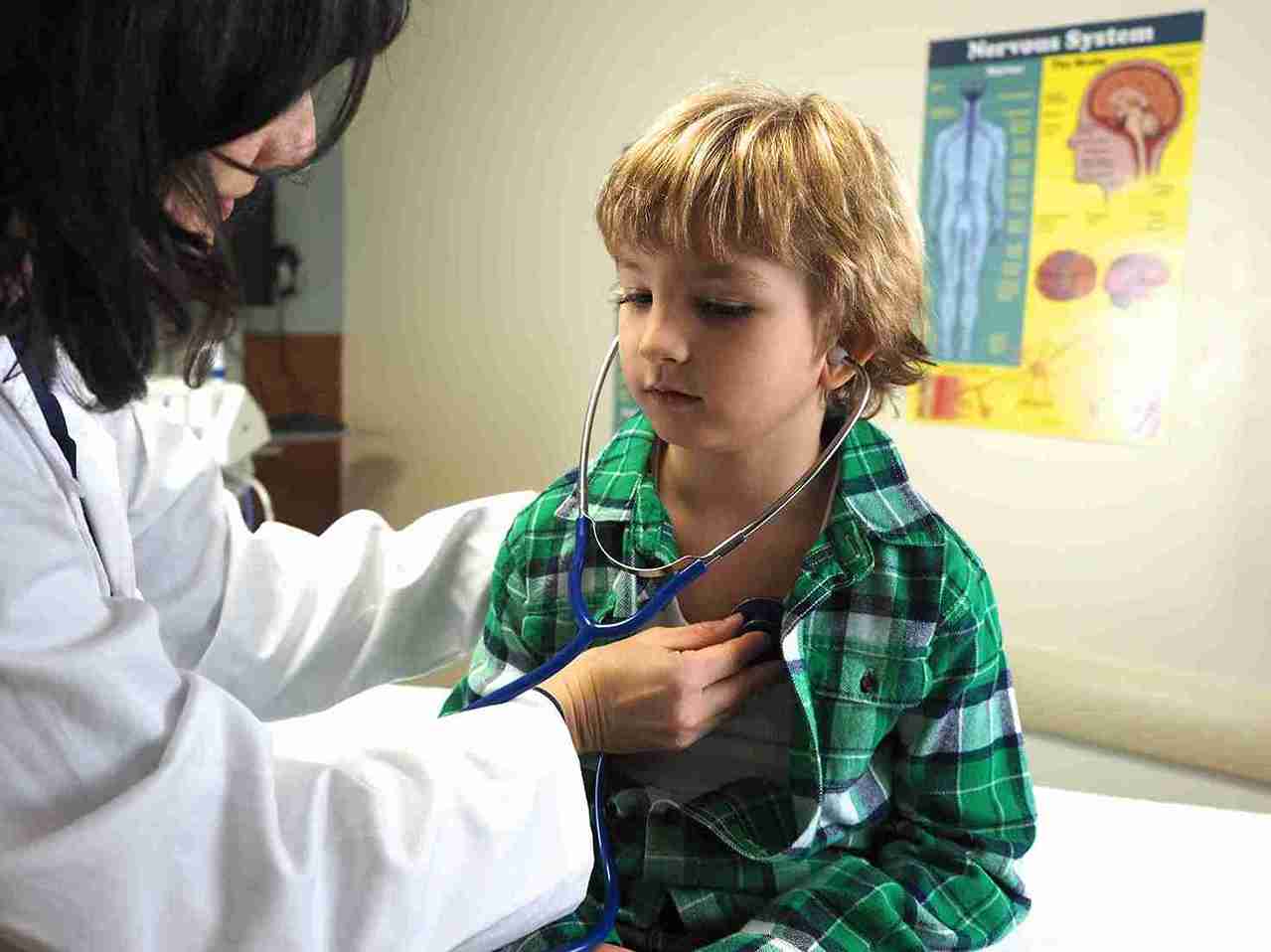
Children may need PICU care for a wide range of serious illnesses or injuries. The condition itself is only part of the decision; how unstable the child is and how much support they need are equally important.
Conditions commonly managed in a PICU may include:
● Severe breathing problems, including serious asthma attacks or respiratory failure
● Severe pneumonia or other serious respiratory infections
● Sepsis or other severe infections
● Major injuries, including head trauma
● Neurological emergencies such as prolonged seizures
● Serious heart or circulation problems
● Kidney or liver failure
● Complications related to cancer or blood disorders
● Recovery after certain major surgeries
Not every child with one of these conditions will need intensive care. PICU admission is considered when the child requires closer monitoring, advanced treatment or organ support beyond what can be safely provided on a regular paediatric ward.
A children’s intensive care unit is designed for continuous observation and frequent reassessment.
Depending on the child’s condition, the care team may closely monitor:
● Heart rate and rhythm
● Breathing rate and effort
● Oxygen levels
● Blood pressure
● Temperature
● Fluid balance and urine output
● Response to medicines and other treatments
Treatment may be adjusted quickly if the child’s condition changes. This close monitoring allows the team to respond promptly while the underlying illness or injury is being treated.

PICU care is usually provided by a multidisciplinary team with experience in caring for critically ill children.
Depending on the child’s needs, the team may include:
● Paediatric intensivists
● Paediatricians
● Intensive-care nurses
● Anaesthetists
● Physiotherapists or respiratory-care professionals, depending on the hospital
● Pharmacists
● Dietitians
● Other paediatric specialists
The team works together to monitor the child, plan treatment and respond to changes in their condition. Different specialists may become involved at different stages depending on which organs or systems are affected.
Depending on the child’s condition, PICU services for children may include:
● Oxygen therapy and advanced respiratory support
● Mechanical ventilation when a child cannot breathe adequately on their own
● Intravenous fluids and medicines
● Close cardiovascular monitoring and support
● Kidney support in selected situations
● Intensive monitoring after major surgery
● Nutrition support when a child cannot eat normally
The type of support varies from child to child. Some may need only short-term intensive monitoring, while others may require several forms of support at the same time.
A regular paediatric ward can safely manage many children who need hospital treatment. The PICU is used when a child needs closer observation, more frequent assessment or a higher level of medical support.
In the PICU:
● Monitoring is usually more continuous
● Nurse-to-patient ratios are typically lower
● Treatment can be adjusted quickly as the child’s condition changes
● Advanced respiratory or organ support can be provided when needed
● Paediatric critical-care specialists are closely involved in day-to-day management
PICU admission does not necessarily mean a child has a particular diagnosis. It means the child currently needs a level of monitoring or support that cannot be safely provided on a regular ward.
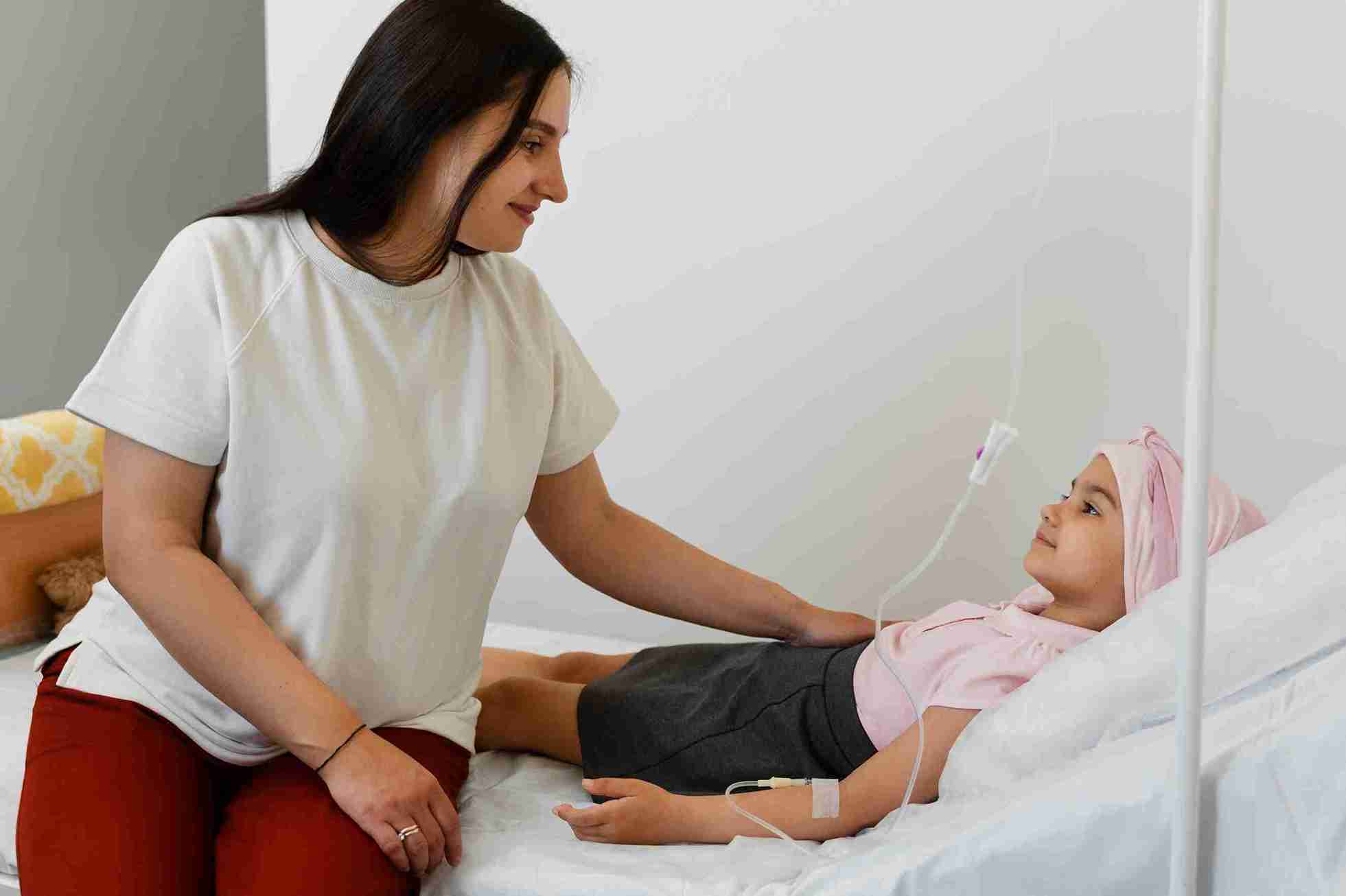
The PICU environment can look and sound very different from a regular hospital room. There may be several monitors, pumps, tubes and alarms around the bedside, and more healthcare professionals may be involved in the child’s care.
Parents can usually expect:
● Regular updates from the care team
● Changes in treatment as the child’s condition improves or changes
● Input from different specialists when needed
● Explanations about the purpose of major treatments or equipment
Alarms do not always mean that something serious has happened. Many are designed to alert staff to changes in measurements or equipment so they can check the child promptly.
Visiting arrangements, bedside participation and other family policies can vary between hospitals, so the PICU team can explain what applies in that unit.
A child can move out of the PICU once they no longer need intensive monitoring or advanced support.
Depending on the hospital and the child’s condition, the next step may be:
● A high-dependency or intermediate-care unit
● A regular paediatric ward
● In some cases, discharge planning after an appropriate period of recovery and observation
The transition usually happens when the child’s breathing, circulation and other vital functions are stable enough to be managed safely with a lower level of monitoring.
The care team will also consider whether ongoing medicines, feeding support, rehabilitation or specialist follow-up are still needed before deciding the next stage of care.
A PICU provides specialised care when a child needs more support than can safely be provided on a regular paediatric ward.
The level of care can change as the child’s condition changes. As they become more stable and need less intensive support, the care team will plan the safest next stage of recovery.

Want to consult the best pediatrician in India? Please find the links below

A PICU is a specialised hospital unit for children who need intensive monitoring, treatment or organ support because they are critically ill, injured or medically unstable.
The PICU provides a higher level of monitoring and medical support than a regular paediatric ward. It is equipped to manage children whose condition may change rapidly or who need advanced respiratory, cardiovascular or other organ support.
A child may need PICU admission when they are medically unstable, need continuous monitoring, require advanced breathing or organ support, or need treatment that cannot be safely provided on a regular paediatric ward.
PICUs may care for children with severe respiratory illness, serious infections, major injuries, neurological emergencies, organ failure, complications related to cancer or blood disorders and children recovering from certain major surgeries.


 Best Gynecologists in Bellandur Best Gynecologists in Electronic City Best Gynecologists in HRBR LayoutBest Gynecologists in Jayanagar Best Gynecologists in Kanakapura RoadBest Gynecologists in Malleswaram Best Gynecologists in Nagarbhavi Best Gynecologists in Old Airport RoadBest Gynecologists in Sahakarnagar Best Gynecologists in Sarjapur RoadBest Gynecologists in ThanisandraBest Gynecologists in Varthur RoadBest Gynecologists in Whitefield Best Gynecologists in Industrial Area Phase IIBest Gynecologists in OMRBest Gynecologists in T NagarBest Gynecologists in New Industrial TownBest Gynecologists in IndirapuramBest Gynecologists in Golf Course RoadBest Gynecologists in Sector 14Best Gynecologists in Sector 47Best Gynecologists in Banjara HillsBest Gynecologists in GachibowliBest Gynecologists in Hitech CityBest Gynecologists in KompallyBest Gynecologists in Jawahar NagarBest Gynecologists in Gomti NagarBest Gynecologists in Phase 3, Sector 58Best Gynecologists in MaladBest Gynecologists in NerulBest Gynecologists in VashiBest Gynecologists in Kailash ColonyBest Gynecologists in PatparganjBest Gynecologists in Punjabi BaghBest Gynecologists in RohiniBest Gynecologists in VikaspuriBest Gynecologists in Gaur CityBest Gynecologists in Pari ChowkBest Gynecologists in Sector 51Best Gynecologists in Sector 5 Swastik ViharBest Gynecologists in Kalyani NagarBest Gynecologists in SB RoadBest Gynecologists in Pimple SaudagarBest Pediatricians in BellandurBest Pediatricians in Electronic CityBest Pediatricians in HRBR LayoutBest Pediatricians in JayanagarBest Pediatricians in Kanakapura RoadBest Pediatricians in MalleswaramBest Pediatricians in NagarbhaviBest Pediatricians in Old Airport RoadBest Pediatricians in SahakarnagarBest Pediatricians in Sarjapur RoadBest Pediatricians in ThanisandraBest Pediatricians in Varthur RoadBest Pediatricians in WhitefieldBest Pediatricians in Industrial Area Phase IIBest Pediatricians in OMRBest Pediatricians in T NagarBest Pediatricians in New Industrial TownshipBest Pediatricians in IndirapuramBest Pediatricians in Golf Course RoadBest Pediatricians in Sector 14Best Pediatricians in Sector 47Best Pediatricians in Hitech CityBest Pediatricians in Banjara HillsBest Pediatricians in GachibowliBest Pediatricians in KompallyBest Pediatricians in Jawahar NagarBest Pediatricians in Gomti NagarBest Pediatricians in Phase 3, Sector 58Best Pediatricians in MaladBest Pediatricians in NerulBest Pediatricians in VashiBest Pediatricians in Kailash ColonyBest Pediatricians in PatparganjBest Pediatricians in Punjabi BaghBest Pediatricians in RohiniBest Pediatricians in VikaspuriBest Pediatricians in Gaur CityBest Pediatricians in Pari ChowkBest Pediatricians in Sector 51Best Pediatricians in Sector 5 Swastik ViharBest Pediatricians in Kalyani NagarBest Pediatricians in SB RoadBest Pediatricians in Pimple Saudagar


