


A baby’s fever can be worrying, especially in the first few months. In younger babies, even a single high temperature reading may need closer attention because age strongly influences how urgently a fever should be assessed.
Fever in babies under 6 months is not judged by the thermometer alone. How the baby is feeding, breathing, responding and behaving – plus any other symptoms – also helps determine what care is needed. From around 6–12 months, the baby’s overall condition and accompanying symptoms usually play an even larger role in deciding how urgently medical review is needed.
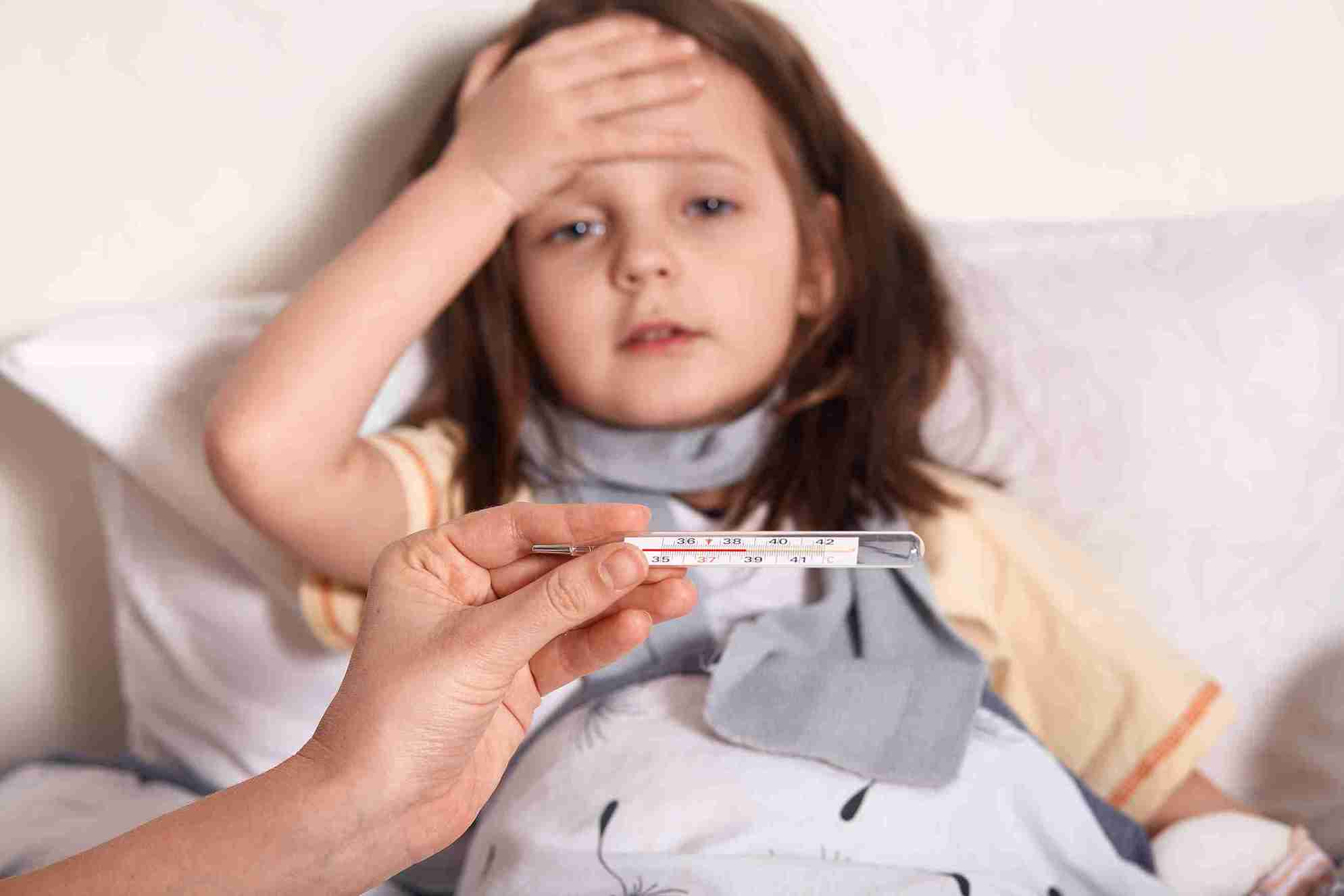
A temperature of 38°C (100.4°F) or higher is generally considered a fever in an infant, at any age in the first year. Questions about baby fever temperature readings are common, but the number should always be considered alongside the baby’s age and overall condition. The temperature should be checked with a thermometer rather than by touch alone, as feeling the forehead or skin is not a reliable way to confirm fever.
An infant fever is interpreted differently depending on the baby’s age. In babies under three months, a temperature of 38°C or higher needs prompt medical assessment, even if the baby otherwise appears well.
For babies aged 3–6 months, the temperature reading remains important, but it should be considered alongside how the baby is feeding, breathing and behaving. A baby who seems unwell may need medical assessment even if the temperature is below 39°C. Many guidelines, including NHS advice, recommend urgent medical review for babies 3–6 months with a temperature of 39°C or higher.
Fever in babies under 6 months is approached more cautiously because very young babies may not always show obvious signs of illness. Age therefore affects how quickly a baby may need medical assessment.
Doctors consider not only the temperature but also feeding, breathing, alertness, urine output and other symptoms when assessing a young baby with fever.
A newborn fever, as well as fever in any baby under three months, needs prompt medical attention. A temperature of 38°C or higher should be assessed by a healthcare professional, even if the baby otherwise appears well.
This is because very young babies can sometimes have significant infections without showing many obvious symptoms at first. Parents should therefore not wait for the temperature to rise further or for additional symptoms to appear before seeking advice.
For babies aged 3 to 6 months, a temperature of 39°C or higher warrants urgent medical advice. However, a lower temperature can also require assessment if the baby appears unwell or has other concerning symptoms.

Use a digital thermometer rather than relying on touch alone. A baby may feel warm for several reasons, and feeling the forehead or skin cannot confirm whether they have a fever.
For babies and young children, a digital thermometer placed in the armpit is commonly used at home. Follow the manufacturer’s instructions carefully. Keep in mind that the method used can affect the reading, so tell your healthcare professional how the temperature was measured if you are seeking medical advice.
For young infants, rectal temperature can provide an accurate reading when measured correctly. However, parents should use this method only if they have been shown how to do it safely. Ear thermometers may be less reliable in babies under six months because their ear canals are still small.
A baby’s temperature is only one part of the picture. How your baby looks and behaves can provide equally important information, especially during the first six months.
Along with fever, watch for changes such as:
● Feeding much less than usual or refusing feeds.
● Unusual sleepiness, reduced responsiveness or difficulty waking.
● Breathing that appears difficult, unusually fast or different from normal.
● Fewer wet nappies than usual.
● A rash that does not fade when pressed (for example, when you press a clear glass against it) or any rash that worries you.
● Persistent or unusual irritability.
● Seizures or unusual movements.
These signs do not all have the same level of urgency, but their presence can change how quickly a baby with fever needs medical assessment. A very young baby who appears significantly unwell should be assessed promptly, regardless of the exact temperature reading. The same applies at older ages: a baby who looks or behaves very differently from usual needs medical assessment.
Seek prompt medical assessment if:
● Your baby is under 3 months and has a temperature of 38°C (100.4°F) or higher.
● Your baby is 3–6 months and has a temperature of 39°C (102.2°F) or higher.
● Your baby shows any of the concerning signs described above, even at a lower temperature.
● Your baby appears significantly unwell or is getting worse, regardless of the temperature reading.
For babies over 6 months, seek advice if the fever lasts more than 24 hours and they seem unwell, or more than 48 hours even if they seem generally okay.
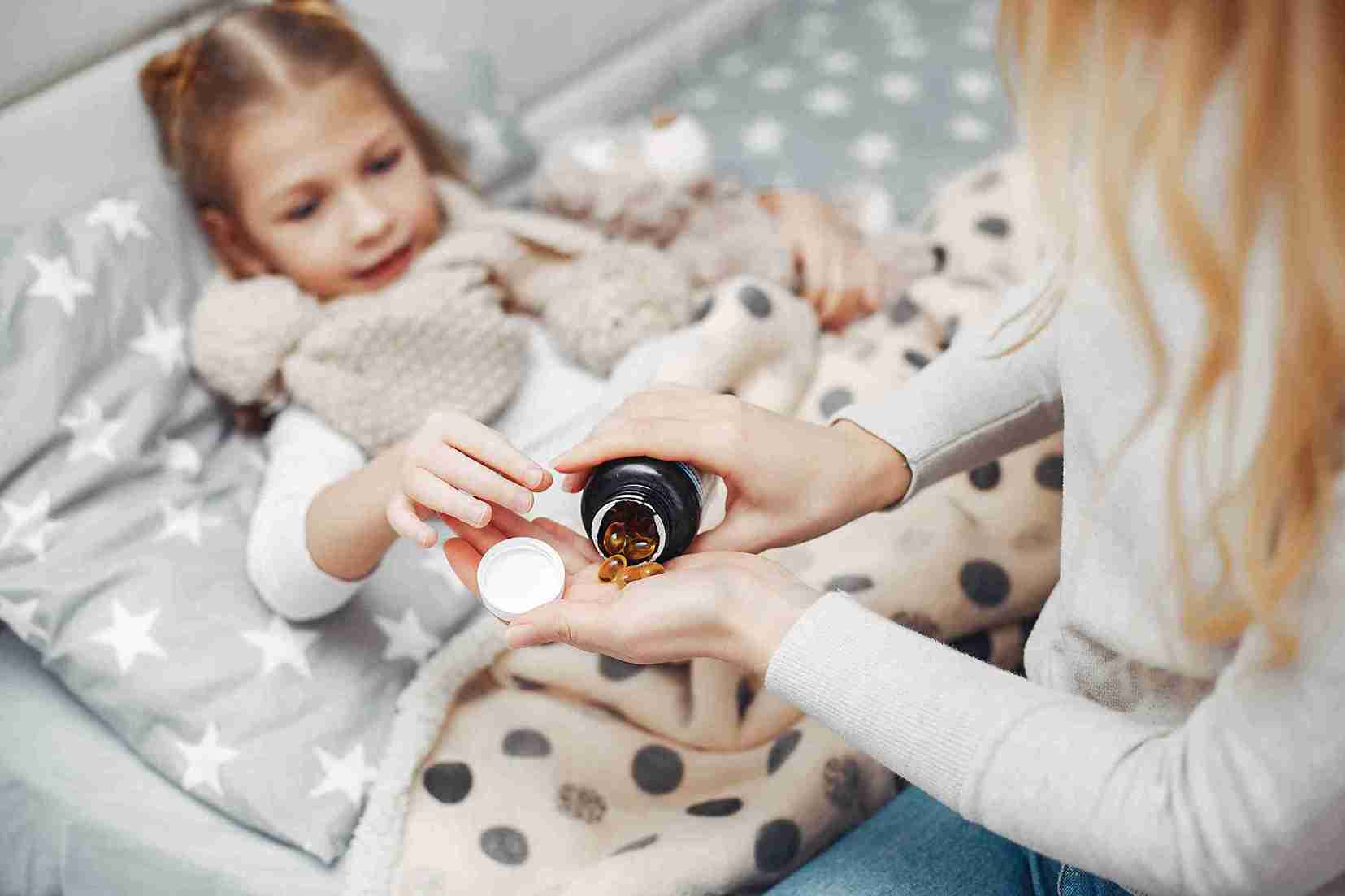
Whether fever medicine is appropriate depends on the baby’s age, weight, symptoms and medical advice.
For babies under three months with fever, medical assessment should come first rather than trying to lower the temperature at home. Fever medicine should only be given if advised by a healthcare professional.
For babies aged three to six months, speak with your paediatrician about whether fever medicine is appropriate. The choice of medicine depends on the baby’s age, weight and individual situation.
For babies over six months, fever medicine may sometimes be used if the baby is uncomfortable or distressed. Use only an age- and weight-appropriate medicine and follow your paediatrician's or the product's dosing guidance.
While arranging medical advice, focus on your baby’s comfort and general condition rather than repeatedly trying to lower the temperature.
You can:
● Continue breastmilk or usual formula feeds as tolerated.
● Dress your baby comfortably without excessive layers.
● Note the temperature, how it was measured and any new symptoms.
● Observe feeding, breathing, wet nappies and responsiveness.
Avoid cold baths, ice packs or alcohol rubs to reduce fever, as these are not recommended.
The significance of fever changes as a baby grows. During the first few months, age itself is an important reason for closer medical assessment. At any age, a baby who appears significantly unwell should be assessed regardless of the exact temperature reading.

Want to consult the best pediatrician in India? Please find the links below

A temperature of 38°C (100.4°F) or higher is generally considered a fever in an infant. In babies under three months, this temperature needs prompt medical assessment.
A fever in a baby under 6 months needs careful assessment. If your baby is under 3 months and has a temperature of 38°C (100.4°F) or higher, seek prompt medical assessment. For babies aged 3–6 months, a temperature of 39°C (102.2°F) or higher warrants urgent medical advice. A lower temperature can also require assessment if your baby appears unwell or has other concerning symptoms.
Seek medical advice promptly if your baby is under 3 months with a temperature of 38°C or higher, or 3–6 months with a temperature of 39°C or higher. At any age, seek assessment if the baby is difficult to wake, breathing abnormally, feeding very poorly, repeatedly vomiting, passing fewer wet nappies or developing a concerning rash.
Medication depends on the baby’s age, weight, symptoms and medical advice. For babies under three months with fever, medical assessment should come first rather than trying to manage the temperature at home. For older infants, fever medicine should only be used when appropriate for their age and according to professional or product guidance. Never give aspirin to children.


 Best Gynecologists in Bellandur Best Gynecologists in Electronic City Best Gynecologists in HRBR LayoutBest Gynecologists in Jayanagar Best Gynecologists in Kanakapura RoadBest Gynecologists in Malleswaram Best Gynecologists in Nagarbhavi Best Gynecologists in Old Airport RoadBest Gynecologists in Sahakarnagar Best Gynecologists in Sarjapur RoadBest Gynecologists in ThanisandraBest Gynecologists in Varthur RoadBest Gynecologists in Whitefield Best Gynecologists in Industrial Area Phase IIBest Gynecologists in OMRBest Gynecologists in T NagarBest Gynecologists in New Industrial TownBest Gynecologists in IndirapuramBest Gynecologists in Golf Course RoadBest Gynecologists in Sector 14Best Gynecologists in Sector 47Best Gynecologists in Banjara HillsBest Gynecologists in GachibowliBest Gynecologists in Hitech CityBest Gynecologists in KompallyBest Gynecologists in Jawahar NagarBest Gynecologists in Gomti NagarBest Gynecologists in Phase 3, Sector 58Best Gynecologists in MaladBest Gynecologists in NerulBest Gynecologists in VashiBest Gynecologists in Kailash ColonyBest Gynecologists in PatparganjBest Gynecologists in Punjabi BaghBest Gynecologists in RohiniBest Gynecologists in VikaspuriBest Gynecologists in Gaur CityBest Gynecologists in Pari ChowkBest Gynecologists in Sector 51Best Gynecologists in Sector 5 Swastik ViharBest Gynecologists in Kalyani NagarBest Gynecologists in SB RoadBest Gynecologists in Pimple SaudagarBest Pediatricians in BellandurBest Pediatricians in Electronic CityBest Pediatricians in HRBR LayoutBest Pediatricians in JayanagarBest Pediatricians in Kanakapura RoadBest Pediatricians in MalleswaramBest Pediatricians in NagarbhaviBest Pediatricians in Old Airport RoadBest Pediatricians in SahakarnagarBest Pediatricians in Sarjapur RoadBest Pediatricians in ThanisandraBest Pediatricians in Varthur RoadBest Pediatricians in WhitefieldBest Pediatricians in Industrial Area Phase IIBest Pediatricians in OMRBest Pediatricians in T NagarBest Pediatricians in New Industrial TownshipBest Pediatricians in IndirapuramBest Pediatricians in Golf Course RoadBest Pediatricians in Sector 14Best Pediatricians in Sector 47Best Pediatricians in Hitech CityBest Pediatricians in Banjara HillsBest Pediatricians in GachibowliBest Pediatricians in KompallyBest Pediatricians in Jawahar NagarBest Pediatricians in Gomti NagarBest Pediatricians in Phase 3, Sector 58Best Pediatricians in MaladBest Pediatricians in NerulBest Pediatricians in VashiBest Pediatricians in Kailash ColonyBest Pediatricians in PatparganjBest Pediatricians in Punjabi BaghBest Pediatricians in RohiniBest Pediatricians in VikaspuriBest Pediatricians in Gaur CityBest Pediatricians in Pari ChowkBest Pediatricians in Sector 51Best Pediatricians in Sector 5 Swastik ViharBest Pediatricians in Kalyani NagarBest Pediatricians in SB RoadBest Pediatricians in Pimple Saudagar


