
Egg quality plays a vital role in a woman's ability to conceive, carry a healthy pregnancy, and deliver a baby. It describes the genetic well-being and development potential of an egg. Although most people tend to believe that egg quality only gets worse with age, the reality is that even younger women can experience fertility problems due to the poor health of their eggs.
This article explores the key signs of poor egg quality, uncovers what could be causing poor egg quality in younger women, and highlights possible solutions and available medical support.

Egg quality refers to an egg’s ability to be fertilised, develop into a healthy embryo, implant in the uterus, and result in a live birth. High-quality eggs typically have the right number of chromosomes and sufficient energy reserves to support early embryonic development.
It is crucial to separate egg quality from egg quantity. Egg quantity indicates the number of eggs still present in the ovaries (ovarian reserve), whereas egg quality defines the chances of having a successful pregnancy. A woman can have a good ovarian reserve but experience difficulties if the quality of the eggs is poor.
It can be difficult to recognise symptoms of poor egg quality because they are frequently mild and are only realised when the woman is attempting conception. Nonetheless, a few of the clinical signs can be considered red flags:
Ageing is the most well-known cause of egg quality decline, but it’s far from the only one. Let’s explore the various causes, including what could be causing poor egg quality in a younger woman.
A woman's fertility peaks in her 20s and starts declining gradually after 30, with a sharper drop after 35. By the early 40s, the majority of eggs may have chromosomal abnormalities, reducing the chances of a successful pregnancy.
Smoking, excessive alcohol, poor nutrition, lack of exercise, and exposure to environmental toxins (like BPA or pesticides) can damage egg health. Chronic stress has been linked to hormonal disruptions that can impact egg maturation.
Endometriosis, polycystic ovary syndrome (PCOS), and autoimmune disorders are frequently associated with poor egg quality. Autoimmune assaults on the ovarian tissue can interfere with egg production and quality.
Certain women are born with gene variants that influence reproductive ageing. Environmental toxins and endocrine-disrupting chemicals (EDCs) can disrupt hormonal equilibrium and oocyte growth.
One of the greatest concerns about what could be causing poor egg quality in younger women is explained by the reasons listed below:
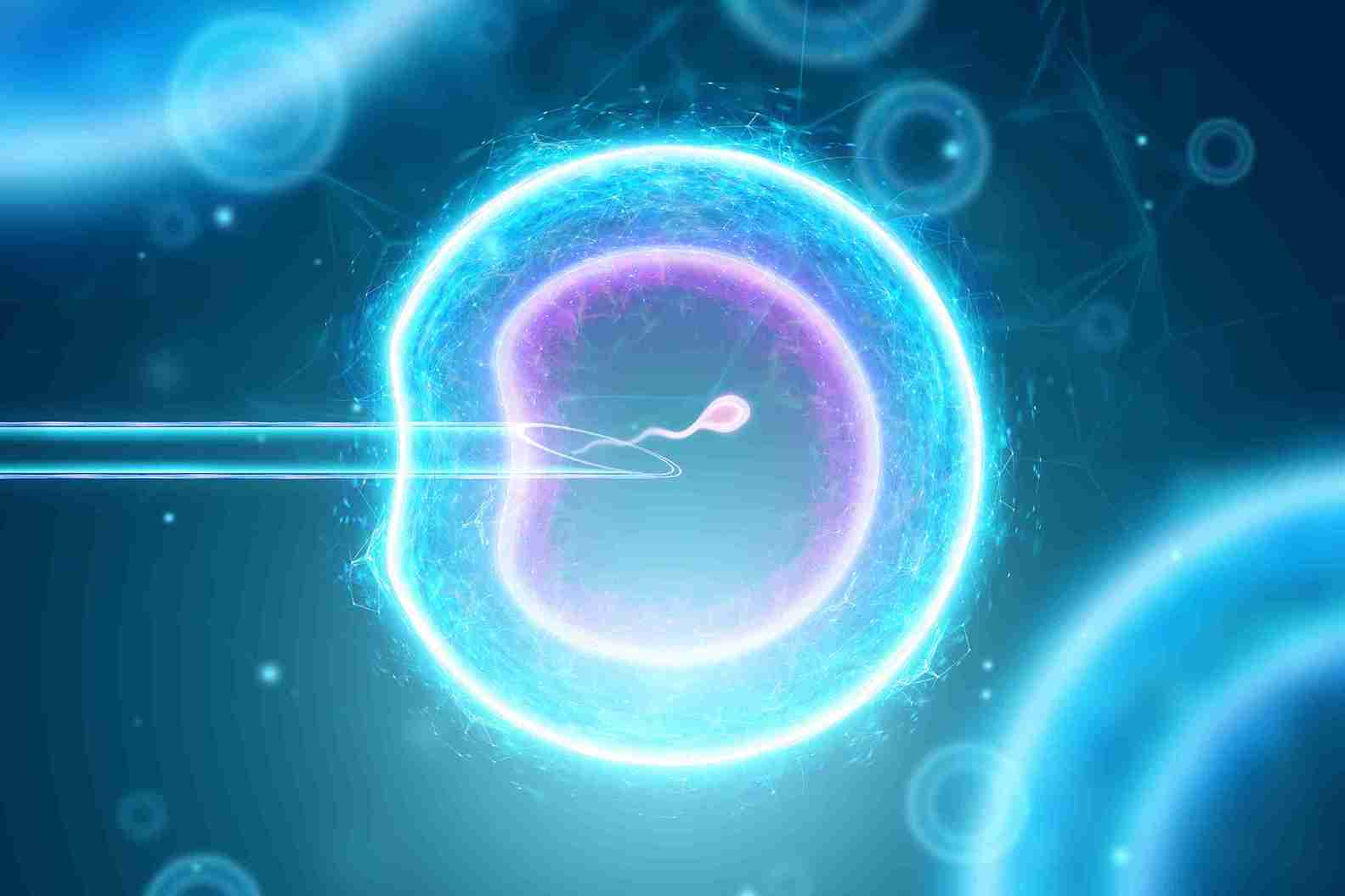
Egg quality cannot be directly observed, but a number of tests and clinical factors aid its assessment:
Even though egg quality gradually decreases with age, a number of treatments are able to improve or support egg quality:
Early intervention is the key. Get in touch with a fertility expert if
At Cloudnine Hospitals, we realise that fertility is more than a number—it's about hope, determination, and the right care. Our fertility centres are equipped with:
Whether it's early assessment, lifestyle advice, or cutting-edge IVF, we're here to support you every step of the way with care that transcends medicine.

Dealing with fertility issues because of indications of poor egg quality may be psychologically challenging, but it is not the end of the world. With proper interventions and medical advice, many women, even those experiencing symptoms of poor egg quality or questioning what may cause poor egg quality in a younger woman, go on to achieve successful pregnancies.
If you feel that low egg quality is impacting your fertility, don't delay. Book an appointment with Cloudnine's fertility specialists today and take the first step towards clarity, hope, and personalised care for your individual journey to parenthood.

Poor egg quality is most often due to age, as the health of eggs will naturally deteriorate after 35 years. Other factors are hormonal imbalance, smoking, heavy alcohol consumption, obesity, chronic stress, diet, and exposure to environmental pollutants.
Egg quality may be compromised by oxidative stress, smoking, alcohol consumption, drug abuse, radiation, chemotherapy, malnutrition, and medical conditions such as diabetes or thyroid conditions that are not under control.
Egg quality tends to be at its best around a woman's 20s to her early 30s, and the best fertility rate can be seen before the age of 30. Beyond the age of 35, the quantity and quality of eggs begin to deteriorate faster.
Yes, folic acid also has a supporting role in enhancing egg quality. It assists in DNA synthesis and repair, decreases oxidative stress, and maintains cellular health, all of which are significant to good egg development.







 Best Gynecologists in Bellandur Best Gynecologists in Electronic City Best Gynecologists in HRBR LayoutBest Gynecologists in Jayanagar Best Gynecologists in Kanakapura RoadBest Gynecologists in Malleswaram Best Gynecologists in Nagarbhavi Best Gynecologists in Old Airport RoadBest Gynecologists in Sahakarnagar Best Gynecologists in Sarjapur RoadBest Gynecologists in ThanisandraBest Gynecologists in Varthur RoadBest Gynecologists in Whitefield Best Gynecologists in Industrial Area Phase IIBest Gynecologists in OMRBest Gynecologists in T NagarBest Gynecologists in New Industrial TownBest Gynecologists in IndirapuramBest Gynecologists in Golf Course RoadBest Gynecologists in Sector 14Best Gynecologists in Sector 47Best Gynecologists in Banjara HillsBest Gynecologists in GachibowliBest Gynecologists in Hitech CityBest Gynecologists in KompallyBest Gynecologists in Gomti NagarBest Gynecologists in MaladBest Gynecologists in NerulBest Gynecologists in VashiBest Gynecologists in Kailash ColonyBest Gynecologists in PatparganjBest Gynecologists in Punjabi BaghBest Gynecologists in VikaspuriBest Gynecologists in Gaur CityBest Gynecologists in Pari ChowkBest Gynecologists in Sector 51Best Gynecologists in Sector 5 Swastik ViharBest Gynecologists in Kalyani NagarBest Gynecologists in SB RoadBest Gynecologists in Pimple SaudagarBest Pediatricians in BellandurBest Pediatricians in Electronic CityBest Pediatricians in HRBR LayoutBest Pediatricians in JayanagarBest Pediatricians in Kanakapura RoadBest Pediatricians in MalleswaramBest Pediatricians in NagarbhaviBest Pediatricians in Old Airport RoadBest Pediatricians in SahakarnagarBest Pediatricians in Sarjapur RoadBest Pediatricians in ThanisandraBest Pediatricians in Varthur RoadBest Pediatricians in WhitefieldBest Pediatricians in Industrial Area Phase IIBest Pediatricians in OMRBest Pediatricians in T NagarBest Pediatricians in New Industrial TownshipBest Pediatricians in IndirapuramBest Pediatricians in Golf Course RoadBest Pediatricians in Sector 14Best Pediatricians in Sector 47Best Pediatricians in Hitech CityBest Pediatricians in Banjara HillsBest Pediatricians in GachibowliBest Pediatricians in KompallyBest Pediatricians in Gomti NagarBest Pediatricians in MaladBest Pediatricians in NerulBest Pediatricians in VashiBest Pediatricians in Kailash ColonyBest Pediatricians in PatparganjBest Pediatricians in Punjabi BaghBest Pediatricians in VikaspuriBest Pediatricians in Gaur CityBest Pediatricians in Pari ChowkBest Pediatricians in Sector 51Best Pediatricians in Sector 5 Swastik ViharBest Pediatricians in Kalyani NagarBest Pediatricians in SB RoadBest Pediatricians in Pimple Saudagar


