


Hearing your baby cough, wheeze or breathe noisily can be distressing, especially in the first year. Many parents wonder whether a home nebuliser can provide quick relief.
A nebuliser can help in certain situations, but it isn't a general treatment for every cough, cold, or noisy breath. Whether it helps depends on the cause of the symptoms and any medicine your baby needs.
Before using a nebulizer for babies, have a paediatrician assess your baby to determine whether it is needed and which treatment is appropriate. Using leftover medicine or starting nebulisation without medical advice may delay the right treatment.

A nebuliser changes liquid medicine into a fine mist. The baby breathes in this mist through a properly fitted mask, allowing the medicine to reach the airways.
A nebuliser does not:
● Diagnose the cause of breathing difficulty.
● Supply oxygen unless connected to a medical oxygen source.
● Cure every cough or cold.
● Replace a medical examination when a baby is struggling to breathe.
This is why nebulization for infants should be based on a paediatrician’s advice rather than symptoms alone.
Not every unusual breathing sound is an emergency. Babies may occasionally breathe irregularly, sound congested, or breathe faster briefly after crying or feeding. What matters is how your baby looks and behaves along with the sound.
Seek urgent medical care if your baby:
● Is breathing very quickly or working hard to breathe (skin pulling in under or between the ribs, nostril flaring, grunting).
● Has pauses in breathing.
● Develops blue or grey lips, tongue or skin.
● Is too breathless to feed, is feeding much less than usual or is passing fewer wet nappies.
● Is unusually sleepy, floppy or difficult to wake.
● Appears to be getting worse despite the prescribed treatment.
Never delay medical assessment when any of these signs are present.
A doctor may recommend nebulisation when a baby has a condition that can benefit from medicine delivered directly into the airways. The doctor makes this decision after examining the baby’s breathing pattern, oxygen level, and other symptoms.
Nebulisation may be considered in situations such as:
Some babies develop airway narrowing that causes wheezing or breathing difficulty. When appropriate, a doctor may prescribe medicine that relaxes the airways. Not every wheeze in infancy responds to airway-opening medicine.
Babies with certain diagnosed lung or airway conditions may need nebulised treatment as part of a care plan. The medicine, dose and frequency depend on the diagnosis, age, weight and overall health.
In hospitals, staff may use nebulisers to deliver medicines for certain breathing emergencies or respiratory conditions, with close monitoring. If home nebulisation is recommended, parents should receive clear instructions on medicine, dose, frequency, duration and device use.
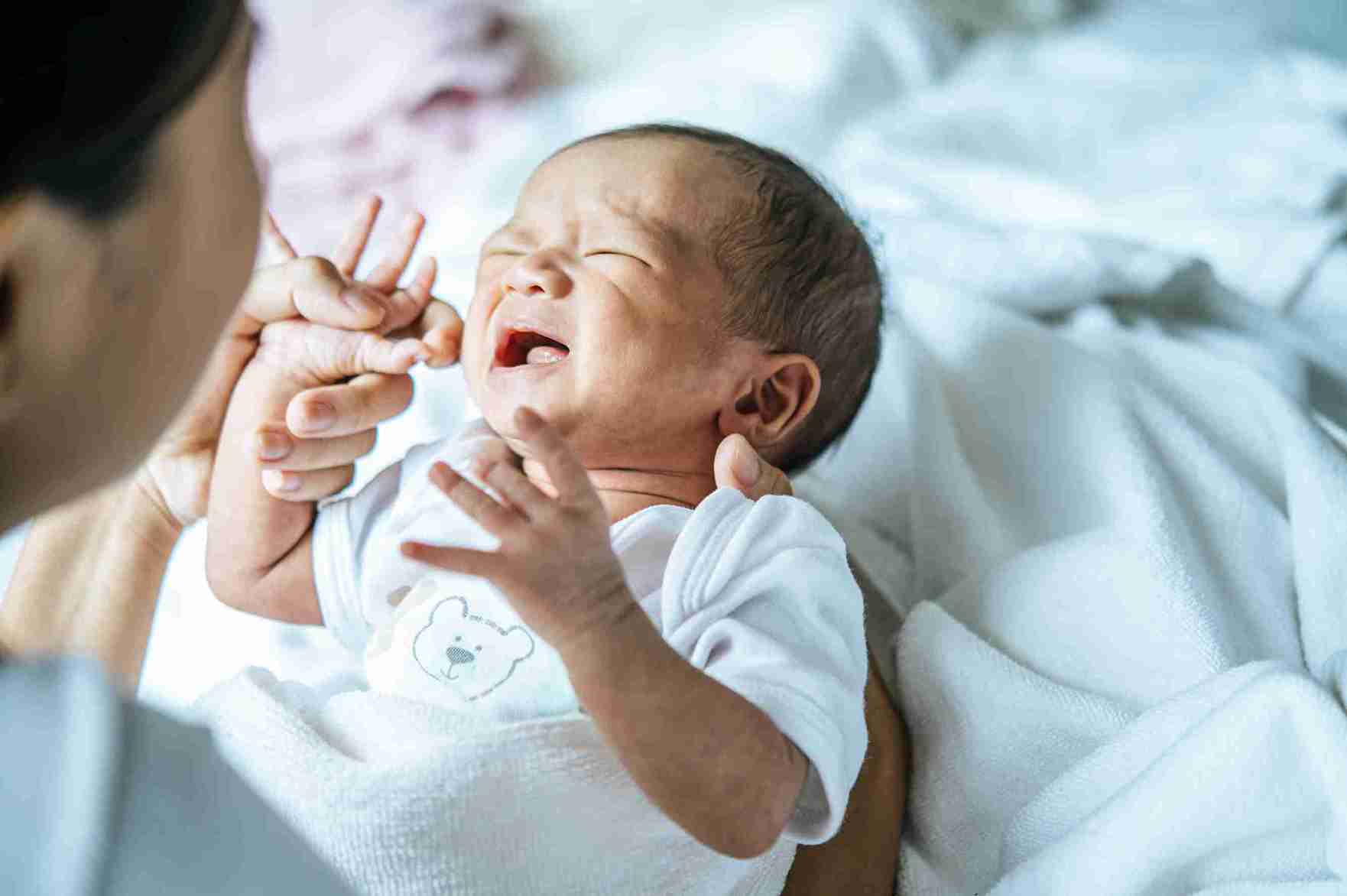
Many common baby breathing problems are caused by blocked nasal passages or viral infections. A nebuliser may not improve these symptoms unless a doctor identifies a specific reason to use nebulised medicine.
A blocked or runny nose can make a baby sound congested, particularly during feeding or sleep. Since babies have small nasal passages, even mild congestion may make their breathing sound noisy.
A nebuliser does not automatically clear the nose or shorten a viral cold. For congestion, doctors may suggest saline nasal drops and gentle nasal suction, but ask your paediatrician how to use them safely.
A cough is the body’s way of clearing mucus and irritation from the airways. If the lungs are clear and there is no airway narrowing, nebulised airway-opening medicine may not provide relief.
Using a nebulizer for a baby's cough without understanding the cause is unlikely to address problems such as nasal discharge dripping into the throat, throat irritation or an uncomplicated viral infection.
Bronchiolitis is a common viral chest infection in babies and may cause coughing, fast breathing, difficulty feeding and wheezing or crackling sounds. However, it may seem like a condition that needs nebulisation; commonly used nebulised medicines are not routinely recommended for most babies with typical bronchiolitis.
Treatment usually focuses on monitoring breathing and supporting feeding and hydration. Babies who need additional support may receive oxygen or other care in hospital.
Do not use home nebulisation repeatedly while waiting for severe breathing difficulty to improve. If your baby develops any of the warning signs mentioned earlier, seek urgent medical help rather than continuing nebulisation at home.
If your paediatrician has prescribed nebulisation, ask for a written plan or make sure you understand the instructions before leaving the clinic. Babies generally use a well-fitted mask because they cannot use a mouthpiece effectively.

Do not add tap water, homemade salt water, essential oils or medicines prescribed for another person to the nebuliser. Use only the medicine or sterile solution recommended for your baby.
Do not reuse medicine left in the chamber after a session unless your doctor or the product instructions specifically advise it.
More frequent nebulisation does not necessarily speed recovery. Some medicines can cause side effects when used too often or in the wrong dose.
Do not restart medicine from an earlier illness simply because your baby has developed another cough or wheeze. A similar symptom may have a different cause.
Hold the mask gently but snugly against the nose and mouth. Gaps let medicine escape and reduce effectiveness.
Keep your baby in a comfortable, upright position where possible. Crying can make it harder for the baby to inhale the medicine effectively, so try to keep the environment calm.
Clean the medicine chamber and mask after each use, following the manufacturer’s instructions. Allow the equipment to air-dry completely in a clean place. Do not share masks or mouthpieces between family members.
Poorly cleaned or damp equipment may allow germs to grow and could increase the risk of infection.
Stay with your baby throughout the session. Stop the session and seek medical advice if your baby becomes more distressed or develops an unexpected reaction.
If the prescribed treatment doesn't provide the expected relief, contact your paediatrician rather than increasing the dose or frequency yourself.
For a mild viral illness, supportive care is often more useful than nebulisation. Depending on your paediatrician’s advice, this may include:
● Continuing breastfeeding or regular feeds.
● Offering smaller, more frequent feeds if congestion makes feeding tiring.
● Keeping the baby comfortably upright while awake.
● Using doctor-recommended saline nasal drops for a blocked nose.
● Keeping the home free from cigarette smoke, incense and strong fragrances.
● Checking the baby regularly for changes in breathing, feeding and alertness.
Avoid steam inhalation around babies because hot water and steam can cause serious burns. Do not give cough or cold medicines to an infant unless specifically prescribed.

A nebuliser can be valuable when it delivers the right medicine for a properly diagnosed condition. However, it is not automatically needed whenever a baby coughs, sounds congested or develops noisy breathing.
Babies between 1 and 12 months have small airways and may become unwell quickly. A paediatrician should therefore assess new or worsening breathing difficulty before considering a Using .
If home nebulisation is prescribed, follow the recommended medicine, dose and schedule carefully. Seek prompt medical help if your baby’s breathing, feeding or alertness worsens.


A baby may need a nebuliser when a paediatrician diagnoses a condition that can benefit from medicine delivered directly into the airways, such as certain episodes of airway narrowing or specific respiratory conditions. Coughing, congestion or noisy breathing alone does not mean nebulisation is needed.
Nebulisation can be safe for babies when a paediatrician prescribes it and the correct medicine, dose, equipment, and technique are used. Do not start it with leftover medicine or repeat it more often than advised. Clean the equipment properly after each use.
A nebuliser may help only when the cough is related to a condition that responds to the prescribed nebulised medicine. It does not cure a viral cold or automatically relieve a cough caused by nasal congestion or throat irritation. A paediatrician can assess the symptoms and recommend suitable care.
There is no single safe frequency for every baby. It depends on the medicine, the condition being treated and the paediatrician’s instructions. Do not increase the frequency or reuse an old prescription without medical advice. If prescribed sessions are not helping or your baby’s breathing is worsening, seek medical care promptly.


 Best Gynecologists in Bellandur Best Gynecologists in Electronic City Best Gynecologists in HRBR LayoutBest Gynecologists in Jayanagar Best Gynecologists in Kanakapura RoadBest Gynecologists in Malleswaram Best Gynecologists in Nagarbhavi Best Gynecologists in Old Airport RoadBest Gynecologists in Sahakarnagar Best Gynecologists in Sarjapur RoadBest Gynecologists in ThanisandraBest Gynecologists in Varthur RoadBest Gynecologists in Whitefield Best Gynecologists in Industrial Area Phase IIBest Gynecologists in OMRBest Gynecologists in T NagarBest Gynecologists in New Industrial TownBest Gynecologists in IndirapuramBest Gynecologists in Golf Course RoadBest Gynecologists in Sector 14Best Gynecologists in Sector 47Best Gynecologists in Banjara HillsBest Gynecologists in GachibowliBest Gynecologists in Hitech CityBest Gynecologists in KompallyBest Gynecologists in Jawahar NagarBest Gynecologists in Gomti NagarBest Gynecologists in Phase 3, Sector 58Best Gynecologists in MaladBest Gynecologists in NerulBest Gynecologists in VashiBest Gynecologists in Kailash ColonyBest Gynecologists in PatparganjBest Gynecologists in Punjabi BaghBest Gynecologists in RohiniBest Gynecologists in VikaspuriBest Gynecologists in Gaur CityBest Gynecologists in Pari ChowkBest Gynecologists in Sector 51Best Gynecologists in Sector 5 Swastik ViharBest Gynecologists in Kalyani NagarBest Gynecologists in SB RoadBest Gynecologists in Pimple SaudagarBest Pediatricians in BellandurBest Pediatricians in Electronic CityBest Pediatricians in HRBR LayoutBest Pediatricians in JayanagarBest Pediatricians in Kanakapura RoadBest Pediatricians in MalleswaramBest Pediatricians in NagarbhaviBest Pediatricians in Old Airport RoadBest Pediatricians in SahakarnagarBest Pediatricians in Sarjapur RoadBest Pediatricians in ThanisandraBest Pediatricians in Varthur RoadBest Pediatricians in WhitefieldBest Pediatricians in Industrial Area Phase IIBest Pediatricians in OMRBest Pediatricians in T NagarBest Pediatricians in New Industrial TownshipBest Pediatricians in IndirapuramBest Pediatricians in Golf Course RoadBest Pediatricians in Sector 14Best Pediatricians in Sector 47Best Pediatricians in Hitech CityBest Pediatricians in Banjara HillsBest Pediatricians in GachibowliBest Pediatricians in KompallyBest Pediatricians in Jawahar NagarBest Pediatricians in Gomti NagarBest Pediatricians in Phase 3, Sector 58Best Pediatricians in MaladBest Pediatricians in NerulBest Pediatricians in VashiBest Pediatricians in Kailash ColonyBest Pediatricians in PatparganjBest Pediatricians in Punjabi BaghBest Pediatricians in RohiniBest Pediatricians in VikaspuriBest Pediatricians in Gaur CityBest Pediatricians in Pari ChowkBest Pediatricians in Sector 51Best Pediatricians in Sector 5 Swastik ViharBest Pediatricians in Kalyani NagarBest Pediatricians in SB RoadBest Pediatricians in Pimple Saudagar