


When a baby is unwell, feeding can change quickly. They may breastfeed for shorter periods, take less formula or lose fluids through vomiting or diarrhoea. For parents, one of the first concerns is often whether the baby is getting enough fluid.
Maintaining a sick baby’s hydration is particularly important during infancy because babies can become dehydrated more quickly than older children. Watching feeding, urine output and your baby’s overall behaviour can help you notice when hydration may be becoming a concern.
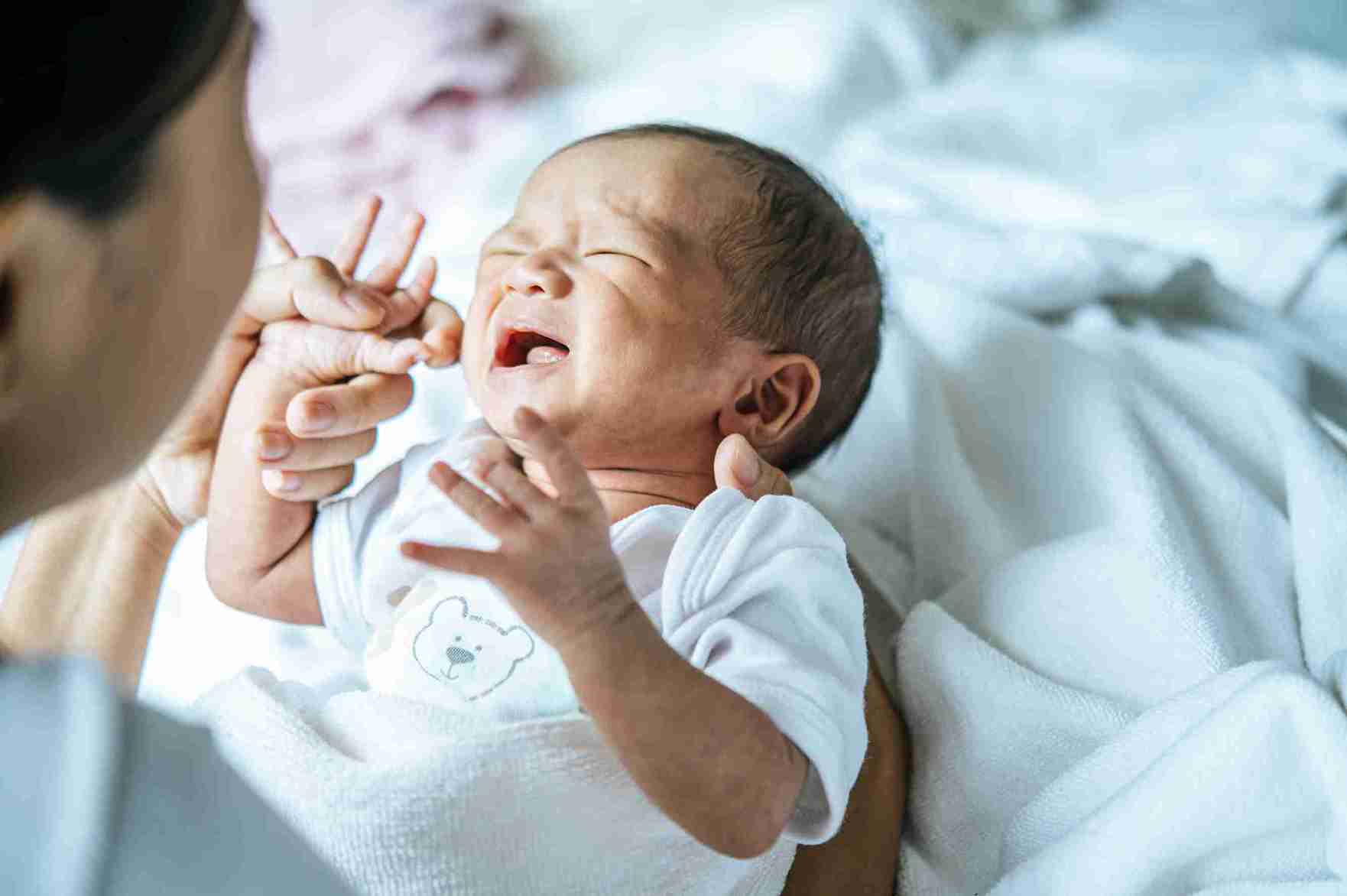
Babies have smaller fluid reserves than older children, so changes in feeding and fluid loss can affect them relatively quickly.
Infants become dehydrated when they lose more fluid than they take in. The risk depends on how much fluid the baby loses, how well the baby is feeding, and whether feeds stay down.
The first step is usually to continue offering the milk your baby normally takes. Breastmilk or correctly prepared formula remains an important source of fluid and nutrition during illness.
For breastfed babies, offer feeds regularly and follow your baby’s feeding cues. For formula-fed babies, continue their usual formula unless a paediatrician advises otherwise. Formula should be prepared exactly as directed and should not be diluted.
For babies under six months, DO NOT give plain water unless your paediatrician specifically advises it.
In most cases, yes. Generally, you should continue breastfeeding when a baby is unwell, including during diarrhoeal illness.
Breastmilk for a sick baby provides both fluid and nutrition, and some babies may prefer shorter, more frequent feeds while unwell. If your baby is repeatedly vomiting, feeding very poorly or unable to keep feeds down, seek paediatric advice rather than relying on frequent breastfeeding alone.
Oral rehydration solution (ORS) is formulated to replace water and electrolytes lost through conditions such as diarrhoea or repeated vomiting. You need to give ORS for babies depending on the baby’s age, fluid loss, feeding and signs of dehydration.
ORS is not a routine drink for every illness. It may be recommended when the baby needs additional rehydration. When advised, offer small, frequent sips rather than a large amount at once, especially if the baby has been vomiting. Use a spoon, syringe, or other age-appropriate method.
Prepare ORS exactly according to the packet instructions, using the stated amount of clean, safe water. Do not replace it with juice, soft drinks or homemade mixtures.
Breastmilk or usual formula feeds should generally continue as tolerated.

Signs of dehydration can vary, so look for changes from your baby’s usual feeding and behaviour.
Possible signs of dehydration in infants include:
● Fewer wet nappies than usual.
● A dry mouth or lips.
● Few or no tears when crying.
● Sunken eyes.
● A sunken soft spot on the top of the head.
● Unusual irritability or drowsiness.
● Feeding much less than usual.
Babies who are unusually sleepy, difficult to wake, unable to keep fluids down or showing other signs of significant dehydration need prompt medical assessment.
When a baby is unwell, it is natural to want to replace lost fluids quickly. However, some common approaches can be unhelpful or unsafe, especially during the first year of life.
Common mistakes include:
● Giving plain water to a baby under six months: Do not give it unless specifically advised by your paediatrician.
● Diluting formula: Always prepare formula according to the manufacturer’s instructions.
● Using juice, soft drinks or homemade mixtures instead of ORS: These are not suitable substitutes.
● Stopping breastfeeding unnecessarily: Breastfeeding should usually continue as tolerated.
● Offering large amounts after vomiting: Smaller, frequent amounts may be better tolerated.
● Continuing home care despite worsening symptoms: Seek medical advice if your baby is becoming more unwell or showing signs of dehydration.
Seek medical advice if your baby is feeding much less than usual, repeatedly vomiting, unable to keep fluids down or has ongoing diarrhoea with reduced intake.
Seek prompt medical attention if you notice signs of dehydration described above, especially if your baby becomes unusually sleepy, less responsive, or difficult to wake.
For younger infants, particularly those under six months, seek advice earlier if feeding drops significantly or fluid losses continue.
During illness, watch whether your baby is feeding, keeping fluids down, passing urine, and staying alert. If these change noticeably or it becomes difficult to maintain hydration, a paediatrician can advise whether further assessment or treatment is needed.


Continue offering breastmilk or correctly prepared formula regularly. Smaller, more frequent feeds may be easier to tolerate if your baby is vomiting. ORS may be recommended in some situations, particularly when diarrhoea or vomiting causes fluid loss.
Yes, babies can use ORS when they need rehydration, but it should be given appropriately for their age and condition. For young infants, especially under six months, it is best to follow paediatric advice if vomiting, diarrhoea or dehydration is a concern.
Breastmilk is an important source of fluid and nutrition and should usually be continued during illness. However, if a baby is losing significant fluid through vomiting or diarrhoea, feeding poorly or showing signs of dehydration, breastmilk alone may not be sufficient and medical advice may be needed.
Signs can include fewer wet nappies, a dry mouth, few or no tears, sunken eyes, unusual drowsiness or irritability, reduced feeding and, in some cases, a sunken soft spot on the head. A baby who is difficult to wake, unable to keep fluids down or appears significantly dehydrated needs prompt medical assessment.


 Best Gynecologists in Bellandur Best Gynecologists in Electronic City Best Gynecologists in HRBR LayoutBest Gynecologists in Jayanagar Best Gynecologists in Kanakapura RoadBest Gynecologists in Malleswaram Best Gynecologists in Nagarbhavi Best Gynecologists in Old Airport RoadBest Gynecologists in Sahakarnagar Best Gynecologists in Sarjapur RoadBest Gynecologists in ThanisandraBest Gynecologists in Varthur RoadBest Gynecologists in Whitefield Best Gynecologists in Industrial Area Phase IIBest Gynecologists in OMRBest Gynecologists in T NagarBest Gynecologists in New Industrial TownBest Gynecologists in IndirapuramBest Gynecologists in Golf Course RoadBest Gynecologists in Sector 14Best Gynecologists in Sector 47Best Gynecologists in Banjara HillsBest Gynecologists in GachibowliBest Gynecologists in Hitech CityBest Gynecologists in KompallyBest Gynecologists in Jawahar NagarBest Gynecologists in Gomti NagarBest Gynecologists in Phase 3, Sector 58Best Gynecologists in MaladBest Gynecologists in NerulBest Gynecologists in VashiBest Gynecologists in Kailash ColonyBest Gynecologists in PatparganjBest Gynecologists in Punjabi BaghBest Gynecologists in RohiniBest Gynecologists in VikaspuriBest Gynecologists in Gaur CityBest Gynecologists in Pari ChowkBest Gynecologists in Sector 51Best Gynecologists in Sector 5 Swastik ViharBest Gynecologists in Kalyani NagarBest Gynecologists in SB RoadBest Gynecologists in Pimple SaudagarBest Pediatricians in BellandurBest Pediatricians in Electronic CityBest Pediatricians in HRBR LayoutBest Pediatricians in JayanagarBest Pediatricians in Kanakapura RoadBest Pediatricians in MalleswaramBest Pediatricians in NagarbhaviBest Pediatricians in Old Airport RoadBest Pediatricians in SahakarnagarBest Pediatricians in Sarjapur RoadBest Pediatricians in ThanisandraBest Pediatricians in Varthur RoadBest Pediatricians in WhitefieldBest Pediatricians in Industrial Area Phase IIBest Pediatricians in OMRBest Pediatricians in T NagarBest Pediatricians in New Industrial TownshipBest Pediatricians in IndirapuramBest Pediatricians in Golf Course RoadBest Pediatricians in Sector 14Best Pediatricians in Sector 47Best Pediatricians in Hitech CityBest Pediatricians in Banjara HillsBest Pediatricians in GachibowliBest Pediatricians in KompallyBest Pediatricians in Jawahar NagarBest Pediatricians in Gomti NagarBest Pediatricians in Phase 3, Sector 58Best Pediatricians in MaladBest Pediatricians in NerulBest Pediatricians in VashiBest Pediatricians in Kailash ColonyBest Pediatricians in PatparganjBest Pediatricians in Punjabi BaghBest Pediatricians in RohiniBest Pediatricians in VikaspuriBest Pediatricians in Gaur CityBest Pediatricians in Pari ChowkBest Pediatricians in Sector 51Best Pediatricians in Sector 5 Swastik ViharBest Pediatricians in Kalyani NagarBest Pediatricians in SB RoadBest Pediatricians in Pimple Saudagar


