
For many women, the months spent trying to conceive come with a long list of things to reconsider, from what they eat to how they sleep; everything is scrutinised. Exercise is often somewhere on that list, and the questions are understandable. Should you keep going to the gym? Is that intense class doing more harm than good? Can exercise improve fertility, or does it work against you?
The honest answer is that it depends on the kind of exercise, how much you are doing, and where your body is starting from. Here is what the evidence actually says.

Yes, it does, and largely in a positive way when kept at a moderate level. Regular physical activity helps regulate hormones, supports a healthy body weight, reduces insulin resistance, and improves circulation to the reproductive organs. All of these factors play a role in how well the reproductive system functions.
That said, exercise is not a standalone fix. It works best as part of an overall healthy lifestyle. Women with conditions like PCOS (polycystic ovarian syndrome), which is extremely common among Indian women, often find that even modest improvements in physical activity and weight can have a meaningful effect on their cycles and ovulation.
The relationship between exercise while trying to conceive and fertility is not about pushing harder. It is about finding the right kind of consistency.
Not all workouts are equal when fertility is the goal. Here is a look at what tends to work well.
This one is almost always underestimated. Brisk walking for 30 to 45 minutes most days is genuinely one of the best workouts for getting pregnant because it is sustainable, low-impact, and easy to build into a routine. It supports a healthy weight, reduces cortisol levels, and does not put stress on the body the way high-intensity sessions can. If you are not currently active at all, walking is the ideal place to start.
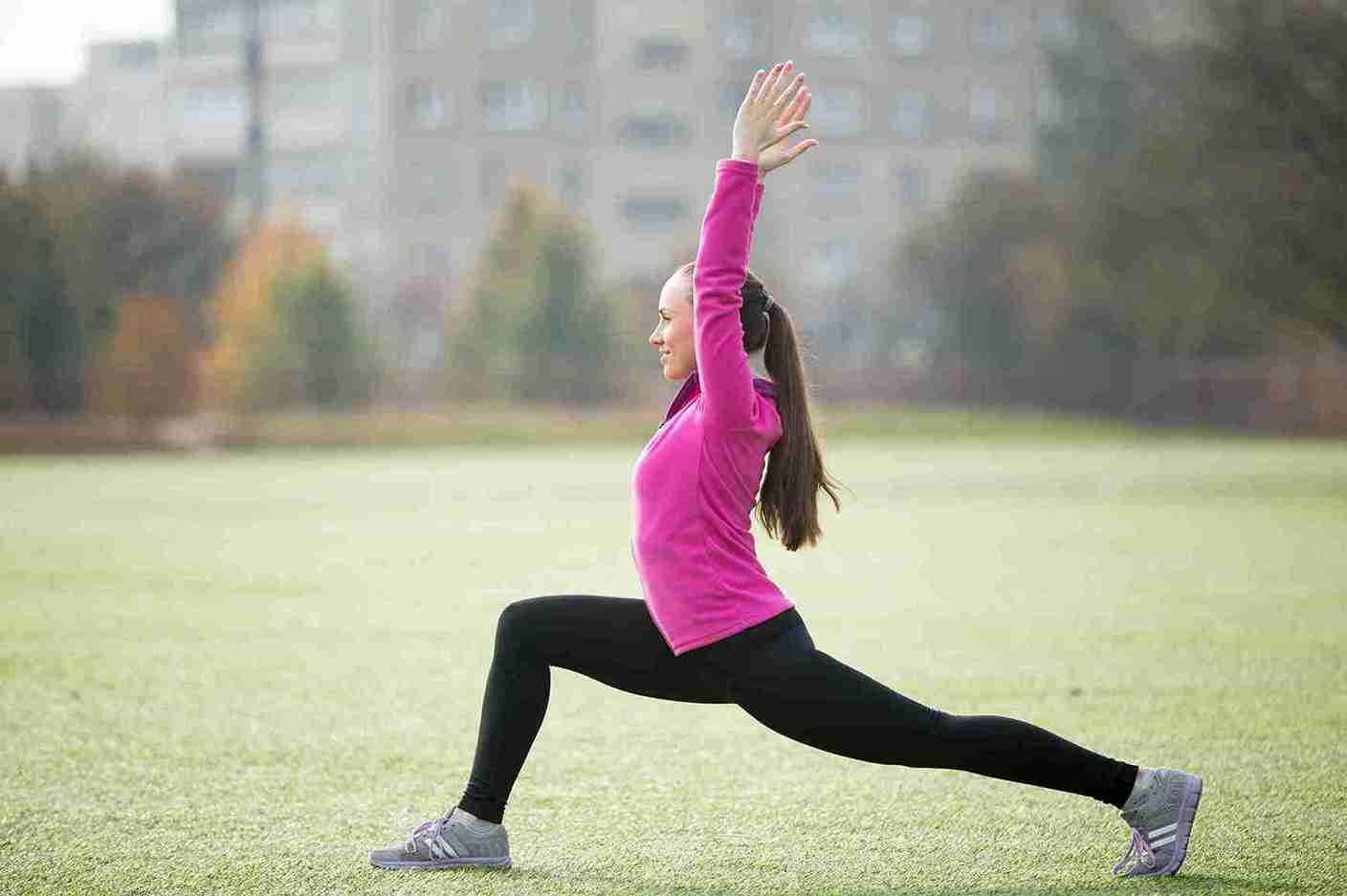
Yoga has become increasingly popular among women trying to conceive, and there is good reason for it beyond the trend. Certain yoga poses improve blood flow to the pelvic region, support hormonal balance, and help manage stress, which is one of the more underappreciated factors affecting fertility. Restorative and gentle yoga are particularly well-suited for this phase. Hot yoga, however, is best avoided, as the elevated core temperature is not ideal when you are actively trying to conceive.
Swimming is another excellent low-impact option. It works the whole body, keeps the heart rate up, and is easy on the joints. Many women find it especially useful during the luteal phase of their cycle, when high-impact activity can feel uncomfortable. It is one of the fertility exercises for women that rarely gets enough credit.
There is no need to give up strength training entirely. Moderate weight training, bodyweight exercises, and resistance band work are all fine and can actually be beneficial. Muscle mass supports metabolic health, and for women with PCOS in particular, resistance training helps with insulin sensitivity. Just keep the weights at a manageable level and avoid training to the point of exhaustion.
Here is where things need a bit of nuance. While moderate exercise while trying to conceive is beneficial, too much of it, particularly very high-intensity or high-volume training, can actually interfere with ovulation. This happens because extreme exercise raises cortisol and can suppress the hormonal signals that regulate the menstrual cycle. Some women who train intensely notice irregular periods or a shorter luteal phase, both of which can make conception harder.
If you are already following a demanding training schedule, it is worth speaking to your doctor before continuing at that intensity.
Many women find it helpful to adjust their exercise based on where they are in their cycle. During the follicular phase (the first half of your cycle), energy tends to be higher, and the body handles more activity well. Around ovulation, lighter movement is often more comfortable. In the luteal phase, the body is preparing for a potential implantation, and this is generally a good time to scale back intensity and focus on gentler movement like walking or yoga.
Both low body weight and excess weight can affect fertility. Exercise supports a healthy weight, and that is part of why it helps. But extreme calorie restriction combined with intense exercise is a combination that can work against you. The goal is steady, sustainable movement, not rapid weight loss.
For most women trying to conceive, the general recommendation is around 150 minutes of moderate activity per week. That works out to about 30 minutes, five days a week. This does not have to happen all at once, and it does not have to be formal gym time. A walk after dinner, a yoga session in the morning, a swim on the weekend, these all count.
The key is that it feels manageable, not depleting. If you finish a workout feeling exhausted rather than energised, that is worth paying attention to.
A Few Practical Tips
Try to keep your routine consistent rather than doing a lot one week and nothing the next.
Stay well-hydrated, especially during the summer and in humid conditions, when you lose fluids quickly.
Avoid very hot environments during exercise, including hot yoga studios and outdoor workouts in peak afternoon heat.
If you have been advised to rest for any medical reason, check with your doctor before resuming activity.
Listen to your body. Mild fatigue is normal; persistent exhaustion, dizziness, or pelvic discomfort are not.

Exercise and fertility are more closely linked than many women realise. The right kind of movement, done consistently and without going overboard, supports the body in ways that genuinely matter when you are trying to conceive. You do not need to overhaul your life or follow a punishing routine. What tends to make the most difference is showing up regularly, keeping it moderate, and paying attention to how your body responds.

Yes, moderate exercise can support fertility by helping regulate hormones, managing body weight, reducing insulin resistance, and improving blood flow to the reproductive organs. For women with conditions like PCOS, even modest physical activity can positively affect ovulation and cycle regularity. The key is consistency at a moderate intensity, rather than high-intensity or excessive training.
Brisk walking, swimming, gentle yoga, and light strength training are among the most recommended fertility exercises for women. These options support cardiovascular health and hormonal balance without placing undue stress on the body. Low-impact activities are especially helpful as they are sustainable over several months and can be easily adjusted based on where you are in your cycle.
Most guidelines suggest around 150 minutes of moderate physical activity per week, roughly 30 minutes on five days. The best workouts for getting pregnant are ones that leave you feeling energised rather than wiped out. If your current routine is significantly more demanding than this, it may be worth discussing the intensity with your doctor.
Yes. Very high-intensity or high-volume exercise can raise cortisol levels and disrupt the hormonal signals that regulate ovulation. Some women who train intensely experience irregular cycles or a shortened luteal phase, which can make conception harder. If you notice changes in your cycle alongside a demanding exercise routine, it is worth reviewing your activity levels with a healthcare provider.







 Best Gynecologists in Bellandur Best Gynecologists in Electronic City Best Gynecologists in HRBR LayoutBest Gynecologists in Jayanagar Best Gynecologists in Kanakapura RoadBest Gynecologists in Malleswaram Best Gynecologists in Nagarbhavi Best Gynecologists in Old Airport RoadBest Gynecologists in Sahakarnagar Best Gynecologists in Sarjapur RoadBest Gynecologists in ThanisandraBest Gynecologists in Varthur RoadBest Gynecologists in Whitefield Best Gynecologists in Industrial Area Phase IIBest Gynecologists in OMRBest Gynecologists in T NagarBest Gynecologists in New Industrial TownBest Gynecologists in IndirapuramBest Gynecologists in Golf Course RoadBest Gynecologists in Sector 14Best Gynecologists in Sector 47Best Gynecologists in Banjara HillsBest Gynecologists in GachibowliBest Gynecologists in Hitech CityBest Gynecologists in KompallyBest Gynecologists in Gomti NagarBest Gynecologists in MaladBest Gynecologists in NerulBest Gynecologists in VashiBest Gynecologists in Kailash ColonyBest Gynecologists in PatparganjBest Gynecologists in Punjabi BaghBest Gynecologists in VikaspuriBest Gynecologists in Gaur CityBest Gynecologists in Pari ChowkBest Gynecologists in Sector 51Best Gynecologists in Sector 5 Swastik ViharBest Gynecologists in Kalyani NagarBest Gynecologists in SB RoadBest Gynecologists in Pimple SaudagarBest Pediatricians in BellandurBest Pediatricians in Electronic CityBest Pediatricians in HRBR LayoutBest Pediatricians in JayanagarBest Pediatricians in Kanakapura RoadBest Pediatricians in MalleswaramBest Pediatricians in NagarbhaviBest Pediatricians in Old Airport RoadBest Pediatricians in SahakarnagarBest Pediatricians in Sarjapur RoadBest Pediatricians in ThanisandraBest Pediatricians in Varthur RoadBest Pediatricians in WhitefieldBest Pediatricians in Industrial Area Phase IIBest Pediatricians in OMRBest Pediatricians in T NagarBest Pediatricians in New Industrial TownshipBest Pediatricians in IndirapuramBest Pediatricians in Golf Course RoadBest Pediatricians in Sector 14Best Pediatricians in Sector 47Best Pediatricians in Hitech CityBest Pediatricians in Banjara HillsBest Pediatricians in GachibowliBest Pediatricians in KompallyBest Pediatricians in Gomti NagarBest Pediatricians in MaladBest Pediatricians in NerulBest Pediatricians in VashiBest Pediatricians in Kailash ColonyBest Pediatricians in PatparganjBest Pediatricians in Punjabi BaghBest Pediatricians in VikaspuriBest Pediatricians in Gaur CityBest Pediatricians in Pari ChowkBest Pediatricians in Sector 51Best Pediatricians in Sector 5 Swastik ViharBest Pediatricians in Kalyani NagarBest Pediatricians in SB RoadBest Pediatricians in Pimple Saudagar


