
The final weeks of pregnancy often bring a quiet and subtle shift in focus. Attention slowly moves from the pregnancy itself to the moment of birth. Thoughts about labour become more real, and along with the excitement of finally meeting the baby come questions about how childbirth will feel. Pain is often the biggest concern, and almost every pregnant woman worries about how it will be managed during childbirth.
In this article, we shall examine the different methods used for pain relief during labour, thereby helping you understand how they work and how to choose one that suits your body and birth plan.

Labour pain is different for everyone. In fact, women can have different experiences with each birth. How strong the pain feels can depend on things like the baby’s position, how strong and regular the contractions are, and how your body responds to pain.
Pain begins as the uterus contracts to help the baby move downward. As labour progresses, discomfort may be felt in the abdomen, lower back, and pelvis, along with pressure in nearby areas. Later, stretching during the baby's passage through the birth canal can cause strong sensations. Many women describe contractions as cramp-like or wave-like, with the ongoing and repeated nature of the pain often feeling more challenging than the intensity itself.
Knowing what labour pain may feel like can make the experience a little less frightening. Pain is a natural part of childbirth, and there are quite a few support and pain relief techniques available to manage it.
Since the pain experienced during delivery builds over time, many women explore labour pain relief options, both medical and non-medical, to feel supported and more at ease during childbirth. The most suitable approach depends on comfort, pain tolerance, medical needs, and the progression of labour. Things like the stage of labour, past birth experiences, emotional support, and where the birth takes place also matter. Understanding these factors can help women feel more ready and confident as labour progresses.
Below are some of the most common pain relief techniques used during delivery, along with their respective advantages and disadvantages.
Analgesics are medicines that help relieve moderate to severe pain. During labour, the analgesics given are usually opioids, and doctors carefully monitor their use. They are usually given by injection into a muscle or through a vein and are carefully monitored by doctors. These medicines do not remove labour pain completely, but they help make it more manageable. They work by changing how the body responds to pain, which can also cause drowsiness or relaxation. Because of this, analgesics are often used in early labour to allow rest and conserve energy for later stages.
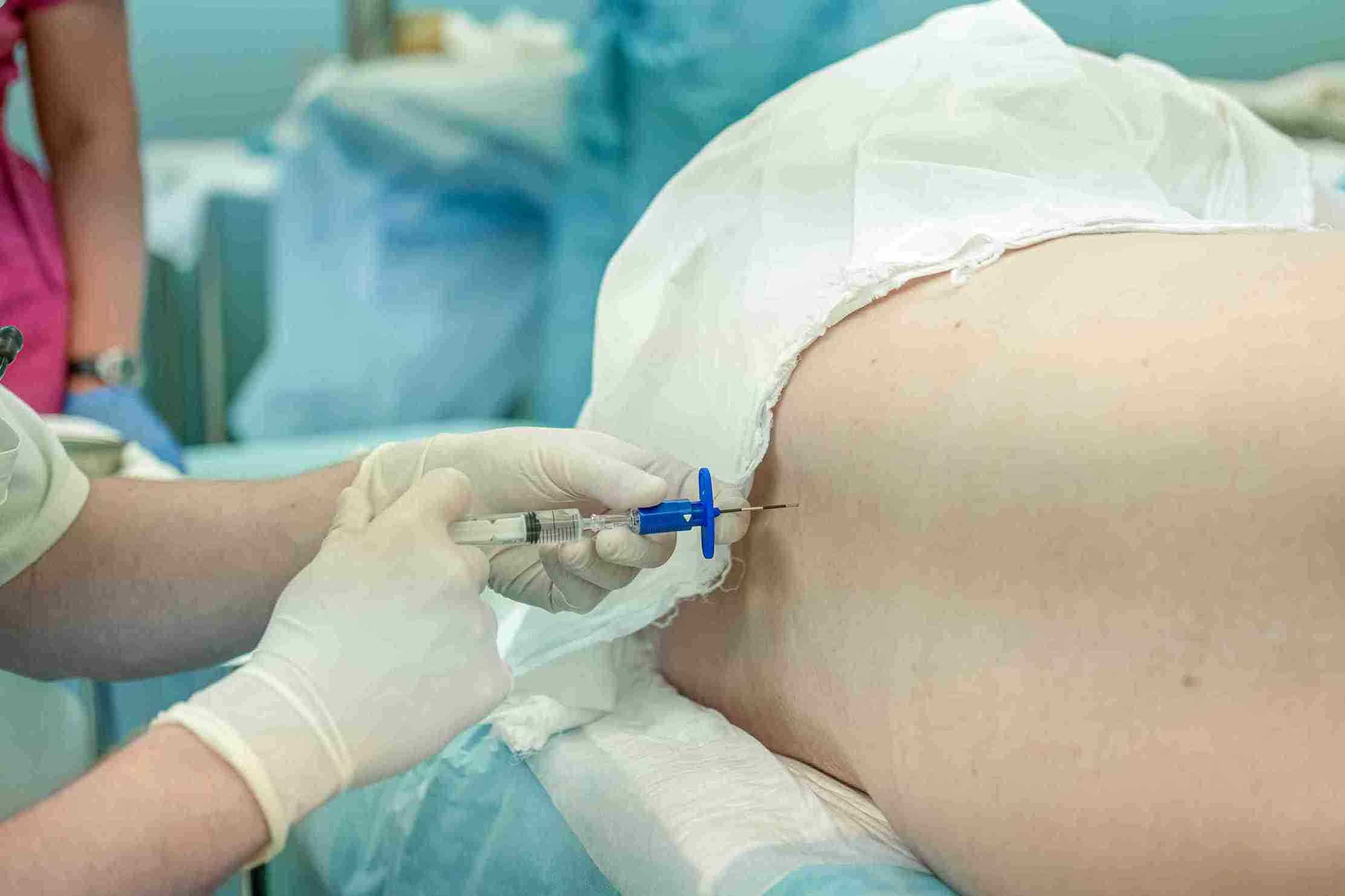
An epidural is a local anaesthetic that reduces pain during labour by numbing the lower half of the body. This allows the mother to stay awake and alert, and more actively involved in childbirth. The procedure is done by an anaesthesiologist. After numbing a small area on the lower back, a thin tube is placed near the spine to deliver pain-relieving medicine. The tube stays in place, so medication can be given throughout labour as needed. Pain relief usually begins within 10 to 20 minutes and lasts for the duration of labour. Although pain is greatly reduced, a sense of pressure during contractions and pushing often persists. Walking is usually limited, but awareness and the ability to push remain. Epidurals are widely used and, when given by medical professionals, are considered safe for both mother and baby.
A spinal block is a form of regional anaesthesia most often used during a caesarean birth. It can also help during labour if the baby is coming quickly or if tools like forceps or a vacuum are needed. In this procedure, doctors inject pain medicine into the fluid near the spinal cord in your lower back. It works quickly, giving strong pain relief within minutes. The numbness usually lasts one to two hours. Sometimes, a spinal block is used with an epidural to give longer pain relief if needed.
.jpg)
For women looking for labour pain relief without epidural the best option may be nitrous oxide. This is a colourless and odourless gas that can help with discomfort and anxiety. While it does not take away all the pain, it can make contractions easier to handle. The gas is inhaled through a hand-held face mask. It works quickly, usually within a minute, and wears off just as fast once the mask is removed. It is taken just before and during contractions. Nitrous oxide can be used at any stage of labour, either occasionally or throughout. Since it does not cause numbness, movement is usually possible. If drowsiness occurs, the mask naturally falls away, stopping the intake.
Local anaesthesia numbs a small area during childbirth, usually close to delivery or after birth when stitches are needed. It works quickly, targets areas like the vagina or perineum, and helps ease pain during procedures such as an episiotomy or tear repair without affecting the rest of the body. A pudendal block is a type of local anaesthetic administered shortly before childbirth. It reduces pain in the vaginal and rectal regions during the passage of the baby through the birth canal and can also facilitate greater comfort during postnatal repairs.
Pethidine is a strong pain-relieving medicine. It is usually given as an injection into a muscle (in the thighs or buttocks) and, in some cases, through a vein. The effects can last between two and four hours. Pethidine dulls the sensation of pain rather than removing it completely.

TENS stands for transcutaneous electrical nerve stimulation. It is a small, portable device that sends mild electrical pulses through pads placed on the lower back. By using the TENS machine, pain signals to the brain can be lowered, and the release of natural pain-relieving chemicals can be triggered.
Water birth involves spending part or all of labour, and sometimes the actual delivery, in a warm water pool. Usually, this birthing technique is recommended for women with low-risk pregnancies. This technique is usually used during early and active labour. However, some expectant moms choose to give birth to the baby while in the water. Both mother and baby are carefully monitored throughout the water birth.

Labour and childbirth are personal experiences, and pain relief needs differ for each woman. When expectant moms have clear information, they will feel more confident and won't fear the childbirth process. Ultimately, this will help create a safe and caring birth labour experience that puts both mother's and baby’s well-being first.

An epidural is a pain relief method used during labour that numbs the lower body. A thin tube is inserted in the lower back to deliver medication near the spine. This reduces contraction pain while allowing the mother to remain awake, alert, and able to push during birth.
There is no medication involved in pain relief techniques like water birth and TENS machines.
Most pain relief methods used during labour are safe when properly monitored. Some medications may cause temporary drowsiness or mild breathing changes in the baby after birth. The medical team monitors these effects closely to ensure the baby’s well-being.
Common pain relief options during labour include medical and non-medical methods such as analgesic injections, epidural and spinal blocks, nitrous oxide gas, local anaesthesia or pudendal blocks, pethidine injections, TENS machines and water birth.







 Best Gynecologists in Bellandur Best Gynecologists in Electronic City Best Gynecologists in HRBR LayoutBest Gynecologists in Jayanagar Best Gynecologists in Kanakapura RoadBest Gynecologists in Malleswaram Best Gynecologists in Nagarbhavi Best Gynecologists in Old Airport RoadBest Gynecologists in Sahakarnagar Best Gynecologists in Sarjapur RoadBest Gynecologists in ThanisandraBest Gynecologists in Varthur RoadBest Gynecologists in Whitefield Best Gynecologists in Industrial Area Phase IIBest Gynecologists in OMRBest Gynecologists in T NagarBest Gynecologists in New Industrial TownBest Gynecologists in IndirapuramBest Gynecologists in Golf Course RoadBest Gynecologists in Sector 14Best Gynecologists in Sector 47Best Gynecologists in Banjara HillsBest Gynecologists in GachibowliBest Gynecologists in Hitech CityBest Gynecologists in KompallyBest Gynecologists in Gomti NagarBest Gynecologists in MaladBest Gynecologists in NerulBest Gynecologists in VashiBest Gynecologists in Kailash ColonyBest Gynecologists in PatparganjBest Gynecologists in Punjabi BaghBest Gynecologists in VikaspuriBest Gynecologists in Gaur CityBest Gynecologists in Pari ChowkBest Gynecologists in Sector 51Best Gynecologists in Sector 5 Swastik ViharBest Gynecologists in Kalyani NagarBest Gynecologists in SB RoadBest Gynecologists in Pimple SaudagarBest Pediatricians in BellandurBest Pediatricians in Electronic CityBest Pediatricians in HRBR LayoutBest Pediatricians in JayanagarBest Pediatricians in Kanakapura RoadBest Pediatricians in MalleswaramBest Pediatricians in NagarbhaviBest Pediatricians in Old Airport RoadBest Pediatricians in SahakarnagarBest Pediatricians in Sarjapur RoadBest Pediatricians in ThanisandraBest Pediatricians in Varthur RoadBest Pediatricians in WhitefieldBest Pediatricians in Industrial Area Phase IIBest Pediatricians in OMRBest Pediatricians in T NagarBest Pediatricians in New Industrial TownshipBest Pediatricians in IndirapuramBest Pediatricians in Golf Course RoadBest Pediatricians in Sector 14Best Pediatricians in Sector 47Best Pediatricians in Hitech CityBest Pediatricians in Banjara HillsBest Pediatricians in GachibowliBest Pediatricians in KompallyBest Pediatricians in Gomti NagarBest Pediatricians in MaladBest Pediatricians in NerulBest Pediatricians in VashiBest Pediatricians in Kailash ColonyBest Pediatricians in PatparganjBest Pediatricians in Punjabi BaghBest Pediatricians in VikaspuriBest Pediatricians in Gaur CityBest Pediatricians in Pari ChowkBest Pediatricians in Sector 51Best Pediatricians in Sector 5 Swastik ViharBest Pediatricians in Kalyani NagarBest Pediatricians in SB RoadBest Pediatricians in Pimple Saudagar


