


Starting school often brings a new routine, new friends and, for many families, a noticeable increase in runny noses, coughs and short illnesses. A child may seem well for a few days, then come home with another cold.
If you are concerned about a child getting sick after starting school, this can be common. Young children spend long periods in close contact with others, making them more likely to catch respiratory and stomach infections.
Most childhood colds improve with supportive care. Knowing what is typical, when a child can continue attending school and which symptoms need medical attention can make this phase easier to manage.

Starting school means spending several hours each day around many other children. Close contact, shared classroom materials, coughing, sneezing and frequently touched surfaces can all make it easier for common infections to spread.
Children aged 3–6 are also still developing consistent habits such as washing their hands properly, covering coughs and sneezes and avoiding touching their face. Even with good hygiene practices at school, some exposure is difficult to avoid.
Most school illnesses in children are common infections that spread easily in group settings.
These may include:
● Colds and other respiratory viral infections
● Coughs and sore throats
● Influenza
● Gastroenteritis with vomiting or diarrhoea
● Conjunctivitis
● Hand, foot and mouth disease
Not every illness will look the same. Some may cause mainly respiratory symptoms, while others may affect the digestive system or cause fever and tiredness.
If your child catches another virus before the previous cough or runny nose has completely settled, the symptoms can overlap. This can make it seem as though the child has been continuously unwell, even when there have actually been separate infections.
A lingering cough or a runny nose is therefore not necessarily a sign that a new infection has started. Looking at whether symptoms are gradually improving can help you understand the pattern.
Healthy young children commonly have several colds each year. The American Academy of Pediatrics notes that many young children may have around 6–8 colds a year, particularly when they spend time in group settings.
Parents may worry about frequent colds in children once school starts, especially when illnesses cluster together over a few weeks. There is no single number of colds that, by itself, indicates an underlying health problem.
Schools can help reduce the spread of illness through everyday routines.
Many schools:
● Build handwashing into the daily routine
● Have clear illness and return-to-school policies
● Inform parents about outbreaks such as hand, foot and mouth disease or conjunctivitis
You can ask:
● What is your policy on keeping unwell children at home?
● How do you encourage handwashing in class?
● How are parents informed about infectious illnesses in school?
Working together with the school can make the first term easier for everyone.
A mild runny nose on its own does not always mean your child needs to stay home. If your child is otherwise active, comfortable and able to participate in normal school activities, they may be well enough to attend, depending on the school's illness policy.
Keep your child at home if they have a fever, are vomiting or having diarrhoea, are too tired or unwell to participate normally, or have respiratory symptoms that are worsening or not improving.
When in doubt, consider both your child's ability to manage the school day and the school's specific attendance requirements.
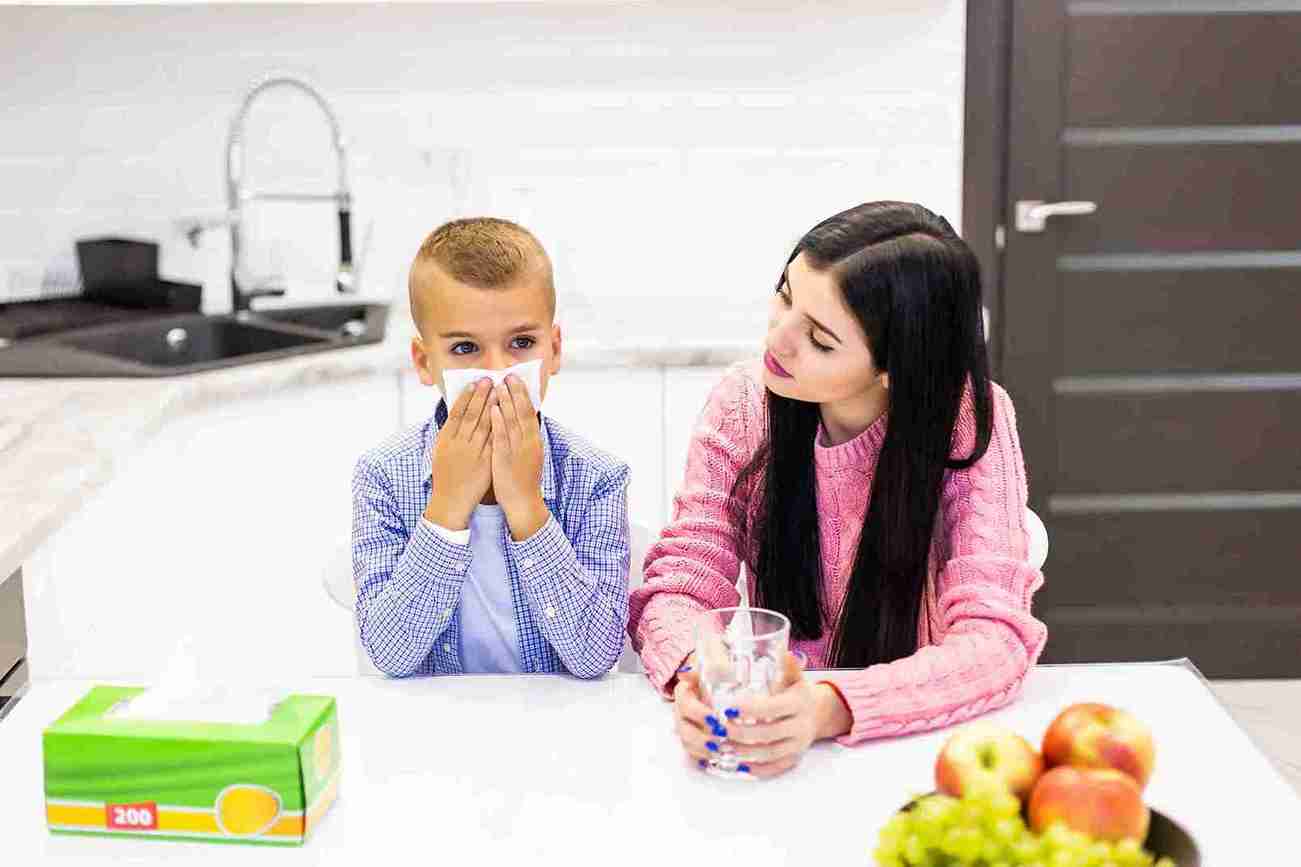
Some everyday habits can reduce the spread of infections, even though they cannot prevent every illness.
Helpful measures include:
● Regular handwashing with soap and water
● Covering coughs and sneezes with a tissue or elbow
● Avoiding sharing water bottles, utensils or food
● Keeping recommended vaccinations up to date
● Staying home when genuinely unwell
These habits can help reduce the spread of infections through close contact and shared objects.
For a simple cold, home care usually focuses on comfort and hydration.
You can:
● Offer plenty of fluids
● Encourage rest and regular sleep
● Use saline nasal drops or spray if needed for congestion
● Keep meals simple if appetite is reduced
● Monitor for fever, breathing difficulty or worsening symptoms
A child’s runny nose and cough may take time to settle, even after your child's energy and appetite begin to improve. Most uncomplicated colds improve without specific treatment.
For children under four, over-the-counter cough and cold medicines are generally not recommended. Between four and six years, use them only if advised by your child’s doctor.
Most colds improve with time, but certain symptoms need medical assessment.
Speak to a paediatrician if your child:
● Has difficulty breathing or is breathing much faster than usual
● Is unusually sleepy, weak or difficult to wake
● Is drinking poorly or passing much less urine
● Has a fever that is persistent or keeps coming back
● Has symptoms that are worsening instead of gradually improving
● Develops significant ear pain, chest pain or persistent vomiting
● Has a cough that is prolonged, severe or interfering with sleep and activity
Not every runny nose or cough is a simple cold. Some children have patterns that suggest allergies, asthma or recurrent ear or sinus problems.
Talk to your paediatrician if you notice:
● Frequent sneezing, itchy eyes or an itchy, runny nose without fever, especially in certain seasons or places
● Recurrent wheeze, night cough or cough with running, laughing or crying
● Repeated ear pain or hearing concerns, or nasal symptoms that persist without improvement
These patterns do not always mean a serious problem, but they are worth discussing so your child can get the right support.
Myth: Yellow or green nasal mucus always means a bacterial infection.
Fact: Mucus colour alone does not mean a child needs antibiotics. Viral colds can also cause yellow or green nasal discharge.
Myth: Antibiotics will speed up recovery from a cold.
Fact: Colds are caused by viruses, so antibiotics do not treat them. Antibiotics are used only when a bacterial infection is diagnosed.

The first few months of school can bring repeated sniffles and disruptions to familiar routines. Over time, parents often become better able to recognise which symptoms can be managed at home, when a child needs a day away from school and when medical advice is needed.
If the pattern of illness concerns you, a paediatrician can assess your child and advise whether further evaluation is needed.
Want to consult the Best Pediatrician in India? Please find the links below

Starting school increases a child's contact with other children and shared spaces, which can increase exposure to common respiratory and stomach infections. Developing hygiene habits can also make it harder to avoid every exposure.
Regular handwashing, good cough and sneeze habits, avoiding shared bottles or utensils, keeping vaccinations up to date and following school illness policies can help reduce the spread of infections.
A mild runny nose alone does not always mean a child needs to stay home. If your child is otherwise active, comfortable and able to participate normally, they may be well enough to attend, depending on the school's illness policy. Keep them home if they are clearly unwell or their symptoms are worsening.
Speak to a paediatrician if your child has breathing difficulty, poor fluid intake, unusual sleepiness, persistent or returning fever, worsening symptoms, significant pain or a cough that is severe or prolonged. Seek urgent care for severe breathing difficulty or if your child is difficult to wake or too weak to move normally.


 Best Gynecologists in Bellandur Best Gynecologists in Electronic City Best Gynecologists in HRBR LayoutBest Gynecologists in Jayanagar Best Gynecologists in Kanakapura RoadBest Gynecologists in Malleswaram Best Gynecologists in Nagarbhavi Best Gynecologists in Old Airport RoadBest Gynecologists in Sahakarnagar Best Gynecologists in Sarjapur RoadBest Gynecologists in ThanisandraBest Gynecologists in Varthur RoadBest Gynecologists in Whitefield Best Gynecologists in Industrial Area Phase IIBest Gynecologists in OMRBest Gynecologists in T NagarBest Gynecologists in New Industrial TownBest Gynecologists in IndirapuramBest Gynecologists in Golf Course RoadBest Gynecologists in Sector 14Best Gynecologists in Sector 47Best Gynecologists in Banjara HillsBest Gynecologists in GachibowliBest Gynecologists in Hitech CityBest Gynecologists in KompallyBest Gynecologists in Jawahar NagarBest Gynecologists in Gomti NagarBest Gynecologists in Phase 3, Sector 58Best Gynecologists in MaladBest Gynecologists in NerulBest Gynecologists in VashiBest Gynecologists in Kailash ColonyBest Gynecologists in PatparganjBest Gynecologists in Punjabi BaghBest Gynecologists in RohiniBest Gynecologists in VikaspuriBest Gynecologists in Gaur CityBest Gynecologists in Pari ChowkBest Gynecologists in Sector 51Best Gynecologists in Sector 5 Swastik ViharBest Gynecologists in Kalyani NagarBest Gynecologists in SB RoadBest Gynecologists in Pimple SaudagarBest Pediatricians in BellandurBest Pediatricians in Electronic CityBest Pediatricians in HRBR LayoutBest Pediatricians in JayanagarBest Pediatricians in Kanakapura RoadBest Pediatricians in MalleswaramBest Pediatricians in NagarbhaviBest Pediatricians in Old Airport RoadBest Pediatricians in SahakarnagarBest Pediatricians in Sarjapur RoadBest Pediatricians in ThanisandraBest Pediatricians in Varthur RoadBest Pediatricians in WhitefieldBest Pediatricians in Industrial Area Phase IIBest Pediatricians in OMRBest Pediatricians in T NagarBest Pediatricians in New Industrial TownshipBest Pediatricians in IndirapuramBest Pediatricians in Golf Course RoadBest Pediatricians in Sector 14Best Pediatricians in Sector 47Best Pediatricians in Hitech CityBest Pediatricians in Banjara HillsBest Pediatricians in GachibowliBest Pediatricians in KompallyBest Pediatricians in Jawahar NagarBest Pediatricians in Gomti NagarBest Pediatricians in Phase 3, Sector 58Best Pediatricians in MaladBest Pediatricians in NerulBest Pediatricians in VashiBest Pediatricians in Kailash ColonyBest Pediatricians in PatparganjBest Pediatricians in Punjabi BaghBest Pediatricians in RohiniBest Pediatricians in VikaspuriBest Pediatricians in Gaur CityBest Pediatricians in Pari ChowkBest Pediatricians in Sector 51Best Pediatricians in Sector 5 Swastik ViharBest Pediatricians in Kalyani NagarBest Pediatricians in SB RoadBest Pediatricians in Pimple Saudagar