
Watching one’s child fall sick from highly contagious diseases like Hand Foot Mouth Disease (HFMD) can be a worrisome experience. Often, parents are unprepared to deal with the sudden onset of symptoms or the discomfort they cause. In this article, we shall take an in-depth look at this disease. We shall shed light on what causes HFMD, the signs parents should watch out for and how it can be diagnosed and treated.
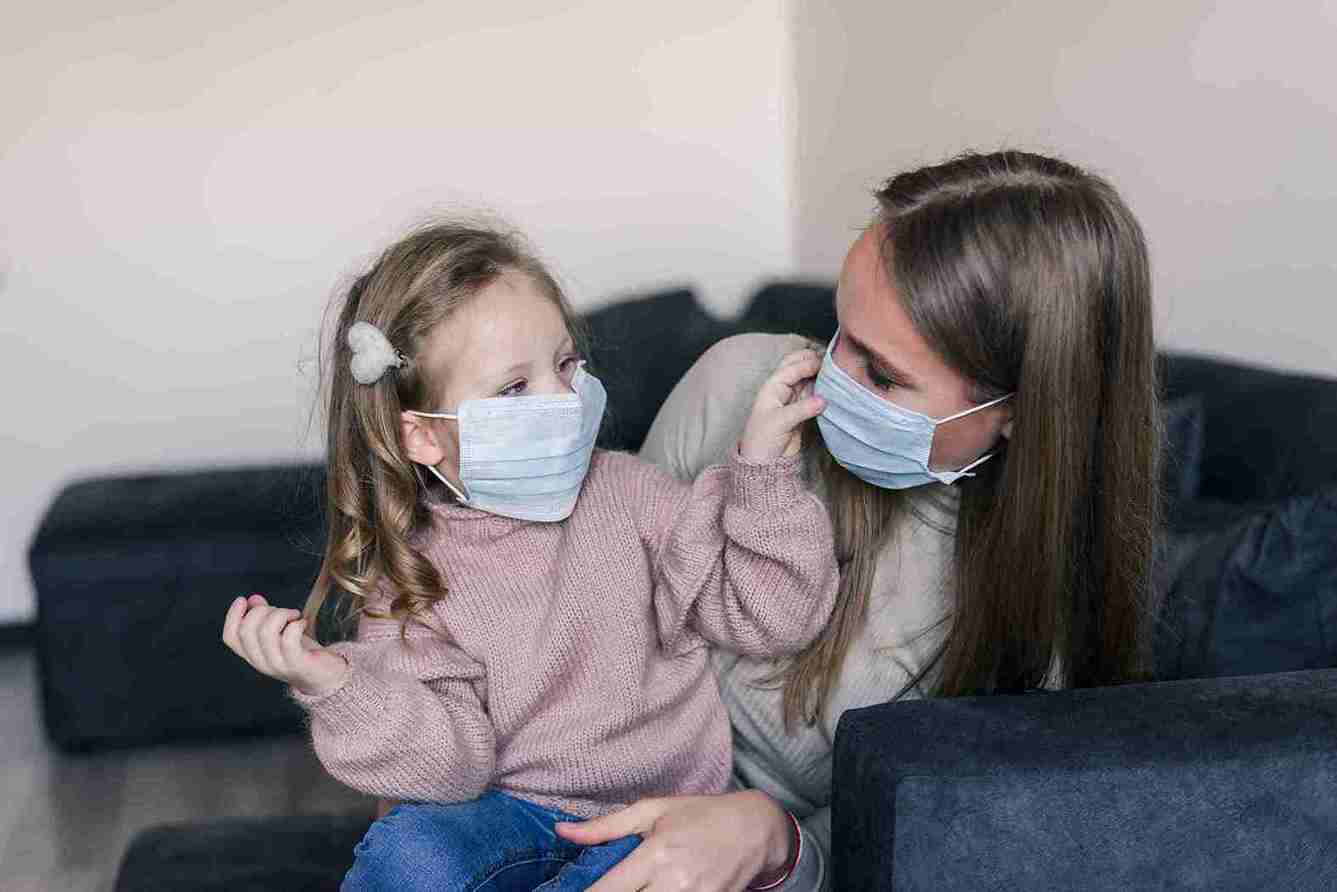
Hand, foot, and mouth disease (HFMD) is a highly contagious viral infection that usually affects very young kids under age 5. This disease is named for the blister-like rash that develops on the child’s hands and feet and the painful sores that form inside their mouths.
This contagious childhood illness is caused by viruses that belong to the enterovirus genus. A mild form of this disease is caused by Coxsackie virus A16, while the more severe cases are due to Enterovirus 71.
As stated earlier, Hand, Foot and Mouth Disease is a highly contagious disease. Kids usually get this from other kids while attending daycare, schools or other similar places. It can spread quite easily. This usually occurs when:
● A healthy person inhales airborne droplets that form after an infected person coughs or sneezes.
● Someone touches contaminated surfaces or objects (such as doorknobs, books, toys, etc.) that harbour the virus.
● There has been contact with the saliva or stool of an infected person.
● A healthy person hugs or kisses an infected child.
● Utensils, toys, plates, cups and other items are being shared.

Parents need to be very vigilant about their kids' health. HFMD can spread quickly, so the earlier the signs are recognised, the sooner it can be managed.
There are two stages for HFMD symptoms.
Initially, HFMD symptoms may resemble those of the flu. In the early stage, children with HFMD may experience:
● Fever
● Muscle aches
● Runny nose
● Sore throat
● Loss of appetite
● Stomachache
● Very young children may be more irritable or fussy than usual. They may even start drooling due to throat issues.
These symptoms usually last for just a couple of days.
Once the flu-like symptoms disappear, a new set of symptoms may arise. These include:
● Itchy rashes on your child’s palms, soles, elbows, knees, genitals or buttocks.
● Painful mouth sores can appear anywhere in or around the mouth, including the tongue. They often start as pink spots or bumps that turn into blisters.
● Swollen lymph nodes in the child’s neck.
For older kids, these symptoms may last for a week or 10 days. However, these symptoms may persist longer in kids under 2.
HFMD symptoms usually clear up on their own. However, in a few cases, the following complications may arise:
Kids with HFMD could end up being dehydrated since they may be unable to swallow liquids and eat food due to a sore throat and blisters in their mouth.
The virus that causes HFMD could affect fingernails and toenails. Though the nails may fall off, new ones will grow back in their place.
Viral meningitis and encephalitis are rare complications of HFMD. HFMD could lead to potentially fatal swelling of the brain and/or spinal cord membrane.
HFMD is usually quite easy to diagnose, especially when second-stage symptoms begin to appear. A doctor can confirm HFMD after examining the child’s hands and feet for blisters and the child for ulcers. Rarely are any lab tests ordered.
There really isn’t any HFMD treatment. This viral disease usually resolves on its own. Doctors will not prescribe antibiotics, as this disease is caused by a virus, not bacteria. For children with severe symptoms, like a very sore throat or high fever, mild medications may be prescribed. These usually include over-the-counter pain relievers or analgesics.
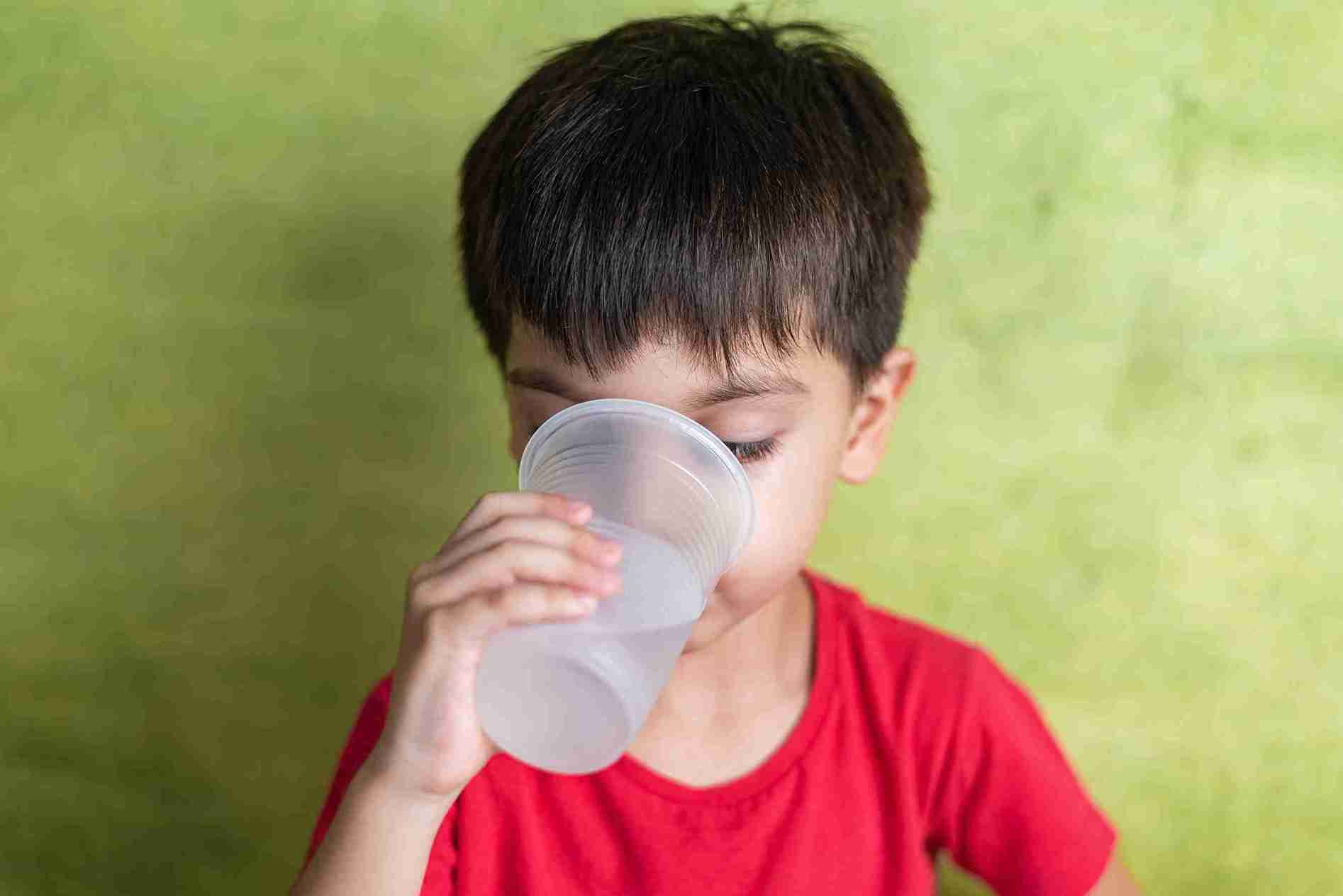
Here are a few home remedies that can help relieve the discomfort caused by HFMD:
● Try gargling with salt water to reduce sore throat pain.
● Avoid hot beverages and food. Drink cool liquids to soothe the mouth and throat.
● Drink plenty of water to avoid dehydration.
● Avoid spicy food, as that could aggravate the mouth ulcers.
HFMD usually affects just kids. However, it is possible for adults, especially the elderly or those with weak immune systems, cancer, etc., to get this viral disease. HFMD could cause complications for pregnant women, though this is thought to be quite rare. Adults with HFMD must avoid coming into contact with others since this is a contagious disease. The symptoms usually resolve on their own after a week or so.
HFMD rarely causes any sort of complications, and the symptoms usually go away on their own. However, it may be best to seek immediate medical help if:
● The child has already been diagnosed with a weak immune system.
● There are signs of the child being dehydrated, such as dry tongue, fatigue, etc.
● The child has had a fever for more than three days with no effect from medications.
● The symptoms don’t seem to be improving.
● The itching and blisters seem to be getting worse.
There are no vaccines to prevent the onset of HFMD. When cases of HFMD are reported in local schools or daycare centres, it is vital to adopt good hygiene measures to slow down the spread of the disease. This includes:
● Washing hands after coming into contact with other people, shared toys, etc.
● Disinfecting shared toys, books and surfaces that kids with HFMD may have touched.
● Wearing a mask, or coughing with the mouth covered by a handkerchief or elbow.
● Not sharing toys, utensils, books, hand soap, blankets, etc.
● Keeping healthy kids away from places that have had HFMD outbreaks recently.

Hand, foot and mouth disease is quite common in kids. Parents need to be aware of the symptoms to watch for and know what to do to keep their little ones safe and healthy. In case the kids do get HFMD, parents need to ensure they are kept comfortable and reach out to doctors in case there are signs of complications. With appropriate care, the symptoms will subside on their own.

Since HFMD is a highly contagious viral disease, kids usually catch it from other infected kids at school or similar places.
HFMD rash usually appears as small red blisters filled with fluid. These could be flat or raised, and are usually quite painful.
HFMD symptoms are usually mild, but, rarely, they could lead to dangerous conditions like viral meningitis and encephalitis.
Children with HFMD are highly contagious and need to stay away from school till symptoms disappear.







 Best Gynecologists in Bellandur Best Gynecologists in Electronic City Best Gynecologists in HRBR LayoutBest Gynecologists in Jayanagar Best Gynecologists in Kanakapura RoadBest Gynecologists in Malleswaram Best Gynecologists in Nagarbhavi Best Gynecologists in Old Airport RoadBest Gynecologists in Sahakarnagar Best Gynecologists in Sarjapur RoadBest Gynecologists in ThanisandraBest Gynecologists in Varthur RoadBest Gynecologists in Whitefield Best Gynecologists in Industrial Area Phase IIBest Gynecologists in OMRBest Gynecologists in T NagarBest Gynecologists in New Industrial TownBest Gynecologists in IndirapuramBest Gynecologists in Golf Course RoadBest Gynecologists in Sector 14Best Gynecologists in Sector 47Best Gynecologists in Banjara HillsBest Gynecologists in GachibowliBest Gynecologists in Hitech CityBest Gynecologists in KompallyBest Gynecologists in Jawahar NagarBest Gynecologists in Gomti NagarBest Gynecologists in Phase 3, Sector 58Best Gynecologists in MaladBest Gynecologists in NerulBest Gynecologists in VashiBest Gynecologists in Kailash ColonyBest Gynecologists in PatparganjBest Gynecologists in Punjabi BaghBest Gynecologists in RohiniBest Gynecologists in VikaspuriBest Gynecologists in Gaur CityBest Gynecologists in Pari ChowkBest Gynecologists in Sector 51Best Gynecologists in Sector 5 Swastik ViharBest Gynecologists in Kalyani NagarBest Gynecologists in SB RoadBest Gynecologists in Pimple SaudagarBest Pediatricians in BellandurBest Pediatricians in Electronic CityBest Pediatricians in HRBR LayoutBest Pediatricians in JayanagarBest Pediatricians in Kanakapura RoadBest Pediatricians in MalleswaramBest Pediatricians in NagarbhaviBest Pediatricians in Old Airport RoadBest Pediatricians in SahakarnagarBest Pediatricians in Sarjapur RoadBest Pediatricians in ThanisandraBest Pediatricians in Varthur RoadBest Pediatricians in WhitefieldBest Pediatricians in Industrial Area Phase IIBest Pediatricians in OMRBest Pediatricians in T NagarBest Pediatricians in New Industrial TownshipBest Pediatricians in IndirapuramBest Pediatricians in Golf Course RoadBest Pediatricians in Sector 14Best Pediatricians in Sector 47Best Pediatricians in Hitech CityBest Pediatricians in Banjara HillsBest Pediatricians in GachibowliBest Pediatricians in KompallyBest Pediatricians in Jawahar NagarBest Pediatricians in Gomti NagarBest Pediatricians in Phase 3, Sector 58Best Pediatricians in MaladBest Pediatricians in NerulBest Pediatricians in VashiBest Pediatricians in Kailash ColonyBest Pediatricians in PatparganjBest Pediatricians in Punjabi BaghBest Pediatricians in RohiniBest Pediatricians in VikaspuriBest Pediatricians in Gaur CityBest Pediatricians in Pari ChowkBest Pediatricians in Sector 51Best Pediatricians in Sector 5 Swastik ViharBest Pediatricians in Kalyani NagarBest Pediatricians in SB RoadBest Pediatricians in Pimple Saudagar


