
Pregnancy changes your body in ways you cannot always predict. Your blood pressure is one of them. Some women see their readings shoot up for the very first time during pregnancy. Others find their BP dropping lower than it ever has, enough to make them feel faint just walking to the kitchen.
Neither extreme is something to be taken lightly. Keeping a close eye on blood pressure in pregnancy is one of the most important things you and your doctor can do, right from that first antenatal visit. This guide explains what is actually happening, what to watch for, and when to pick up the phone and call your gynaecologist.
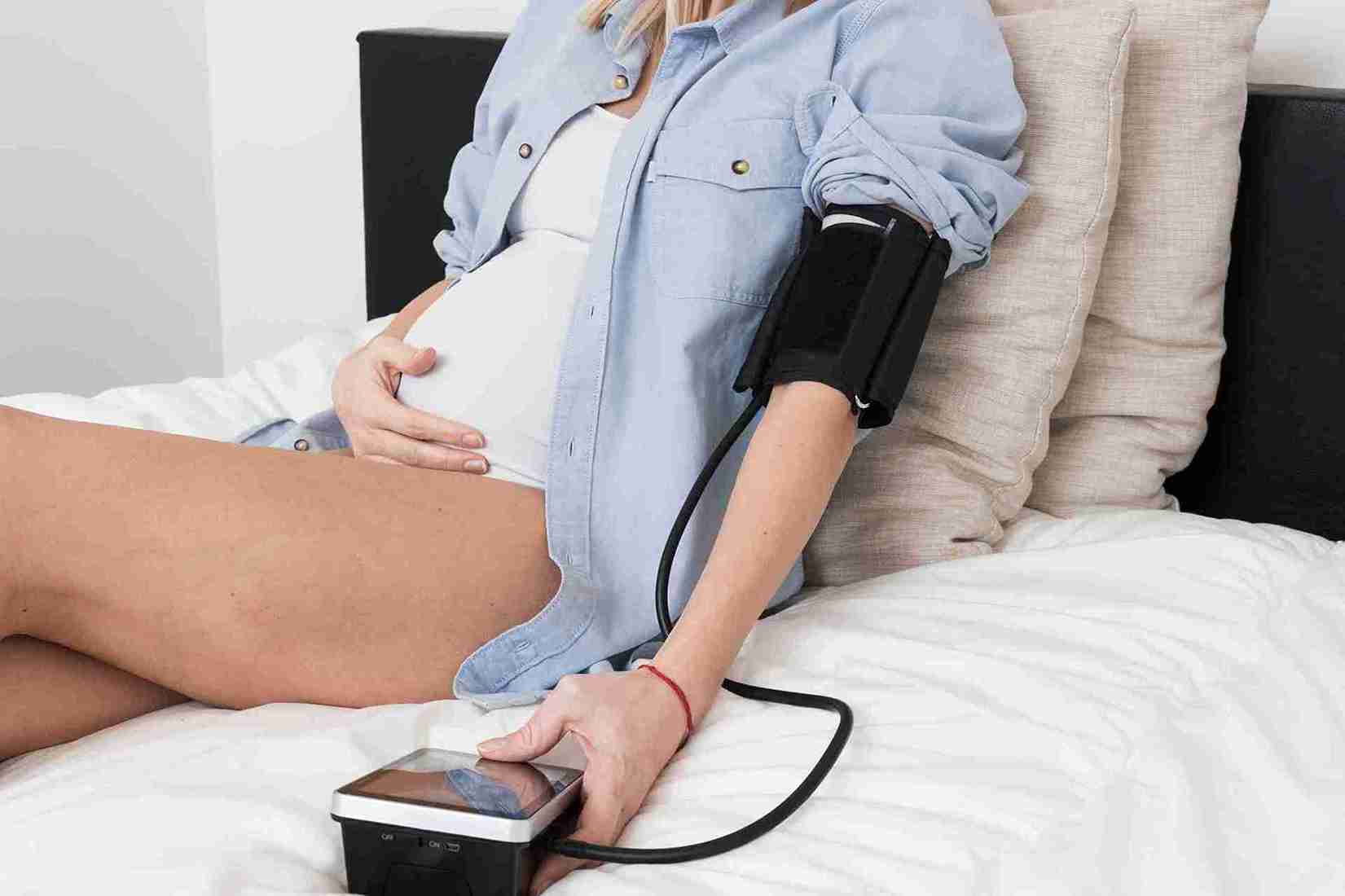
Your blood volume goes up by nearly 50 per cent during pregnancy. Your heart is working overtime to keep both you and your baby healthy. As a result, your blood pressure does not stay the same throughout the nine months.
For most women, blood pressure dips slightly during the first and second trimesters before gradually returning to normal as the due date approaches. That dip is normal. What is not normal is when it falls too far or rises too high and stays there.
A reading of 140/90 mmHg or above, measured on two separate occasions, is considered high. There are a few ways this can show up during pregnancy.
This develops after 20 weeks in women who had perfectly normal readings before pregnancy. It usually settles after delivery, but needs close watching until it does.
Pre-eclampsia is the one that doctors take very seriously. It combines high blood pressure with protein in the urine and sometimes visible swelling of the face and hands. It can move fast. Left unmanaged, it can progress to eclampsia, which involves seizures and is dangerous for both mother and baby. Women diagnosed with pre-eclampsia need close, regular monitoring.
Some women already have high blood pressure before they conceive. This is called chronic hypertension, and it needs careful management all the way through, not just in the later months.
This is where it gets important. High blood pressure narrows the blood vessels that supply the placenta. When that happens, placental blood flow drops, and the baby gets less oxygen and fewer nutrients than it needs.
Poor placental blood flow can mean the baby does not grow at the expected rate. It raises the risk of placental abruption, where the placenta separates from the uterine wall too soon. It can also lead to preterm birth. These are some complications that can occur when blood pressure is uncontrolled.
A severe headache that will not ease with rest
Blurred vision or flashing lights
Pain in the upper abdomen, particularly under the ribs on the right side
Sudden, noticeable swelling of the face, hands, or feet
Feeling confused or unusually unwell
Go to your hospital or call your doctor straight away if any of these appear. Do not wait it out.

Low BP often gets less attention than high BP, but it deserves a mention, too. It is actually more common in early pregnancy, when hormonal changes relax and widen blood vessels. A reading below 90/60 mmHg is generally considered low.
For many women, this causes nothing more than occasional dizziness or a slight wooziness after standing up too quickly. But when the drop is significant, it can reduce blood flow to the baby, which is why it should not be dismissed just because it feels minor.
The low blood pressure risk is higher for women carrying twins or more, those who are not drinking enough water, or those who spend long hours on their feet. Hot, humid weather, which is common across much of India, especially in summer, can make it worse.
Dizziness or lightheadedness, especially when you get up suddenly.
Fainting or nearly fainting.
Nausea and blurred vision together.
Skin that feels cold and clammy.
Simple measures go a long way here. Drink plenty of water, eat small and frequent meals, get up slowly from sitting or lying down, and lie on your left side when resting. These habits can significantly reduce the risk of low blood pressure that comes with early pregnancy.
When you put high vs low blood pressure side by side, the biggest difference is urgency. High blood pressure can escalate into a medical emergency, sometimes within hours. Low blood pressure is usually more gradual and manageable, though it still needs attention if symptoms are frequent.
With high BP, the stakes are higher. It hits placental blood flow hard and can spiral into situations where hospitalisation or an early delivery becomes the only safe option. Low BP rarely gets to that point. A few changes to what you eat and drink usually bring it under control, though it does need watching if symptoms keep coming back.
Bottom line: if your readings shift suddenly or something just feels wrong, tell your doctor. Pregnancy does a lot of strange things to your body, but unexplained BP changes are not something to chalk up to "just pregnancy".
High BP in pregnancy is not something you manage on your own. Your doctor will likely start with medications that are known to be safe during pregnancy. You may also be called in for check-ups more often than usual, and your baby's growth will be closely monitored through ultrasounds that assess placental blood flow. If things do not stabilise, delivering the baby earlier than planned sometimes becomes the safest call.
Low BP is a different story. It rarely needs medication. Drinking enough water throughout the day, eating something small every few hours rather than three big meals, and getting up slowly when you have been sitting or lying down for a while, these things genuinely help. If your doctor has suggested compression socks, wear them. Small as it sounds, it keeps blood from pooling in your legs and helps maintain steadier readings.

Your blood pressure will change during pregnancy. That is expected. What matters is knowing when those changes are within normal range and when they indicate that something needs attention. Show up to your antenatal appointments, ask questions, and trust your instincts. If something feels off, say so. No concern is too small when you are pregnant, and timely intervention can save not one but two lives.

Yes, it is. Progesterone relaxes the walls of blood vessels in early pregnancy, leading to a fall in BP. Most women notice it most in the first and second trimesters. It usually corrects itself by the third trimester. That said, if you are frequently dizzy, fainting, or feeling unusually weak, mention it to your obstetrician rather than assuming it will pass.
To manage high BP, fill your plate with fruits, vegetables, and whole grains, and cut back on salt and packaged foods. For low BP, eat small meals more often and stay well hydrated. Potassium-rich foods like bananas and sweet potatoes help, as do folate-rich options like dal and leafy greens. Always check with your doctor before making major dietary changes during pregnancy.
It can, yes. High blood pressure reduces placental blood flow, which reduces the oxygen and nutrients the baby receives. This can lead to slow fetal growth, preterm birth, or, in more serious situations, placental abruption. Conditions like pre-eclampsia can develop quickly and put both mother and baby at risk, which is why regular monitoring matters so much.
Occasional dizziness, particularly in the first trimester, is very common. Standing up too fast, skipping meals, or being on your feet for too long can all trigger it. Drinking enough water and eating regularly usually helps. But if the dizziness is happening often, comes with blurred vision, or leads to fainting, get it checked. It may indicate a larger drop in blood pressure than is considered safe.







 Best Gynecologists in Bellandur Best Gynecologists in Electronic City Best Gynecologists in HRBR LayoutBest Gynecologists in Jayanagar Best Gynecologists in Kanakapura RoadBest Gynecologists in Malleswaram Best Gynecologists in Nagarbhavi Best Gynecologists in Old Airport RoadBest Gynecologists in Sahakarnagar Best Gynecologists in Sarjapur RoadBest Gynecologists in ThanisandraBest Gynecologists in Varthur RoadBest Gynecologists in Whitefield Best Gynecologists in Industrial Area Phase IIBest Gynecologists in OMRBest Gynecologists in T NagarBest Gynecologists in New Industrial TownBest Gynecologists in IndirapuramBest Gynecologists in Golf Course RoadBest Gynecologists in Sector 14Best Gynecologists in Sector 47Best Gynecologists in Banjara HillsBest Gynecologists in GachibowliBest Gynecologists in Hitech CityBest Gynecologists in KompallyBest Gynecologists in Gomti NagarBest Gynecologists in MaladBest Gynecologists in NerulBest Gynecologists in VashiBest Gynecologists in Kailash ColonyBest Gynecologists in PatparganjBest Gynecologists in Punjabi BaghBest Gynecologists in VikaspuriBest Gynecologists in Gaur CityBest Gynecologists in Pari ChowkBest Gynecologists in Sector 51Best Gynecologists in Sector 5 Swastik ViharBest Gynecologists in Kalyani NagarBest Gynecologists in SB RoadBest Gynecologists in Pimple SaudagarBest Pediatricians in BellandurBest Pediatricians in Electronic CityBest Pediatricians in HRBR LayoutBest Pediatricians in JayanagarBest Pediatricians in Kanakapura RoadBest Pediatricians in MalleswaramBest Pediatricians in NagarbhaviBest Pediatricians in Old Airport RoadBest Pediatricians in SahakarnagarBest Pediatricians in Sarjapur RoadBest Pediatricians in ThanisandraBest Pediatricians in Varthur RoadBest Pediatricians in WhitefieldBest Pediatricians in Industrial Area Phase IIBest Pediatricians in OMRBest Pediatricians in T NagarBest Pediatricians in New Industrial TownshipBest Pediatricians in IndirapuramBest Pediatricians in Golf Course RoadBest Pediatricians in Sector 14Best Pediatricians in Sector 47Best Pediatricians in Hitech CityBest Pediatricians in Banjara HillsBest Pediatricians in GachibowliBest Pediatricians in KompallyBest Pediatricians in Gomti NagarBest Pediatricians in MaladBest Pediatricians in NerulBest Pediatricians in VashiBest Pediatricians in Kailash ColonyBest Pediatricians in PatparganjBest Pediatricians in Punjabi BaghBest Pediatricians in VikaspuriBest Pediatricians in Gaur CityBest Pediatricians in Pari ChowkBest Pediatricians in Sector 51Best Pediatricians in Sector 5 Swastik ViharBest Pediatricians in Kalyani NagarBest Pediatricians in SB RoadBest Pediatricians in Pimple Saudagar


