
Despite its name, morning sickness doesn’t only occur in the morning. Many women experience nausea at different times of the day, and for some, it’s actually worse later in the day or even at night. Many women experience morning sickness in the evening, or dealing with evening sickness in pregnancy can feel confused; however, both are common and completely normal.
Pregnancy-related nausea is influenced by hormones, diet, fatigue, and individual body responses, which means its timing can vary widely. While the term “morning sickness” has stuck over time, it doesn’t accurately reflect how symptoms show up for everyone. Understanding why nausea happens at night and how to manage it can help make this phase more comfortable and less stressful.

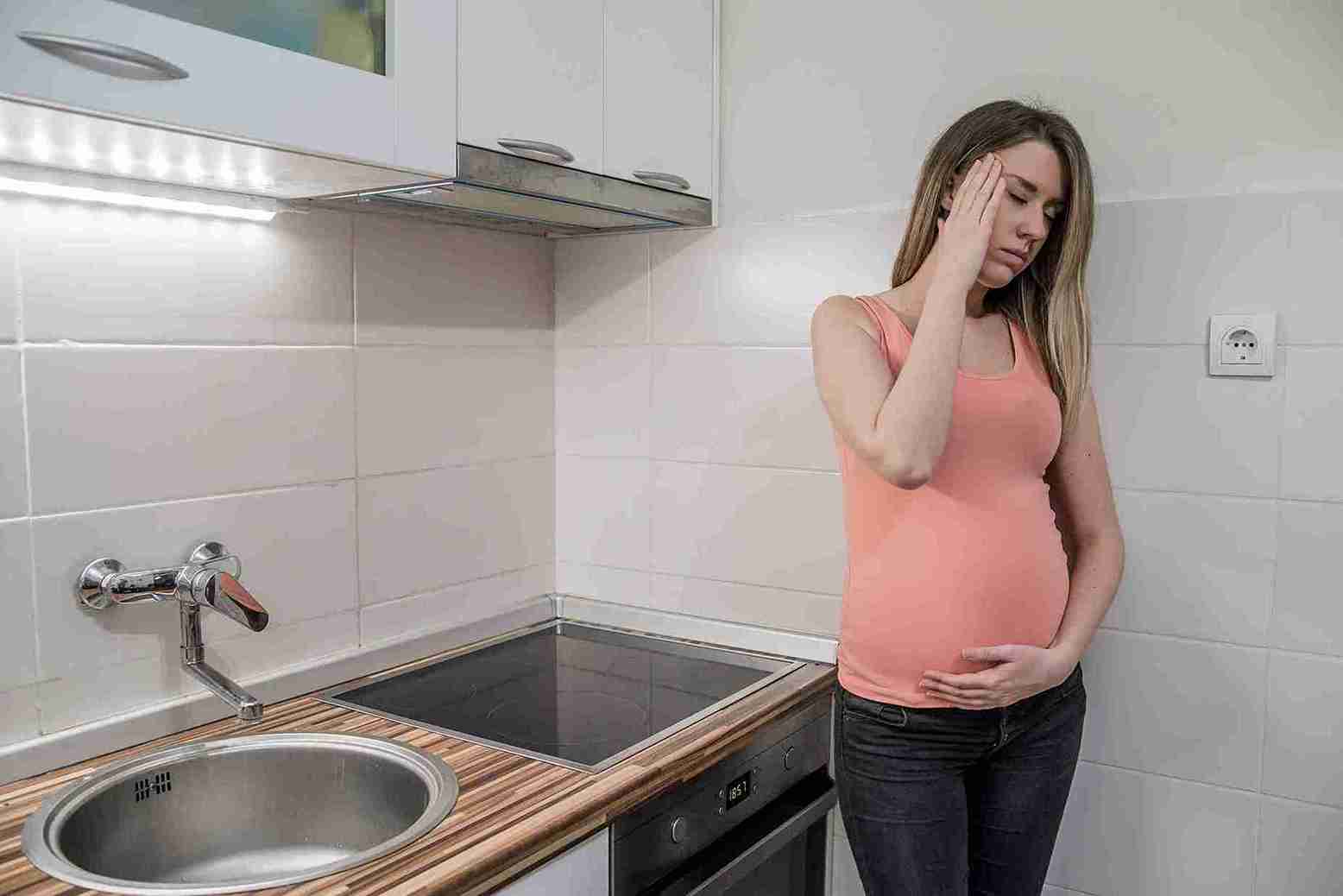
Yes, morning sickness can happen during nighttime. While many women may suffer from mild morning sickness in the mornings but severe sickness in the evenings, there may be some other women who won't get morning sickness at all but will feel nauseous at night only.
Every pregnancy is different. The intensity, timing, and triggers of nausea can vary from person to person. So if you’re experiencing nausea at night instead of the morning, it’s still considered a normal part of pregnancy.
A surge in pregnancy hormones like hCG (Human Chorionic Gonadotropin), estrogen, and progesterone during the initial weeks is responsible for causing nausea.
Long gaps between meals can worsen nausea. By evening, if you haven’t eaten regularly, low blood sugar levels can trigger queasiness or vomiting.
After a long day, tiredness is normal. Tiredness can make nausea more severe for pregnant women.
Certain foods, such as spicy, fatty, and greasy foods, could be responsible for causing nausea in some pregnant women. Even strong cooking smells might worsen your symptoms.
Eating and then lying down can cause nausea. Lying down causes nausea by slowing down the digestive process.

The evening sickness in the first trimester of pregnancy is common. During this phase, hormone levels are at their highest, making nausea more noticeable. Although most women assume the symptom occurs in the morning, however, they can develop throughout the day, peaking in the evening. This period is difficult to endure, yet it gets better with time and the body's adjustment to hormonal changes.
Experiencing nausea at night in early pregnancy can be one of the first signs of pregnancy. In some cases, it may begin even before a missed period. The symptoms are typically mild to moderate in the beginning but can vary in intensity.
Nighttime nausea in early pregnancy is often linked to hormonal shifts and sensitivity to smells or foods. While it can feel uncomfortable, it is generally not a cause of concern.
Yes, having morning sickness only in the evening is completely normal. The term “morning sickness” is misleading, as it doesn’t account for how differently symptoms can appear.
The timing of nausea has no connection to the health of the pregnancy or the baby. It also does not indicate gender or any complications. Each body responds uniquely to pregnancy hormones, and variations in symptom timing are expected.
Evening or nighttime pregnancy sickness can include:
These symptoms may intensify as the day progresses and can sometimes interfere with sleep.
Try not to have long intervals between your meals. Consuming small portions after every two or three hours can assist in maintaining balanced blood sugar levels.
Go for foods that are easily digested by your body, such as toast, rice, banana, or khichdi. Such foods do not irritate your stomach.
Try drinking water, coconut water, or any other clear fluid to avoid dehydration, which can lead to increased nausea.
Foods that are high in spices, oil, and smell may cause irritation to your stomach and increase nausea.
Using remedies that include ginger tea or lemon water can be useful to reduce nausea.
Try to remain in an upright position for some time (minimum 30 minutes) after having your food to avoid acid reflux.
Prenatal vitamins can sometimes cause nausea during pregnancy. Try taking these vitamins at other times.

Although feeling mild to moderate nausea can be considered normal, you must seek help if you have:
In rare cases, severe nausea and vomiting may indicate a condition called hyperemesis gravidarum, which requires medical attention and proper treatment.
Cloudnine is a leader in women’s healthcare, offering comprehensive care throughout pregnancy with a strong focus on comfort, safety, and personalised support. With experienced specialists, advanced medical infrastructure, and a patient-first approach, Cloudnine ensures that every stage of pregnancy is carefully monitored and managed. From early symptoms like nausea to more complex concerns, the team provides expert guidance, tailored treatment plans, and continuous support to help individuals navigate their pregnancy journey with confidence.
Morning sickness isn’t limited to the morning, it can occur at any time, including at night. Experiencing evening sickness in pregnancy or feeling nauseous later in the day is a common and normal part of early pregnancy. Understanding the causes and adopting simple lifestyle adjustments can make a significant difference in managing symptoms. While most cases are mild and temporary, seeking medical advice when symptoms become severe is important. With the right care and support, this phase can be managed effectively, ensuring a healthier and more comfortable pregnancy experience.

Want to consult the best gynecologists in India? Please find the links below.
Want to consult the best Maternity Packages in India? Please find the links below.

There are many reasons why a woman becomes more nauseated at night when she is pregnant, such as fatigue, low blood sugar, hormonal changes, and more.
Nausea can be controlled but not cured by eating small, regular meals, drinking fluids, avoiding triggers, and using natural remedies.
It usually improves after the first trimester (around 12–14 weeks), though this can vary.
This may be due to accumulated fatigue, dietary habits, or how your body responds to hormones later in the day.







 Best Gynecologists in Bellandur Best Gynecologists in Electronic City Best Gynecologists in HRBR LayoutBest Gynecologists in Jayanagar Best Gynecologists in Kanakapura RoadBest Gynecologists in Malleswaram Best Gynecologists in Nagarbhavi Best Gynecologists in Old Airport RoadBest Gynecologists in Sahakarnagar Best Gynecologists in Sarjapur RoadBest Gynecologists in ThanisandraBest Gynecologists in Varthur RoadBest Gynecologists in Whitefield Best Gynecologists in Industrial Area Phase IIBest Gynecologists in OMRBest Gynecologists in T NagarBest Gynecologists in New Industrial TownBest Gynecologists in IndirapuramBest Gynecologists in Golf Course RoadBest Gynecologists in Sector 14Best Gynecologists in Sector 47Best Gynecologists in Banjara HillsBest Gynecologists in GachibowliBest Gynecologists in Hitech CityBest Gynecologists in KompallyBest Gynecologists in Gomti NagarBest Gynecologists in MaladBest Gynecologists in NerulBest Gynecologists in VashiBest Gynecologists in Kailash ColonyBest Gynecologists in PatparganjBest Gynecologists in Punjabi BaghBest Gynecologists in VikaspuriBest Gynecologists in Gaur CityBest Gynecologists in Pari ChowkBest Gynecologists in Sector 51Best Gynecologists in Sector 5 Swastik ViharBest Gynecologists in Kalyani NagarBest Gynecologists in SB RoadBest Gynecologists in Pimple SaudagarBest Pediatricians in BellandurBest Pediatricians in Electronic CityBest Pediatricians in HRBR LayoutBest Pediatricians in JayanagarBest Pediatricians in Kanakapura RoadBest Pediatricians in MalleswaramBest Pediatricians in NagarbhaviBest Pediatricians in Old Airport RoadBest Pediatricians in SahakarnagarBest Pediatricians in Sarjapur RoadBest Pediatricians in ThanisandraBest Pediatricians in Varthur RoadBest Pediatricians in WhitefieldBest Pediatricians in Industrial Area Phase IIBest Pediatricians in OMRBest Pediatricians in T NagarBest Pediatricians in New Industrial TownshipBest Pediatricians in IndirapuramBest Pediatricians in Golf Course RoadBest Pediatricians in Sector 14Best Pediatricians in Sector 47Best Pediatricians in Hitech CityBest Pediatricians in Banjara HillsBest Pediatricians in GachibowliBest Pediatricians in KompallyBest Pediatricians in Gomti NagarBest Pediatricians in MaladBest Pediatricians in NerulBest Pediatricians in VashiBest Pediatricians in Kailash ColonyBest Pediatricians in PatparganjBest Pediatricians in Punjabi BaghBest Pediatricians in VikaspuriBest Pediatricians in Gaur CityBest Pediatricians in Pari ChowkBest Pediatricians in Sector 51Best Pediatricians in Sector 5 Swastik ViharBest Pediatricians in Kalyani NagarBest Pediatricians in SB RoadBest Pediatricians in Pimple Saudagar


