
When conception is not happening as quickly as hoped, most couples begin examining everything. Diet, stress, sleep, timing. Exercise often comes up too, but usually with a question mark attached. Is it helping? Is it hurting? Should there be more of it or less?
The honest answer is that exercise has a genuinely meaningful relationship with fertility, in both men and women, but the relationship is not as straightforward as more is better. The type of exercise, the intensity, the frequency, and the body it is happening in all determine whether physical activity supports conception or works against it. Here is what the research actually says, and what it means practically.
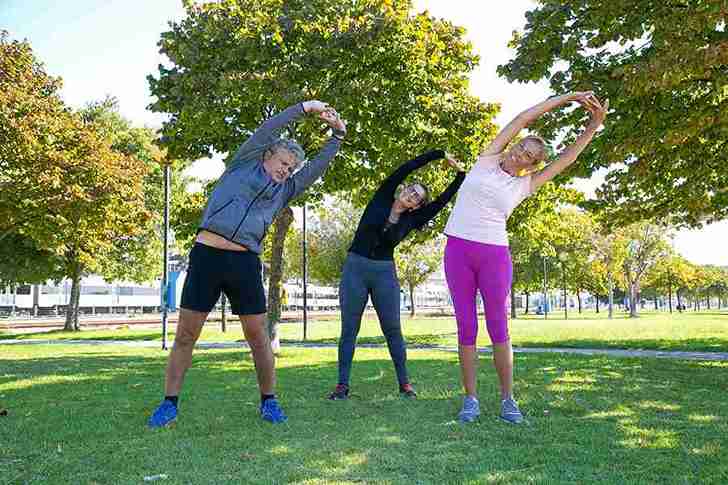
Fertility is hormonal at its core. The sequence of events that leads to ovulation in women, and to healthy sperm production in men, depends on a carefully balanced hormonal environment. Regular moderate exercise improves insulin sensitivity, which is particularly relevant for women with PCOS, one of the most common causes of ovulatory infertility. It reduces systemic inflammation, which can interfere with implantation and early pregnancy. It supports a healthy body weight, and both being significantly underweight and overweight are known to disrupt reproductive hormones. It also lowers cortisol over time, and chronic stress with elevated cortisol is a recognised suppressor of reproductive function.
In men, regular moderate exercise is linked to better sperm quality, including higher sperm count, improved motility, and better sperm morphology. Sedentary behaviour, on the other hand, is associated with higher scrotal temperatures from prolonged sitting and lower overall sperm parameters. Physical activity affects fertility through all of these pathways, which is why the recommendation is to exercise in the right way.
Walking, swimming, cycling at a comfortable pace, and light jogging are among the most consistently recommended workouts to improve the chances to conceive. Thirty minutes most days improves cardiovascular health, supports insulin regulation, and aids weight management without placing excessive physiological stress on the body. For women with PCOS specifically, even a modest increase in regular physical activity, without dramatic weight loss, has been shown to restore more regular ovulation. The mechanism is largely through improved insulin sensitivity, which reduces the elevated androgens that disrupt ovulation in PCOS.
Studies have found that yoga reduces cortisol, lowers anxiety, and improves hormonal balance. For women navigating fertility treatment, yoga-based stress reduction programmes have been associated with better outcomes. Fertility-focused yoga sequences typically emphasise gentle hip-opening poses, restorative postures, and breathwork. They are not vigorous, and they are not intended to be. The benefit lies in nervous system regulation, not in caloric expenditure.
Light to moderate strength training, bodyweight exercises, resistance band work, and moderate weight training support muscle mass, improve insulin sensitivity, and help with body composition in ways that benefit fertility. The keyword is moderate. Two to three sessions per week of non-exhausting resistance work is appropriate for most people trying to conceive.
One of the clearest patterns in the research is that consistency matters more than intensity. A person who walks 45 minutes every day is likely doing more for their fertility than someone who does two intense gym sessions a week and is otherwise sedentary. Regular, sustained, moderate workout for fertility creates a hormonal environment that is more consistently supportive of reproduction.

This is where the conversation gets more nuanced and where many people are surprised. High-intensity training, particularly when sustained at high volume, can significantly suppress reproductive hormones. In women, excessive exercise is a recognised cause of hypothalamic amenorrhoea, a condition where the menstrual cycle stops entirely because the body perceives an energy deficit and deprioritises reproduction. This is seen most often in female athletes, marathon runners, and women who train intensively in CrossFit or similar formats. Women who combine high-intensity exercise with undereating are particularly vulnerable, and the fertility consequence can be significant and take months to reverse after training is reduced.
Prolonged cycling, particularly on narrow saddles, has been associated with reduced sperm quality in some studies. The likely mechanism involves a combination of scrotal heat, pressure on the perineum, and vibration over extended periods. This does not mean men trying to conceive should avoid cycling entirely, but long-distance or very frequent cycling is worth discussing with a fertility specialist if sperm quality is already a concern.
When the body is under significant physical stress, recovery demands increase, and the hormonal environment shifts in ways that do not favour reproduction. Elevated cortisol from training that the body has not recovered from, disrupted sleep from overtraining, and the immune suppression that follows very intense training all reduce fertility in measurable ways.
For men, especially, elevated scrotal temperature reduces sperm quality. Exercising intensively in very hot conditions or sitting in a sauna immediately after a workout raises testicular temperature in ways that affect the sperm being produced over the following weeks. Sperm take roughly 72 days to mature, which means that exposure to temperature today affects sperm quality two to three months from now.

The practical answer for most people trying to conceive is 150 minutes of moderate physical activity per week. This is consistent with general health recommendations and represents the range at which exercise reliably supports rather than disrupts hormonal balance. To boost fertility naturally through exercise, the goal is a body that feels energised and well-rested more days than not, not a body that is constantly in recovery mode.
Exercise is not a fertility treatment, but it is a meaningful contributor to the conditions in which fertility thrives. The couples most likely to benefit are those who move regularly, keep intensity sensible, manage stress, and give their bodies adequate rest. Small, consistent habits built over weeks and months do more for reproductive health than intense short-term efforts.

Want to consult the best gynecologists in India? Please find the links below.
Want to consult the best Maternity Packages in India? Please find the links below.

Fertility-focused programmes do exist and typically combine moderate aerobic exercise, gentle yoga, and stress reduction techniques. In India, several fertility clinics and wellness centres offer structured programmes for women undergoing IVF or trying to conceive naturally. The core of any workouts to improve fertility involves moderate, consistent activity rather than high-intensity training. A fertility specialist or physiotherapist can help design something appropriate for individual health conditions and treatment plans.
Yes, it can. Excessive high-intensity training, particularly combined with undereating, can suppress reproductive hormones in women and cause the menstrual cycle to stop. In men, overtraining raises cortisol, reduces testosterone, and can affect sperm quality. The effect of physical activity on fertility depends significantly on the dose. The research consistently shows that moderate, regular exercise supports fertility, while extreme exercise volumes work against it.
Around 150 minutes of moderate physical activity per week is the consistently recommended amount for most people trying to conceive. This can be broken into 30-minute sessions most days. The intensity should feel comfortable, not exhausting, and recovery should feel complete before the next session. This level of activity supports insulin sensitivity, healthy weight, hormonal balance, and reduced inflammation, all of which directly contribute to a better environment for conception.
Yes, in both. In women, regular moderate exercise improves insulin sensitivity, supports ovulation, especially in PCOS, reduces stress hormones, and helps maintain a healthy weight. In men, regular physical activity is linked to better sperm count, motility, and morphology compared to sedentary individuals. The workout for fertility that works best for both is consistent, moderate, and balanced with adequate rest rather than high-intensity and exhausting.







 Best Gynecologists in Bellandur Best Gynecologists in Electronic City Best Gynecologists in HRBR LayoutBest Gynecologists in Jayanagar Best Gynecologists in Kanakapura RoadBest Gynecologists in Malleswaram Best Gynecologists in Nagarbhavi Best Gynecologists in Old Airport RoadBest Gynecologists in Sahakarnagar Best Gynecologists in Sarjapur RoadBest Gynecologists in ThanisandraBest Gynecologists in Varthur RoadBest Gynecologists in Whitefield Best Gynecologists in Industrial Area Phase IIBest Gynecologists in OMRBest Gynecologists in T NagarBest Gynecologists in New Industrial TownBest Gynecologists in IndirapuramBest Gynecologists in Golf Course RoadBest Gynecologists in Sector 14Best Gynecologists in Sector 47Best Gynecologists in Banjara HillsBest Gynecologists in GachibowliBest Gynecologists in Hitech CityBest Gynecologists in KompallyBest Gynecologists in Gomti NagarBest Gynecologists in MaladBest Gynecologists in NerulBest Gynecologists in VashiBest Gynecologists in Kailash ColonyBest Gynecologists in PatparganjBest Gynecologists in Punjabi BaghBest Gynecologists in VikaspuriBest Gynecologists in Gaur CityBest Gynecologists in Pari ChowkBest Gynecologists in Sector 51Best Gynecologists in Sector 5 Swastik ViharBest Gynecologists in Kalyani NagarBest Gynecologists in SB RoadBest Gynecologists in Pimple SaudagarBest Pediatricians in BellandurBest Pediatricians in Electronic CityBest Pediatricians in HRBR LayoutBest Pediatricians in JayanagarBest Pediatricians in Kanakapura RoadBest Pediatricians in MalleswaramBest Pediatricians in NagarbhaviBest Pediatricians in Old Airport RoadBest Pediatricians in SahakarnagarBest Pediatricians in Sarjapur RoadBest Pediatricians in ThanisandraBest Pediatricians in Varthur RoadBest Pediatricians in WhitefieldBest Pediatricians in Industrial Area Phase IIBest Pediatricians in OMRBest Pediatricians in T NagarBest Pediatricians in New Industrial TownshipBest Pediatricians in IndirapuramBest Pediatricians in Golf Course RoadBest Pediatricians in Sector 14Best Pediatricians in Sector 47Best Pediatricians in Hitech CityBest Pediatricians in Banjara HillsBest Pediatricians in GachibowliBest Pediatricians in KompallyBest Pediatricians in Gomti NagarBest Pediatricians in MaladBest Pediatricians in NerulBest Pediatricians in VashiBest Pediatricians in Kailash ColonyBest Pediatricians in PatparganjBest Pediatricians in Punjabi BaghBest Pediatricians in VikaspuriBest Pediatricians in Gaur CityBest Pediatricians in Pari ChowkBest Pediatricians in Sector 51Best Pediatricians in Sector 5 Swastik ViharBest Pediatricians in Kalyani NagarBest Pediatricians in SB RoadBest Pediatricians in Pimple Saudagar


