
There is a point in pregnancy, usually somewhere around the fourth or fifth month, when getting comfortable in bed is not assured. You shift to the left, the back starts to pull. You try the right, the belly feels unsupported. You attempt lying flat for just a few minutes, and almost immediately, something feels off. For many women across India, this becomes a nightly routine that grows more frustrating with each passing week.
What makes it harder is that sleep during pregnancy is not a luxury. It directly supports fetal development, helps keep blood pressure steady, maintains immunity, and shapes how a woman feels and functions through the day. So when sleep becomes difficult, the impact goes beyond tiredness. Finding the right position is not just about comfort. At a certain point in the pregnancy, it genuinely matters for the baby's wellbeing too.

During the first trimester, most women have reasonable flexibility in how they sleep. The uterus is still compact, and even stomach sleeping is generally fine for a while. That changes as the months go on.
Once the pregnancy crosses 20 weeks, the growing uterus can begin pressing on major blood vessels, including the inferior vena cava and the aorta, disrupting blood flow to both the heart and the baby. The spine, the digestive system, and the surrounding muscles all start to feel the shift in weight and centre of gravity. This is the stage where sleeping habits that worked before need to be revisited.
Ask any obstetrician in India or elsewhere, and they will likely point to the same answer: sleeping on the left side is the recommended position, particularly from the second trimester onwards. There is a reason doctors keep coming back to this recommendation. Sleeping on the left side genuinely supports the body in ways that matter. Left side sleeping benefits include better blood flow to the baby and vital organs, a steady supply of oxygen and nutrients, and reduced swelling in the legs and feet. The kidneys also function better in this position, helping manage fluid buildup, which becomes a growing concern in the later months.
Many women also ask whether the right side is dangerous. In short, it is not. The right side is generally acceptable, though some studies suggest it may place slightly more pressure on the liver. Left side sleeping benefits are more pronounced, so making the left side your default start position each night is the practical approach. If you wake up on the right, simply roll over and go back to sleep. Your body will often shift on its own through the night, and that is perfectly normal.

This is the adjustment that many women find hardest, particularly those who have been back sleepers for years. The body is used to it, it feels natural, and it can take real effort to break the habit. But the reason behind the advice is worth understanding. When a pregnant woman lies flat on her back, the combined weight of the baby and uterus presses on the main blood vessels, which can restrict blood and oxygen from reaching the baby and placenta. For the mother, this can manifest as dizziness, breathlessness, or a sudden, uncomfortable feeling that many women instinctively recognise and respond to.
The risks of sleeping on back grow more serious as the pregnancy advances. Research has linked back sleeping in late pregnancy, particularly after 28 weeks, with a higher risk of stillbirth and low birth weight. On top of fetal concerns, back sleeping also puts added strain on the spine and back muscles, worsening lower back pain, and may raise the risk of sleep apnea. One thing worth saying clearly: if you wake up on your back, do not panic. It is common to shift positions during the night without realising it. What matters most is starting each sleep session on your side. Research shows that people who begin the night on their side spend significantly less total time on their back overall. That simple habit goes a long way.
Once the position is sorted, the next challenge is staying comfortable enough to actually hold it through the night. That is where pillow placement for pregnant women makes a real difference.
For women who would rather not juggle four separate pillows, C-shaped and U-shaped pregnancy pillows are easy to find in Indian maternity stores and online. They wrap around the body and take care of most pressure points in one go. That said, a few regular pillows from home arranged thoughtfully work just as well for many women. The goal either way is the same: the body should feel held, not strained, from the hips to the shoulders.
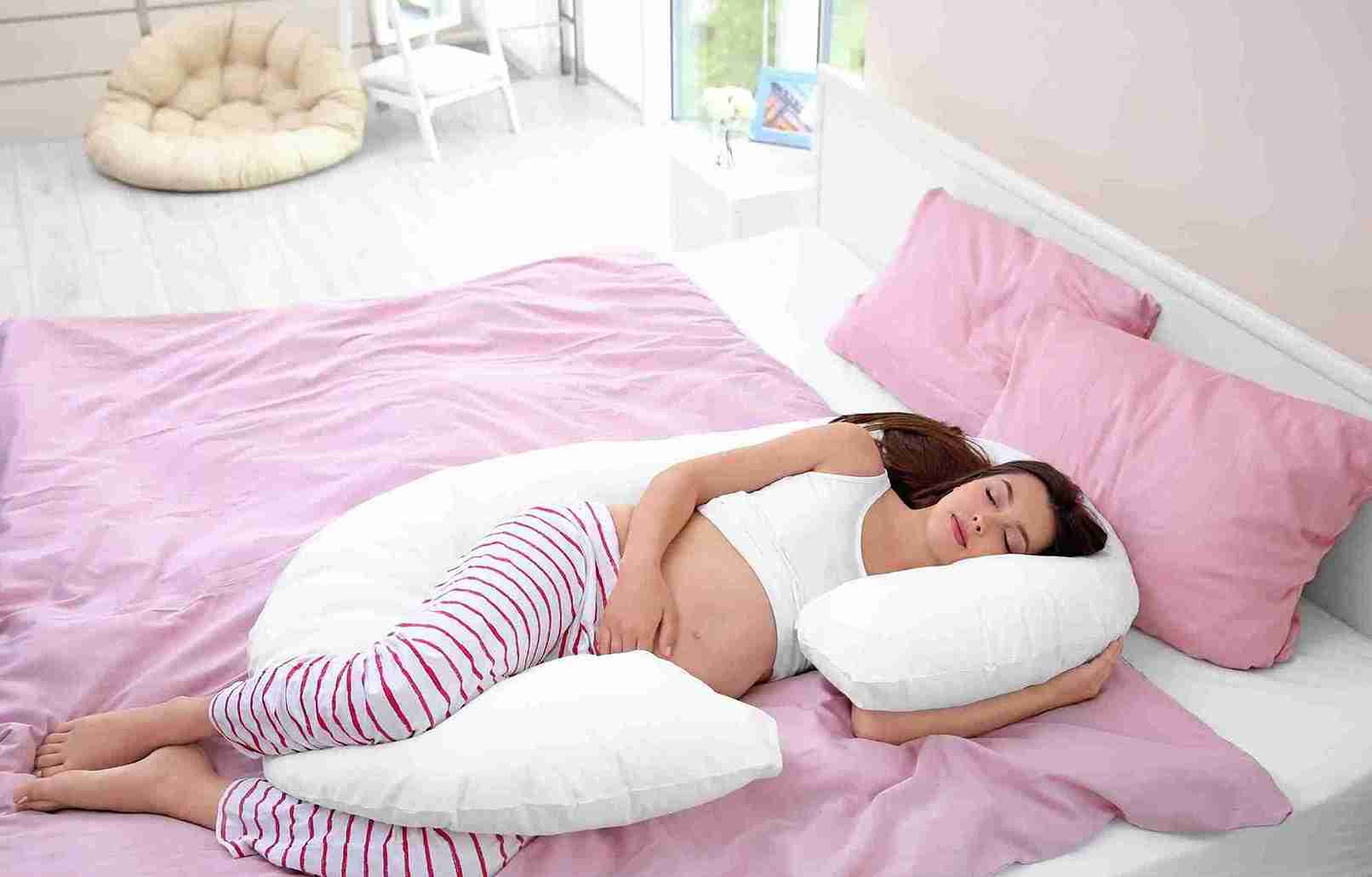
Position and pillow support aside, a few small habits make a real difference to how well a pregnant woman actually sleeps.
Sleep during pregnancy is something the body genuinely needs, not just for the mother's sake but for the baby growing inside her. The shift to side sleeping, the extra pillows, and the small adjustments to routine are all practical, evidence-backed changes that make pregnancy safer and more manageable. It may take a few nights to find what works, but most women do settle into a rhythm. And if back pain, breathlessness, or persistent discomfort is making rest difficult despite these changes, it is always worth bringing up with your obstetrician at the next visit.

Want to consult the best gynecologists in India? Please find the links below.
Want to consult the best Maternity Packages in India? Please find the links below.

In the first trimester, sleeping on your back is generally safe. After 20 weeks, it is better to avoid it, as the growing uterus can press on major blood vessels, reducing blood flow to the baby. The risks of sleeping on back increase significantly after 28 weeks. If you wake up on your back, simply roll to your side without worry.
Yes, pillows are very helpful. Correct pillow placement for pregnant women, such as placing one between the knees, under the belly, and behind the back, supports spinal alignment and relieves pressure on the hips and lower back. Specially designed C or U-shaped pregnancy pillows offer full-body support and are a worthwhile investment for the second and third trimesters.
The best sleeping position in pregnancy is on the left side, with knees slightly bent. Left side sleeping benefits include improved blood circulation to the baby and placenta, better kidney function, and reduced swelling. This position is recommended from the second trimester onwards. The right side is also acceptable if needed, though starting on the left is the safer habit.
To reduce back pain, sleep on your left side with a pillow between your knees and another under your belly. This keeps the hips aligned and takes pressure off the lower spine. Avoiding prolonged back sleeping also helps. A wedge pillow or rolled towel placed at the small of the back can provide additional support through the night.







 Best Gynecologists in Bellandur Best Gynecologists in Electronic City Best Gynecologists in HRBR LayoutBest Gynecologists in Jayanagar Best Gynecologists in Kanakapura RoadBest Gynecologists in Malleswaram Best Gynecologists in Nagarbhavi Best Gynecologists in Old Airport RoadBest Gynecologists in Sahakarnagar Best Gynecologists in Sarjapur RoadBest Gynecologists in ThanisandraBest Gynecologists in Varthur RoadBest Gynecologists in Whitefield Best Gynecologists in Industrial Area Phase IIBest Gynecologists in OMRBest Gynecologists in T NagarBest Gynecologists in New Industrial TownBest Gynecologists in IndirapuramBest Gynecologists in Golf Course RoadBest Gynecologists in Sector 14Best Gynecologists in Sector 47Best Gynecologists in Banjara HillsBest Gynecologists in GachibowliBest Gynecologists in Hitech CityBest Gynecologists in KompallyBest Gynecologists in Gomti NagarBest Gynecologists in MaladBest Gynecologists in NerulBest Gynecologists in VashiBest Gynecologists in Kailash ColonyBest Gynecologists in PatparganjBest Gynecologists in Punjabi BaghBest Gynecologists in VikaspuriBest Gynecologists in Gaur CityBest Gynecologists in Pari ChowkBest Gynecologists in Sector 51Best Gynecologists in Sector 5 Swastik ViharBest Gynecologists in Kalyani NagarBest Gynecologists in SB RoadBest Gynecologists in Pimple SaudagarBest Pediatricians in BellandurBest Pediatricians in Electronic CityBest Pediatricians in HRBR LayoutBest Pediatricians in JayanagarBest Pediatricians in Kanakapura RoadBest Pediatricians in MalleswaramBest Pediatricians in NagarbhaviBest Pediatricians in Old Airport RoadBest Pediatricians in SahakarnagarBest Pediatricians in Sarjapur RoadBest Pediatricians in ThanisandraBest Pediatricians in Varthur RoadBest Pediatricians in WhitefieldBest Pediatricians in Industrial Area Phase IIBest Pediatricians in OMRBest Pediatricians in T NagarBest Pediatricians in New Industrial TownshipBest Pediatricians in IndirapuramBest Pediatricians in Golf Course RoadBest Pediatricians in Sector 14Best Pediatricians in Sector 47Best Pediatricians in Hitech CityBest Pediatricians in Banjara HillsBest Pediatricians in GachibowliBest Pediatricians in KompallyBest Pediatricians in Gomti NagarBest Pediatricians in MaladBest Pediatricians in NerulBest Pediatricians in VashiBest Pediatricians in Kailash ColonyBest Pediatricians in PatparganjBest Pediatricians in Punjabi BaghBest Pediatricians in VikaspuriBest Pediatricians in Gaur CityBest Pediatricians in Pari ChowkBest Pediatricians in Sector 51Best Pediatricians in Sector 5 Swastik ViharBest Pediatricians in Kalyani NagarBest Pediatricians in SB RoadBest Pediatricians in Pimple Saudagar


