





Your child keeps sneezing throughout the day. Or they break out in hives after eating certain foods. Or they are constantly rubbing their itchy eyes. Is it just a cold, or could it be allergies?
Allergies in children are on the rise. Between rising urban pollution, dust in homes, and changing food habits, more kids are dealing with allergy symptoms than ever before. Let's talk about what to look for and what you can do.
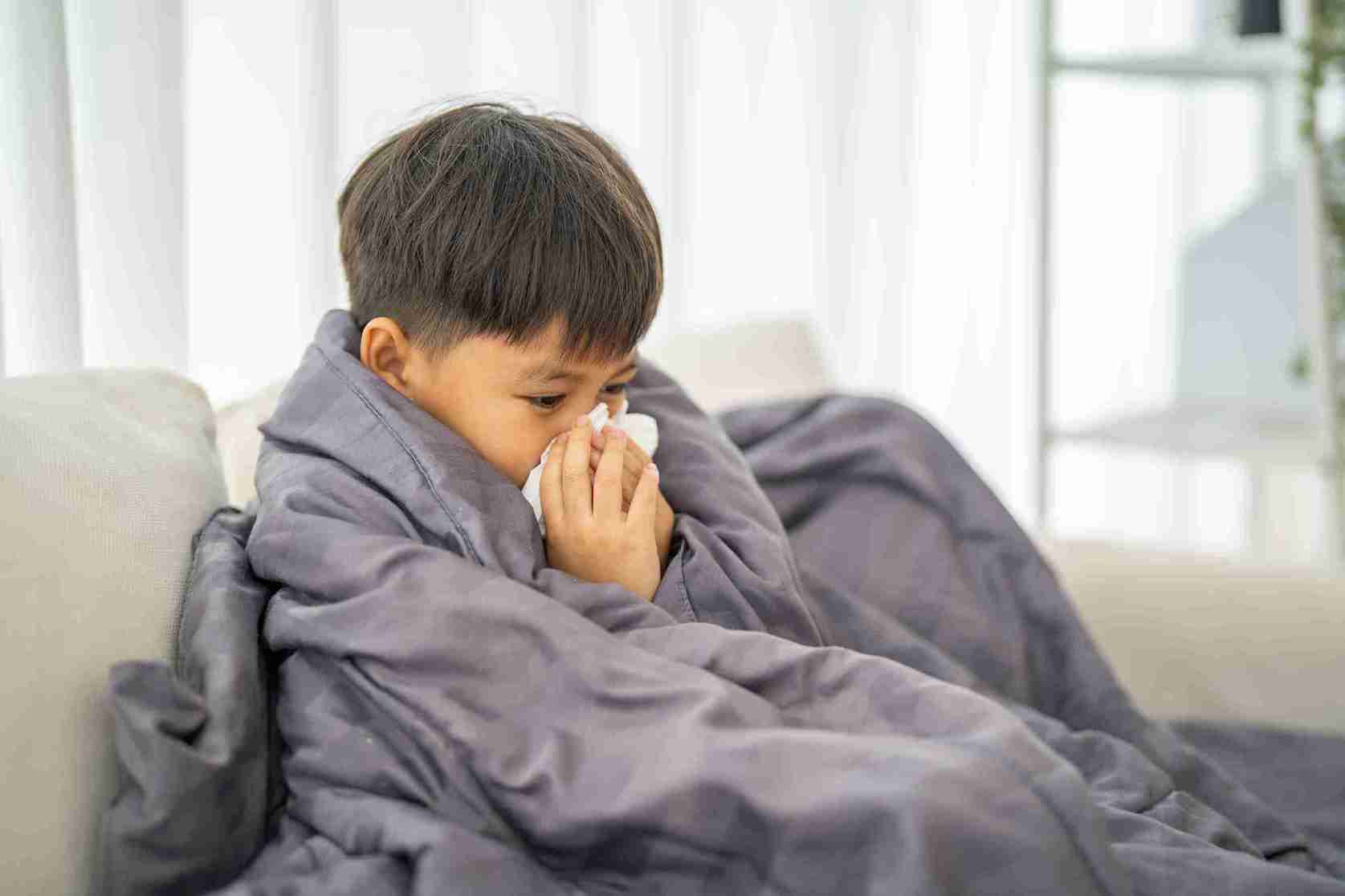
An allergy happens when your child's immune system overreacts to something harmless, like pollen, dust, or milk. The body treats these substances as dangerous invaders and releases chemicals like histamine to fight them off. This causes allergy symptoms.
The most common types of allergies are food allergies, dust and environmental allergies, pollen allergies (especially during winter months), and pet allergies.
Allergy symptoms in children vary depending on the triggers and the way the child is exposed.
If your child has these symptoms lasting more than 1-2 weeks, especially if they follow a pattern or occur in certain situations, allergies might be the cause.

Food allergies are less common than environmental allergies, but can be more serious. About 6-8% of children have food allergies.
The "Big Nine" allergens cause 90% of reactions:
Reactions can happen within minutes to hours after eating:
Mild to Moderate:
Severe (Anaphylaxis):
Anaphylaxis is a medical emergency. If your child shows these signs, give adrenaline (if prescribed) and rush to the nearest hospital immediately.
Many parents confuse these. They are different:
Food Allergy: Immune system reaction. Even tiny amounts cause symptoms. It can be life-threatening.
Food Intolerance: Digestive system problem. Larger amounts are needed to cause symptoms. Uncomfortable but not dangerous.
Example: Lactose intolerance (inability to digest milk sugar) results in stomach upsets. Milk allergy (immunological reaction to milk proteins) may lead to hives, respiratory problems, or anaphylactic shock.

Environmental allergies in kids are quite prevalent owing to rising levels of environmental pollution and dust.
Dust Mites: Dust mites are tiny insects that live in mattresses, pillows, carpets, and stuffed toys.
Pollen: From trees, grasses, and weeds. High pollen concentrations are felt during the winter season.
Mould: It grows in moist areas, such as bathrooms, kitchens, and affected walls during monsoons. It is experienced during and after the monsoon season.
Pet Dander: It is present in pet skin flakes, saliva, and urine. Children who have pets, such as dogs, cats, or birds, are at risk.
Cockroaches: Their droppings trigger allergies.
Pollution: Vehicle exhaust, industrial smoke, construction dust, especially bad in cities.
Dust allergies are common in urban households and are worth every parent's attention. Symptoms of dust allergy in children are
Many homes have carpets, heavy curtains, and lots of soft furnishings that collect dust. This makes dust allergies worse.
Childhood allergy treatment involves avoidance, medication, and, sometimes, immunotherapy.
For Dust Allergies:

For Food Allergies:
For Pollen Allergies:
For severe environmental allergies that are not controlled with medication, doctors might suggest immunotherapy. Small doses of the allergen are administered to help the body build tolerance.
See a paediatrician or allergist if:

Several tests are done by doctors:
Skin Prick Test: A small amount of the allergen is applied to the skin to determine which allergens trigger a reaction. Fast and easy, and conducted in the doctor’s office.
Blood Tests: Antibodies to particular allergens are measured. Useful for children with skin conditions or those too young to undergo skin testing.
Food Challenge: Under medical supervision, the child eats a suspected allergen to confirm allergy. Only done in a hospital setting.
Elimination Diet: Avoid the suspected food for 2-4 weeks, then reintroduce it while observing for symptoms.
Allergies are common but manageable. Early recognition and proper treatment help children live normal, active lives. Symptoms can be identified, and a treatment plan can be developed with your doctor. With the proper strategy, your child can fully engage in school, sports, and social events.
Want to consult the best pediatrician in India? Please find the links below
best pediatrician in Bangalore
Best pediatrician in Chandigarh
best pediatrician in faridabad
best pediatrician in hyderabad
Best pediatrician in New Delhi
Best pediatrician in Panchkula
Best pediatrician in Ghaziabad

The most common types are food allergies (milk, eggs, peanuts, tree nuts, wheat), environmental allergies (dust mites, pollen, mould, pet dander), seasonal allergies (pollen from trees and grasses), and insect allergies (bee stings). Dust mite allergies are very common due to the climate and home furnishings. About 6-8% of children have food allergies, whilst environmental allergies affect many more. Symptoms vary by allergen type and how the child is exposed.
Food allergy symptoms appear within minutes to hours after eating. Mild symptoms are hives, itching in the mouth or throat, runny nose, stomach pain, and vomiting. Severe reactions (anaphylaxis) can cause difficulty breathing, throat swelling, a rapid pulse, dizziness, and a drop in blood pressure. Even tiny amounts can trigger reactions. Unlike food intolerance, food allergies involve the immune system and can be life-threatening. Get immediate medical help for severe symptoms.
Look for symptoms lasting over 2 weeks: persistent sneezing (especially in the mornings), a stuffy or runny nose, itchy, watery eyes, coughing at night, and dark circles under the eyes. Notice patterns: do symptoms get worse during certain seasons, in dusty environments, around pets, or after outdoor play? Getting better when away from home suggests environmental triggers. The "allergic salute" (rubbing nose upwards) is common. Keep a symptom diary, noting when and where symptoms happen to find triggers.
Food allergies involve the immune system reacting to food proteins. Even tiny amounts trigger symptoms ranging from hives to life-threatening anaphylaxis. Food intolerances are digestive problems in which the body can't properly digest certain foods. They need larger amounts to cause symptoms and aren't life-threatening. Example: Lactose intolerance causes stomach upset from milk sugar; milk allergy causes immune reactions to milk protein, with possibly severe symptoms. Only food allergies can cause anaphylaxis.


 Best Gynecologists in Bellandur Best Gynecologists in Electronic City Best Gynecologists in HRBR LayoutBest Gynecologists in Jayanagar Best Gynecologists in Kanakapura RoadBest Gynecologists in Malleswaram Best Gynecologists in Nagarbhavi Best Gynecologists in Old Airport RoadBest Gynecologists in Sahakarnagar Best Gynecologists in Sarjapur RoadBest Gynecologists in ThanisandraBest Gynecologists in Varthur RoadBest Gynecologists in Whitefield Best Gynecologists in Industrial Area Phase IIBest Gynecologists in OMRBest Gynecologists in T NagarBest Gynecologists in New Industrial TownBest Gynecologists in IndirapuramBest Gynecologists in Golf Course RoadBest Gynecologists in Sector 14Best Gynecologists in Sector 47Best Gynecologists in Banjara HillsBest Gynecologists in GachibowliBest Gynecologists in Hitech CityBest Gynecologists in KompallyBest Gynecologists in Gomti NagarBest Gynecologists in MaladBest Gynecologists in NerulBest Gynecologists in VashiBest Gynecologists in Kailash ColonyBest Gynecologists in PatparganjBest Gynecologists in Punjabi BaghBest Gynecologists in VikaspuriBest Gynecologists in Gaur CityBest Gynecologists in Pari ChowkBest Gynecologists in Sector 51Best Gynecologists in Sector 5 Swastik ViharBest Gynecologists in Kalyani NagarBest Gynecologists in SB RoadBest Gynecologists in Pimple SaudagarBest Pediatricians in BellandurBest Pediatricians in Electronic CityBest Pediatricians in HRBR LayoutBest Pediatricians in JayanagarBest Pediatricians in Kanakapura RoadBest Pediatricians in MalleswaramBest Pediatricians in NagarbhaviBest Pediatricians in Old Airport RoadBest Pediatricians in SahakarnagarBest Pediatricians in Sarjapur RoadBest Pediatricians in ThanisandraBest Pediatricians in Varthur RoadBest Pediatricians in WhitefieldBest Pediatricians in Industrial Area Phase IIBest Pediatricians in OMRBest Pediatricians in T NagarBest Pediatricians in New Industrial TownshipBest Pediatricians in IndirapuramBest Pediatricians in Golf Course RoadBest Pediatricians in Sector 14Best Pediatricians in Sector 47Best Pediatricians in Hitech CityBest Pediatricians in Banjara HillsBest Pediatricians in GachibowliBest Pediatricians in KompallyBest Pediatricians in Gomti NagarBest Pediatricians in MaladBest Pediatricians in NerulBest Pediatricians in VashiBest Pediatricians in Kailash ColonyBest Pediatricians in PatparganjBest Pediatricians in Punjabi BaghBest Pediatricians in VikaspuriBest Pediatricians in Gaur CityBest Pediatricians in Pari ChowkBest Pediatricians in Sector 51Best Pediatricians in Sector 5 Swastik ViharBest Pediatricians in Kalyani NagarBest Pediatricians in SB RoadBest Pediatricians in Pimple Saudagar


