
Most people, when they hear the word endometriosis, picture a woman doubled over with period pain so severe she cannot get through a workday. That image is not wrong, but it is incomplete. There is a version of this condition that does not come with that kind of warning. It settles in quietly, produces symptoms that are easy to explain away, and often goes undetected for years.
This is what is commonly referred to as silent endometriosis, and it is more common than most women realise. In India, where menstrual symptoms are frequently normalised or not discussed openly, the gap between the condition starting and a woman actually receiving a diagnosis can stretch anywhere from seven to ten years.
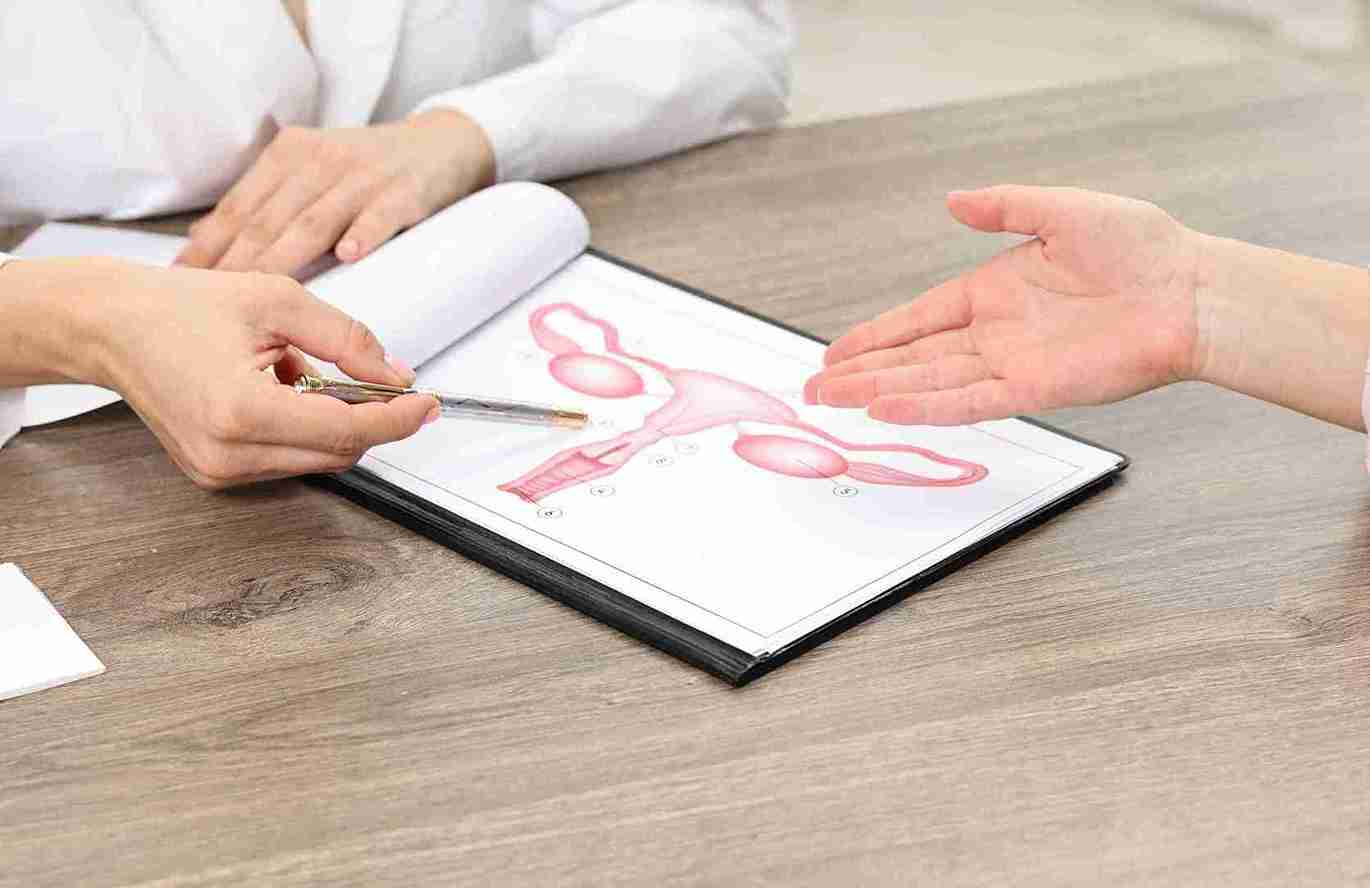
Endometriosis occurs when tissue resembling the uterine lining grows outside the uterus, typically around the ovaries, fallopian tubes, or the pelvic lining. Like the uterine lining, this tissue responds to hormonal changes each month. But because it has no way out of the body, it causes inflammation, and over time, scarring and adhesions.
In cases of endometriosis without pain, that inflammatory process is happening, but the body is not generating the intense discomfort that usually sends someone to a doctor. The condition is active. It can affect fertility. It can progress. The only difference is that it is doing all of this quietly.
A number of women find out they have it only when they are unable to conceive. Others discover it during a scan or procedure done for something unrelated. The absence of obvious pain does not mean the condition is sitting still.
Not all endometriosis behaves the same way, and understanding the types of endometriosis helps explain why experiences vary so much from one woman to another.
Superficial peritoneal endometriosis involves small implants on the surface of the pelvic lining.
Ovarian endometriosis forms fluid-filled cysts on the ovaries, sometimes called chocolate cysts.
Deep infiltrating endometriosis, the most severe form, grows into the surrounding tissue and can involve the bowel, bladder, or other structures.
What makes this particularly confusing is that the disease's severity and the severity of the symptoms do not always match. Some women with extensive deep disease feel significant pain. Others with the same diagnosis feel very little. And women with superficial implants can sometimes experience debilitating symptoms. There is no consistent rule, which is exactly why endometriosis without pain does not mean endometriosis that is mild or manageable.
The well-known endometriosis symptoms, such as severe cramps, pain during sex, and very heavy bleeding, are documented widely enough that most women have at least heard of them. What is less talked about are the signs that look like something else entirely.
Atypical endometriosis symptoms are the ones that send women down the wrong diagnostic path for years.
Continuous fatigue is one of the most underreported symptoms. It is the kind of tiredness that sleep does not fix. Most women chalk it up to stress or a hectic schedule, which is understandable. But persistent, unexplained fatigue can reflect chronic inflammation happening in the background.
Bloating and gut-related symptoms are another common detour. When endometrial tissue grows near the bowel, it can cause bloating, irregular bowel habits, and cramping that feels entirely digestive in nature. Irritable bowel syndrome is a frequent misdiagnosis before the real cause is identified.
Periods that have always seemed heavy or irregular are sometimes accepted as how a woman's body works. But consistently soaking through protection within an hour, or unpredictable cycles month to month, are worth raising with a gynaecologist rather than managing on your own.
Trouble conceiving sometimes reveals that something is wrong. A woman with no significant pain or dramatic symptoms finds herself unable to get pregnant without any clear explanation. Endometriosis is one of the leading contributors to infertility, and for women with silent endometriosis, fertility difficulties can be the first sign that quietly points towards a diagnosis that was there all along.
Discomfort while urinating or passing stools, particularly in the days leading up to or during a period, can point to endometrial tissue near the bladder or bowel. These symptoms often get treated as UTIs or digestive issues repeatedly before anyone investigates further.

Part of the problem is cultural. In India, painful or heavy periods are often treated as something women simply endure. Mothers pass this acceptance on to daughters, and many women grow up believing their symptoms, whatever they are, fall within the range of normal.
Women who experience very little pain are even less likely to investigate. If nothing is hurting badly, there seems to be no urgent reason to see a doctor. The atypical endometriosis symptoms they do notice, the fatigue, the bloating, the bowel irregularities, get managed in separate consultations, by different doctors, often without anyone stepping back to look at the full picture.
What Should Prompt a Conversation With Your Doctor
There is no single symptom that points directly to endometriosis. What tends to matter more is whether symptoms follow a pattern connected to the menstrual cycle. A few things worth bringing up with a gynaecologist:
Bloating, fatigue, urinary discomfort, or bowel changes that consistently worsen around the time of a period.
Periods that have always been heavy or irregular, but were never formally investigated.
Pain during or after intercourse that has been accepted as normal.
Recurring symptoms that have been treated individually, such as repeated UTI diagnoses or ongoing gut issues, without lasting improvement.
Difficulty conceiving after 12 months of trying, or 6 months if you are over 35
A close family member with a confirmed endometriosis diagnosis, since there is a known genetic link.
When you do see a doctor, being specific about the timing of symptoms relative to your cycle makes a real difference. Many women mention fatigue or bloating in passing without connecting it to their periods. That connection is exactly what helps a clinician think in the right direction.
On the diagnostic side, a pelvic ultrasound can identify ovarian cysts, and an MRI can offer more detail about suspected deep disease. Neither can confirm all forms of endometriosis. Laparoscopy, a minimally invasive keyhole surgery, remains the most definitive method. It allows a surgeon to directly see and, where possible, treat the tissue simultaneously.
For anyone dealing with unexplained fertility difficulties, early evaluation matters. Identifying the condition, even when pain is absent, allows for timely decisions about treatment and reproductive planning.

Silent endometriosis does not follow the expected script. It does not always bring the kind of pain that interrupts daily life or makes a diagnosis feel urgent. Instead, it shows up in ways that are easier to dismiss, in persistent tiredness, in gut symptoms, in periods that seem manageable but are not quite right, and in fertility challenges that arrive without explanation. Recognising the quieter endometriosis symptoms and knowing that the condition can exist entirely without pain is what gives women a real chance at finding answers before the condition has years more to progress.

Women of reproductive age are most at risk, especially those with a mother or sister who has been diagnosed with endometriosis. Starting periods early, having short menstrual cycles, or never having been pregnant may also be contributing factors. That said, silent endometriosis can develop without any of these risk factors, which is why subtle or atypical symptoms should not be dismissed without proper evaluation.
Missed periods are not a typical feature of endometriosis. The condition more commonly causes heavy, prolonged, or irregular periods rather than absent menstruation. That said, hormonal disruptions linked to endometriosis can sometimes affect cycle regularity. If periods are frequently absent or unpredictable, a gynaecological assessment is a sensible step to rule out underlying causes.
Yes, it can. Endometriosis without pain is sometimes called silent endometriosis. In these cases, the condition may only come to light during an infertility investigation or an incidental scan. The lack of pain does not mean the condition is inactive or harmless. It can still affect the reproductive organs and overall health, making awareness of other symptoms especially important.
Laparoscopy remains the most reliable way to confirm an endometriosis diagnosis. Ultrasound and MRI can raise suspicion, particularly when ovarian cysts are present, but are not sufficient to diagnose all forms of the condition. Whether laparoscopy is recommended depends on the individual's symptoms, scan findings, and clinical history, and is best decided in consultation with a gynaecologist experienced in managing endometriosis.







 Best Gynecologists in Bellandur Best Gynecologists in Electronic City Best Gynecologists in HRBR LayoutBest Gynecologists in Jayanagar Best Gynecologists in Kanakapura RoadBest Gynecologists in Malleswaram Best Gynecologists in Nagarbhavi Best Gynecologists in Old Airport RoadBest Gynecologists in Sahakarnagar Best Gynecologists in Sarjapur RoadBest Gynecologists in ThanisandraBest Gynecologists in Varthur RoadBest Gynecologists in Whitefield Best Gynecologists in Industrial Area Phase IIBest Gynecologists in OMRBest Gynecologists in T NagarBest Gynecologists in New Industrial TownBest Gynecologists in IndirapuramBest Gynecologists in Golf Course RoadBest Gynecologists in Sector 14Best Gynecologists in Sector 47Best Gynecologists in Banjara HillsBest Gynecologists in GachibowliBest Gynecologists in Hitech CityBest Gynecologists in KompallyBest Gynecologists in Gomti NagarBest Gynecologists in MaladBest Gynecologists in NerulBest Gynecologists in VashiBest Gynecologists in Kailash ColonyBest Gynecologists in PatparganjBest Gynecologists in Punjabi BaghBest Gynecologists in VikaspuriBest Gynecologists in Gaur CityBest Gynecologists in Pari ChowkBest Gynecologists in Sector 51Best Gynecologists in Sector 5 Swastik ViharBest Gynecologists in Kalyani NagarBest Gynecologists in SB RoadBest Gynecologists in Pimple SaudagarBest Pediatricians in BellandurBest Pediatricians in Electronic CityBest Pediatricians in HRBR LayoutBest Pediatricians in JayanagarBest Pediatricians in Kanakapura RoadBest Pediatricians in MalleswaramBest Pediatricians in NagarbhaviBest Pediatricians in Old Airport RoadBest Pediatricians in SahakarnagarBest Pediatricians in Sarjapur RoadBest Pediatricians in ThanisandraBest Pediatricians in Varthur RoadBest Pediatricians in WhitefieldBest Pediatricians in Industrial Area Phase IIBest Pediatricians in OMRBest Pediatricians in T NagarBest Pediatricians in New Industrial TownshipBest Pediatricians in IndirapuramBest Pediatricians in Golf Course RoadBest Pediatricians in Sector 14Best Pediatricians in Sector 47Best Pediatricians in Hitech CityBest Pediatricians in Banjara HillsBest Pediatricians in GachibowliBest Pediatricians in KompallyBest Pediatricians in Gomti NagarBest Pediatricians in MaladBest Pediatricians in NerulBest Pediatricians in VashiBest Pediatricians in Kailash ColonyBest Pediatricians in PatparganjBest Pediatricians in Punjabi BaghBest Pediatricians in VikaspuriBest Pediatricians in Gaur CityBest Pediatricians in Pari ChowkBest Pediatricians in Sector 51Best Pediatricians in Sector 5 Swastik ViharBest Pediatricians in Kalyani NagarBest Pediatricians in SB RoadBest Pediatricians in Pimple Saudagar


